Puppy chewing is one of those behaviors that can turn your cozy home into a disaster zone overnight. Those tiny teeth seem to have a mind of their own, targeting everything from your favorite shoes to the legs of your dining table. While it’s normal for puppies to chew as they explore the world and soothe teething discomfort, unchecked chewing can lead to destroyed belongings and even dangerous situations if they swallow something harmful. Learning how to redirect this natural instinct is key to saving your furniture (and your sanity) while helping your pup grow into a well-behaved dog.
I still remember the first time my own puppy shredded a brand-new pair of slippers. At first, I scolded him, but then I realized he wasn’t being bad—he was just doing what puppies do. That moment taught me that redirecting his energy was more effective than reacting in anger.
Key Things to Understand
- Puppies chew because it relieves teething pain and helps them explore their environment: This behavior usually peaks between 3 and 6 months of age but can continue until they’re a year old.
- Punishing chewing after the fact won’t help: Your puppy won’t understand why they’re being scolded.
- Providing appropriate chew toys is the best way: To save your furniture and keep your pup happy.
- Supervision is crucial: Puppies left unchecked will find something to chew, even if it’s not meant for them.
What to Look For
Watch for signs your puppy is about to chew, like sniffing around furniture or carrying items in their mouth. If you notice them fixating on something they shouldn’t have, calmly redirect them to a chew toy instead. Pay attention to when they chew the most—right after waking up or during playtime are common triggers. Also, check their toys regularly for wear and tear; if they’re breaking apart easily, it’s time to replace them before your pup swallows a dangerous piece.
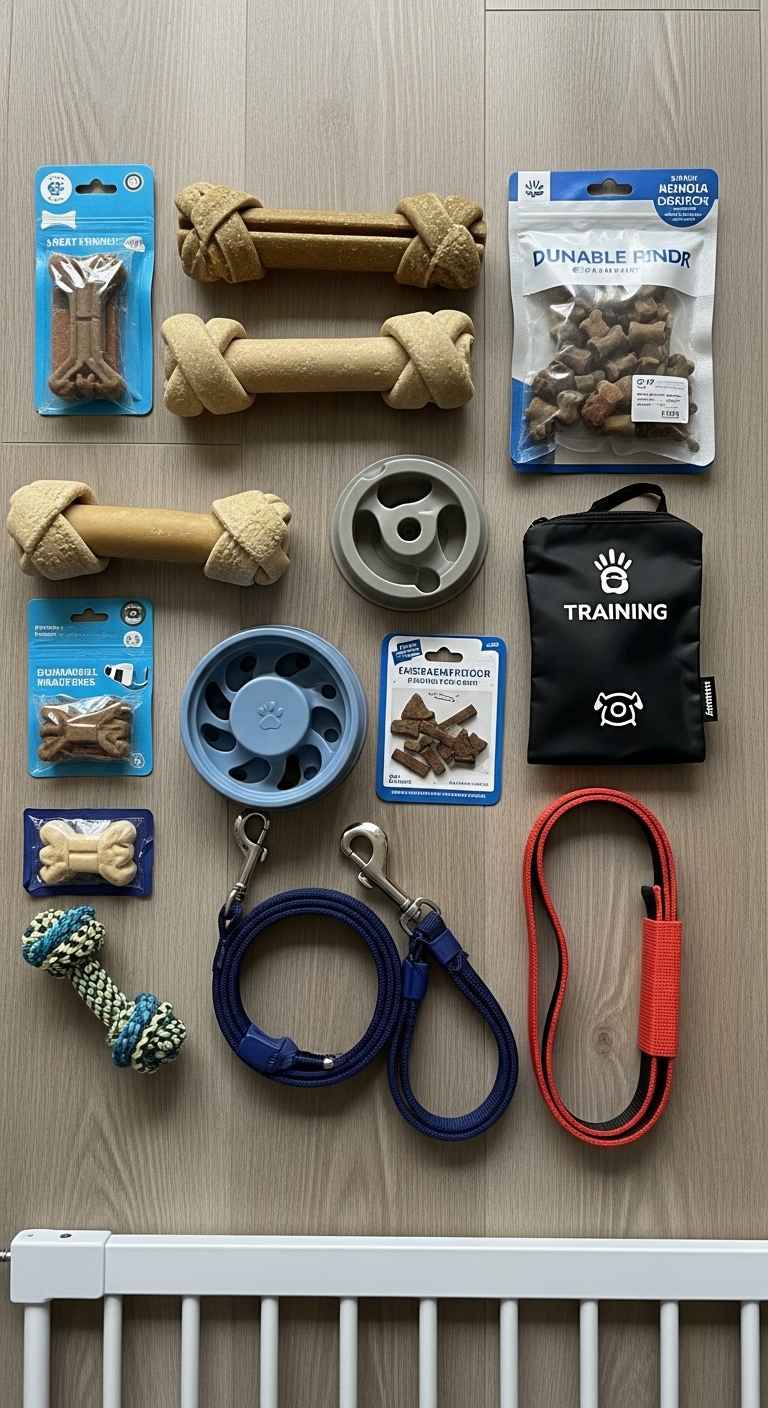
I once saw a friend’s puppy swallow a small plastic toy piece because they didn’t realize how quickly puppies can destroy flimsy toys. That’s why it’s so important to choose durable, puppy-safe options and always supervise playtime. If your pup starts chewing excessively or seems to be in pain, it might be time for a vet checkup to rule out dental issues.
Daily care habits
Make chew toys part of your puppy’s daily routine by rotating them every few days to keep things interesting. Keep toys in easy-to-reach spots so your pup can grab one when they feel the urge to chew. If you notice them favoring certain furniture, try applying a pet-safe deterrent spray to make it less appealing. Consistency is key—if you always redirect them to a toy, they’ll learn what’s acceptable to chew over time.
Choosing the right product
Look for chew toys labeled specifically for puppies, as adult toys can be too hard for their developing teeth. Soft rubber toys work well for teething pups, while tougher nylon options are better for older puppies. Avoid anything with small parts that could break off and become a choking hazard. Brands like Kong and Nylabone make great starter options that last through aggressive chewing phases.
Safety and comfort
Always supervise your puppy with new toys to ensure they’re using them safely. If your pup seems frustrated or overly aggressive with a toy, it might be too hard for their teeth. Keep electrical cords tucked away and secure loose rugs or blankets that could become chewing targets. If you catch them chewing something dangerous, like a power cord, swap it for a toy immediately and praise them for choosing the right option.
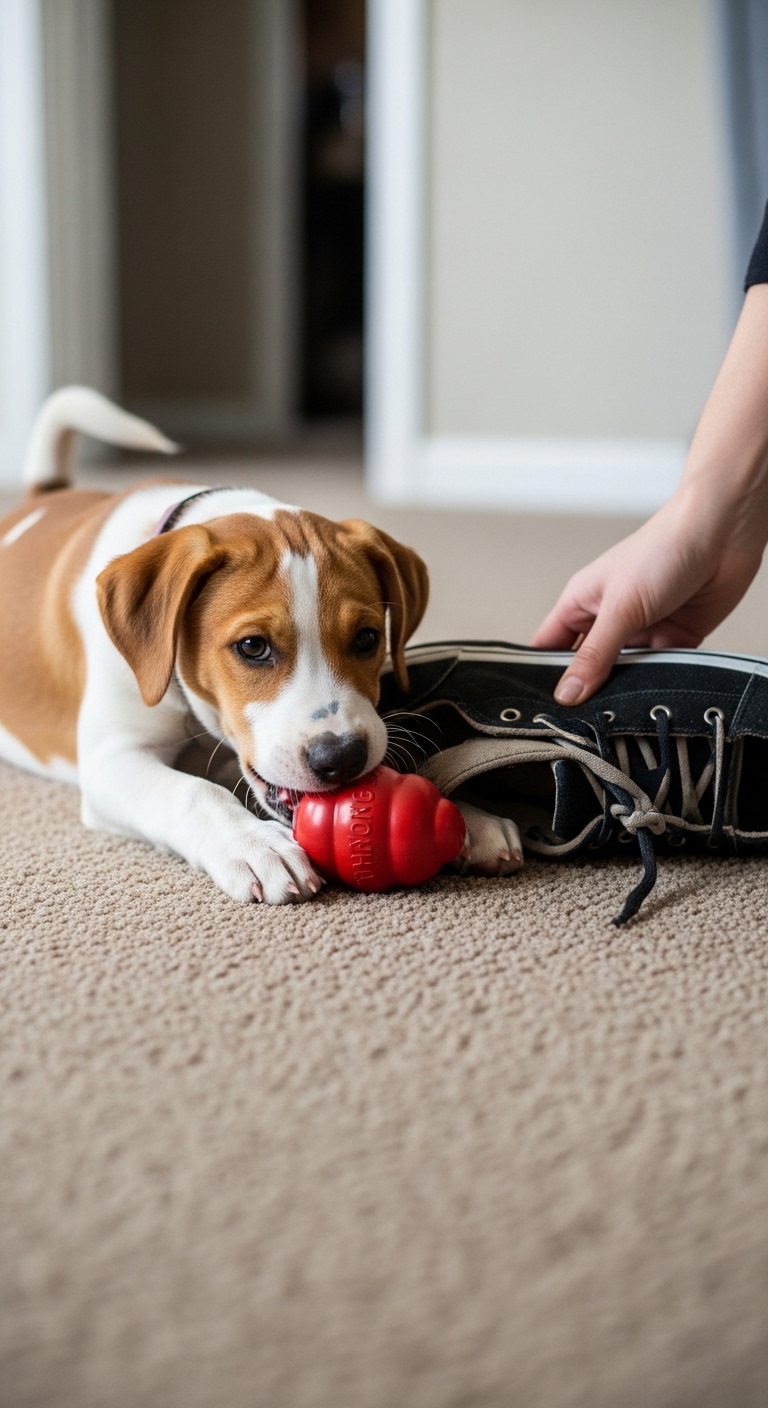
Redirecting your puppy’s chewing habits takes patience, but with the right approach, you can protect your home and help them grow into a well-adjusted dog.
Frequently Asked Questions
- → Why does my puppy chew furniture?
Puppies chew furniture due to teething pain, boredom, anxiety, or curiosity. Teething puppies need safe items to gnaw on, while bored or anxious pups may seek stimulation.
- → What are the best chew toys for puppies?
Rubber chew toys like Kongs, Nylabones, or Benebones are excellent. Frozen washcloths or carrots also soothe sore gums. Avoid small toys that can be swallowed.
- → How can I puppy-proof my furniture?
Use bitter apple spray on furniture edges. Cover legs with plastic guards or aluminum foil. Keep valuables out of reach and provide plenty of chew toys.
- → Is crate training helpful for chewing?
Yes! Crate training prevents unsupervised chewing when you're away. Ensure the crate is comfortable and not used as punishment. Gradually increase crate time.
- → Can I use deterrent sprays on furniture?
Yes, pet-safe sprays like bitter apple deter chewing. Test on a small area first. Reapply as needed, especially after cleaning surfaces.
- → How long does the chewing phase last?
Most puppies outgrow destructive chewing by 18-24 months. Consistency in training and providing alternatives speeds up the process.