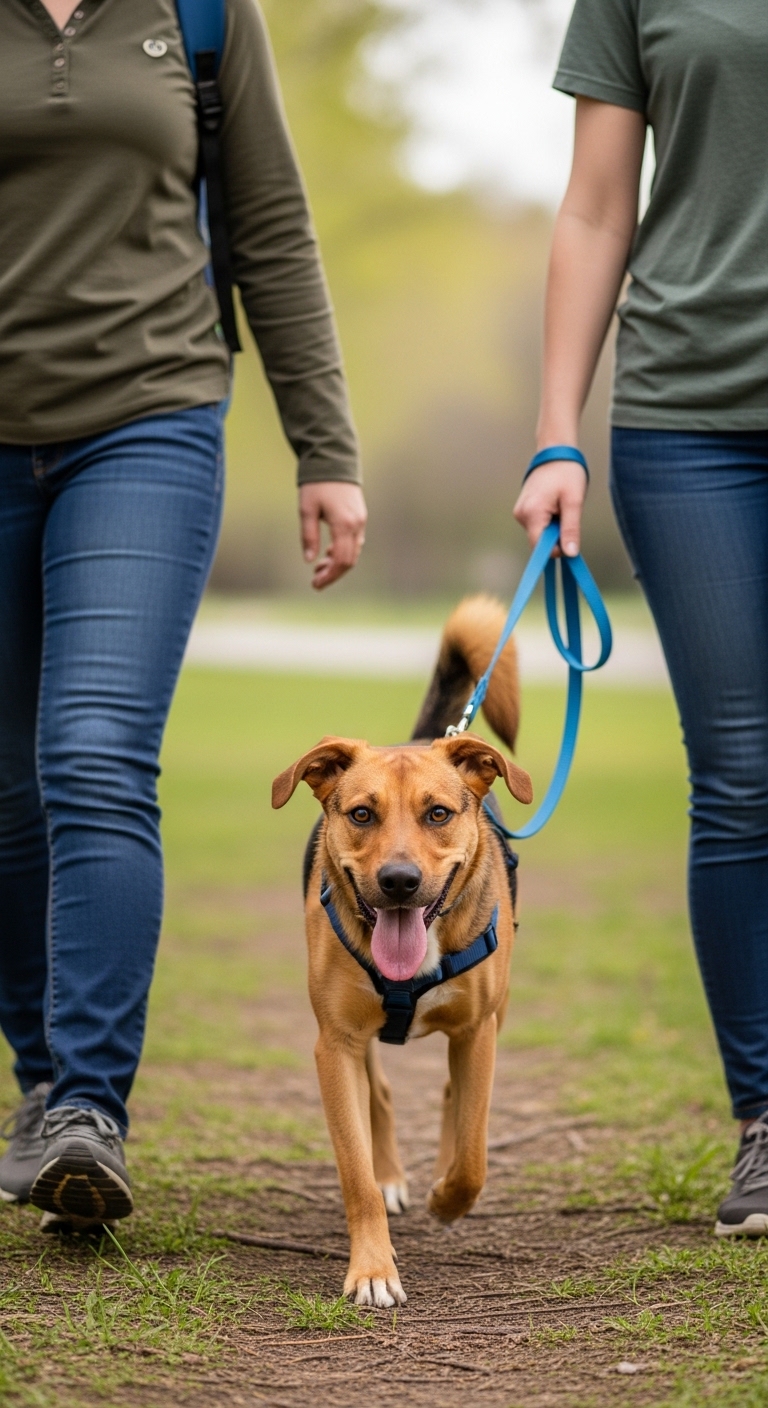
Why dogs bark at strangers isn’t just a random habit—it’s how they communicate their feelings, protect their space, or react to the unknown. For pet owners, understanding this behavior can make walks less stressful, vet visits smoother, and even help build trust between you and your dog. Whether your pup is a quiet observer or a loud alarm system, their barking tells a story worth listening to.
I’ve seen dogs go from tense and reactive to calm and curious just by changing how their humans react to their barking. Small shifts in body language or tone can make a big difference in how your dog perceives strangers.
Key Things to Understand
- Dogs bark at strangers because they’re unsure or feel the need to alert their pack
- Some breeds are naturally more vocal due to their history as guard or herding dogs
- A sudden change in barking patterns could signal pain, anxiety, or even hearing loss
- Yawning, lip licking, or turning away are signs your dog is uncomfortable but trying to stay calm
- Consistent training helps dogs learn that strangers aren’t always a threat
What to Look For
Watch how your dog reacts when someone approaches. Do they freeze first, then bark? That’s often a sign of uncertainty rather than aggression. Notice if their tail stays low or tucked, which can indicate fear instead of confidence. Pay attention to the pitch and frequency of the barks—high-pitched, rapid barks usually mean excitement or playfulness, while deep, slow barks often signal a warning. Also observe their body posture: a dog standing tall with ears perked is likely more assertive, while a crouched position with a tucked tail suggests fear.
I’ve noticed that dogs who growl or bark at strangers during walks often relax faster when their owner stays calm and moves at a slower pace. If you tense up or pull the leash tight, your dog senses the tension and may feel the need to “defend” you. Also, older dogs sometimes start barking at strangers more because their senses aren’t as sharp as they used to be, making the world feel more unpredictable.
Training Techniques That Work
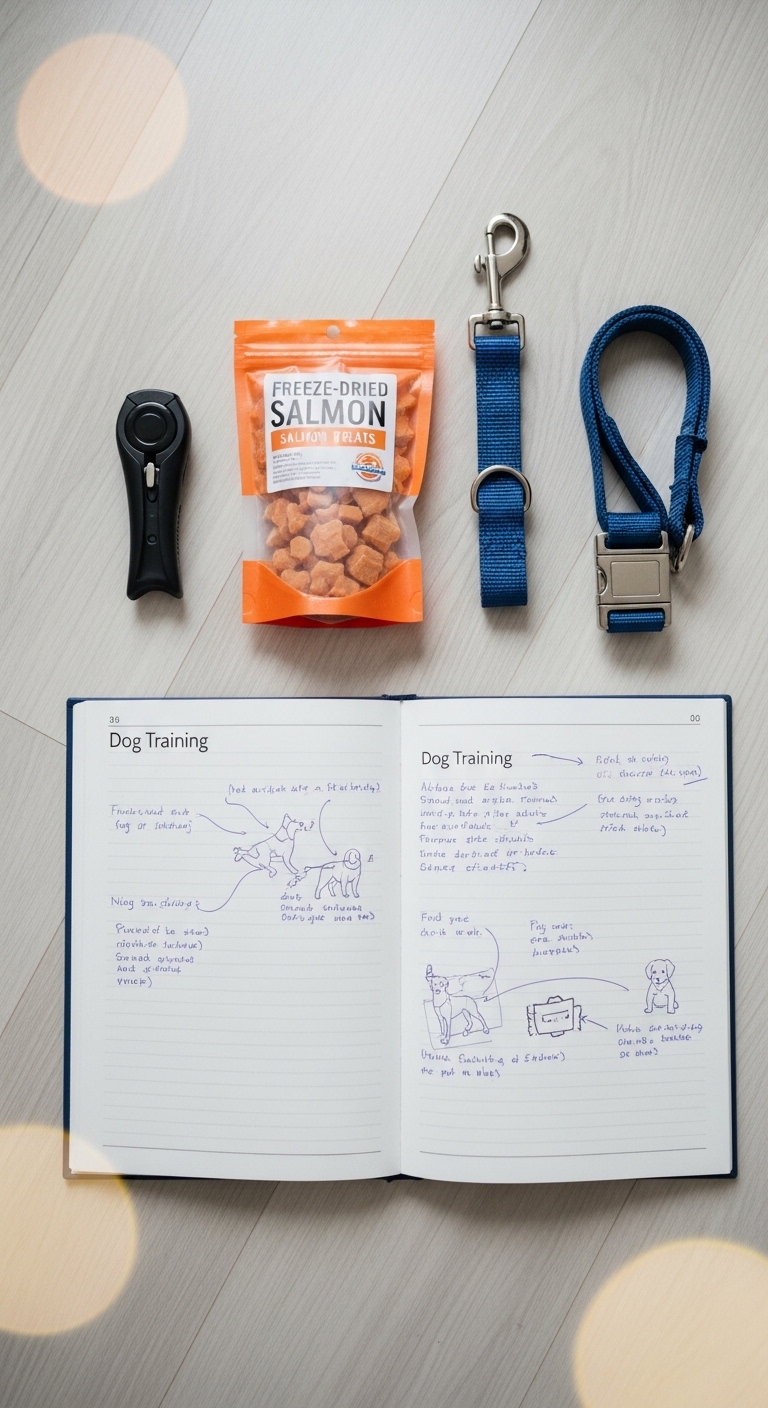
Start by rewarding your dog for staying calm when someone passes by at a distance. Use treats or praise to reinforce quiet moments, even if it’s just for a few seconds. Over time, gradually decrease the distance as your dog becomes more comfortable. If your dog reacts strongly, try redirecting their attention with a command they know well, like “sit” or “watch me.” This gives them a job to focus on instead of fixating on the stranger.
Socialization Isn’t Just for Puppies
Many owners think socialization is only important for young dogs, but adult dogs can benefit too. Introduce new people slowly and in controlled settings, like having a friend sit quietly while your dog observes from a distance. Avoid forcing interactions—let your dog set the pace. If they seem overwhelmed, take a step back and try again later. The goal isn’t to eliminate barking entirely but to help your dog feel more secure in different situations.
When Barking Crosses the Line
While some barking is normal, excessive or aggressive barking can be a sign of deeper issues. If your dog’s barking leads to lunging, snapping, or prolonged stress, it’s worth consulting a professional trainer or vet. Sometimes, the problem isn’t the barking itself but an underlying fear or pain that needs to be addressed. Don’t wait until the behavior becomes unmanageable—early intervention makes a big difference.

Understanding why your dog barks at strangers is the first step toward a calmer, happier relationship. Small changes in your approach can lead to big improvements in their behavior.
Frequently Asked Questions
- → Why does my dog bark at strangers but not at me?
Dogs often bark at strangers due to unfamiliarity or perceived threats. Your presence likely signals safety, while strangers may trigger their protective instincts or curiosity.
- → Can socialization help reduce my dog’s barking at strangers?
Yes! Controlled socialization with new people in neutral environments can help your dog become more comfortable. Start with calm, non-threatening interactions and reward calm behavior.
- → Is barking at strangers a sign of aggression?
Not always. Barking can stem from excitement, fear, or territorial behavior rather than aggression. Observe body language—tense posture or growling may indicate aggression, while a wagging tail suggests excitement.
- → How can I train my dog to stop barking at strangers?
Use positive reinforcement by rewarding quiet behavior when strangers approach. Desensitization exercises, like having someone stand at a distance while your dog remains calm, can also help. Consistency and patience are essential.
- → Does breed affect how dogs react to strangers?
Yes, some breeds are naturally more alert or protective. Breeds like German Shepherds or Terriers may bark more at strangers due to their guarding instincts, while others may be more reserved or friendly depending on temperament and upbringing.
- → Should I punish my dog for barking at strangers?
No. Punishment can increase anxiety and worsen barking. Instead, redirect their attention with commands like 'sit' or 'quiet,' and reward compliance. Positive reinforcement builds trust and encourages desired behavior.