
Why dogs dig holes in the yard isn’t just a quirky habit—it’s a behavior rooted in instinct, boredom, or even discomfort. For pet owners, understanding this can save your lawn, your dog’s paws, and your sanity. Whether your pup is burying a bone, chasing a scent, or simply trying to cool off, digging is a natural part of their world. But when it turns into a daily excavation project, it’s time to figure out the why behind the mess.
I’ve seen dogs dig for all kinds of reasons—some just love the texture of cool dirt under their paws, while others are stressed by changes in the household. The key is noticing the pattern before it becomes a habit.
Key Things to Understand
- Temperature regulation: Dogs dig to regulate their body temperature when they’re too warm
- Food or toy storage: This behavior can also be a way to hide food or toys for later use
- Breed tendencies: Some breeds, like terriers, are naturally more prone to digging due to their hunting instincts
- Boredom: Dogs may dig when they’re bored, especially if they’re left alone for long stretches
- Anxiety or stress: Anxiety or separation stress can lead to excessive digging near doors or fences
What to Look For
Pay attention to when and where your dog digs most often. If it’s right along the fence line or near the gate, they might be trying to escape or mark territory. Notice if they dig more during hot afternoons—this could mean they’re searching for a cooler spot to lie down. Watch their body language too; a dog that paws at the ground before settling in might just be making a cozy nest, while one that frantically scratches could be stressed or uncomfortable.
I once had a neighbor whose dog kept digging under the porch, only to find out the pup was trying to escape the sound of thunderstorms. Once they moved the dog’s bed to a quieter part of the house, the digging stopped almost immediately. It’s easy to assume digging is just mischief, but sometimes it’s a cry for help in a language we don’t always recognize.
Daily Care Habits
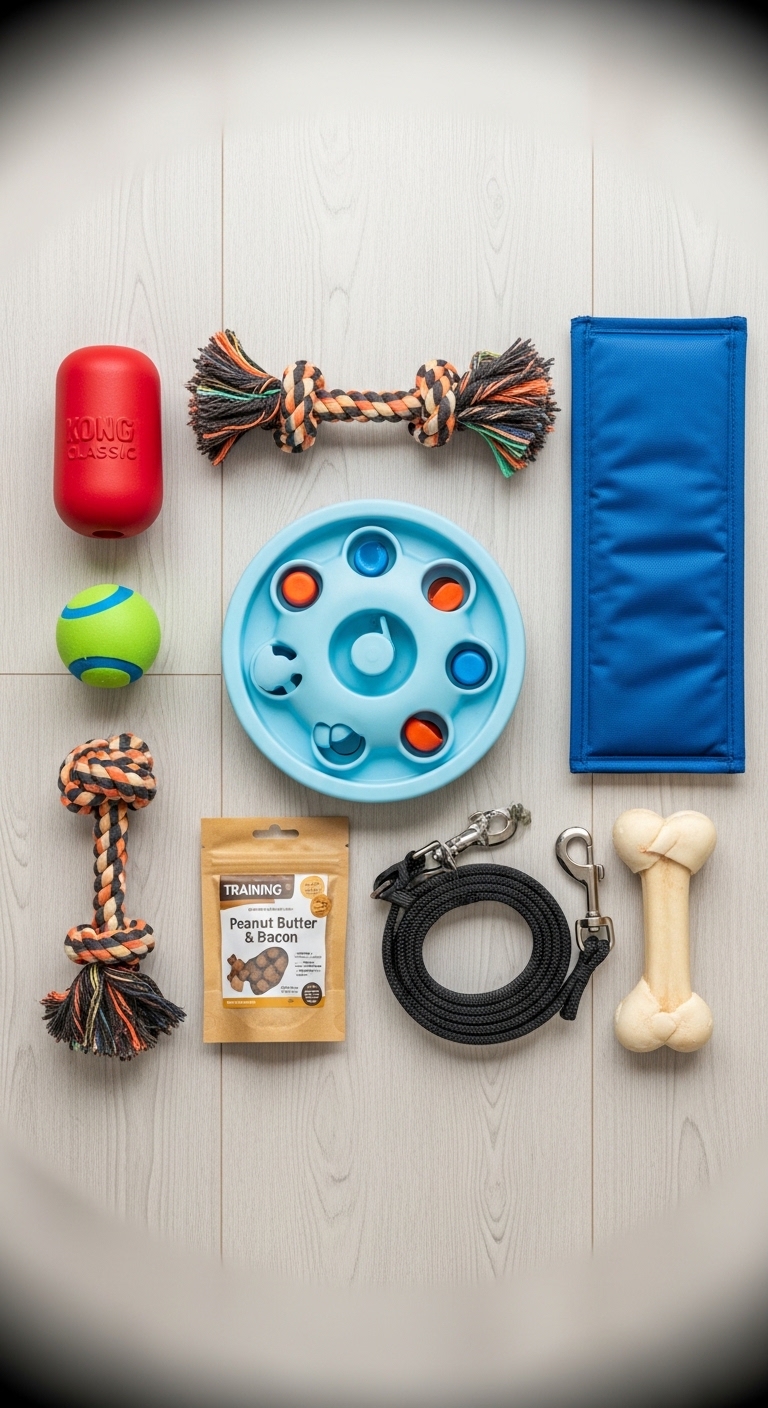
If your dog digs out of boredom, try swapping long stretches alone with interactive toys or puzzle feeders. A tired dog is less likely to turn your garden into a construction site. Rotate their toys weekly so they don’t get too familiar with them—novelty keeps their mind engaged. Short training sessions before you leave the house can also help reduce anxiety-driven digging.
Choosing the Right Product
Look for digging deterrents that are safe for pets but unpleasant for paws. Some garden sprays use citrus or vinegar, which dogs dislike but won’t harm them. If your dog is digging to cool off, consider a shallow kiddie pool filled with water or a cooling mat in their favorite spot. For escape artists, check for weak spots in the fence or consider adding a dig-proof barrier like chicken wire buried a few inches underground.
Safety and Comfort
Avoid using harsh chemicals or fertilizers in areas where your dog digs, as these can irritate their paws or make them sick if ingested. If your dog’s digging seems frantic or obsessive, a vet visit might be in order to rule out skin conditions or allergies. During summer, keep an eye on the ground temperature—hot pavement or packed dirt can burn their pads or make them dig more to find relief.
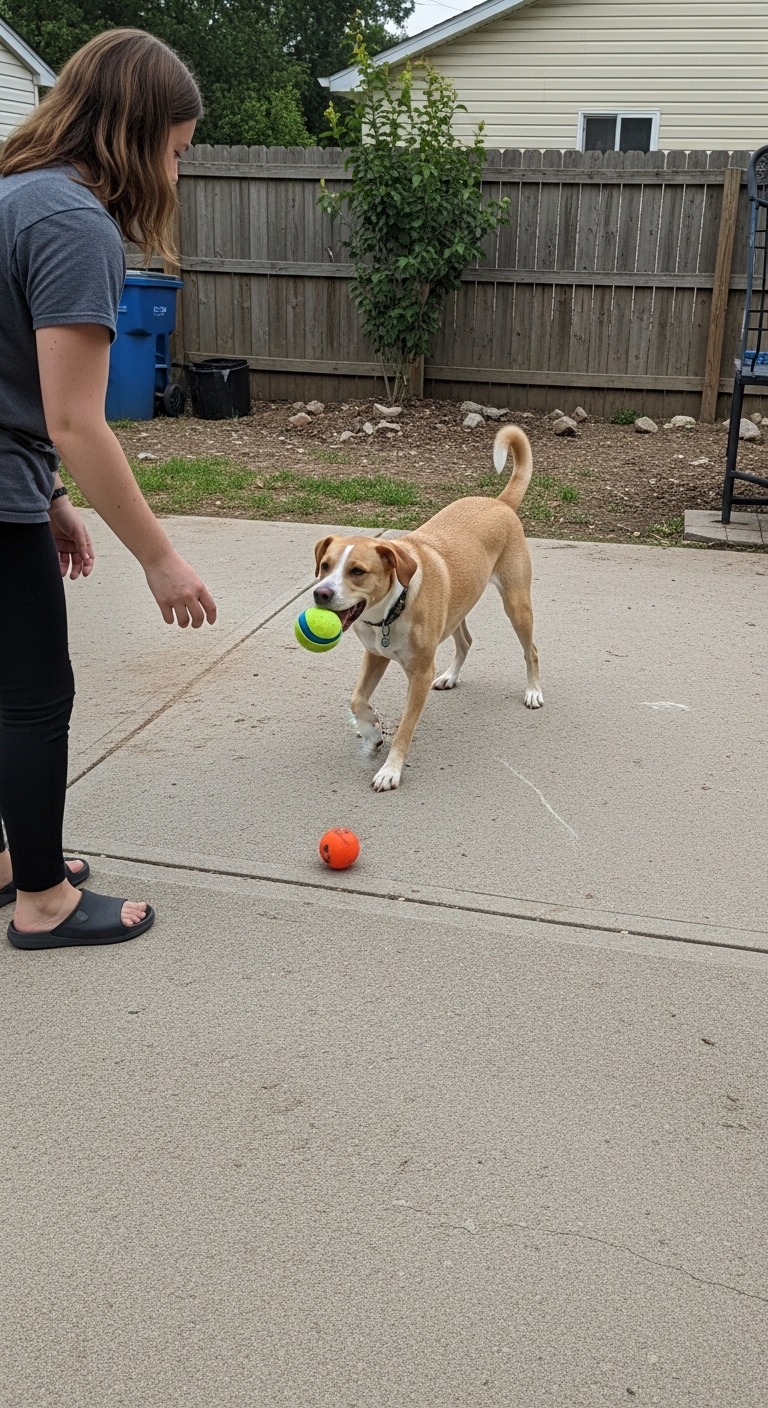
Understanding why your dog digs is the first step to a happier, healthier pet and a more intact yard.
Frequently Asked Questions
- → Why do dogs dig holes in the yard?
Dogs dig for several reasons, including boredom, anxiety, or instinctual behaviors like hunting or nesting. Some breeds are more prone to digging due to their genetic makeup.
- → Is digging a sign of a health problem?
Occasional digging is normal, but excessive digging could indicate stress, boredom, or a medical issue. Consult a vet if the behavior seems compulsive or out of character.
- → How can I stop my dog from digging?
Provide plenty of exercise and mental stimulation. Create a designated digging area with soft soil or sand. Use positive reinforcement to reward good behavior and redirect their energy.
- → Do certain dog breeds dig more than others?
Yes, breeds like terriers, dachshunds, and hounds are more prone to digging due to their historical roles in hunting and burrowing. Understanding your dog's breed traits can help manage their behavior.
- → Can digging be a sign of anxiety?
Yes, digging can be a coping mechanism for dogs experiencing separation anxiety or stress. Providing a safe and enriching environment can help reduce anxiety-related digging.
- → What should I do if my dog digs near plants?
Use deterrents like citrus peels or commercial sprays to discourage digging in specific areas. Alternatively, create a designated digging zone away from your garden to satisfy their instinct without damaging plants.