Dogs licking their paws is one of those small behaviors that can mean nothing—or signal something important. It’s easy to dismiss as just a quirky habit, but when it happens often, it’s worth paying attention. Paw licking can point to allergies, skin irritation, boredom, or even pain. For pet owners, knowing the difference between normal grooming and a red flag can save unnecessary vet visits or catch issues early. The key is noticing patterns, checking for other symptoms, and understanding what’s typical for your dog.
I’ve seen dogs lick their paws after a walk through tall grass (probably itchy) or when they’re stressed during thunderstorms. The trick isn’t to panic over every lick but to watch for changes—like if it’s only one paw, if the skin looks red, or if they’re doing it more than usual.
Key Things to Understand
- Allergies: The most common reason for paw licking and can be environmental like pollen or food related
- Injuries: Cuts, thorns, or cracked pads often lead to focused licking on one paw
- Boredom or anxiety: Can cause repetitive licking as a self-soothing behavior
- Infections: Yeast or bacterial infections between the toes create itching and a musty smell
- Dry skin: From weather changes or harsh floors can make paws irritated and tempting to lick
- Breed tendencies: Some breeds with heavy paw fur or skin folds are more prone to moisture buildup and irritation
What to Look For
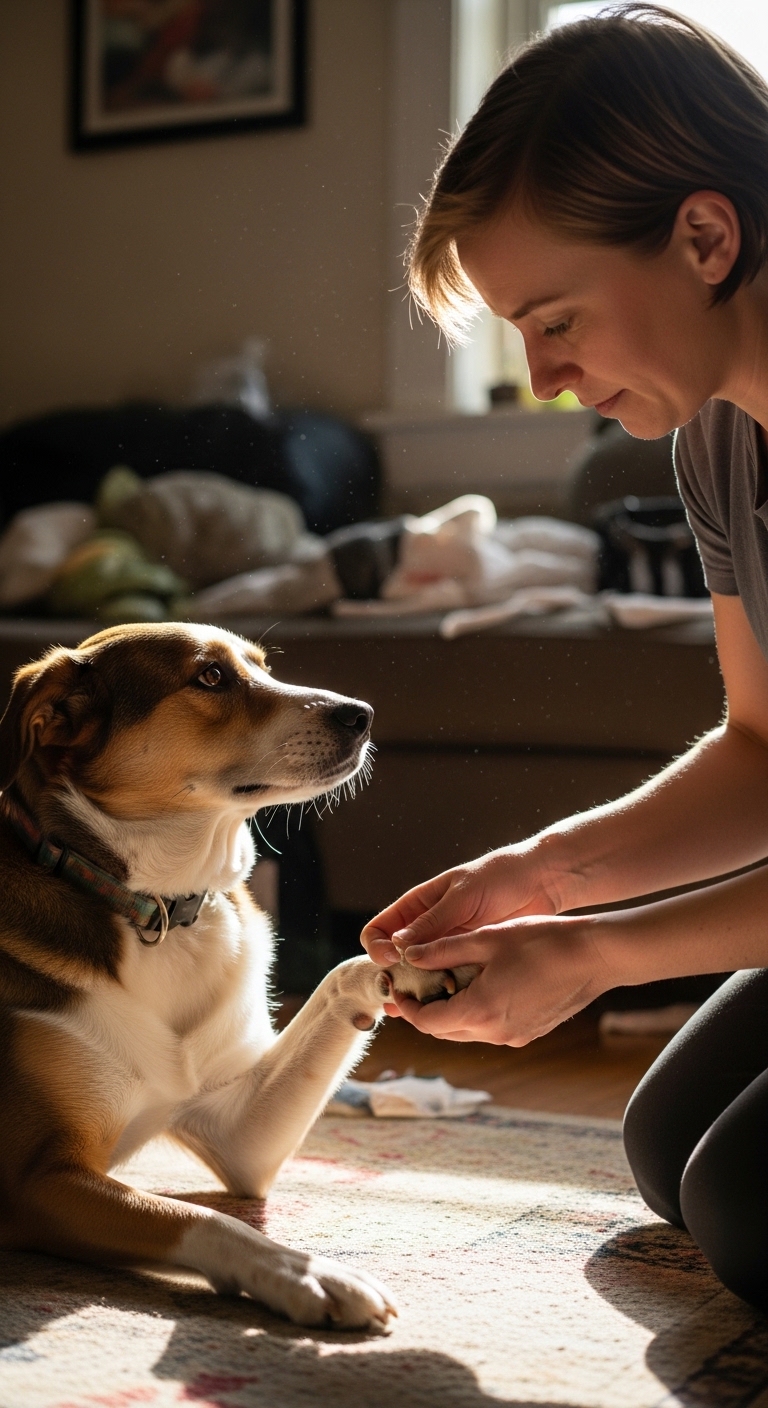
Start by observing which paws your dog licks and how often. If it’s always the same paw, check for a foreign object like a bur or a small cut. Run your fingers gently over the pad and between the toes—dogs are good at hiding pain, so look for flinching or pulling away. Redness, swelling, or a foul odor are clear signs of infection and mean it’s time for a vet visit.
Next, think about timing. Does the licking happen after meals, walks, or during certain seasons? Food allergies often cause licking within hours of eating, while environmental allergies flare up after outdoor time. If your dog licks more at night or when left alone, stress or boredom might be the culprit.
Pay attention to the condition of the paws themselves. Dry, cracked pads could mean they need moisturizing balm, especially in winter. Overgrown fur between the toes can trap dirt and moisture, leading to irritation. And if the licking is paired with head shaking or ear scratching, allergies are likely spreading beyond the paws.
I’ve made the mistake of assuming paw licking was just a habit until I noticed my dog’s pads were raw. A quick vet visit revealed a grass seed embedded deep in his toe—something I’d missed. Now I check paws after every hike, no matter how tired I am. It’s one of those small things that takes seconds but prevents bigger problems.
When to Worry and See a Vet
If the licking is constant, especially if it’s focused on one paw, it’s time for a professional look. Other red flags include limping, bleeding, or a strong odor. Your vet can do skin scrapings or allergy tests to pinpoint the issue. Sometimes, it’s as simple as a course of antibiotics or a diet change, but catching it early avoids weeks of discomfort for your dog.
Home Remedies That Actually Work
For mild irritation, a soak in cool water with a bit of Epsom salt can soothe inflamed paws. Coconut oil applied sparingly helps with dryness, but avoid if there’s an open wound. Booties aren’t just for snow—they protect paws from hot pavement, allergens, and rough terrain. And if stress is the issue, more exercise or puzzle toys can redirect their energy away from licking.
Preventing Paw Problems Before They Start
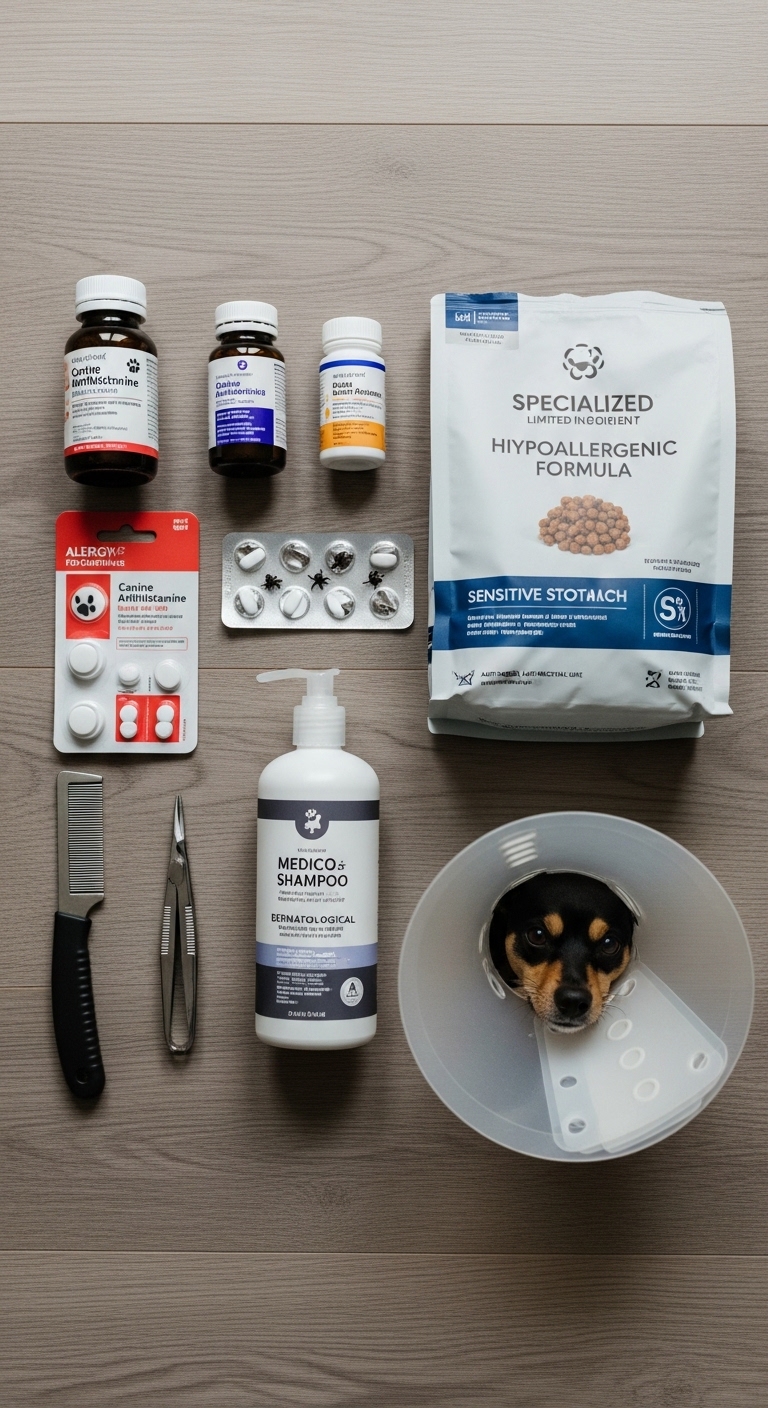
Regular paw checks after walks should be as routine as brushing teeth. Trim the fur between the toes to reduce moisture buildup. In winter, wipe paws after being outside to remove ice melt chemicals. And if your dog is prone to allergies, frequent baths with a hypoallergenic shampoo can rinse away irritants before they cause trouble.
The Role of Diet in Paw Health
Food allergies often show up as itchy skin, and paws are an easy target for relief. Common triggers include beef, chicken, dairy, and grains. If you suspect a food allergy, your vet might recommend an elimination diet. Even without allergies, omega-3 supplements can improve skin health and reduce inflammation, making paws less irritated.
Understanding why your dog licks their paws helps you act before small issues become big problems. A little observation goes a long way in keeping them happy and healthy.
Frequently Asked Questions
- → Why does my dog lick their paws after walks?
After walks, dogs may lick their paws to remove dirt, debris, or irritants like salt or chemicals from sidewalks. Check for cracks, thorns, or burns, and rinse their paws with water to clean them thoroughly.
- → Can food allergies cause paw licking in dogs?
Yes, food allergies—commonly triggered by ingredients like chicken, beef, or grains—can lead to itchy paws. Symptoms may include redness, swelling, or frequent licking. A vet may recommend an elimination diet to identify the allergen.
- → How can I tell if my dog’s paw licking is behavioral?
Behavioral paw licking often occurs when your dog is anxious, stressed, or bored. Look for other signs like pacing, whining, or destructive chewing. Providing mental stimulation, exercise, and calming routines can help reduce the habit.
- → What home remedies help soothe irritated paws?
For mild irritation, soak your dog’s paws in warm water with Epsom salts or apply a pet-safe moisturizer. Avoid human products like lotions, which may contain harmful ingredients. Keep their paws dry and clean to prevent infections.
- → When should I take my dog to the vet for paw licking?
See a vet if the licking persists for more than a few days, or if you notice swelling, bleeding, or a foul odor. These could indicate infections, allergies, or autoimmune conditions requiring medical treatment.
- → Can seasonal allergies affect my dog’s paws?
Yes, seasonal allergies to pollen, mold, or grass can cause itchy, inflamed paws. Your vet may suggest antihistamines, omega-3 supplements, or hypoallergenic wipes to manage symptoms during peak allergy seasons.