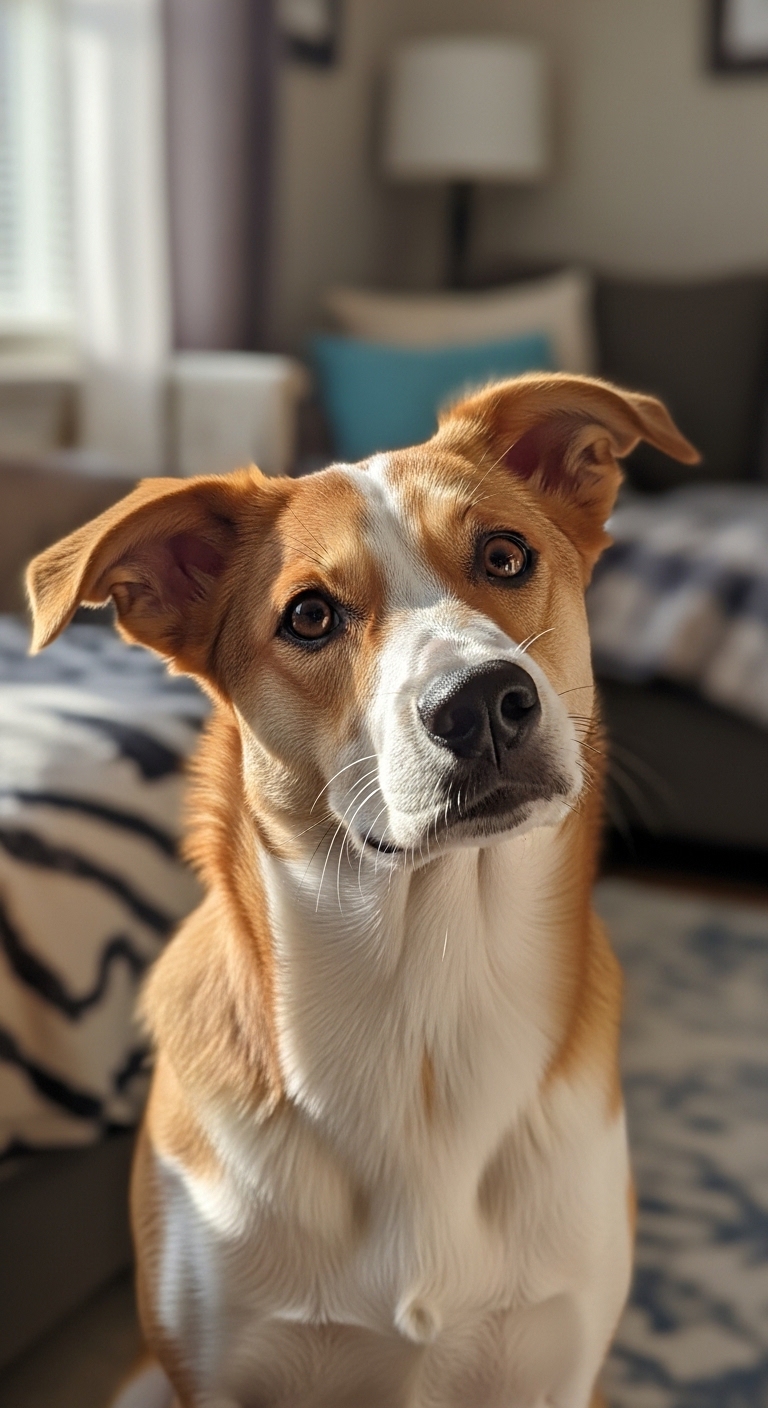
Dogs don’t speak our language, but they show their love in ways that are hard to miss once you know what to look for. Those little head tilts, the way they follow you from room to room, or even the way they curl up next to your feet while you sleep—these aren’t just random behaviors. They’re signs of trust, affection, and deep connection. Understanding these gestures can make your bond stronger and help you respond better to your dog’s needs. Whether you’re a new pet owner or have had dogs your whole life, recognizing these signs can bring you closer to your furry friend every single day.
I still remember the first time my rescue dog, a nervous terrier mix, chose to sleep on my pillow instead of her own bed. It wasn’t just comfort—it was trust. That moment changed how I saw our relationship forever.
Key Things to Understand
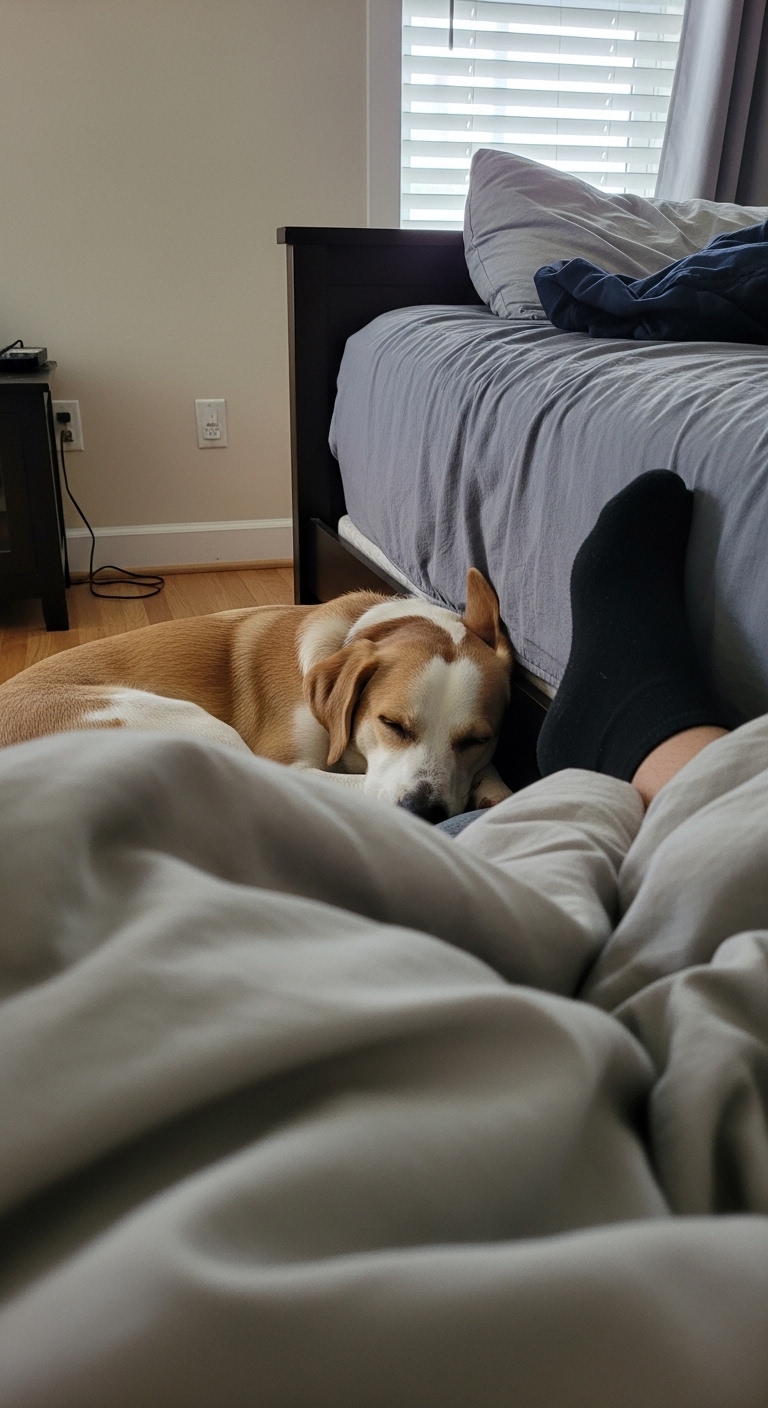
- Physical closeness: Dogs show love through physical closeness like leaning against you or sleeping near your feet
- Tail wagging: Tail wagging isn’t always happiness—it can also mean excitement, nervousness, or even stress depending on the situation
- Eye contact: Eye contact with slow blinks is a sign of trust and affection in dogs
- Sharing toys: Bringing you their favorite toy is their way of sharing what they value most with you
- Yawning: Yawning when you’re around can mean they’re relaxed and comfortable in your presence
- Following you: Following you from room to room shows they see you as part of their pack
What to Look For
Watch for the way your dog positions themselves around you. If they choose to sit or lie down close to you rather than in another part of the room, that’s a clear sign they feel safe with you. Notice how they greet you after even a short time apart. A dog that wags its tail broadly, has relaxed ears, and approaches with a loose, wiggly body is showing genuine happiness to see you. Pay attention to their sleeping habits too—if they start choosing spots near you instead of their own bed, it’s a strong indicator they trust you completely.
Another thing to observe is how your dog reacts when you’re upset. Some dogs will nudge your hand with their nose, rest their head on your lap, or even lie down right next to you. These aren’t just random actions; they’re attempts to comfort you, which means they see you as part of their family. The way they look at you matters too. Soft eyes with slow blinks often mean they’re relaxed and content in your company. If your dog does this when you’re sitting together, it’s one of the purest signs of affection they can show.
I once had a client whose dog stopped following her around the house after she changed her work schedule. It wasn’t that the dog didn’t love her anymore—she was just exhausted from the new routine. Small changes in behavior often point to bigger shifts in a dog’s life, so it’s always worth paying attention. Another common mistake is assuming all tail wags mean the same thing. A slow, low wag usually means caution, while a fast, high wag often signals excitement. Learning these differences can help you respond appropriately to your dog’s feelings.
How Dogs Show Love Through Routine
Dogs thrive on consistency, and when they know what to expect from you, it strengthens their trust. If you feed them at the same times every day, take them for walks on a regular schedule, and give them attention when they need it, they’ll start to see you as their reliable source of safety and comfort. This predictability makes them feel secure, which in turn makes them more likely to show affection in return. Over time, these routines become a language of love between you and your dog.
Pay attention to how your dog reacts when you come home. Do they get excited immediately, or do they wait to see what mood you’re in first? Dogs are incredibly perceptive about human emotions, and they adjust their behavior based on how you’re feeling. If your dog seems extra clingy after a long day, it might be because they sense your stress and want to comfort you. This kind of emotional attunement is one of the most beautiful parts of having a dog.
Reading Your Dog’s Body Language
A dog’s body language speaks volumes if you know how to interpret it. Ears that are relaxed and slightly forward usually mean they’re curious or attentive. If their ears are pinned back, it could signal fear or submission. The position of their tail also tells a story—high and stiff often means alertness or dominance, while a low or tucked tail suggests nervousness. Even the way they hold their mouth can give clues. A relaxed, slightly open mouth with a loose tongue usually means they’re happy, while a tightly closed mouth might indicate tension.
Another subtle sign of affection is when your dog “smiles” at you. Some dogs curl their lips slightly when they’re relaxed and happy, especially when you’re playing or petting them. It’s not a real smile like humans have, but it’s their way of showing contentment. If your dog does this when you’re interacting, it’s a great sign that they’re enjoying your company.
The Little Things That Matter Most
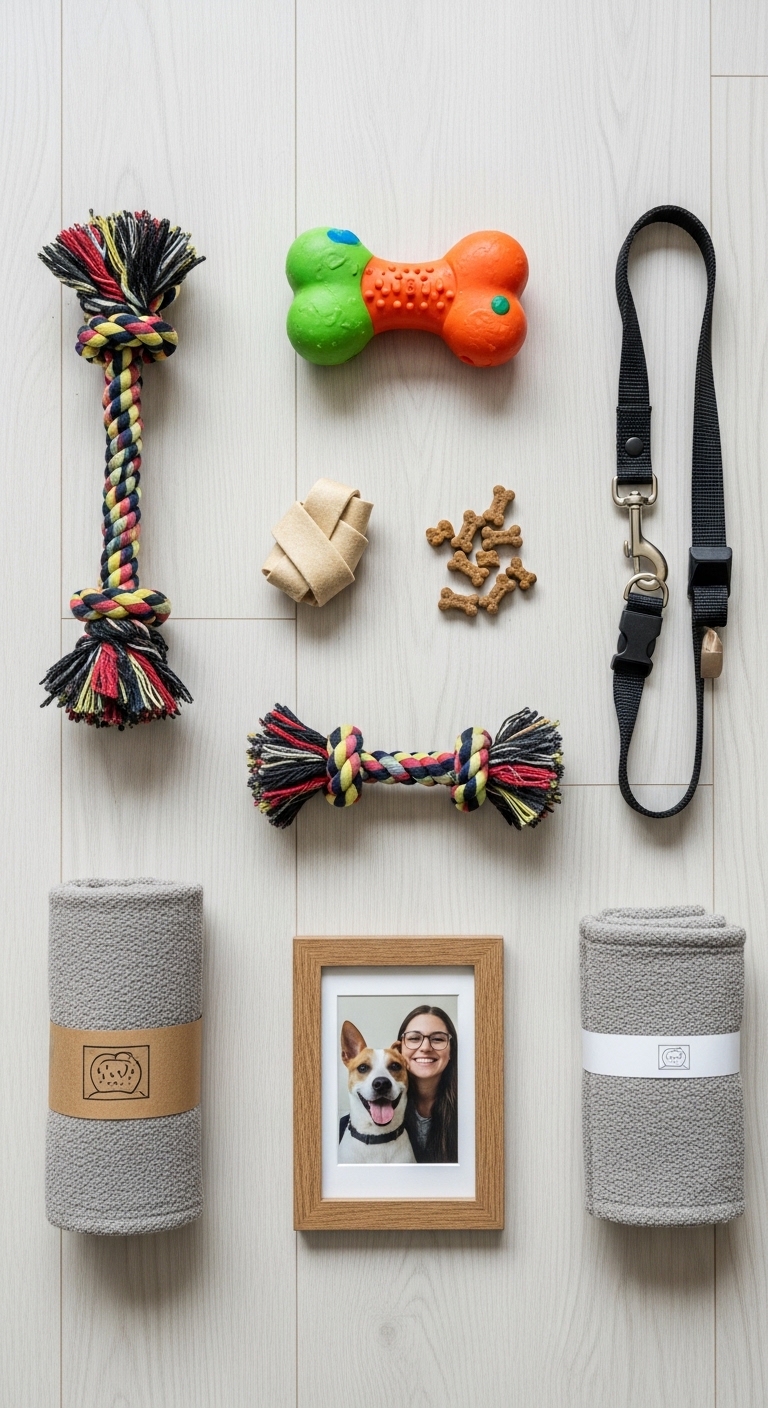
Sometimes the smallest gestures mean the most. If your dog brings you a random sock or shoe, it’s not just because they like your scent—it’s their way of sharing something they find valuable with you. Even if it’s an inconvenient gift, try not to scold them. Instead, redirect their attention to a toy and praise them when they bring that instead. This reinforces positive behavior and strengthens your bond.
Another often-overlooked sign of love is when your dog sighs or groans when they settle down next to you. It’s a sound of contentment, similar to how humans might sigh when they’re relaxed. If your dog does this when you’re sitting together, it’s a clear indication they feel safe and happy in your presence. These little moments add up to a deep, meaningful relationship over time.
Recognizing these signs of affection deepens the bond with your dog and helps you respond to their emotional needs more effectively.
Frequently Asked Questions
- → How do dogs typically show they love you?
Dogs often show love through wagging tails, leaning against you, bringing toys, maintaining eye contact, or gently nudging you with their nose. Some may also lick your face or sleep close to you.
- → Why does my dog follow me everywhere?
Following you everywhere is a sign of attachment and affection. Dogs are pack animals and see you as part of their family, so they want to stay close for safety and companionship.
- → Can dogs feel love the same way humans do?
While dogs experience love differently than humans, research shows they form strong emotional bonds with their owners. Their brains release oxytocin, the 'love hormone,' when interacting with you.
- → How can I tell if my dog is happy to see me?
Signs of happiness include tail wagging, jumping up, barking excitedly, or bringing you a toy. Some dogs may also spin in circles or lick your hands as a greeting.
- → Do dogs show love differently based on breed?
Yes, some breeds are more affectionate than others. For example, Labrador Retrievers and Golden Retrievers are known for their loving nature, while more independent breeds may show affection differently, like sitting close rather than cuddling.
- → Why does my dog sigh when I pet them?
Sighing often indicates contentment and relaxation. When your dog sighs during petting, it’s usually a sign they feel safe and happy in your company, similar to how humans sigh when relaxed.
- → How can I strengthen my bond with my dog?
Spend quality time together through play, training, and cuddles. Regular walks, positive reinforcement, and understanding their needs will deepen your connection and show your dog they can trust you.