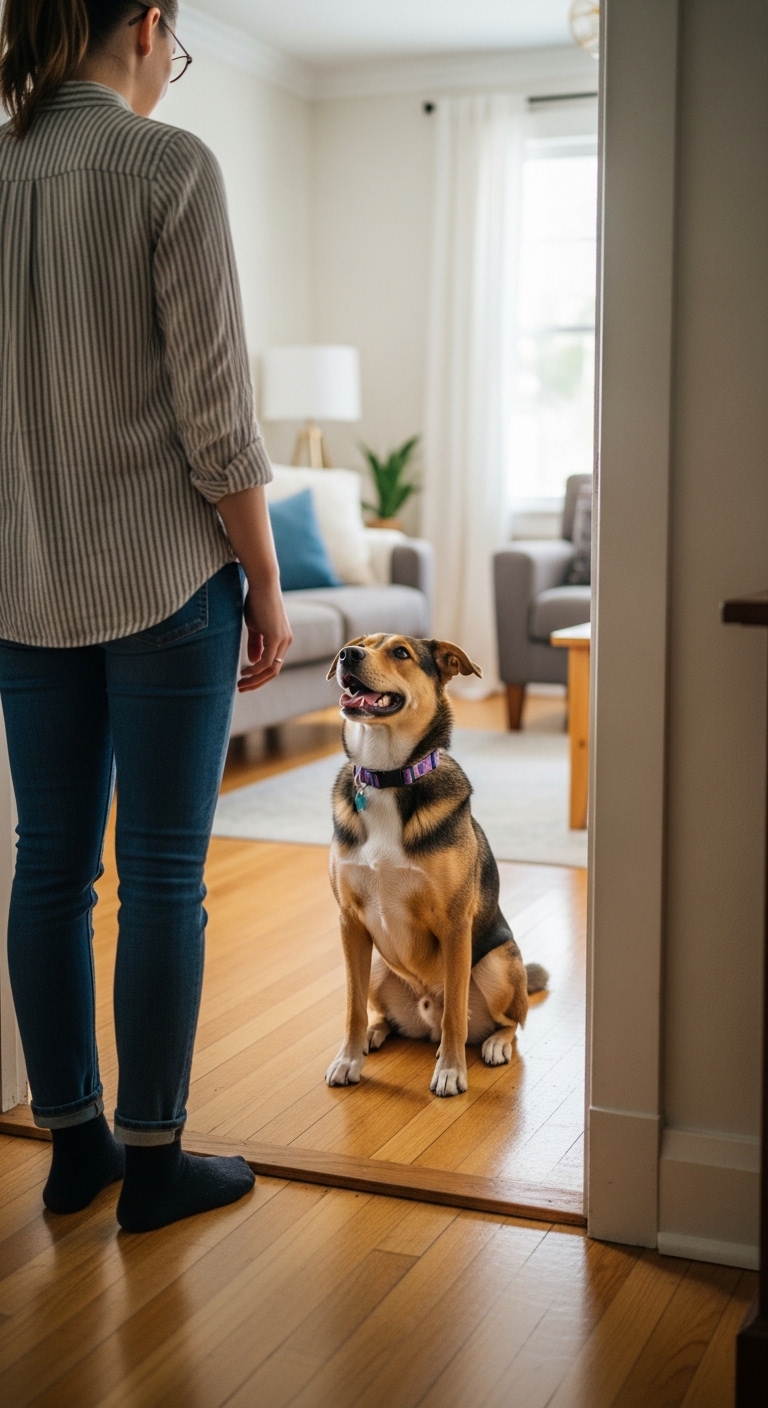
Why dogs tilt their head is one of those quirky behaviors that feels almost human—like they’re trying to understand every word you say. It’s not just adorable; it’s a sign of how deeply dogs engage with us. When your dog tilts their head while you’re talking, they’re likely trying to process your tone, match your facial expressions, or even figure out where a sound is coming from. This behavior matters because it shows how attuned they are to our emotions and routines, making it a small but meaningful part of their communication with us.
I’ve noticed my own dog does this more when I’m excited or using a higher-pitched voice—almost like he’s trying to mimic the energy I’m giving off.
Key Things to Understand
- Head tilts in dogs often happen when they hear something new or unexpected: This is their way of adjusting their hearing and vision to get a better sense of what’s going on around them.
- A tilt can also indicate curiosity or confusion: Especially if your dog is trying to figure out your facial expressions or the source of a sound.
- Some dogs tilt their heads more frequently than others: Which isn’t necessarily a cause for concern unless it’s paired with other unusual behaviors.
- If the tilting becomes excessive or is accompanied by shaking, scratching, or loss of balance: It could signal an ear infection or other health issue that needs attention.
What to Look For
Pay attention to the context in which your dog tilts their head. If it happens when you’re speaking in a high-pitched voice or when they hear a squeaky toy, it’s likely just their way of tuning in more closely. Notice if the tilt is accompanied by other behaviors, like perking up their ears or wagging their tail, which suggests they’re engaged and curious. On the other hand, if the tilting seems forced or if your dog seems disoriented, it’s worth checking their ears for signs of redness, discharge, or odor. Also, observe if the behavior changes over time—if it becomes more frequent or if your dog seems to tilt their head more on one side than the other, it could be a clue that something isn’t quite right.

I once dismissed my dog’s frequent head tilts as just part of his personality, only to later realize he had an ear infection that needed treatment. It’s easy to overlook small changes in behavior, but paying attention can make a big difference in their health.
Why Some Dogs Tilt More Than Others
Certain breeds are more prone to head tilting due to their physical traits. For example, dogs with long ears or those that are bred for specific jobs, like herding or hunting, may tilt their heads more often as they try to locate sounds or focus on tasks. Age can also play a role—older dogs might tilt their heads more if they’re experiencing hearing loss or cognitive changes. Additionally, dogs that are highly attuned to their owners’ emotions may tilt their heads more frequently as a way to connect with you.
How to Respond When Your Dog Tilts Their Head
When your dog tilts their head, it’s a great opportunity to reinforce positive interactions. Try speaking to them in a calm, clear voice or using a toy that makes a distinct sound to see how they respond. This can help you gauge their level of engagement and whether their tilting is tied to curiosity or confusion. Avoid reacting with exaggerated excitement every time they tilt, as this might encourage the behavior excessively. Instead, keep your responses natural and observe their reactions over time.
When Head Tilts Could Be a Concern
While head tilts are often harmless, there are times when they might signal a problem. If your dog tilts their head frequently without any clear reason, or if the behavior is paired with signs like loss of balance, head shaking, or changes in appetite, it’s worth a closer look. These could be signs of an ear infection, vestibular disease, or even a neurological issue. Trust your instincts—if something feels off, it’s always better to check with your vet.
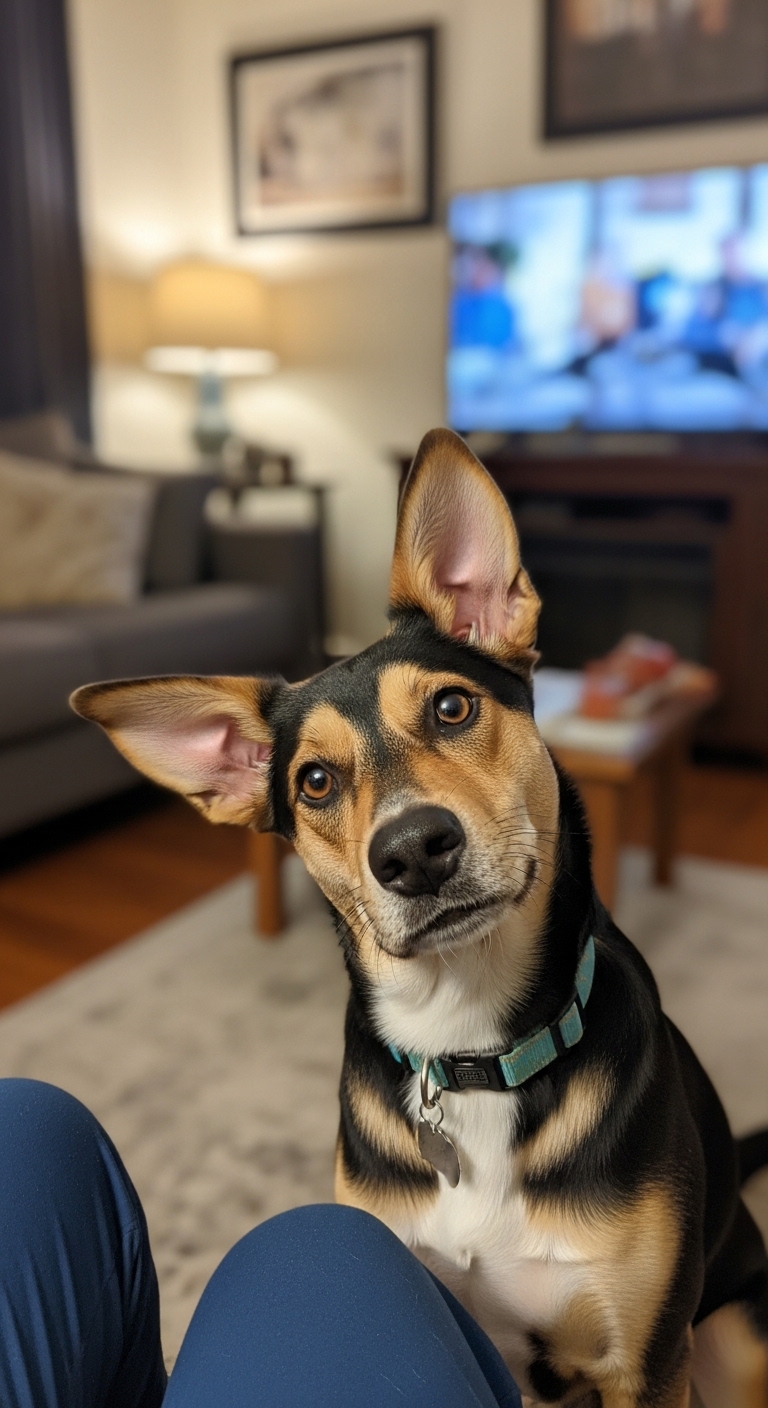
Understanding why dogs tilt their heads gives you a deeper connection to their world and helps you respond better to their needs.
Frequently Asked Questions
- → Why does my dog tilt his head when I talk to him?
Your dog likely tilts his head to better understand your words. The behavior helps him locate the source of sounds and may improve his ability to read your facial expressions. High-pitched, happy tones (common in dog-directed speech) often trigger this response.
- → Is head tilting a sign of intelligence in dogs?
While head tilting doesn't necessarily indicate intelligence, it does show your dog's active engagement with his environment. The behavior demonstrates his effort to process information and communicate with you effectively.
- → Should I be concerned if my dog suddenly stops tilting his head?
Sudden changes in head tilting behavior could warrant attention. If your dog stops this habit abruptly, it might indicate hearing loss, ear infections, or other health issues. Monitor for other symptoms like ear scratching or head shaking.
- → Do certain dog breeds tilt their heads more than others?
Breeds with longer muzzles (like German Shepherds or Collies) tend to tilt their heads more frequently due to their facial structure. However, all dogs may exhibit this behavior, especially when curious or trying to understand human communication.
- → Can head tilting help diagnose health problems in dogs?
While occasional head tilting is normal, persistent or sudden head tilting could signal ear infections, vestibular disease, or neurological issues. Always consult your veterinarian if you notice changes in your dog's behavior or health.
- → Why do dogs tilt their heads when looking at something new?
This behavior helps dogs better process unfamiliar visual and auditory information. The head tilt may improve their depth perception and sound localization when encountering something new or interesting in their environment.