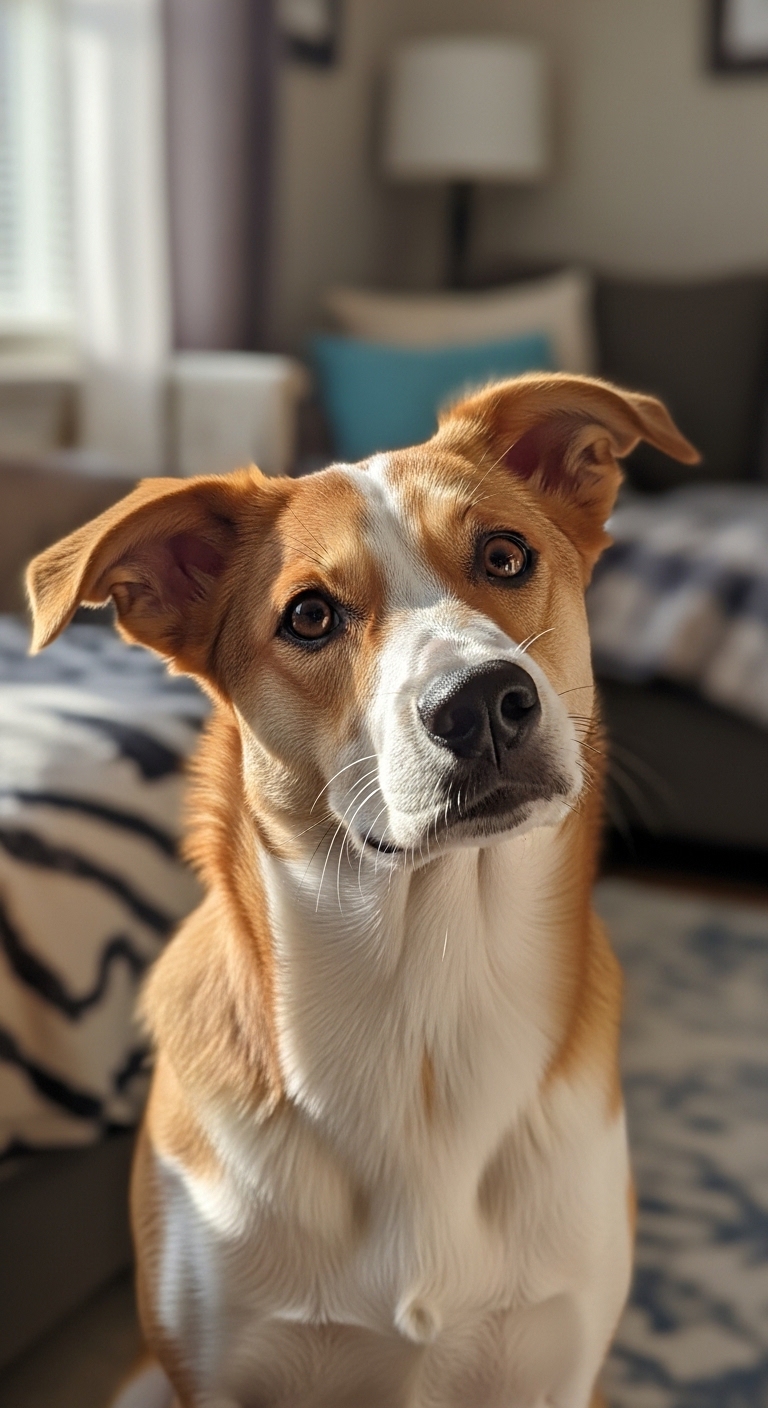
Walking your dog should be a pleasant experience, but when your pup constantly tugs at the leash, it can turn into a frustrating daily struggle. A strong puller can make walks exhausting, less enjoyable, and even unsafe if they lunge toward traffic or other dogs. Learning how to correct this behavior not only makes outings smoother but also strengthens the bond between you and your dog by teaching them to follow your lead.
I still remember the first time my rescue dog, Max, nearly yanked me off my feet during a walk. It took patience and consistency, but once he learned loose-leash walking, our neighborhood strolls became something we both looked forward to.
Key Things to Understand
- A dog that pulls on the leash often lacks proper leash manners: and needs training to understand walking etiquette
- Using a front-clip harness: can redirect their forward motion and reduce strain on both of you
- Consistency is key: every single walk, or the dog will revert to old habits
- Rewarding calm behavior: with treats or praise reinforces the right way to walk
- Some dogs pull due to excitement, fear, or pent-up energy: that needs to be managed
What to Look For
Notice when your dog starts to pull. It might be right at the beginning of the walk when they’re excited or when they spot another dog or squirrel. Pay attention to their body language—tensed muscles, a stiff leash, or a focused gaze usually signal an impending pull. If you feel the leash tighten, that’s your cue to stop walking immediately. The moment they ease up and the leash loosens, reward them with a treat or verbal praise. Over time, they’ll learn that pulling doesn’t get them where they want to go faster.
Also observe how your dog reacts to different types of gear. A standard collar might not give you enough control, especially if your dog is strong or easily distracted. A no-pull harness with a front clip can gently guide their body back toward you without causing discomfort. Test different options to see what works best for your dog’s size and temperament.
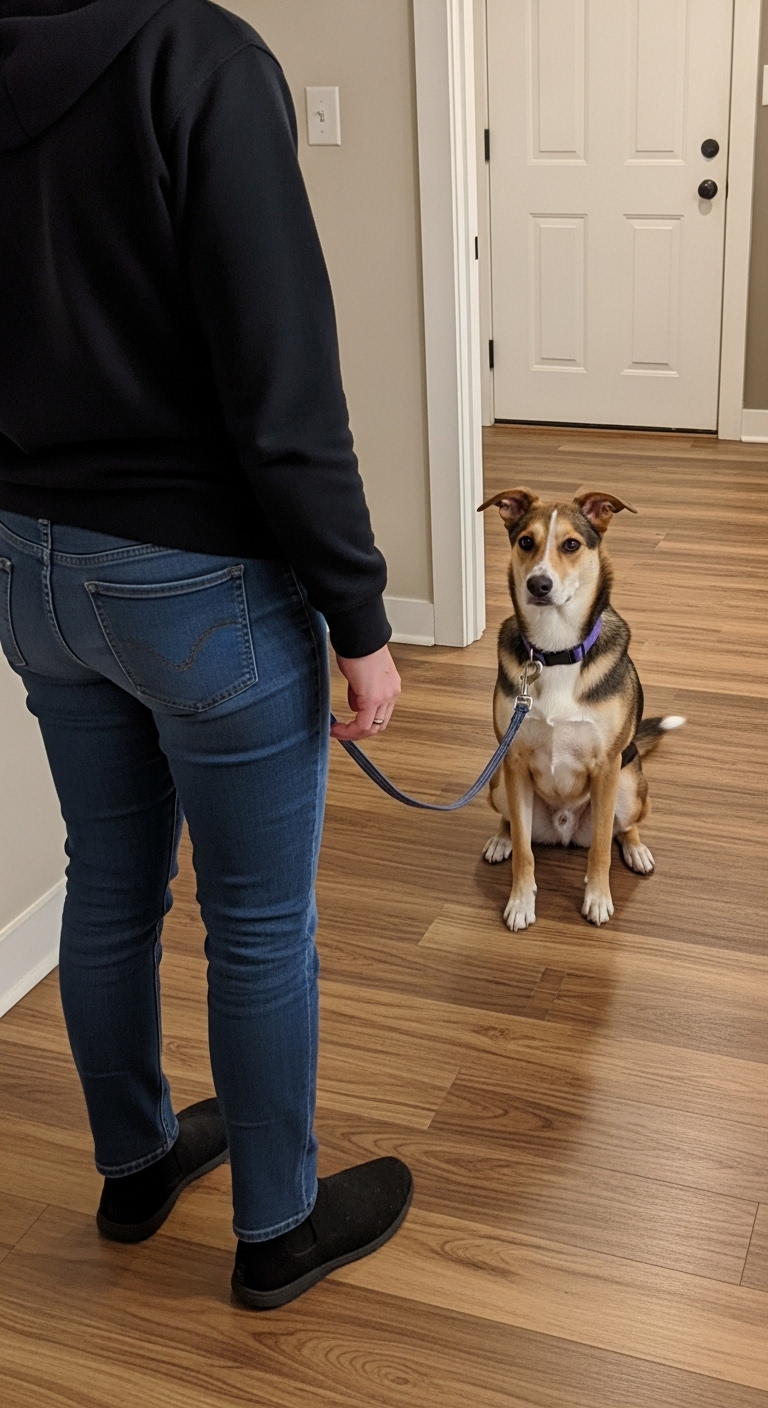
I once saw a dog owner yank the leash every time their dog pulled, only to make the problem worse. The dog started associating pulling with excitement because the owner’s reaction became part of the game. Instead, staying calm and stopping when the leash tightens teaches the dog that pulling doesn’t work. It’s a small shift in approach but makes a big difference over time.
Daily care habits
Incorporate leash training into your daily routine, even if it’s just for a few minutes. Start indoors where distractions are minimal, and practice walking in a straight line or making gentle turns. Reward your dog for staying by your side, even if they only do it for a few steps at first. Gradually increase the difficulty by moving to quieter outdoor areas before tackling busier streets.
Choosing the right product
Not all harnesses or leashes are created equal. A front-clip harness works well for dogs that pull forward, while a back-clip harness is better for dogs that don’t pull but need gentle guidance. Avoid retractable leashes for training, as they encourage pulling by giving the dog more freedom to move ahead. A standard 4-6 foot leash made of nylon or biothane is usually the best choice for control and durability.
Safety and comfort
Always check your dog’s gear before walks to ensure it’s secure and not causing chafing or irritation. A harness that’s too tight can restrict breathing, while one that’s too loose might slip off. If your dog has a tendency to lunge or bolt, consider a double-ended leash that attaches to both a harness and collar for extra security. Never use a prong or choke collar as a first resort—these can cause pain and damage your dog’s trust.
If you stick with it, your dog will eventually learn that walking politely gets them where they want to go without the struggle. It’s not about forcing them to behave—it’s about guiding them to make better choices.
Frequently Asked Questions
- → Why does my dog pull on the leash?
Dogs pull on the leash due to excitement, curiosity, or a desire to explore. Some breeds are naturally more energetic and may pull more than others. Understanding the root cause helps in addressing the behavior effectively.
- → What equipment helps stop leash pulling?
A front-clip harness or head halter can significantly reduce pulling by redirecting your dog's attention and limiting their pulling power. These tools are designed to discourage pulling without causing discomfort.
- → How do I train my dog to walk without pulling?
Start in a quiet area and reward your dog with treats and praise when they walk beside you with a loose leash. Stop walking if they pull and only move forward when the leash is slack. Consistency and patience are essential for success.
- → Can pulling on the leash harm my dog?
Yes, constant pulling can cause neck and throat injuries, especially in small or brachycephalic breeds. Using the right equipment and training techniques can prevent these issues and make walks more enjoyable for both you and your dog.
- → How long does it take to stop leash pulling?
The time it takes varies depending on your dog's age, breed, and temperament. Some dogs improve within a few weeks, while others may take months. Consistency and positive reinforcement are key to faster results.
- → Should I use a retractable leash?
Retractable leashes are not recommended for dogs that pull, as they encourage pulling behavior by allowing the dog to move far ahead. A standard leash or front-clip harness is a better choice for training purposes.