Jumping is one of the most common yet frustrating behaviors dogs show when greeting people. It’s not just about muddy paws on clothes—it’s a dog’s way of saying hello, asking for attention, or even trying to establish dominance. Left unchecked, this habit can turn simple visits into chaotic moments, especially with larger breeds or excitable pups. The good news is that with consistency and the right approach, most dogs can learn to greet people politely without jumping.
Think of it like this: your dog isn’t trying to be rude—they’re just excited. The key is showing them a better way to channel that excitement.
Key Things to Understand
- Learned behavior: Jumping is often a learned behavior reinforced by attention, even if it’s negative attention like pushing the dog away or yelling.
- Instinctive social bonding: Dogs jump because they want to reach your face, smell you, or get closer to you—it’s instinctive for social bonding.
- Breed tendencies: Some breeds are naturally more prone to jumping due to their high energy or breeding history, like herding or working dogs.
- Effective ignoring: Ignoring the jumping completely is more effective than reacting emotionally, because any reaction can feel like a reward to your dog.
What to Look For
Pay attention to the moments when your dog jumps the most. Is it when you come home after work, when guests arrive, or during playtime? These patterns tell you when your dog is most excited and needs extra guidance. Notice their body language too—ears perked up, tail wagging wildly, and a loose, bouncy posture usually mean they’re in a high-energy state ready to jump.
Also watch how people around your dog respond. If visitors laugh or push the dog down when they jump, they might accidentally be rewarding the behavior without realizing it. Even negative attention can reinforce jumping if your dog craves any kind of interaction.
A common mistake is giving mixed signals. If you sometimes allow jumping but other times scold your dog, they won’t understand what’s expected. Another thing to remember is that puppies jump more because they’re still learning how to control their impulses. Start training early so jumping doesn’t become a habit.
Daily care habits
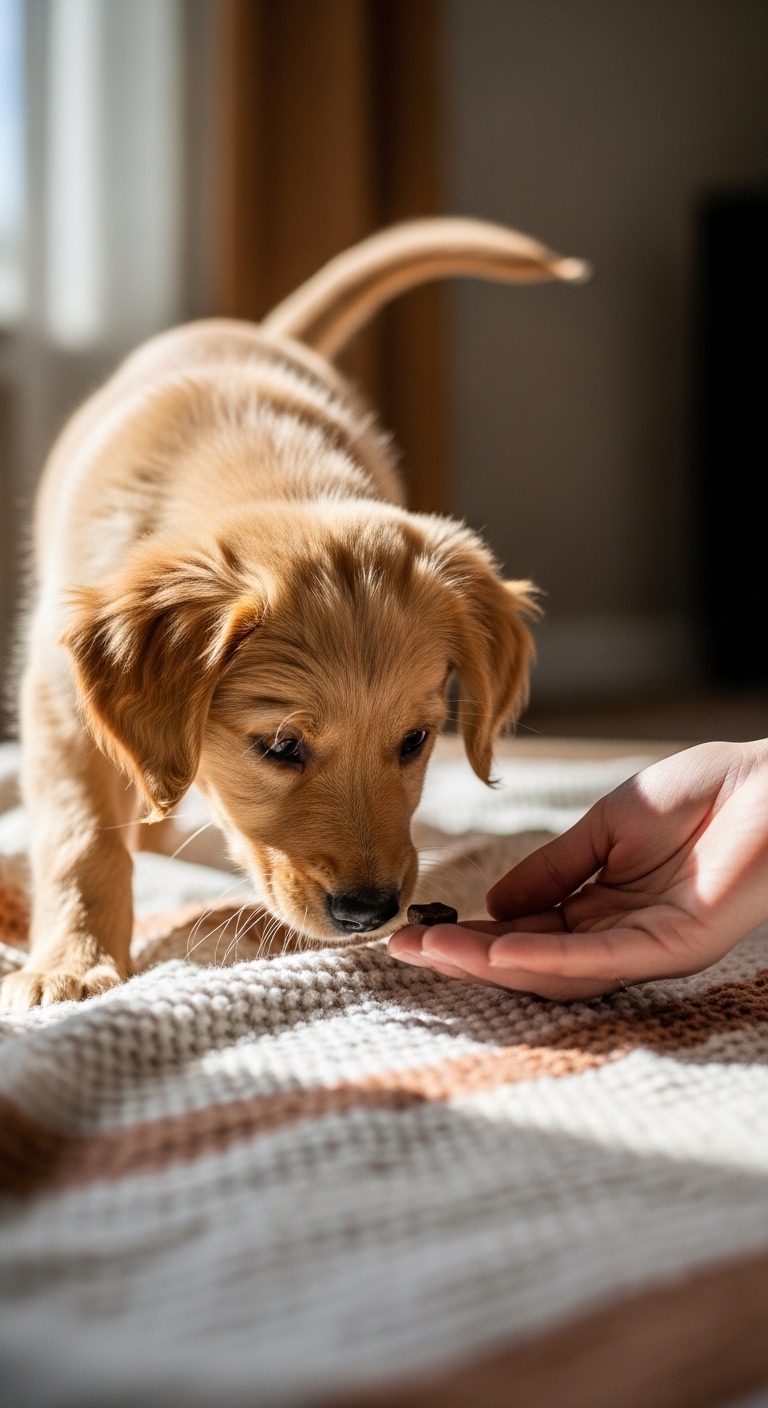
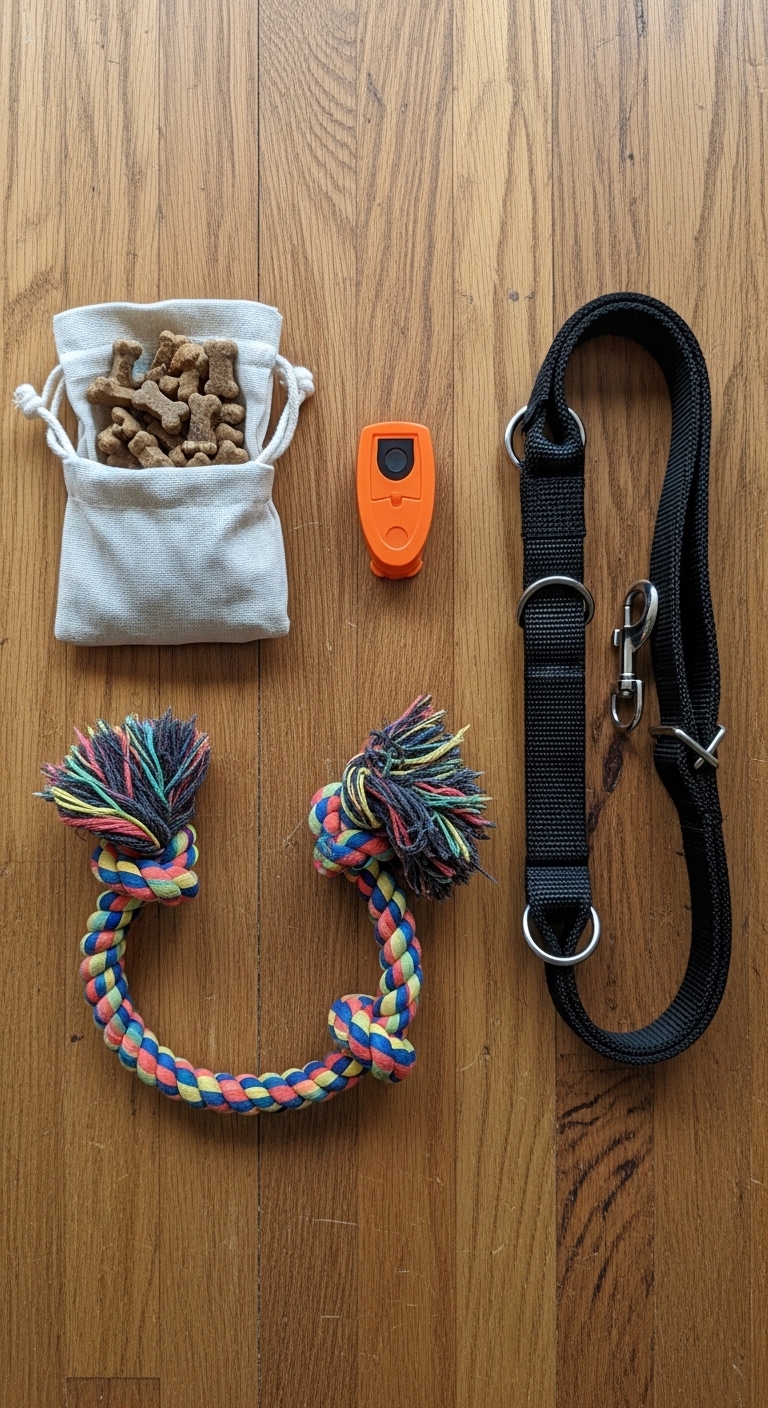
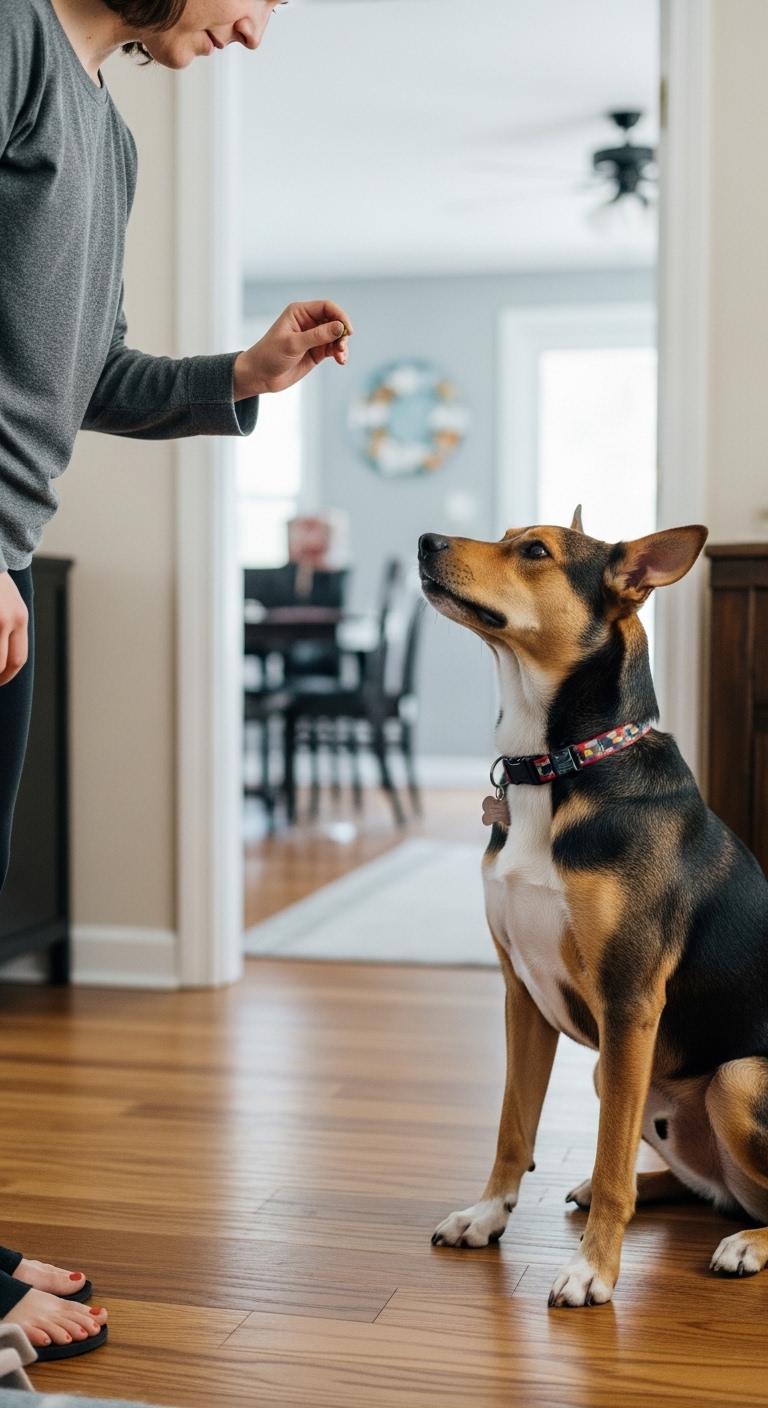
Teach your dog an alternative greeting behavior like sitting or offering a paw when someone approaches. Reward this calm behavior immediately with treats or praise. Practice this routine every time you or someone else enters the house so your dog learns that sitting gets attention, not jumping.
Use leash training indoors to gently guide your dog into a sit when guests arrive. A short leash helps you control their movements without causing discomfort. If your dog is too excited to focus, take them for a quick walk or play session first to burn off some energy before practicing greetings.
Safety and comfort
Never use methods that could hurt your dog, like stepping on their paws or using prong collars to stop jumping. These can create fear or aggression, making the problem worse. Instead, focus on positive reinforcement and redirecting their energy.
If your dog jumps on children or elderly people, it’s especially important to manage the situation. Teach kids to turn away and ignore the dog completely when it jumps, rewarding only calm behavior. This protects vulnerable family members while teaching your dog appropriate greetings.
Training takes time, but the effort pays off when your dog greets people with all four paws on the ground. Stick with it, stay patient, and soon your dog will understand that jumping isn’t the way to say hello.
Frequently Asked Questions
- → Why does my dog jump on people?
Dogs jump to greet people, seek attention, or express excitement. It’s a natural behavior, but it needs to be managed to prevent accidents or discomfort for others.
- → How can I stop my dog from jumping on guests?
Train your dog to sit before greeting people. Reward calm behavior and ignore jumping completely. Use leashes or barriers initially to prevent access until they’re trained.
- → Is it okay to push my dog down when they jump?
No, pushing can encourage more jumping as it becomes a game. Instead, turn away and ignore them until they settle, then reward calm behavior.
- → How long does it take to train a dog to stop jumping?
With consistent training, most dogs show improvement within a few weeks. Some may take longer, especially if jumping has been reinforced for a long time.
- → Can I use treats to stop my dog from jumping?
Yes, treats are a great tool. Reward your dog with treats only when they’re sitting or standing calmly. Pair treats with verbal praise for best results.
- → What if my dog jumps on me when I come home?
Ignore the jumping completely—no talking, no eye contact. Wait for them to sit, then reward with treats and affection. Repeat this every time you enter to reinforce calm behavior.