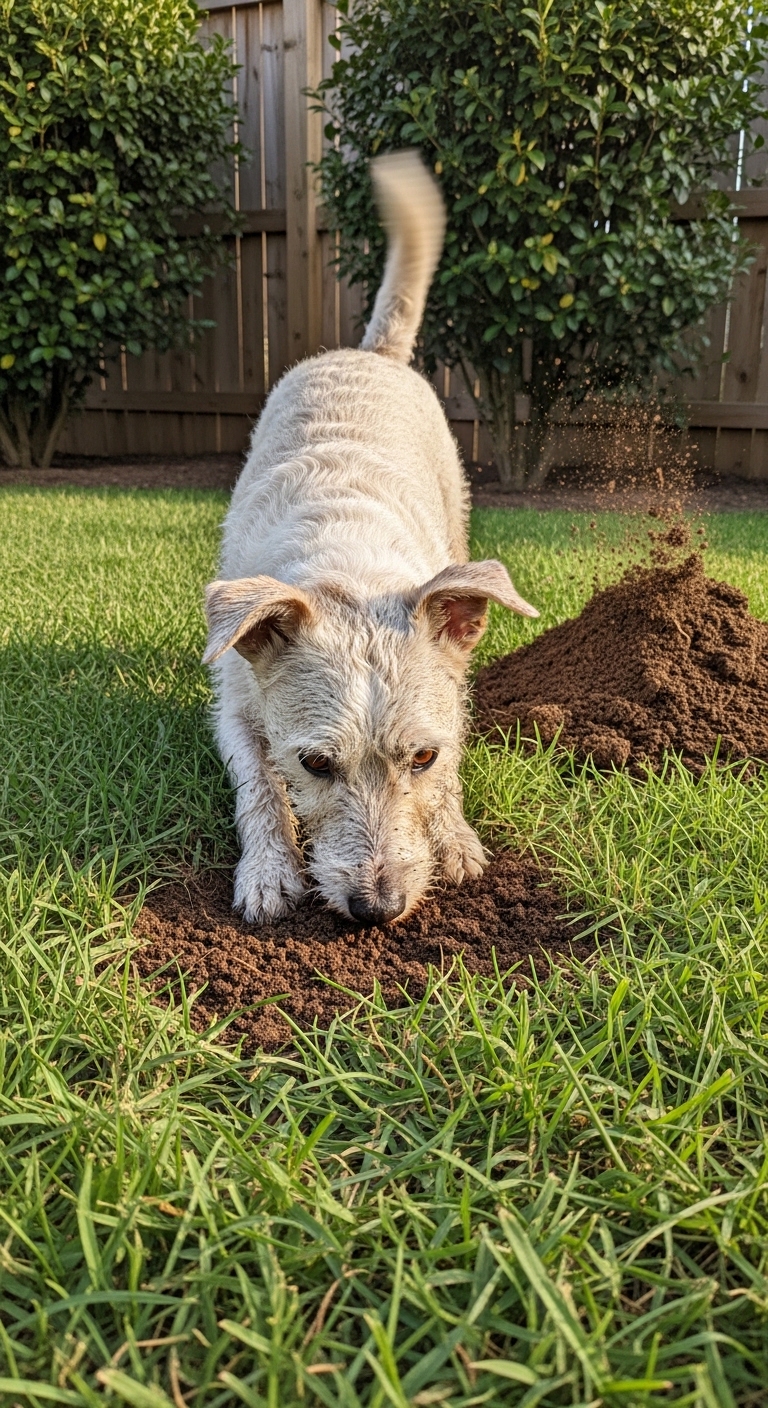
Crate training isn’t just about keeping your puppy contained—it’s about giving them a safe space to call their own while making your life easier too. When done right, it helps with potty training, prevents destructive chewing, and reduces anxiety when you’re not home. Most new puppy owners struggle with where to start, how long to leave their pup in the crate, or how to make it feel welcoming. The good news is that with a clear plan, you can speed up the process and avoid common pitfalls that slow down progress.
I still remember the first time I left my puppy in the crate for more than 10 minutes—he cried nonstop until I gave in. That taught me the importance of gradual training and not rushing the process.
Key Things to Understand
- A crate should never be used as punishment: it’s a safe den for your puppy
- Start with short sessions: gradually increase time to avoid stress
- Choose the right size crate: so your puppy has room to stand and turn around but not enough to eliminate in one corner
- Use positive reinforcement: like treats and praise to create a positive association
- Watch for signs of distress: like excessive whining or panting, which mean you may need to adjust your approach
What to Look For
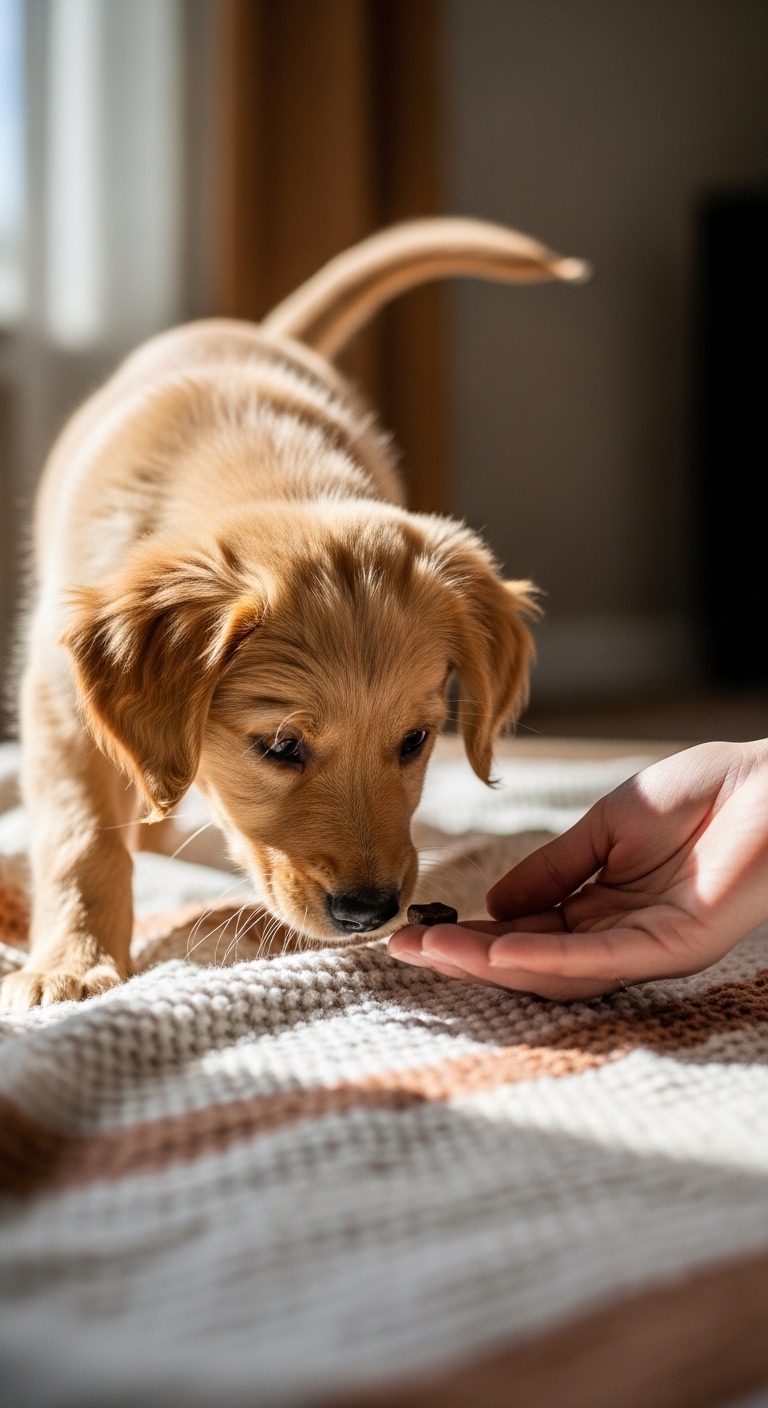
Pay attention to how your puppy reacts when you introduce the crate. Some pups dive right in, while others need time to warm up. Look for signs of curiosity—sniffing, pawing, or even sitting inside for short periods. If your puppy seems hesitant, try tossing treats inside to encourage exploration. Over time, you’ll notice they start going in voluntarily, even without a treat lure.
Another key sign is how your puppy behaves when you leave the room. If they stay calm in the crate while you’re nearby but fuss when you’re out of sight, it’s a sign they’re still adjusting. This is normal, but if the whining lasts for hours, it may mean the crate sessions are too long or the environment isn’t comfortable enough.
I’ve seen too many owners leave their puppies in crates for 8+ hours while they’re at work, thinking it’s fine because the crate is big enough. That’s a recipe for anxiety and accidents. Puppies under 6 months can’t hold their bladder that long, so plan breaks or arrange for someone to let them out midday.
Daily care habits
Start by making the crate inviting. Line it with a soft blanket or a crate pad, and place a few chew toys inside to keep your puppy occupied. Keep the crate in a quiet area where your puppy can still see and hear you—this helps them feel included rather than isolated. If your puppy naps in the crate during the day, that’s a great sign they’re starting to associate it with rest.
Choosing the right product
The crate size matters more than you think. A crate that’s too big can encourage your puppy to eliminate in one corner, while one that’s too small will feel cramped. Measure your puppy from nose to tail when they’re standing, then add 2-4 inches for comfort. For breeds that grow quickly, consider a divider panel so you can adjust the space as they get bigger.
Safety and comfort
Avoid using collars or tags inside the crate—these can get caught and pose a strangulation risk. Skip soft bedding if your puppy is still teething, as they might shred it and swallow pieces. Instead, use a washable mat or a towel they can’t destroy. Also, keep the crate away from direct sunlight or drafts to maintain a comfortable temperature.
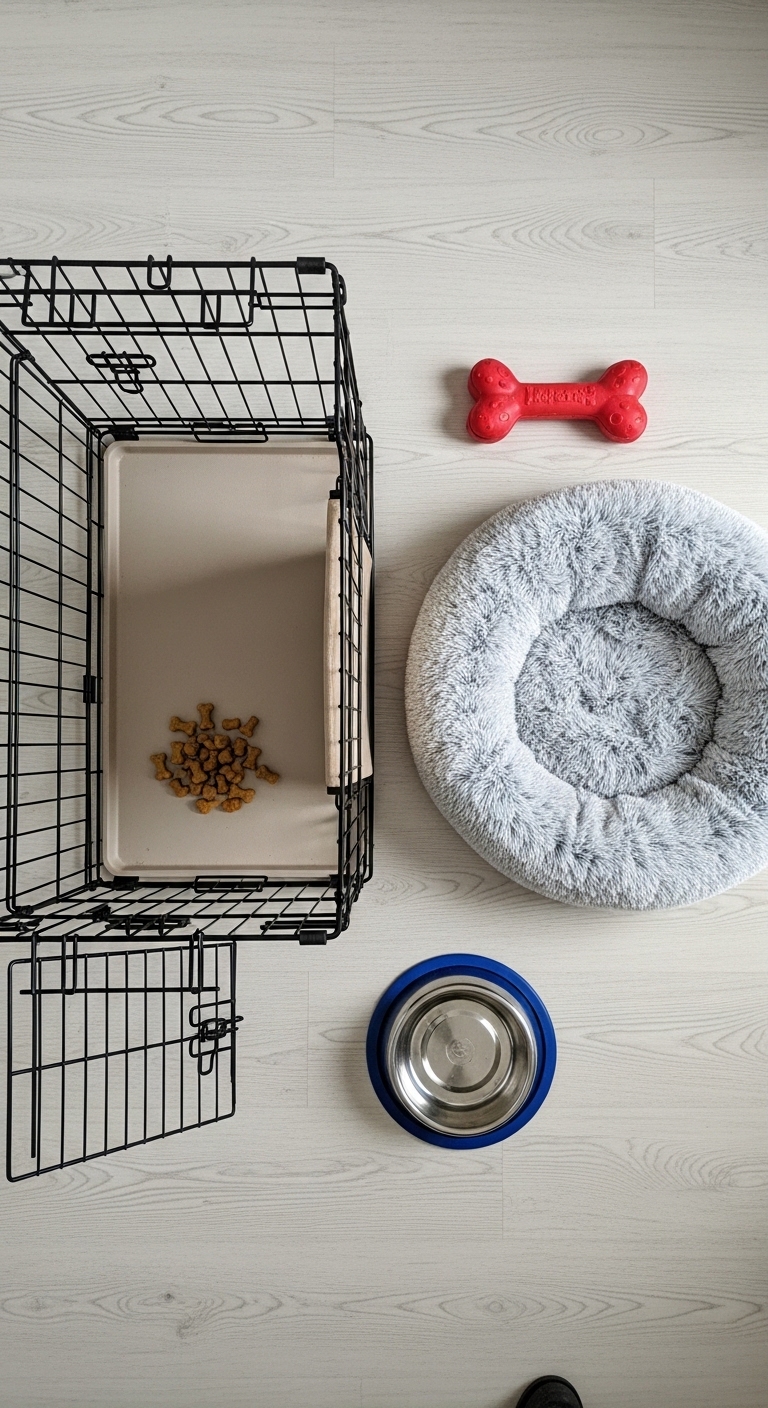
If your puppy panics in the crate, try covering it partially with a light blanket to create a cozier den-like feel. Some pups feel more secure when they can’t see everything around them.
Age specific advice
Young puppies under 8 weeks old may struggle with crate training due to short attention spans. Keep sessions brief and focus on making the crate a positive place. For older puppies, you can extend crate time but always ensure they get plenty of exercise and mental stimulation outside the crate to prevent boredom.
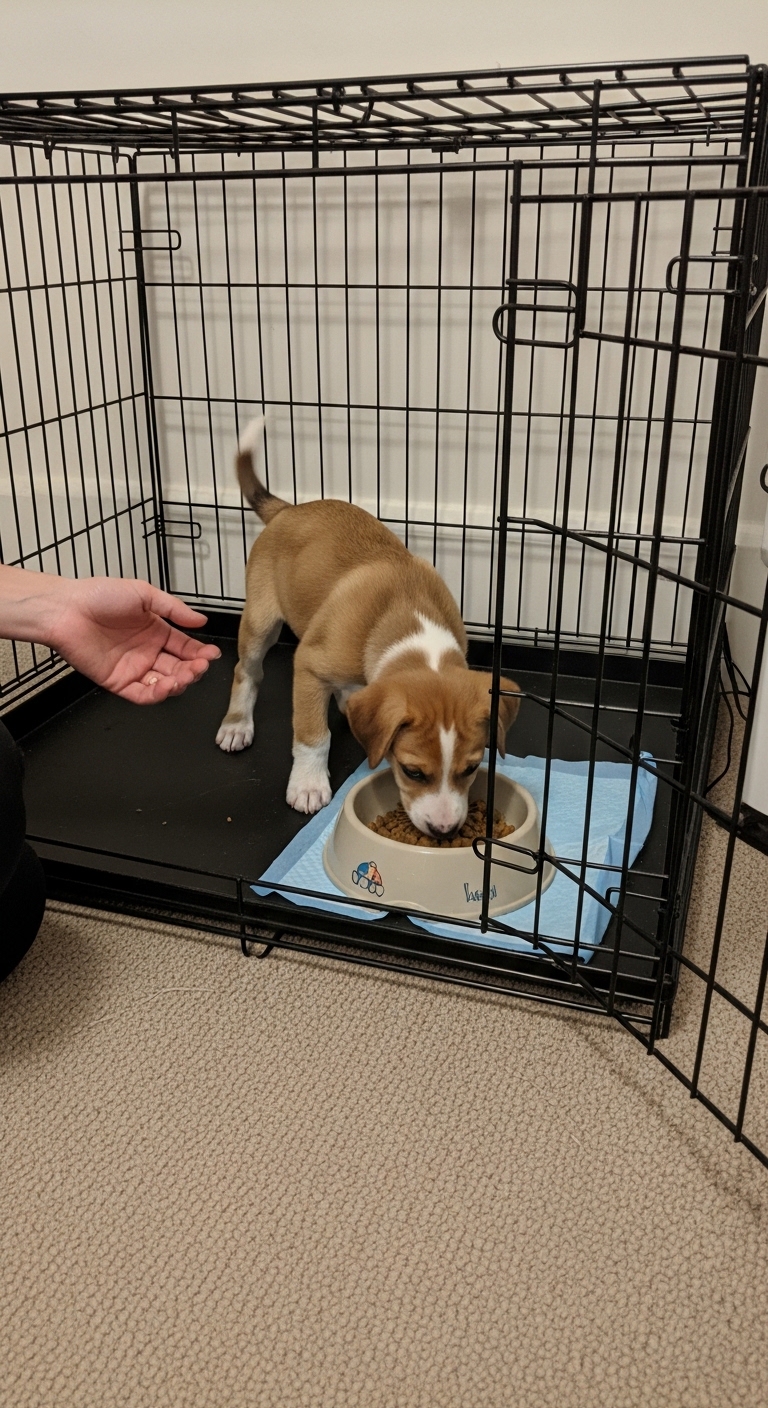
The key to fast crate training is consistency. Stick to a routine, reward calm behavior, and avoid giving in to whining—it teaches your puppy that fussing gets them out faster.
Frequently Asked Questions
- → How long does it take to crate train a puppy?
Most puppies adapt within 3-7 days with consistent training. Smaller breeds or anxious puppies may take longer (up to 2 weeks). Start with 5-10 minute sessions and gradually increase duration as your puppy gets comfortable.
- → What size crate should I get for my puppy?
Choose a crate that allows your puppy to stand, turn around, and lie down comfortably. For growing puppies, opt for a crate with a divider panel to adjust space as they grow. Measure your puppy from nose to tail and add 2-4 inches for comfort.
- → Should I leave water in the crate?
Yes, always provide fresh water, especially for longer sessions. Use a spill-proof bowl or attach a water bottle to the crate door. Monitor your puppy’s water intake to avoid accidents during training.
- → What if my puppy cries in the crate?
Crying is normal at first. Wait for a quiet moment before opening the crate to avoid rewarding the behavior. If crying persists, check for discomfort, hunger, or bathroom needs. Avoid letting them out while crying to prevent reinforcing the habit.
- → Can I crate train an older dog?
Absolutely! Older dogs can learn crate training with patience. Use treats and positive reinforcement to create a positive association. Start with short sessions and gradually increase time. Consult a vet if your dog shows extreme anxiety or stress.
- → How often should I take my puppy out of the crate?
Puppies under 4 months should be taken out every 1-2 hours, including overnight. After 4 months, extend intervals to 3-4 hours. Always take them out after meals, naps, or playtime to reinforce potty training routines.