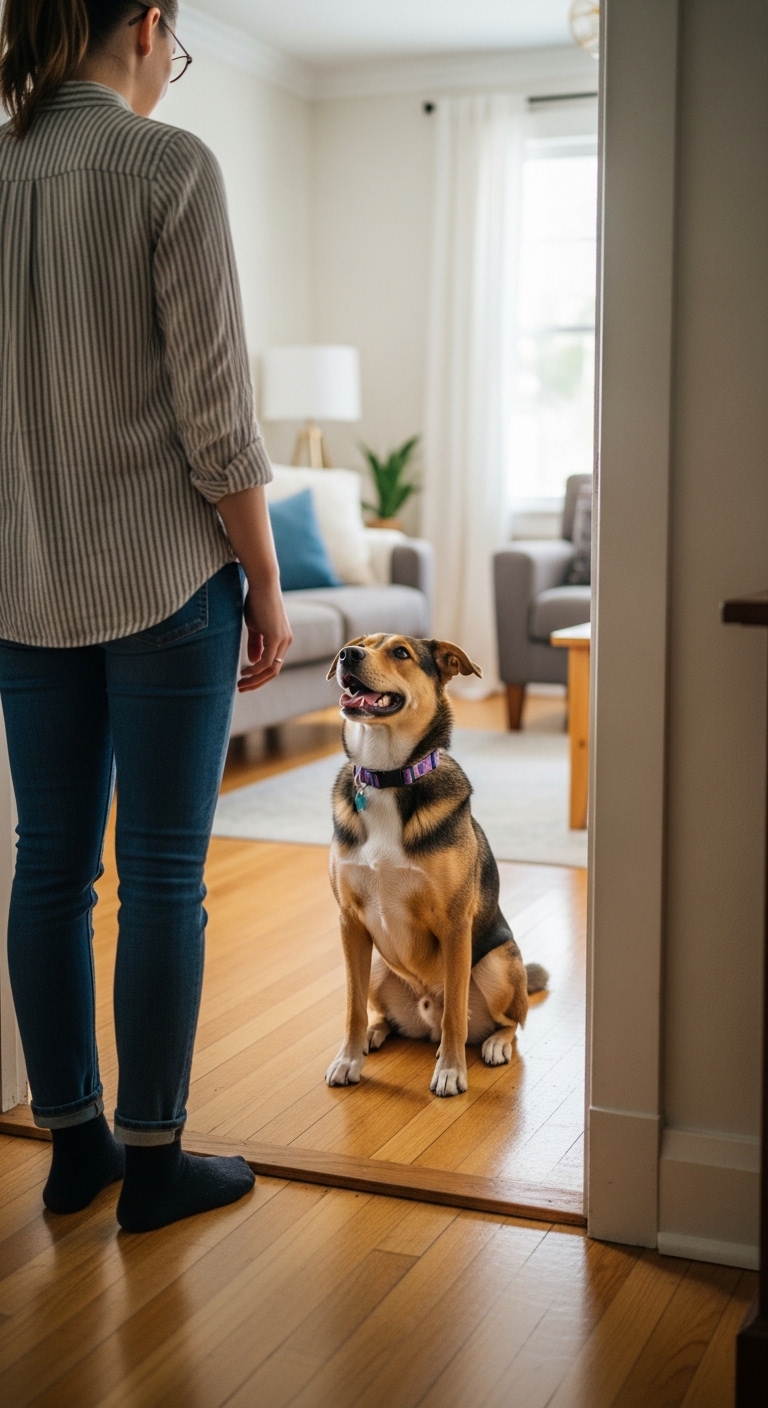
Nighttime barking can turn peaceful evenings into frustrating ones, especially when it feels like nothing you try actually works. For many pet owners, this isn’t just about noise—it’s about sleep, stress, and understanding what your dog needs when the house gets quiet. Whether it’s separation anxiety, boredom, or an overactive alert system, figuring out the root cause makes all the difference in finding a solution that sticks.
It’s easy to feel like you’re failing when nothing works right away. I remember trying white noise machines, extra walks, and even ignoring the barking only to realize my dog was just lonely. Once I adjusted my approach, the nights got quieter—and so did my stress levels.
Key Things to Understand
- Dogs bark at night for different reasons: each one needs a different response. Some are alerting you to something outside, while others are expressing loneliness or discomfort
- Ignoring the barking completely: can sometimes make it worse, especially if your dog is seeking attention or feeling anxious
- Environmental factors: like outdoor noises, lighting changes, or even the temperature in the room can trigger nighttime barking
- Consistency is key: if you give in to demands like letting them sleep in your bed once, they’ll expect it every time
- Older dogs may bark more: due to cognitive changes, while puppies often need to go outside or are adjusting to being alone
What to Look For
Pay attention to when the barking starts and what happens right before it. If it’s always around the same time, like when the neighbors come home or when a certain noise occurs outside, your dog might be reacting to something specific. Notice if the barking stops when you enter the room or if it continues no matter what you do—that tells you whether they’re seeking interaction or if something else is bothering them.
Check your dog’s body language during the day too. A dog that’s panting excessively, pacing, or seems restless before bedtime may carry that energy into the night. On the other hand, if they’re curled up and relaxed but suddenly start barking, it could be a sudden noise or discomfort they’re reacting to.
It’s tempting to assume your dog is just being stubborn, but barking at night is usually a sign they’re trying to communicate something. I once thought my terrier mix was just being difficult until I realized he was barking at shadows on the wall—something I never noticed until I started paying closer attention. Small adjustments, like moving his bed away from the window or adding a nightlight, made a huge difference.
Daily care habits
A tired dog is a quiet dog, but that doesn’t always mean more exercise is the answer. For some dogs, a long evening walk or play session helps them wind down, while for others, it just revs them up. Pay attention to how your dog responds to different types of activity. A gentle sniffing walk around the neighborhood might be more calming than a high-energy game of fetch right before bed.
Consider your dog’s bedtime routine too. Just like humans, dogs benefit from a wind-down period. If you’re rushing them from playtime straight to their crate, they might struggle to settle. Try incorporating a few minutes of calm petting or a chew toy to help them transition from day to night.
Safety and comfort
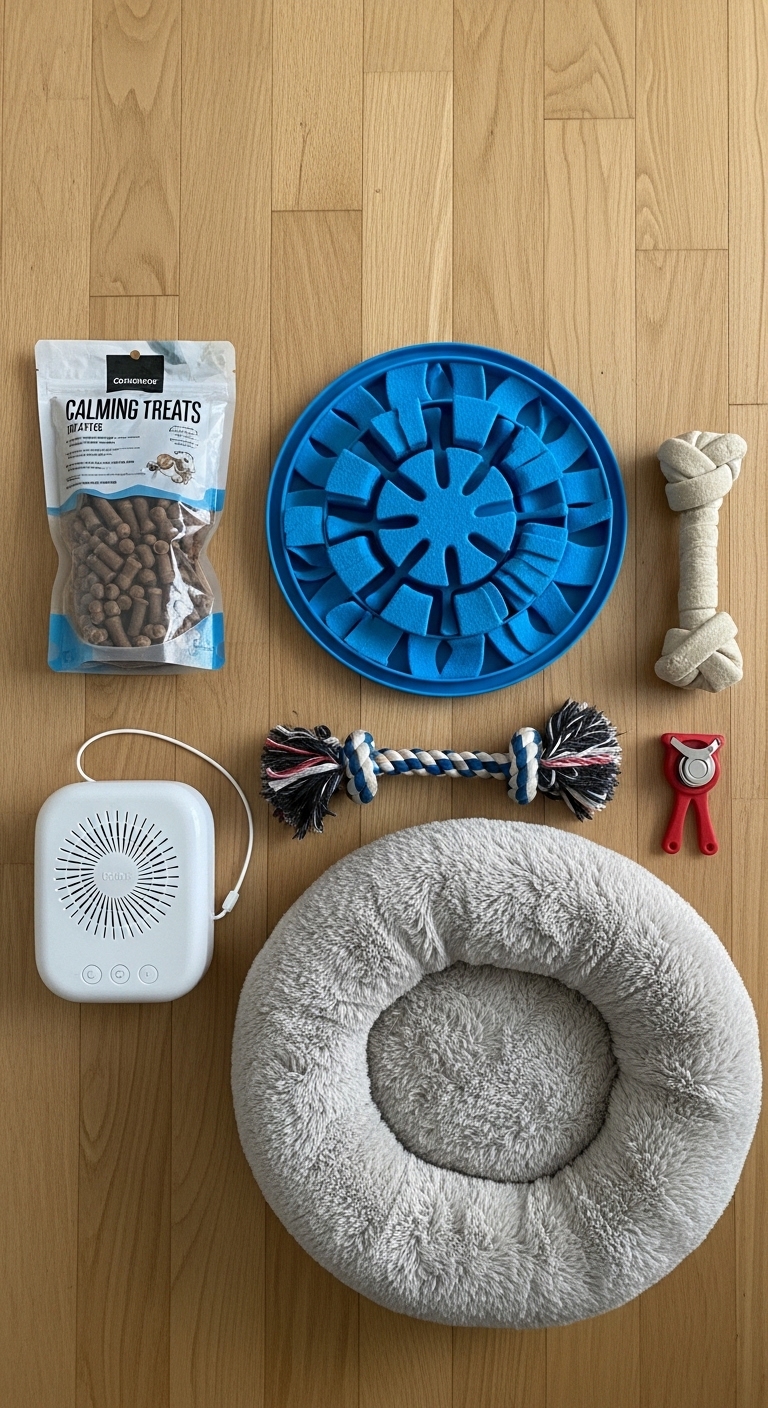
Your dog’s sleeping area should feel secure and cozy. If they’re barking at noises outside, a white noise machine or soft music can help mask sudden sounds. Make sure their bed is in a quiet corner, away from drafts or direct sunlight that might make them uncomfortable. Some dogs feel safer in a covered crate or with a blanket draped over part of it.
Check for anything in their environment that might be causing discomfort, like a too-small bed, a collar that’s too tight, or even a room that’s too warm or cold. Small adjustments here can prevent nighttime restlessness.
Common mistakes to avoid
Waiting until the barking starts to address it usually makes the problem worse. By the time you react, your dog has already learned that barking gets your attention, even if it’s negative. Instead, try to prevent the barking before it starts by ensuring their needs are met earlier in the evening.
Another mistake is assuming your dog will eventually stop on their own. While some puppies grow out of nighttime barking, many dogs develop habits that stick around if not addressed. Early intervention saves you—and your dog—from months of slepless nights.
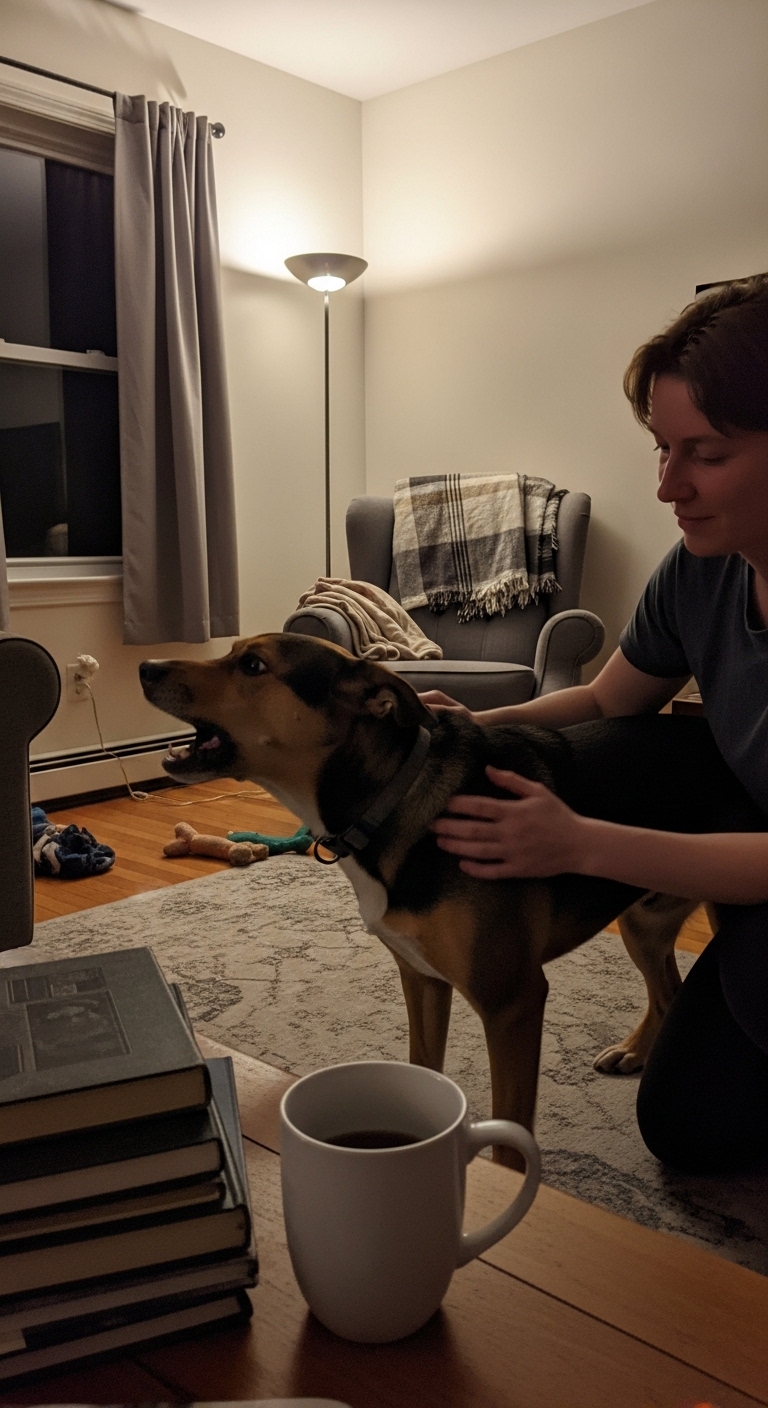
Understanding your dog’s nighttime barking is the first step to quieter nights for both of you. Small, thoughtful changes often make the biggest difference.
Frequently Asked Questions
- → Why does my dog bark excessively at night?
Dogs may bark due to loneliness, anxiety, pain, or external stimuli like noises or lights. Assess their environment and health to pinpoint the cause.
- → Are there natural remedies to calm nighttime barking?
Yes! Try lavender sprays, pheromone diffusers, or calming chews. Ensure they’ve had enough exercise and a cozy sleeping area to reduce stress.
- → Should I ignore my dog’s nighttime barking?
Ignoring barking can work if it’s attention-seeking, but first rule out pain or distress. Use positive reinforcement when they’re quiet to encourage calm behavior.
- → Can diet affect my dog’s nighttime barking?
Yes. A balanced diet supports overall health and can reduce anxiety. Avoid late-night meals and opt for calming ingredients like chamomile or tryptophan-rich foods.
- → How long does it take to stop nighttime barking?
Consistency is crucial. Some dogs respond within days, while others may take weeks. Combine training, routine adjustments, and calming aids for best results.
- → Is crate training helpful for nighttime barking?
Crate training can provide security if introduced properly. Ensure the crate is comfortable and never used as punishment. Gradually acclimate your dog to it.