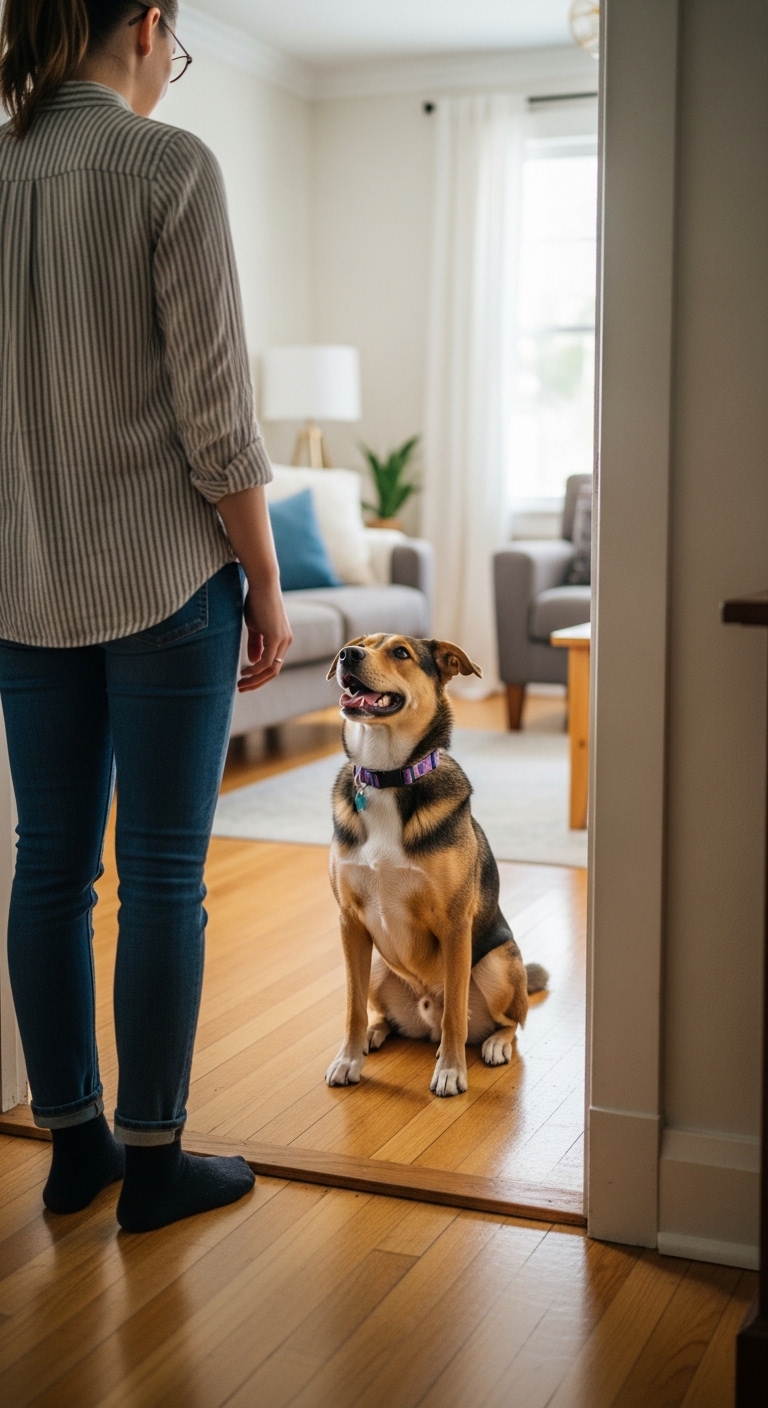
How to socialize a puppy isn’t just about playdates and meeting new people—it’s about setting the foundation for a confident, well-adjusted dog for life. Puppies learn so much in their first few months, and how you guide those experiences shapes their behavior as adults. Whether you’re bringing home a new furry friend or helping an existing pup grow into a relaxed companion, getting socialization right early prevents fear, aggression, and unnecessary stress later.
I still remember bringing my first puppy to the park too soon—he was overwhelmed by the noise and chaos, and it took weeks to rebuild his confidence. Starting small and keeping experiences positive made all the difference.
Key Things to Understand
- Socialization isn’t just about exposure—it’s about positive experiences Puppies learn best when new things feel safe and rewarding, not forced or scary.
- Puppies have a critical window between 8 and 16 weeks where new experiences feel less intimidating, making this the ideal time for socialization.
- Overwhelming a puppy with too much too soon can backfire and create lasting fear, so gradual exposure is key.
- Body language like tucked tails, whale eye, or lip licking signals stress, while loose, wagging tails indicate comfort.
- Socialization includes people, dogs, sounds, surfaces, and environments—not just interactions with other puppies.
What to Look For
Watch for signs that your puppy is comfortable or uncomfortable during new experiences. A relaxed posture with a loose, wagging tail means they’re feeling okay, while stiff movements, hiding, or excessive yawning suggest stress. Notice how your puppy reacts to different types of people—some may prefer men with beards, while others feel safer with women or children. Pay attention to their response to sounds like vacuum cleaners, traffic, or doorbells, as these can shape their reactions later. If your puppy freezes or avoids interaction, it’s a sign to slow down and make the experience smaller or more positive.
A common mistake is waiting until after vaccinations to start socialization, which can mean missing the critical window. I once met a dog owner who waited until their pup was four months old to introduce them to new people, and by then, the dog had already developed fear responses to strangers. Another reminder is that socialization isn’t a one-time event—it’s an ongoing process that continues well into adulthood.
Daily care habits
Make socialization part of your daily routine by introducing one new experience at a time. Start with quiet, controlled environments like your backyard or a friend’s house with a calm dog. Gradually add new surfaces like grass, gravel, or tile floors to walk on. Keep sessions short—10 to 15 minutes is plenty for young puppies—to prevent overwhelm. Pair new experiences with treats or praise to create positive associations.
Choosing the right product
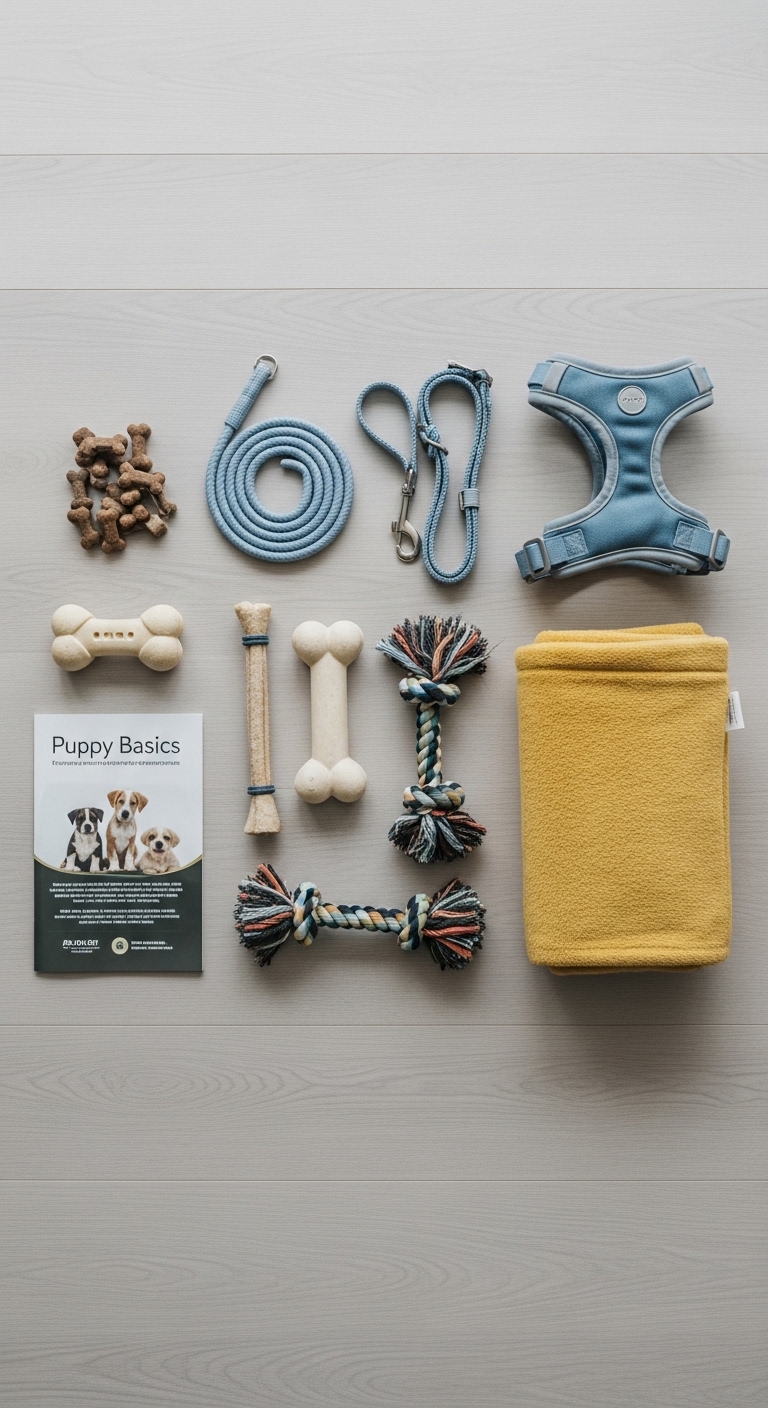
A well-fitted harness makes walks less stressful for a socializing puppy, as it gives you better control without pulling on their delicate necks. Look for adjustable straps and lightweight materials that won’t irritate their skin. Avoid retractable leashes during socialization, as they can encourage pulling and limit your ability to guide your puppy safely. A treat pouch with small, soft treats helps reinforce good behavior on the go.
Safety and comfort
Always prioritize safety by avoiding areas with unknown dogs or high traffic until your puppy is fully vaccinated. Use a secure leash and harness in public spaces to prevent escapes or unwanted interactions. Watch for signs of fatigue or stress, like excessive panting or avoiding eye contact, and give your puppy a break. If your puppy seems overwhelmed, remove them from the situation calmly and try again another day.
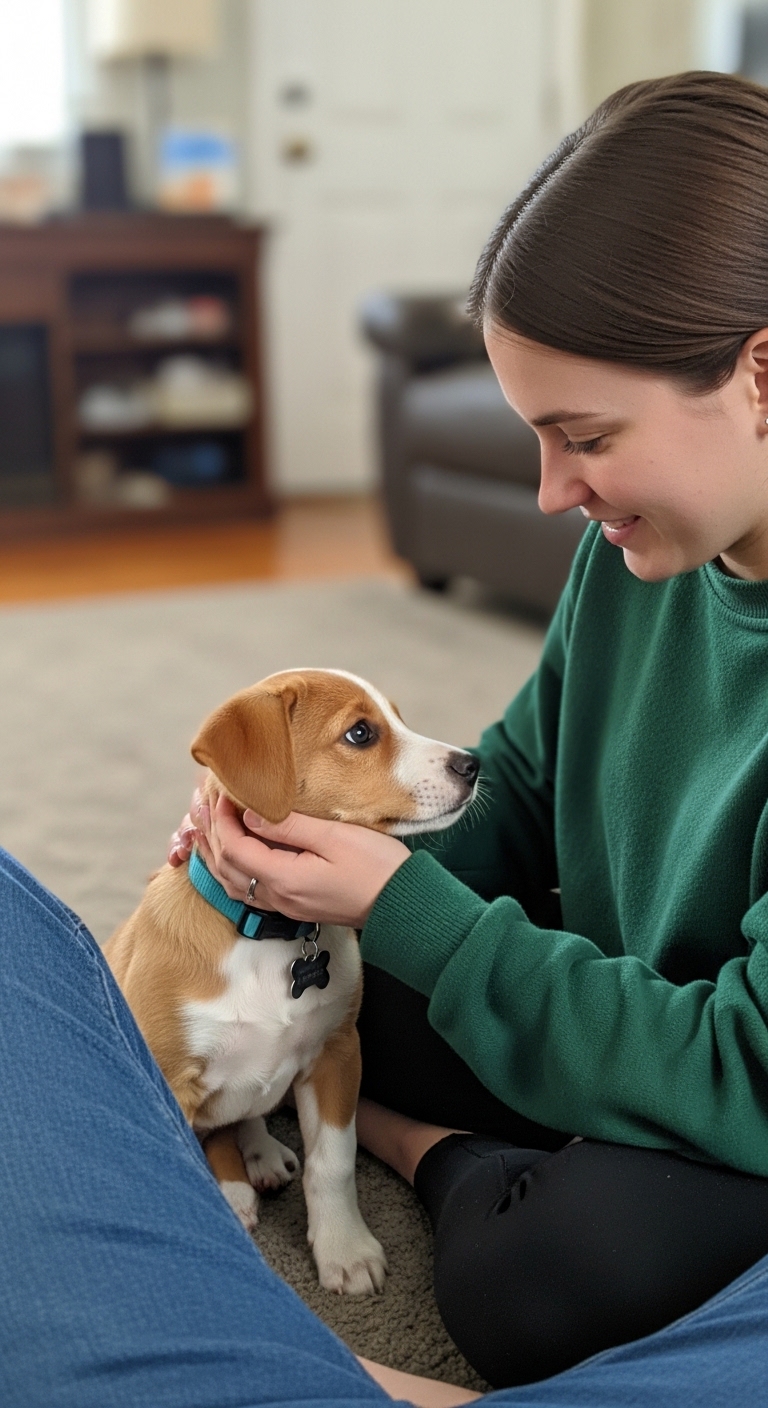
Socialization is one of those things where small, consistent efforts pay off big time. The more you help your puppy feel safe and confident in new situations, the easier life becomes for both of you as they grow.
Frequently Asked Questions
- → When should I start socializing my puppy?
Begin socialization as early as possible, ideally between 8 and 16 weeks of age. This critical period is when puppies are most open to new experiences and less likely to develop fears.
- → How do I introduce my puppy to new people?
Start with calm, gentle introductions in a neutral environment. Ask visitors to ignore your puppy initially, then offer treats when your puppy approaches. This teaches them that new people bring good things.
- → What if my puppy seems scared of something new?
Never force interaction. Instead, move at your puppy's pace and use treats to create positive associations. If fear persists, consult a professional trainer for guidance.
- → Can I socialize my puppy after 16 weeks?
Yes, but it requires more patience and consistency. Older puppies may need gradual exposure to build confidence. Socialization should continue throughout their first year.
- → Should I take my puppy to dog parks?
Not immediately. Wait until your puppy has completed their vaccination series. Instead, arrange playdates with known, vaccinated dogs to ensure safe socialization.
- → How do I socialize a shy puppy?
Create positive experiences at their pace. Use high-value treats and avoid overwhelming them. Let them observe new situations from a distance before gradually getting closer.