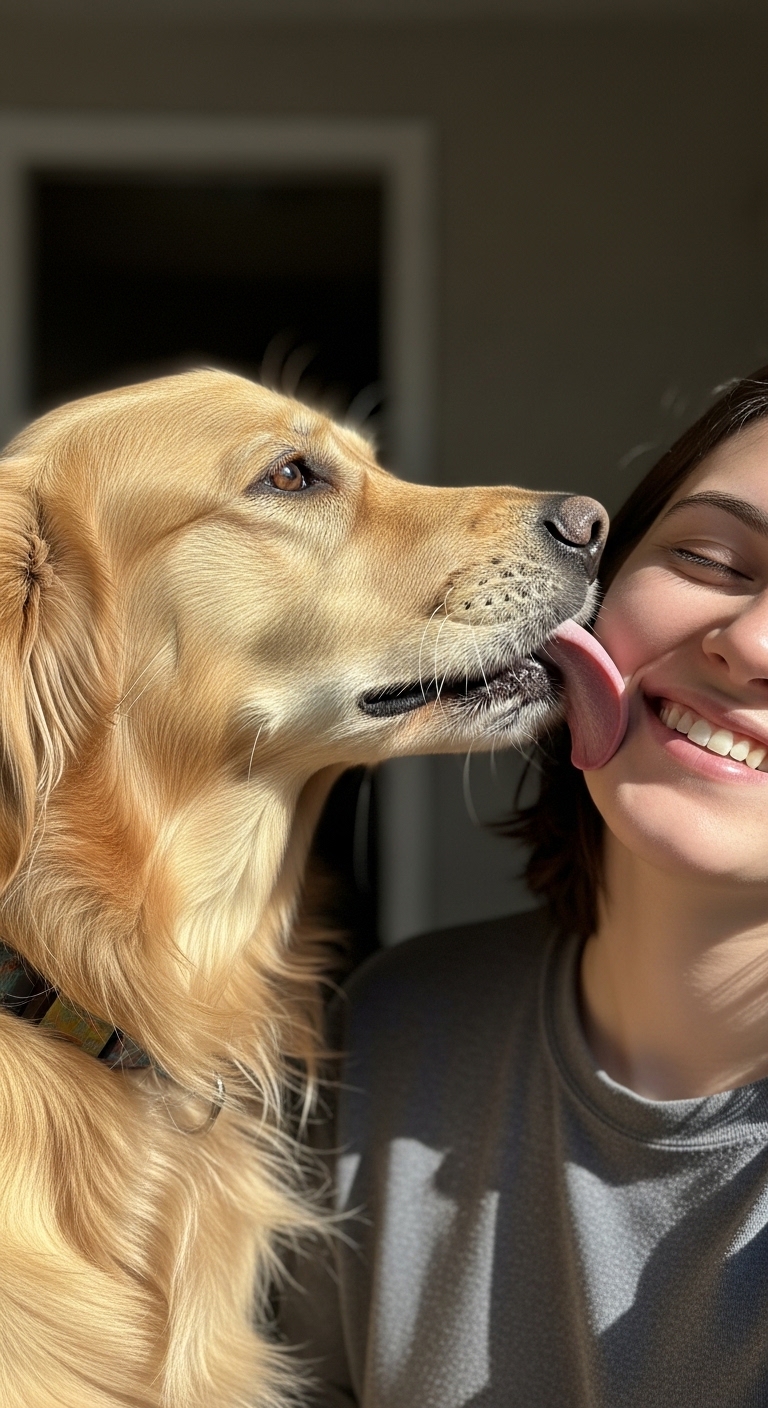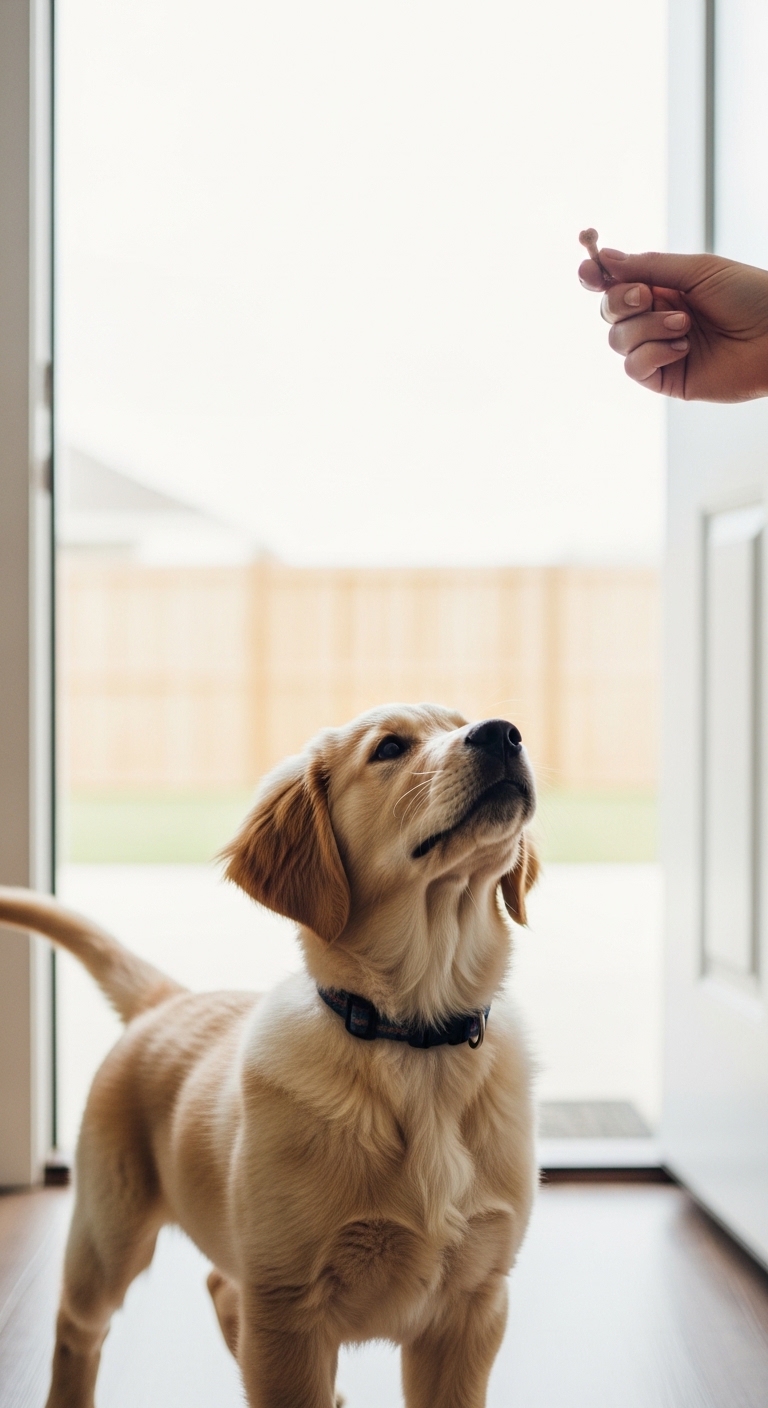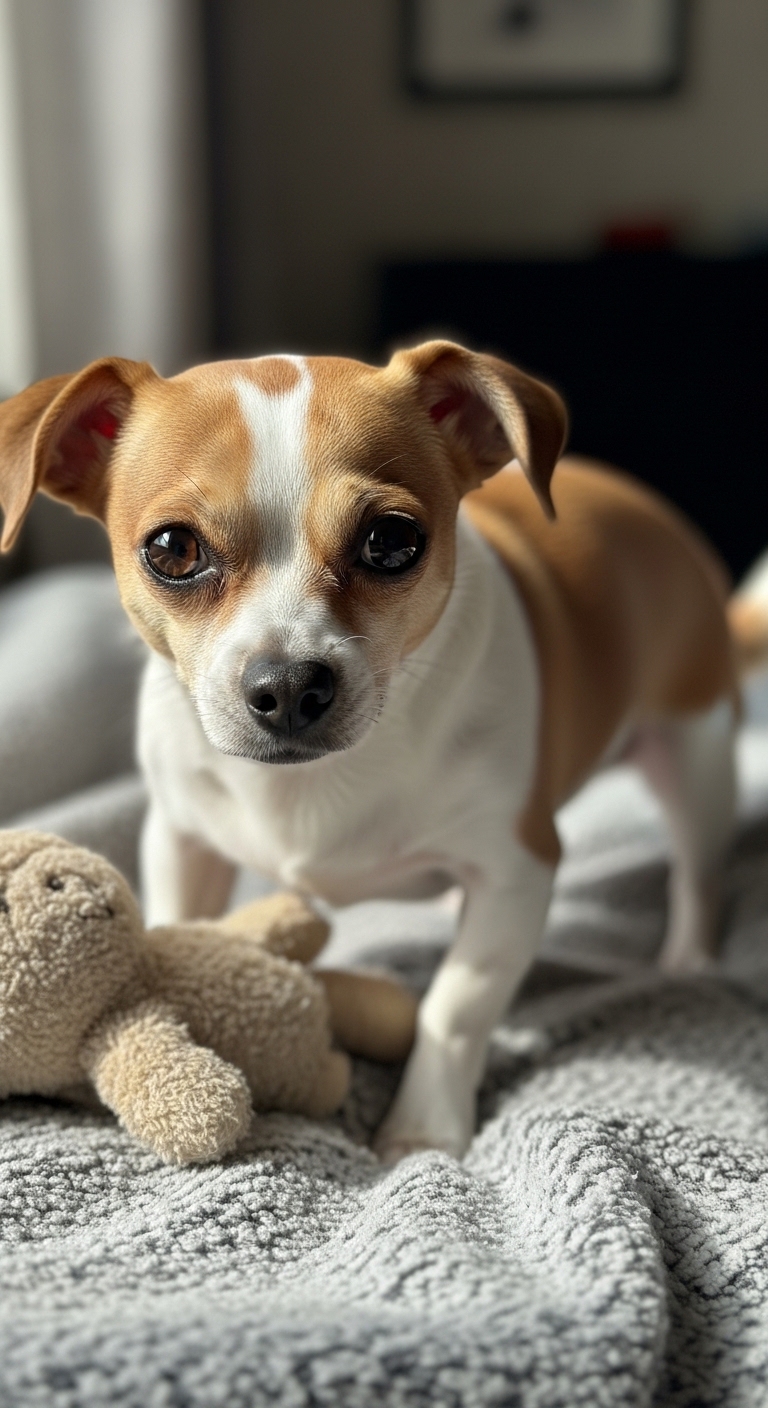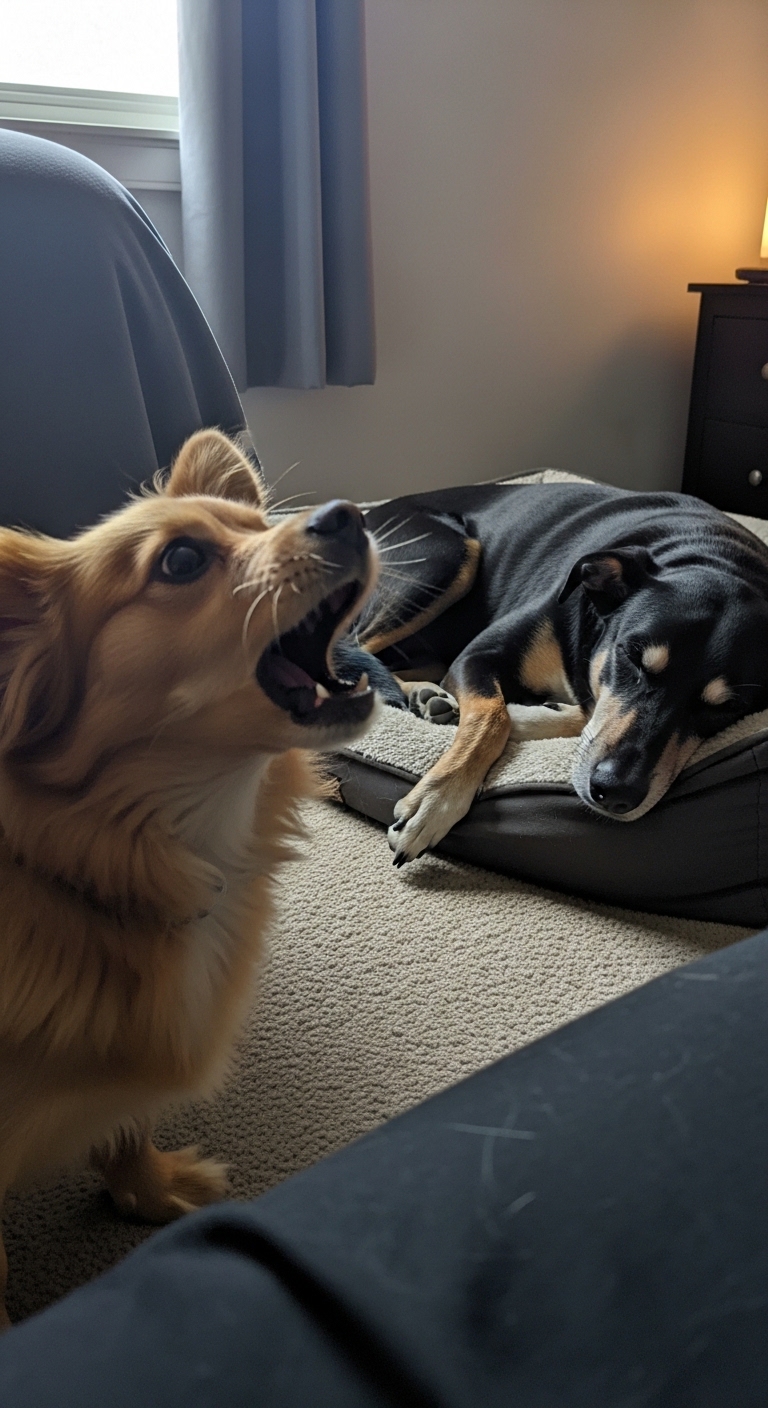
Why dogs follow you everywhere matters more than you might think. It’s not just about their need for attention—it’s a window into their emotional world. Dogs are pack animals, and your presence is their comfort zone. Understanding this behavior can help you strengthen your bond, reduce their anxiety, and even spot when something’s wrong. Whether you’re dealing with a clingy pup or just curious about canine instincts, this insight can make your daily interactions smoother and more meaningful.
I’ve noticed that dogs often follow me when I’m distracted or stressed, almost like they’re trying to comfort me. It’s a reminder that their loyalty isn’t just one-sided.
Key Things to Understand
- Pack mentality: Dogs follow you because they see you as their leader and protector, so staying close feels natural. This behavior is especially strong in breeds that were historically working dogs, like herding or guardian breeds.
- Separation anxiety: If they panic when you leave the room, it’s a sign they need more confidence-building exercises.
- Boredom: Without enough mental or physical stimulation, they’ll latch onto you for entertainment.
- Cognitive decline: Older dogs may follow you due to age-related changes that make them more dependent.
What to Look For
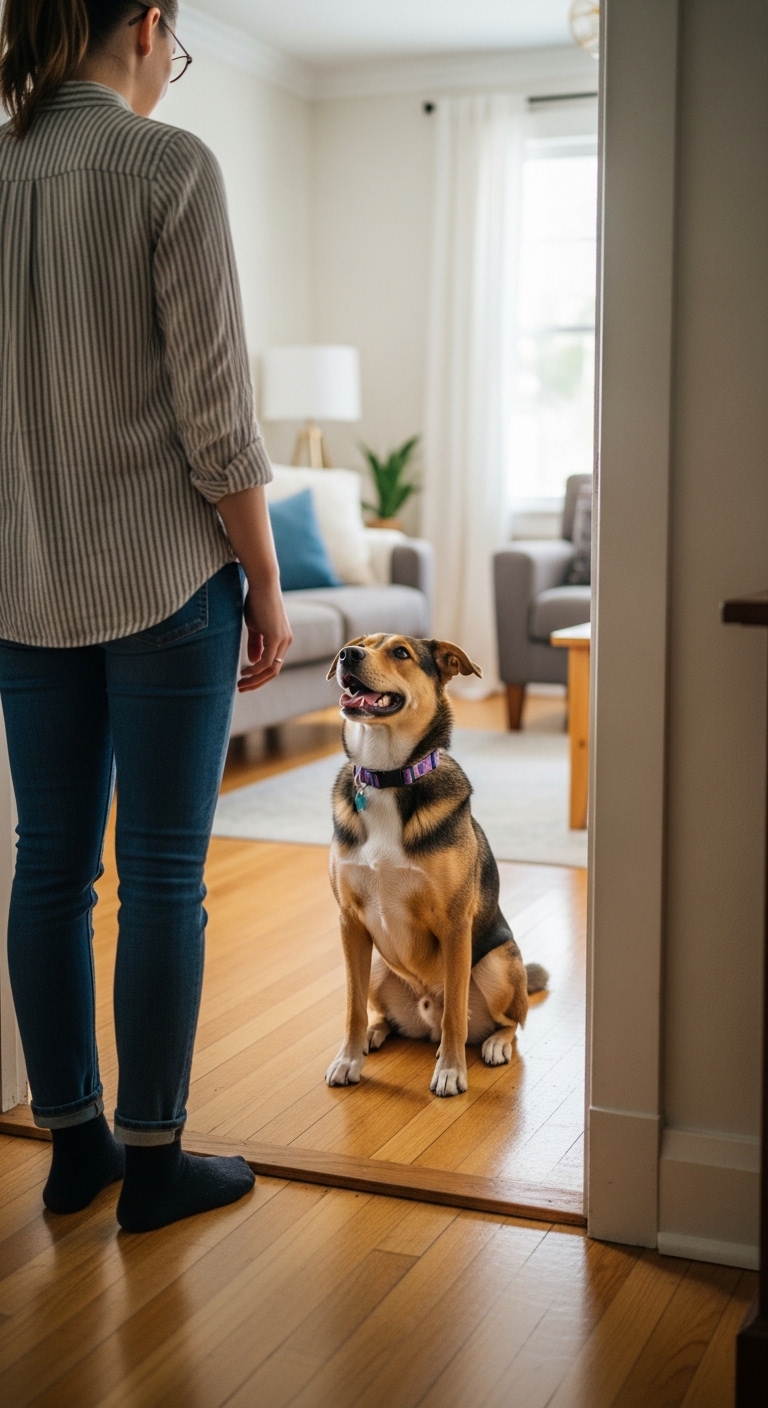
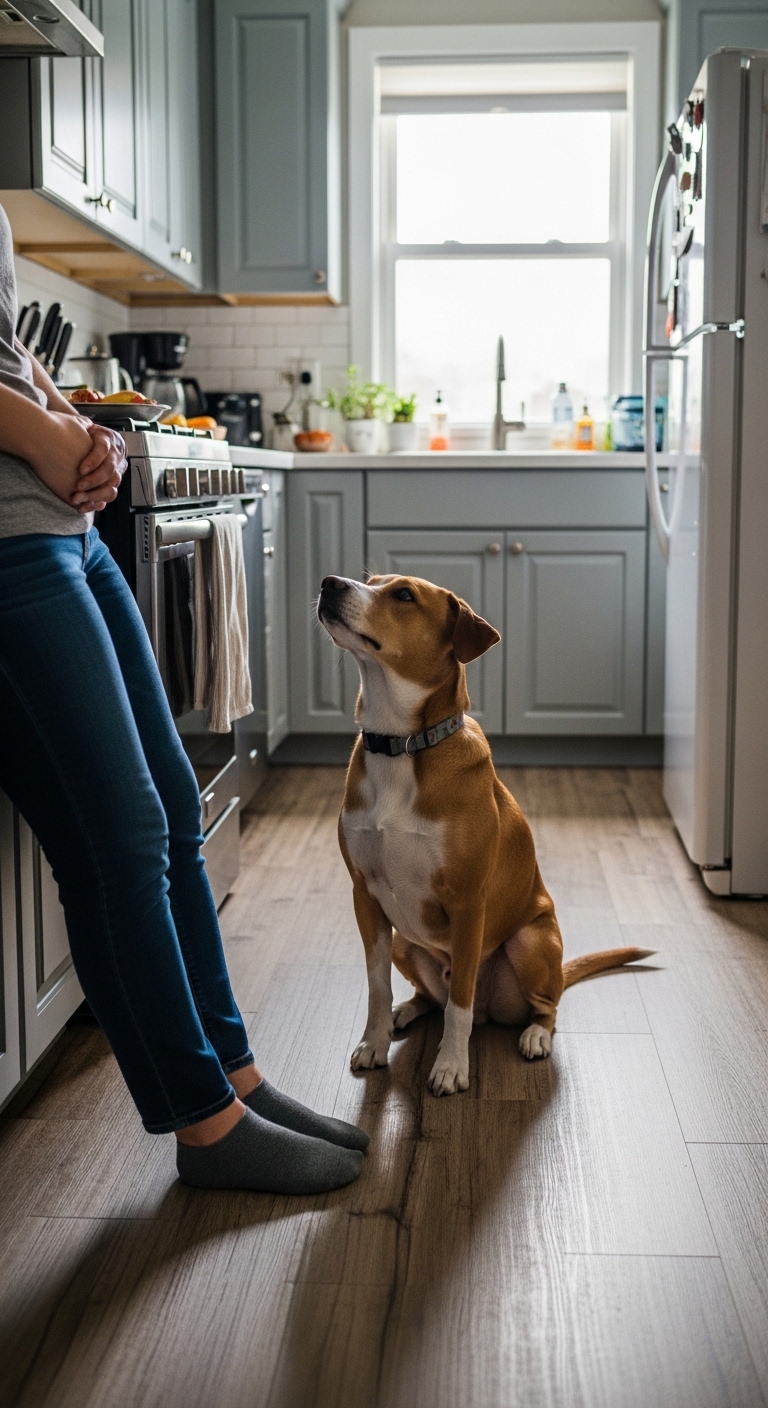
Watch for patterns in when and how your dog follows you. Do they trail you only when you’re preparing food, or do they stick to you all day? Notice if they seem relaxed or tense while doing it. A dog that’s panting, whining, or pacing while following you might be stressed rather than happy. Pay attention to their body language when you ignore them—do they give up easily or escalate their efforts?
Also, observe if they follow you to specific places, like the bathroom or kitchen. Some dogs do this because they associate those areas with rewards or attention. If your dog suddenly starts following you more than usual, it could signal discomfort or illness, especially if they’re also showing other changes in behavior.
I once had a dog that followed me everywhere after we moved to a new house. It took weeks of consistent routines and confidence-building exercises to help him feel secure again. It’s easy to mistake their neediness for love when it’s really a cry for stability.
Daily care habits
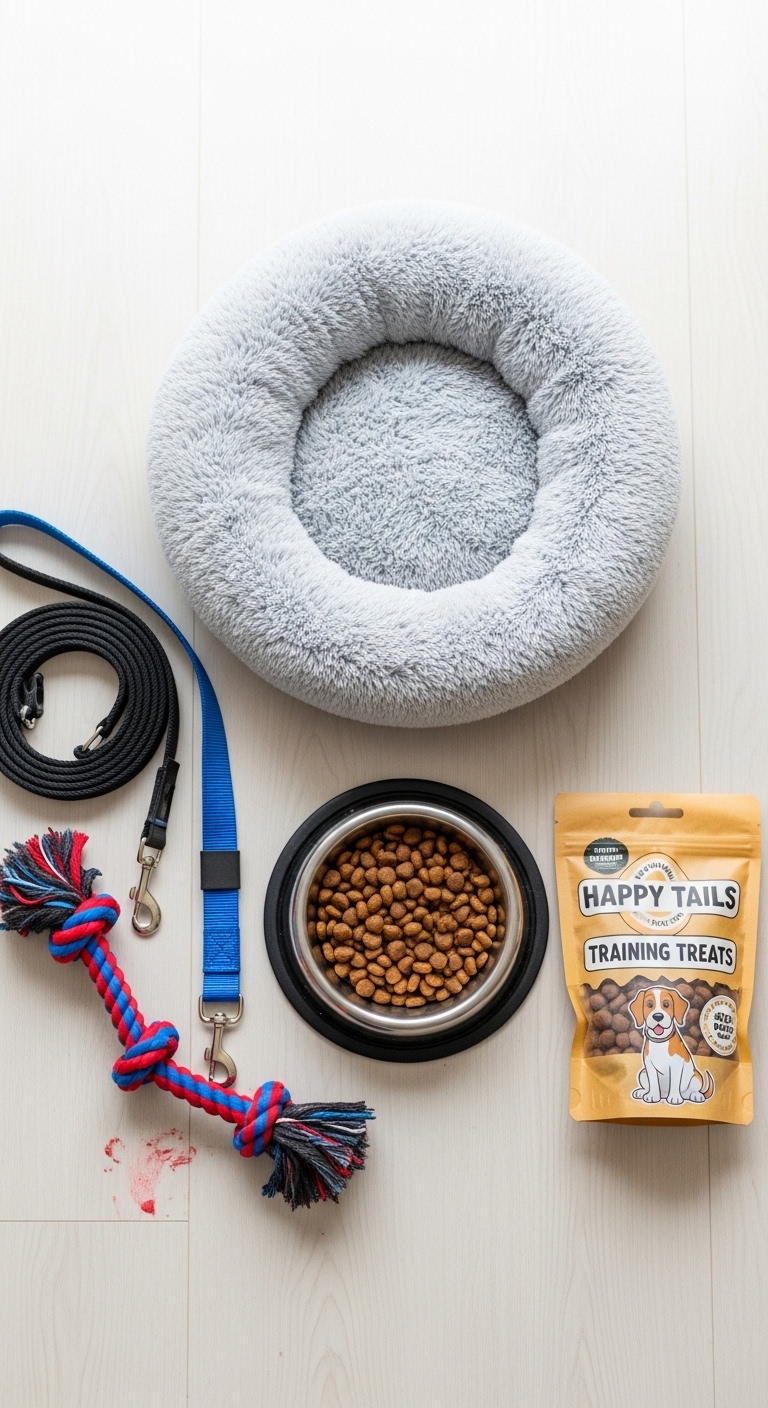
If your dog follows you everywhere, it’s a great opportunity to reinforce positive habits. Use short training sessions throughout the day to practice commands like “stay” or “place.” This teaches them independence while still giving them your attention. Rotate their toys regularly to keep them engaged, even when you’re not playing with them.
Safety and comfort
A dog that sticks to you like glue might be signaling discomfort in their environment. Check for loud noises, unfamiliar people, or changes in the home that could be stressing them out. Create a safe space, like a cozy bed or crate, where they can retreat when they need a break. Avoid punishing them for following you—it can make their anxiety worse.
Age specific advice
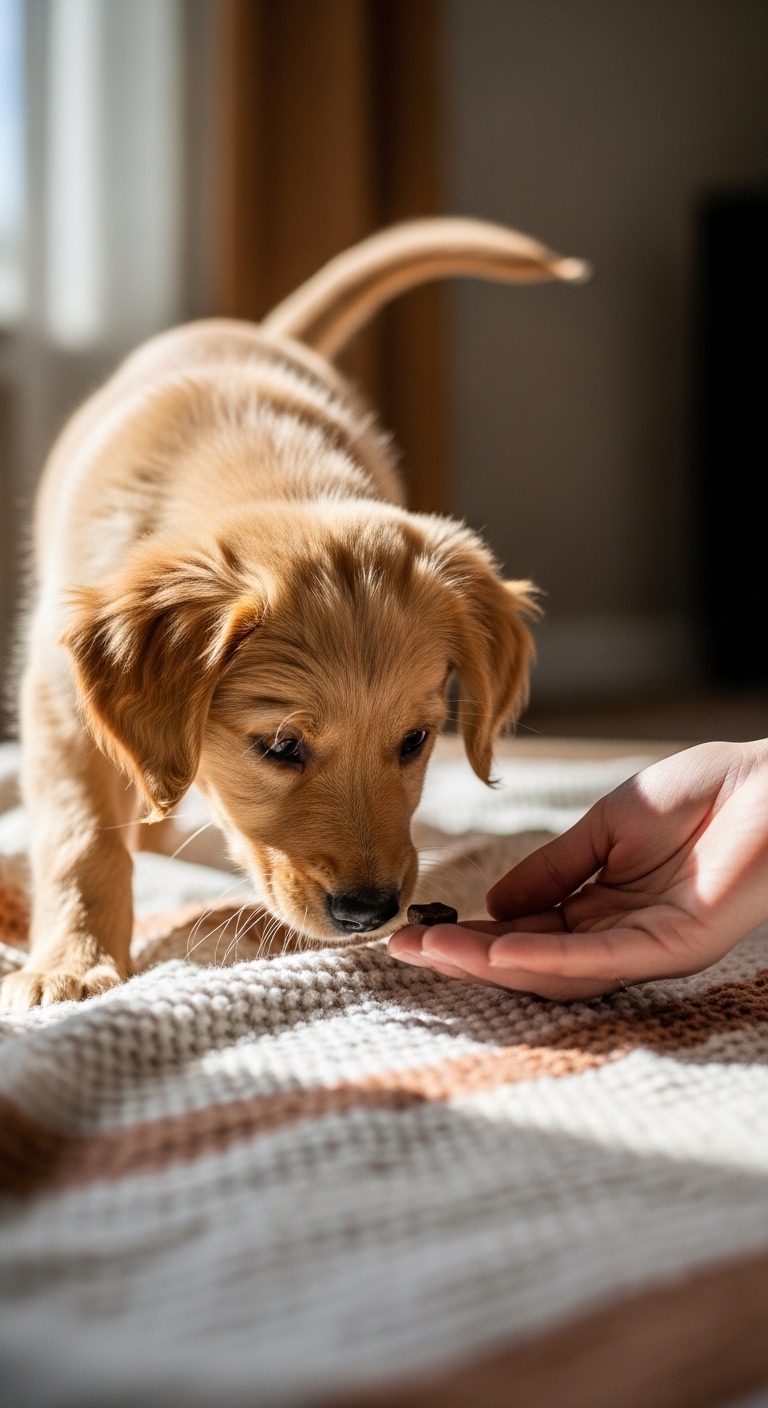
Puppies often follow you because they’re still learning to trust their new environment. Be patient and give them plenty of positive reinforcement. Senior dogs may follow you due to vision or hearing loss, making them more reliant on your presence. Adjust their care to include more gentle routines and check-ups to keep them comfortable.
Understanding why your dog follows you everywhere can transform how you care for them. Small adjustments can make a big difference in their happiness and your peace of mind.
Frequently Asked Questions
- → Why does my dog follow me to the bathroom?
Dogs follow their owners to the bathroom due to their pack mentality and strong social bonds. Your scent and presence provide security, and they may see it as part of their protective role. This behavior is often harmless but can be managed with gradual training and positive reinforcement.
- → Is it normal for dogs to follow you everywhere?
Yes, it’s common for dogs to follow their owners due to their instinctual need for companionship and security. Breeds like Labradors, Golden Retrievers, and German Shepherds are particularly prone to this behavior. However, excessive following may signal separation anxiety or boredom.
- → How can I stop my dog from following me constantly?
Start by teaching the 'stay' or 'place' command to encourage independence. Use interactive toys or puzzles to keep them occupied. Gradually increase the time you spend away from them and reward calm behavior. Consistency and patience are key to reducing clinginess.
- → Does following behavior indicate separation anxiety?
While following can be normal, excessive clinginess paired with destructive behavior, whining, or accidents when left alone may indicate separation anxiety. Consult a vet or trainer if your dog shows signs of distress when separated from you.
- → Can breed influence how much a dog follows you?
Yes, some breeds are naturally more attached to their owners. Herding breeds like Border Collies or companion breeds like Chihuahuas often follow more closely. Understanding your dog’s breed traits can help tailor training and enrichment to their needs.
- → What should I do if my dog’s following behavior changes suddenly?
A sudden increase in following could signal health issues like pain, vision loss, or cognitive decline. Schedule a vet visit to rule out medical causes and observe for other symptoms like lethargy or appetite changes.