
 Pin
Pin
Is spinach good for dogs? Many pet owners wonder if sharing this leafy green with their furry friends is safe or even beneficial. Spinach is packed with nutrients like iron, calcium, and vitamins A, C, and K, which can support your dog’s health. However, it’s not as simple as tossing a handful into their bowl. The oxalates in spinach can cause issues for some dogs, especially those prone to kidney stones or urinary problems. Moderation is key, and preparation matters: raw spinach can be tough to digest, while cooked spinach loses some nutrients but becomes easier on the stomach.
I’ve seen dogs thrive on small amounts of spinach, but I’ve also dealt with the aftermath of overfeeding it to a pup with a sensitive stomach. It’s all about knowing your dog’s limits and watching for any changes after introducing new foods.
Key Things to Understand
- Spinach contains oxalates: which can contribute to kidney stones in susceptible dogs
- Raw spinach is harder for dogs to digest: and may cause stomach upset
- Cooked spinach is safer: but loses some nutritional value in the process
- Not all dogs tolerate spinach well: especially those with pre-existing kidney issues
- Portion control is crucial: too much can lead to digestive problems
What to Look For
Watch for signs that your dog enjoys spinach, like eager eating or wagging tails during mealtime. If you notice your dog avoiding it or showing disinterest, don’t force it: some dogs simply don’t like the taste or texture. Pay attention to how their stool changes after eating spinach; loose stools or constipation can signal that it’s not agreeing with them. If your dog has a history of urinary issues, consult your vet before adding spinach to their diet. Freshness matters too: wilted or spoiled spinach can cause more harm than good, so always serve it fresh or properly stored.
I once made the mistake of giving my dog a large portion of spinach thinking it would be a healthy treat. Within hours, he was uncomfortable and needed extra water to flush his system. It was a good lesson in portion control and knowing when to pull back. Always start with tiny amounts and see how your dog responds before offering more.
How to Serve Spinach to Dogs Safely
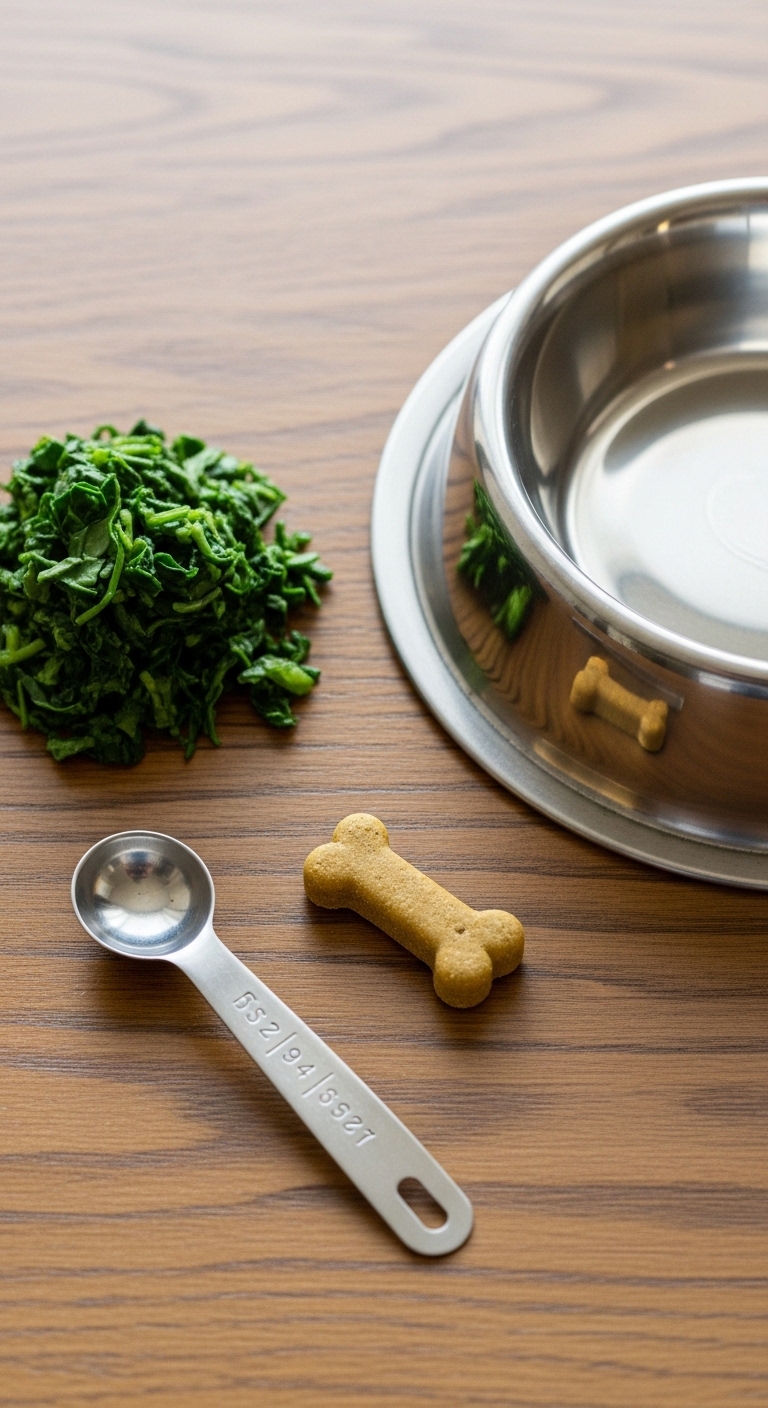
Steaming or boiling spinach is the best way to make it digestible while retaining some nutrients. Chop it finely and mix it into their regular food to avoid choking hazards, especially for small breeds. Frozen spinach can be a refreshing treat in hot weather, but thaw it first to prevent ice crystals from irritating their stomach. Avoid canned spinach, which often contains added sodium or preservatives that aren’t dog-friendly. If your dog is new to spinach, try mixing a small piece into their meal and observe their reaction for 24 hours.
Signs Your Dog Isn’t Tolerating Spinach Well
Excessive drooling or licking lips after eating can signal discomfort. Vomiting or diarrhea within a day of consuming spinach means it’s not agreeing with them. Increased thirst or frequent urination could indicate kidney strain. Lethargy or loss of appetite after eating spinach is a red flag to stop immediately.

Alternatives to Spinach for Dogs
If spinach doesn’t agree with your dog, kale or Swiss chard can offer similar nutrients with fewer oxalates. Green beans are a crunchy, low-calorie alternative that many dogs love. Carrots and pumpkin are also great options for a vitamin boost without the risks. Always introduce new vegetables slowly, just like you would with spinach, to ensure your dog tolerates them well.
When to Skip Spinach Altogether
Dogs with a history of calcium oxalate bladder stones should avoid spinach entirely. Puppies under six months old have developing digestive systems and may struggle with leafy greens. Dogs on prescription diets for kidney issues should not have spinach without vet approval. If your dog has a sensitive stomach or food allergies, spinach might not be worth the risk.
Spinach can be a healthy occasional treat for most dogs, but it’s not a one-size-fits-all solution. The key is moderation, proper preparation, and close observation of your dog’s reaction.
Frequently Asked Questions
- → Can dogs eat spinach?
Yes, dogs can eat spinach in moderation. It is non-toxic and provides essential nutrients like vitamins A, C, and K, as well as iron and fiber. However, it should not be a staple in their diet due to potential risks.
- → Is spinach safe for all dogs?
Spinach is generally safe for most dogs, but those with kidney issues, bladder stones, or oxalate sensitivity should avoid it. Always consult your vet before introducing new foods to dogs with health conditions.
- → How much spinach can I give my dog?
Spinach should be served in small amounts—no more than 1-2 tablespoons per 10 pounds of body weight per week. Too much can cause digestive upset or contribute to oxalate buildup.
- → Should I feed my dog raw or cooked spinach?
Cooked spinach is safer as it reduces oxalate content and makes it easier to digest. Raw spinach can be tough on a dog’s stomach and harder to break down. Steam or boil it without seasoning before serving.
- → What are the benefits of spinach for dogs?
Spinach offers antioxidants, vitamins, and minerals that support immune health, digestion, and energy levels. It can also help freshen breath and promote a healthy coat when given in appropriate amounts.
- → Can spinach cause health problems in dogs?
In large quantities, spinach may contribute to kidney or bladder issues due to its oxalate content. Overconsumption can also lead to stomach upset, diarrhea, or nutrient imbalances. Always serve it as an occasional treat, not a daily food.