
Turmeric isn’t just a spice in your kitchen: it’s a golden ingredient that’s gaining attention for its potential benefits for dogs. Many pet owners are curious about adding it to their dog’s diet, especially for older pets or those with joint discomfort. But before you sprinkle it on their kibble, it’s worth understanding how it works and whether it’s safe for your furry friend.
I’ve seen firsthand how a little turmeric in a senior dog’s food can make a noticeable difference in their energy and mobility over time. It’s not a miracle cure, but it’s a small change that can add up to big improvements.
Key Things to Understand
- Turmeric contains curcumin: which is responsible for its health benefits
- Curcumin has strong anti-inflammatory and antioxidant effects: that can support joint health and immunity
- Not all dogs absorb curcumin well on its own: which is why it’s often paired with black pepper (piperine) to enhance absorption
- Fresh turmeric root is more potent than dried powder: but both can be used depending on availability
- Too much turmeric can cause digestive upset: so moderation is key
- Always check with your vet: before adding new supplements to your dog’s diet, especially if they’re on medication
What to Look For
When considering turmeric for your dog, pay attention to their current diet and any existing health conditions. Dogs with sensitive stomachs may react poorly to new ingredients, so start with a very small amount like a pinch and gradually increase over a week or two. Watch for signs of digestive discomfort, such as loose stools or vomiting, which could mean the turmeric isn’t agreeing with them.
The quality of turmeric matters just as much as the quantity. Look for organic, non-GMO options to avoid pesticides or additives that could harm your dog. If you’re using fresh turmeric root, ensure it’s washed and peeled properly to remove any dirt or residue. For powdered turmeric, opt for a fine, vibrant yellow color: dull or clumpy powder may indicate poor quality or old stock.
Another thing to observe is how your dog responds over time. Some dogs show improvement in joint mobility or coat shine within a few weeks, while others may not notice any difference. Keep a simple log of their energy levels, mobility, and any changes in behavior to track whether turmeric is making a positive impact.
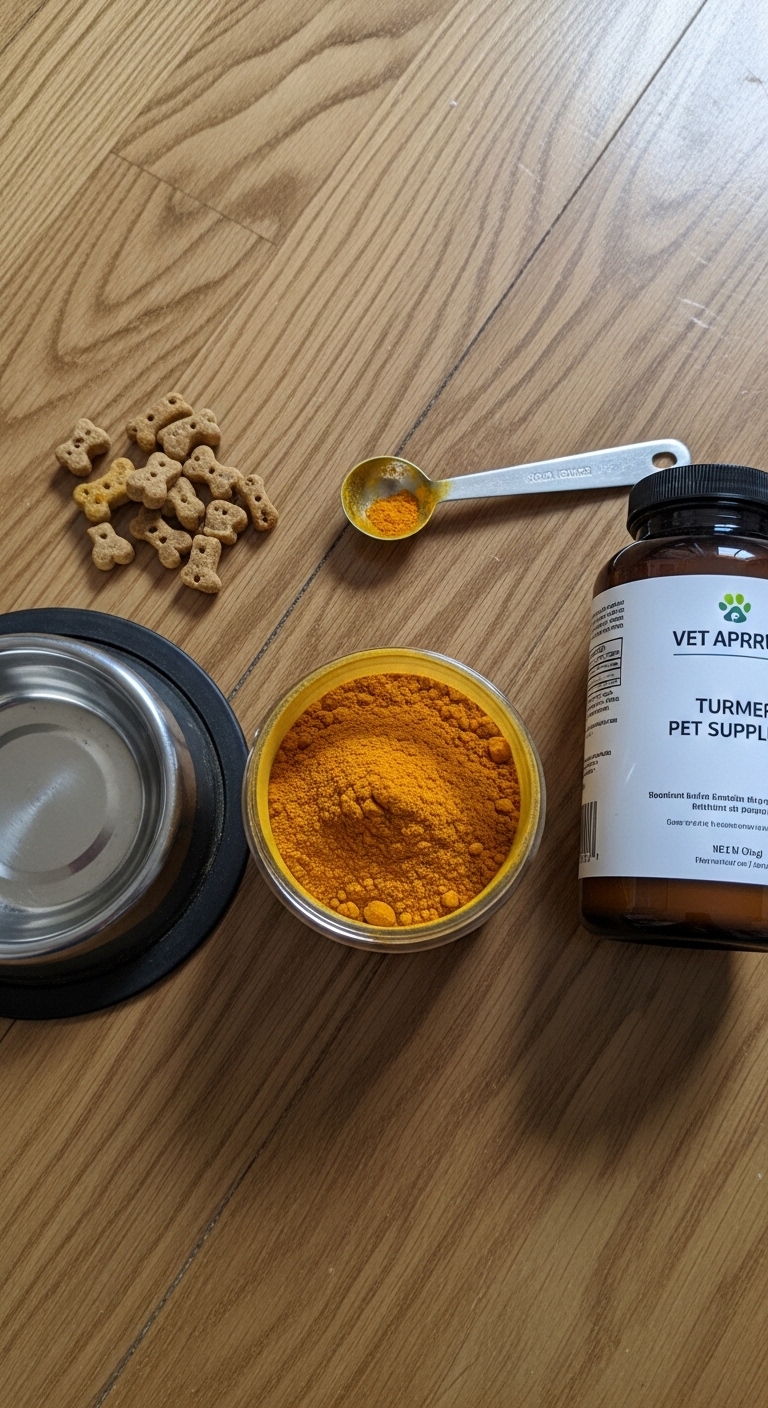
A common mistake is assuming that more turmeric equals better results. In reality, too much can lead to stomach upset or even interfere with nutrient absorption. I once met a dog owner who gave their pup a full teaspoon of turmeric daily, thinking it would speed up the benefits. Instead, their dog ended up with diarrhea for a week. Start small, observe, and adjust as needed.
Another reminder is that turmeric can stain, so be mindful when preparing homemade treats or meals. Use gloves if handling fresh turmeric root, and clean surfaces thoroughly to avoid lingering orange hues.
How to Choose the Right Turmeric for Your Dog
Not all turmeric products are created equal, and picking the right one can make a big difference in effectiveness. Look for turmeric supplements specifically formulated for pets, as these often include added ingredients like black pepper or coconut oil to improve absorption. Human-grade turmeric isn’t necessarily unsafe, but pet-specific options are designed with canine needs in mind.
If you’re opting for fresh turmeric, choose firm roots with minimal blemishes. The skin should be smooth and the color a rich orange-yellow. Avoid any roots that feel soft or have a musty smell, as these could be spoiled. For powdered turmeric, check the expiration date and ensure the container is airtight to preserve freshness.
Another factor to consider is whether your dog prefers turmeric in food or as a supplement. Some dogs take to it better when mixed into wet food or homemade broth, while others might tolerate capsules or chewable treats. If your dog is picky, try different methods to see what works best.
Turmeric in Homemade Treats and Meals
Making your own turmeric-infused treats is a great way to control the ingredients and ensure your dog gets a consistent dose. A simple option could include turmeric powder, coconut oil, and a bit of black pepper for absorption, mixed with oat flour or pumpkin puree for binding. Bake at a low temperature to preserve the nutrients, and store in an airtight container.
For dogs who enjoy variety, try adding a small amount of turmeric to their regular meals. A quarter teaspoon for small dogs or half a teaspoon for larger breeds is a good starting point. Mix it into their wet food or sprinkle it over kibble, then add a little water or broth to help it stick. Over time, you can gradually increase the amount if your dog tolerates it well. Just remember, homemade treats should complement, not replace, a balanced diet.
Safety and Potential Side Effects
While turmeric is generally safe, it’s not without risks. The most common side effect is digestive upset, which can range from mild diarrhea to vomiting. If your dog shows these signs, stop giving turmeric immediately and give their stomach a chance to settle. In rare cases, turmeric can interact with medications, especially blood thinners or drugs for diabetes or acid reflux.
Dogs with gallbladder issues or those prone to kidney stones should avoid turmeric, as it may exacerbate these conditions. Always err on the side of caution and get professional advice if your dog has a pre-existing health problem. It’s better to be safe than sorry when it comes to your pet’s well-being.
Another thing to watch for is allergic reactions. Though uncommon, some dogs may develop itching, swelling, or hives after consuming turmeric. If you notice any of these signs, discontinue use and contact your vet. Allergies can escalate quickly, so don’t wait to see if they improve on their own.

Turmeric can be a valuable addition to your dog’s wellness routine, but it’s not a one-size-fits-all solution. Always prioritize your pet’s safety and consult a professional when in doubt.
Frequently Asked Questions
- → How much turmeric can I give my dog daily?
Start with 1/8 to 1/4 teaspoon per 10 pounds of body weight per day. Adjust based on your vet’s recommendation and your dog’s response.
- → Can turmeric help with my dog’s joint pain?
Yes! Turmeric’s anti-inflammatory properties can help reduce joint pain and stiffness, especially in older dogs or breeds prone to arthritis.
- → Is turmeric safe for all dogs?
Most dogs tolerate turmeric well, but those with stomach sensitivities or on certain medications should consult a vet first. Always introduce it gradually.
- → How should I prepare turmeric for my dog?
Mix turmeric powder with a healthy fat like coconut oil to improve absorption. You can also add it to homemade dog treats or meals.
- → Are there side effects of giving turmeric to dogs?
In high doses, turmeric may cause stomach upset or diarrhea. Monitor your dog’s reaction and discontinue use if any adverse effects occur.
- → Can I use turmeric supplements instead of powder?
Yes, pet-specific turmeric supplements are a convenient option and often include black pepper (piperine) to enhance absorption.