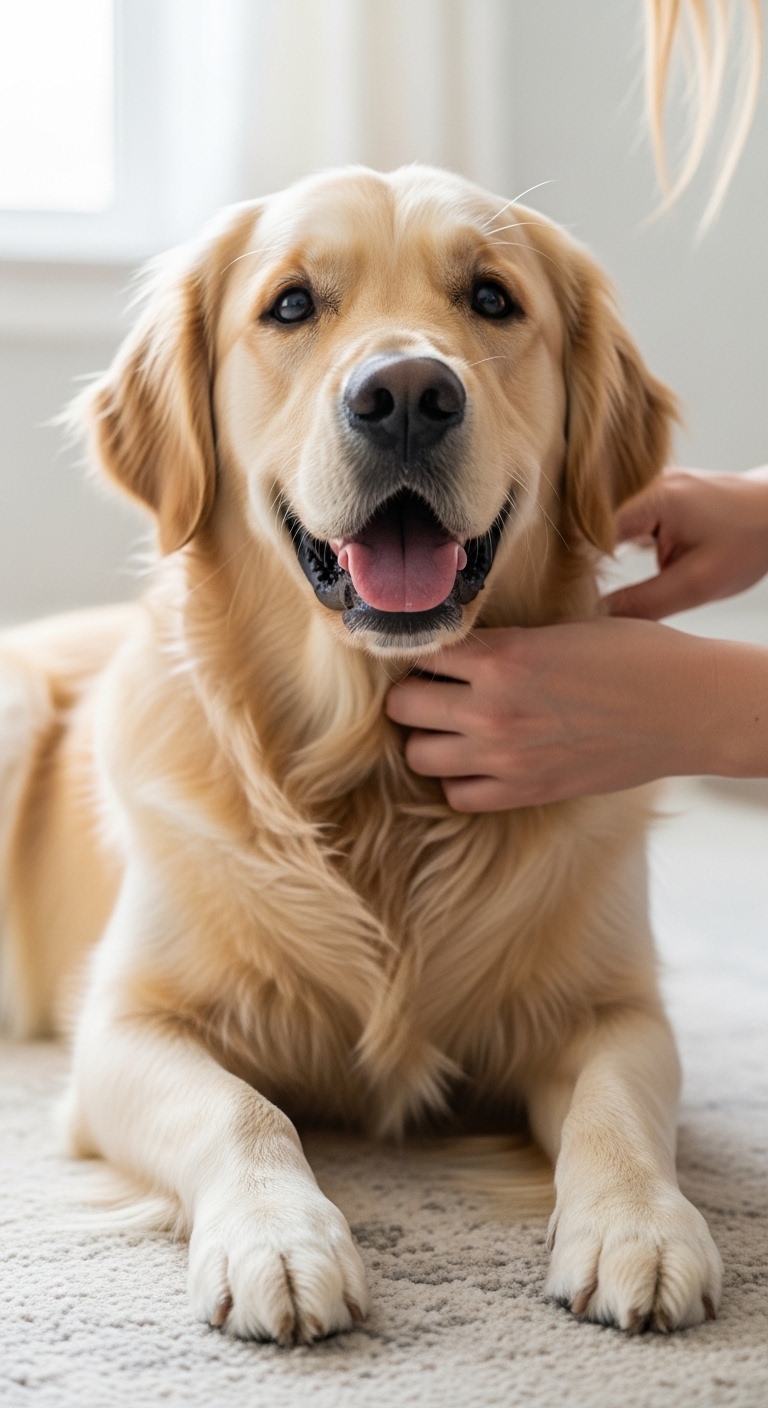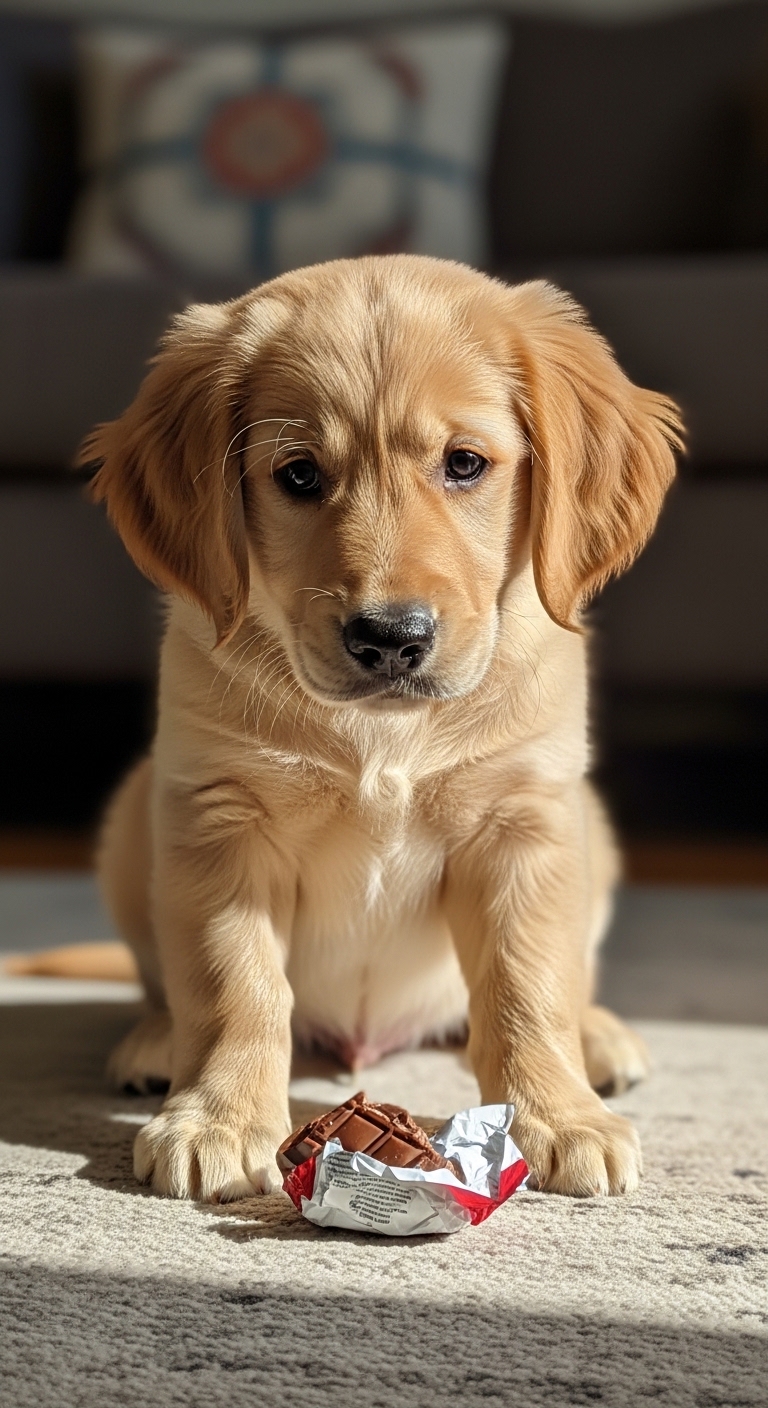
Diarrhea in dogs is one of those frustrating issues that can disrupt your day and leave you scrambling for answers. It’s not just messy, it’s a sign that something’s off with your dog’s digestive system, whether it’s a sudden diet change, a sneaky snack they shouldn’t have eaten, or something more serious. Left unchecked, it can lead to dehydration or discomfort, which is why knowing how to respond quickly matters.
I’ve seen dogs bounce back fast with the right care, but I’ve also watched small issues turn into bigger ones because owners didn’t act soon enough. A little knowledge can make all the difference in keeping your pup comfortable and healthy.
Key Things to Understand
- Diarrhea is not a disease but a symptom: of an underlying issue
- Mild cases often resolve: within 24 to 48 hours with proper care
- Severe or persistent diarrhea requires: a vet visit to rule out infections or blockages
- Hydration is critical: water loss happens quickly in dogs with diarrhea
- Some human foods and medications: safe for people can be toxic to dogs
What to Look For
Watch for changes in stool consistency, color, and frequency. If your dog’s stool goes from firm to watery or appears bloody, it’s a clear sign their digestive system is upset. Bright red blood usually points to irritation in the lower digestive tract, while dark, tarry stools may indicate bleeding higher up. Pay attention to how often they’re going: more than three loose stools in a day is a red flag. Also check their energy levels and appetite. A dog with mild diarrhea might still act normal and eat, but if they’re lethargic, refusing food, or showing signs of pain like whining or hunched posture, it’s time to take action. Dehydration is another silent threat: gently lift the skin at the back of their neck, if it stays tented instead of snapping back, they need fluids fast.
I once had a client whose dog got into the trash and ended up with a week of diarrhea because they waited too long to act. Another owner gave their pup Pepto-Bismol without checking the dosage, which made things worse. Small mistakes can add up, so it’s better to be cautious and informed.
When to Feed and What to Feed
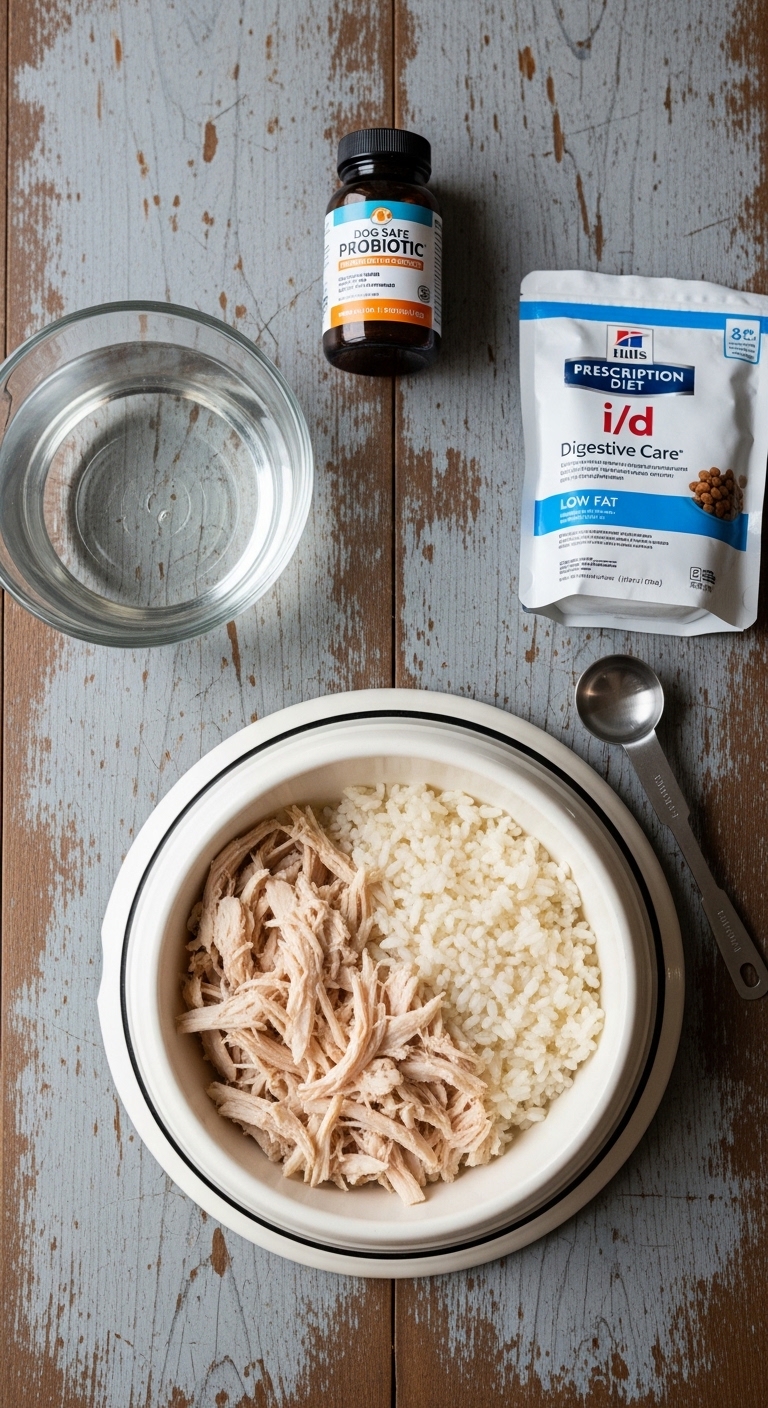
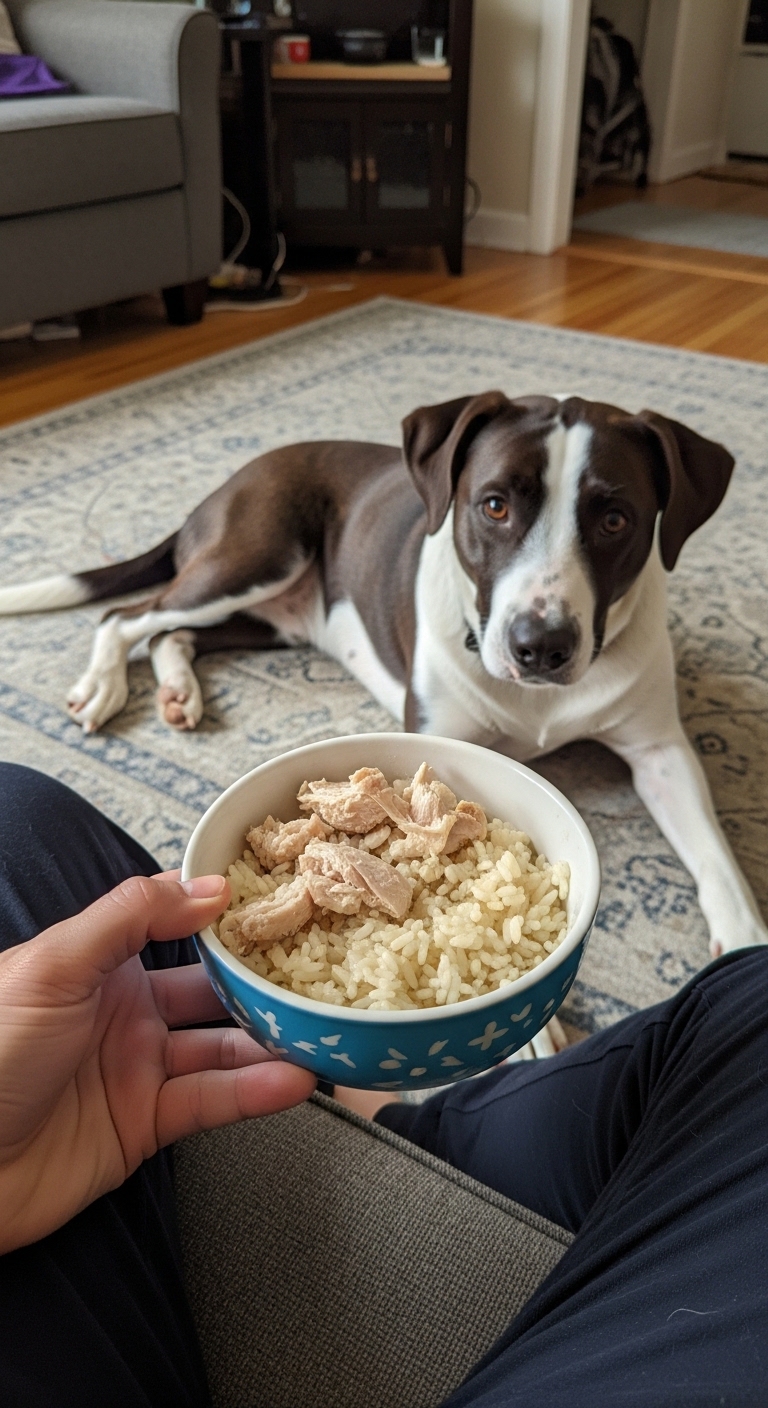
After a bout of diarrhea, your dog’s stomach needs a break. Withhold food for 12 to 24 hours to let their gut settle, but make sure they have access to fresh water. Once they’ve gone 12 hours without vomiting, you can reintroduce food slowly. Start with small portions of a bland diet: boiled chicken breast or lean ground turkey mixed with plain white rice or plain pasta. Avoid seasonings, oils, or sauces entirely. Probiotics can also help restore balance in their gut. Look for dog-specific probiotic supplements or plain, unsweetened yogurt with live cultures. Introduce it gradually to avoid further stomach upset. If your dog’s diarrhea is frequent or severe, avoid fatty foods, dairy, and anything rich, as these can worsen the problem.
Hydration is Non-Negotiable
Dogs lose fluids fast with diarrhea, so hydration should be your top priority. Offer small amounts of water frequently rather than letting them gulp a large bowl at once. If they’re not drinking, try adding a little low-sodium chicken broth to make it more appealing. Electrolyte solutions made for dogs can help replace lost minerals, but avoid sports drinks like Gatorade, which contain too much sugar. In severe cases, your vet might recommend subcutaneous or intravenous fluids to rehydrate them quickly. Don’t wait until your dog is weak or showing signs of collapse to seek help. If they’re not keeping water down or their gums are dry and sticky, it’s an emergency.
Common Mistakes to Avoid
Giving your dog human medications like Imodium without consulting a vet can be dangerous, as the dosage and ingredients may not be safe for canines. Another mistake is switching their food abruptly after the diarrhea stops, which can trigger another bout. Stick to the bland diet for a few days before slowly transitioning back to their regular food. Also, resist the urge to punish or scold your dog for accidents. Diarrhea is uncomfortable for them too, and stress can make it worse. Instead, focus on keeping their environment clean and providing comfort while they recover.
When in doubt, trust your instincts. If something feels off about your dog’s condition, it’s better to call your vet than wait and see.
Frequently Asked Questions
- → What can I safely give my dog for diarrhea?
Start with a bland diet of boiled chicken and rice, or offer plain pumpkin puree (not pie filling) for fiber. Probiotics like plain yogurt or a dog-specific supplement can also help. Avoid rich, fatty, or processed foods.
- → How long should I withhold food from my dog?
Withhold food for 12-24 hours to rest their stomach, but always provide fresh water to prevent dehydration. After fasting, reintroduce food gradually with small portions of bland food.
- → Are human medications safe for dogs with diarrhea?
No, never give human medications like Pepto-Bismol or Imodium without consulting your vet first. Some ingredients can be toxic to dogs. Always use vet-approved remedies or treatments.
- → When should I take my dog to the vet for diarrhea?
Seek vet care if diarrhea lasts more than 48 hours, if your dog is lethargic, vomiting, has blood in stool, or shows signs of dehydration like sunken eyes or dry gums. Puppies, seniors, or dogs with pre-existing conditions need prompt attention.
- → Can probiotics help my dog’s diarrhea?
Yes, probiotics can restore gut balance and support digestion. Plain yogurt (unsweetened) or a dog-specific probiotic supplement can help, but consult your vet for dosage and suitability for your dog’s condition.
- → What foods should I avoid giving my dog with diarrhea?
Avoid fatty foods, dairy (except plain yogurt), spicy or seasoned foods, and processed treats. These can irritate the stomach and worsen diarrhea. Stick to bland, easily digestible foods during recovery.