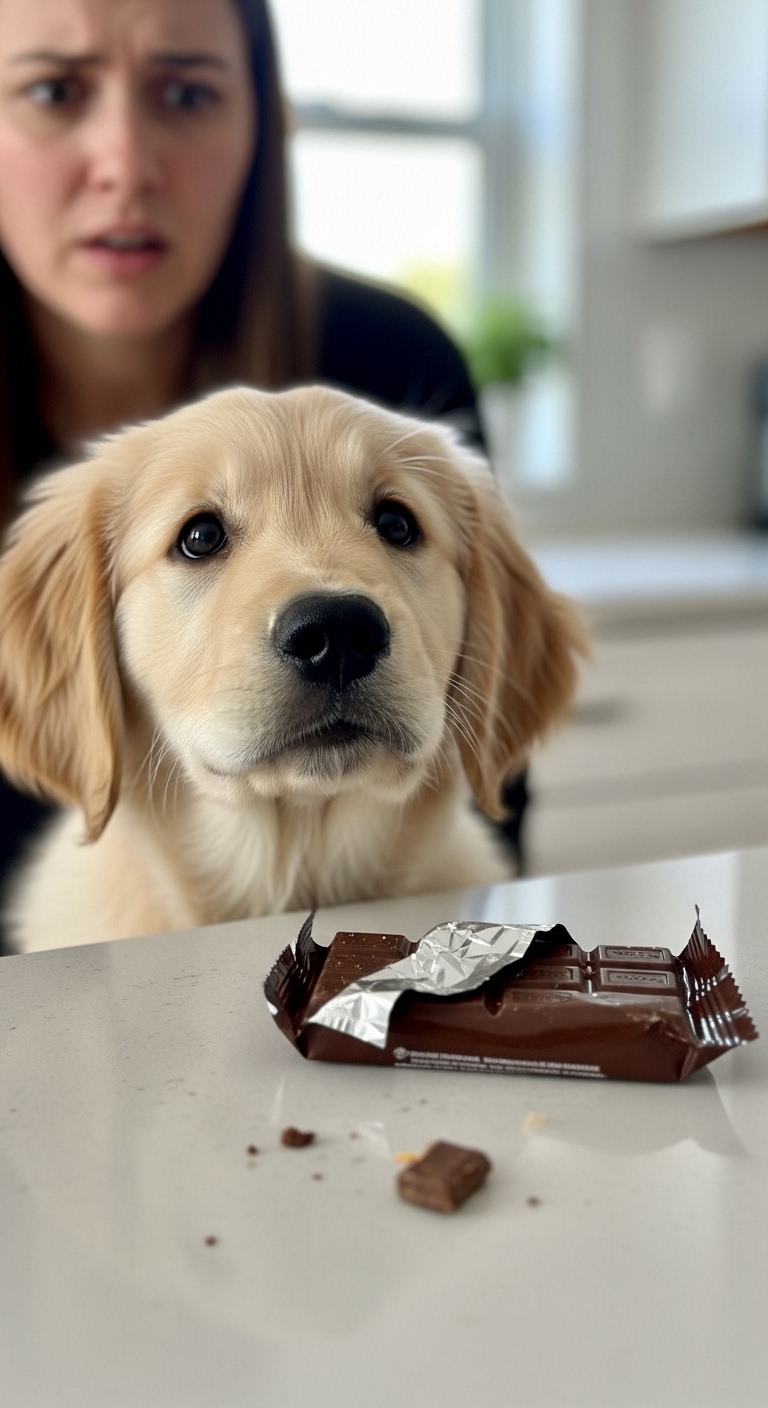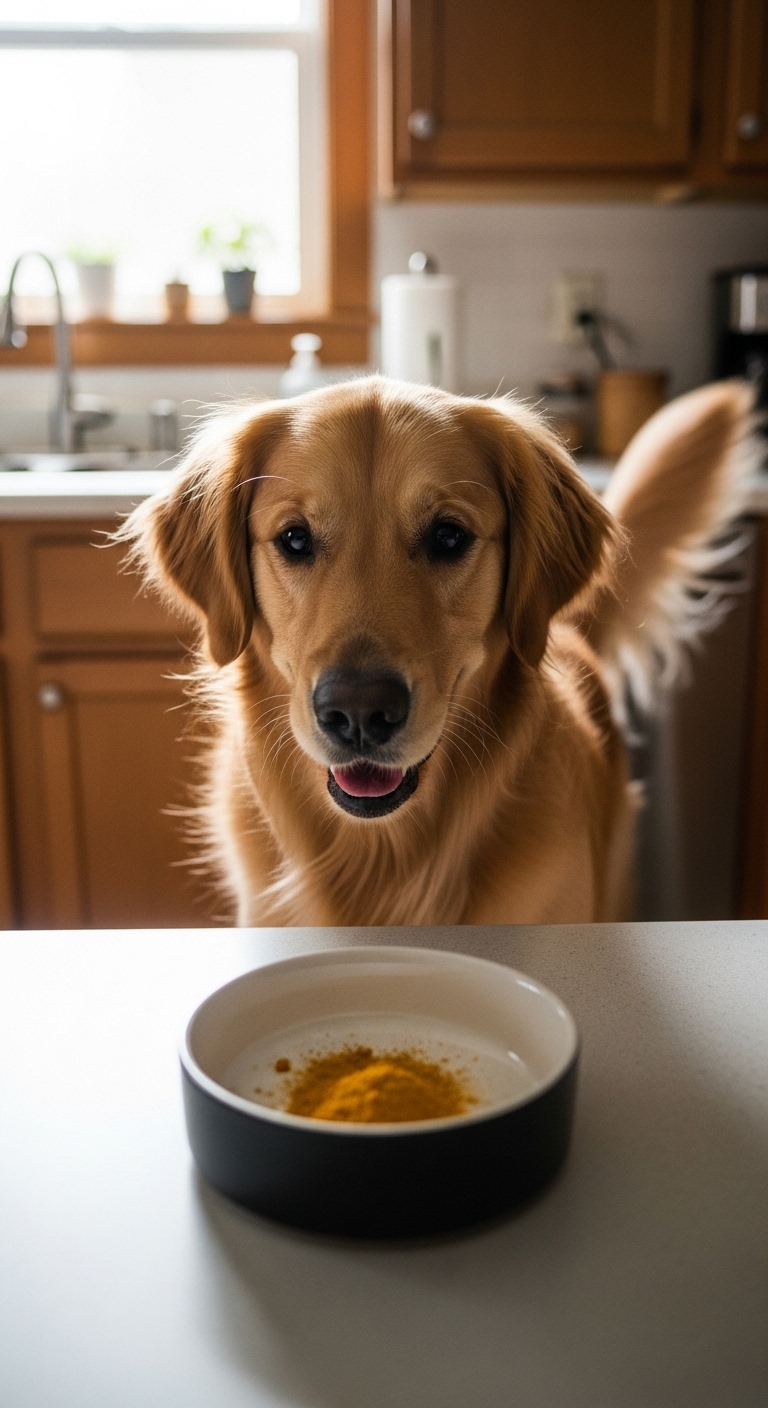
Chocolate might seem like a harmless treat to share with your dog, but it’s actually one of the most dangerous foods they can consume. Many pet owners don’t realize how toxic it is until it’s too late, which is why understanding the risks is so important. A small piece of chocolate can lead to serious health problems, and in some cases, it can even be fatal. Knowing what to do if your dog eats chocolate could save their life.
I still remember the first time my neighbor’s dog got into a box of chocolates. She panicked and didn’t know whether to induce vomiting or just wait it out. Luckily, she called the vet right away, but the experience made me realize how little most people know about this common hazard.
Key Things to Understand
- Toxic compounds: Chocolate contains theobromine and caffeine, both of which dogs can’t metabolize properly.
- Dark chocolate danger: The darker the chocolate, the higher the concentration of these toxic compounds.
- Symptoms: Even small amounts can cause symptoms like vomiting, diarrhea, rapid breathing, or seizures.
- White chocolate: White chocolate is less dangerous but still not safe in large quantities.
- Prevention: Always keep chocolate out of reach, especially during holidays when it’s more likely to be around.
What to Look For
Watch for signs of chocolate toxicity within 6 to 12 hours after ingestion. Early symptoms include excessive thirst, restlessness, and panting, which can progress to tremors, seizures, or collapse if left untreated. If you suspect your dog has eaten chocolate, check the wrapper or packaging to estimate how much they consumed. Dark chocolate and baking chocolate are the most dangerous, while milk chocolate requires a larger amount to cause harm. Pay attention to your dog’s behavior. If they’re acting unusually hyper or lethargic, it could be a red flag.
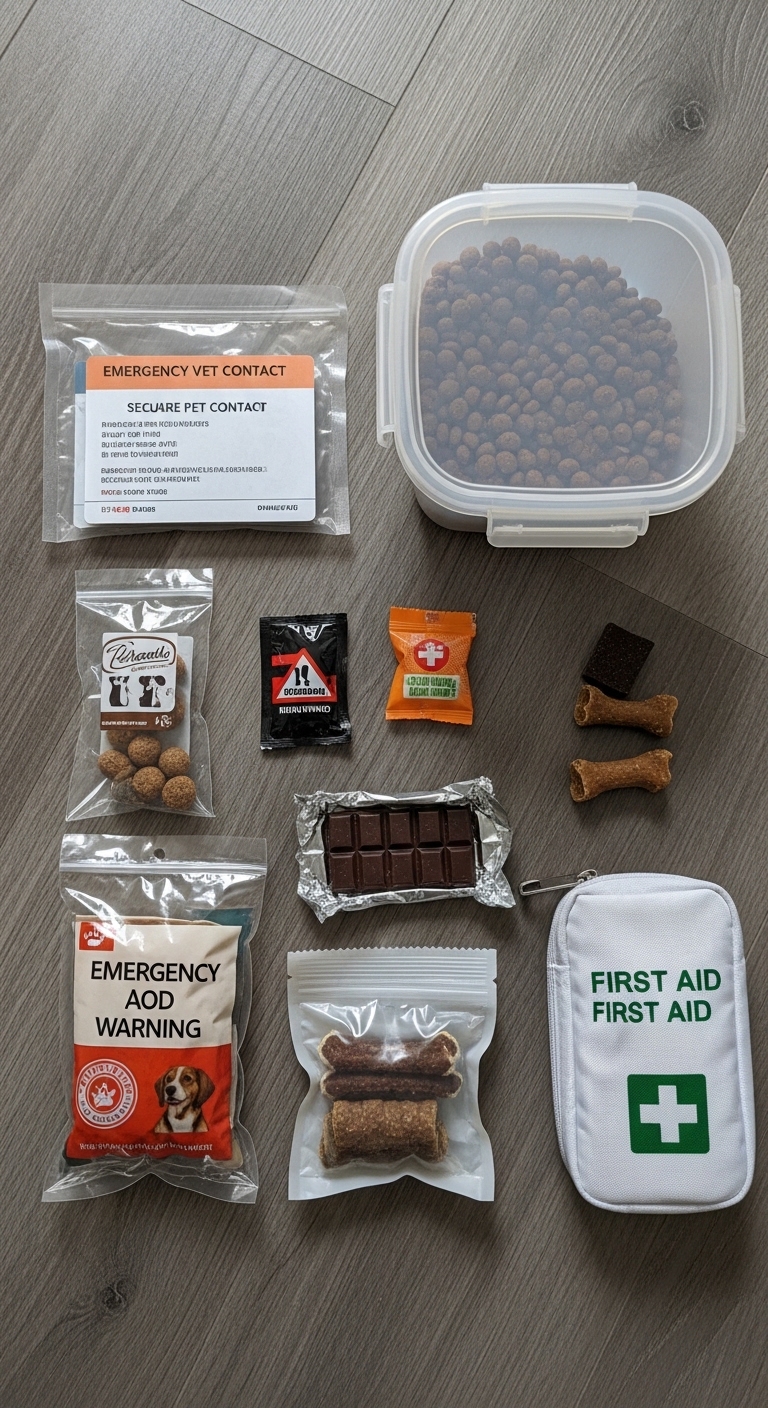
I once saw a case where a tiny Chihuahua ate a single Hershey’s Kiss and ended up in the emergency room. It’s better to be safe than sorry.
Why Dark Chocolate Is the Worst
Dark chocolate and baking chocolate contain the highest levels of theobromine, making them far more dangerous than milk or white chocolate. A single ounce of dark chocolate can be toxic to a small dog, while baking chocolate is even more concentrated. If you bake with chocolate, store it securely and clean up any spills right away. Even cocoa powder is highly toxic and should be kept far from curious paws.
How to Prevent Accidental Ingestion
Keep chocolate in high cabinets or locked containers where your dog can’t reach it. Be especially careful during holidays like Halloween, Easter, and Christmas when chocolate is more abundant. Teach your dog the "leave it" command to discourage them from picking up dropped food. If you have kids, remind them not to share snacks with the dog, no matter how much they beg.
What to Do If Your Dog Eats Chocolate
First, remove any remaining chocolate from their reach. Then, call your vet or a pet poison control hotline immediately. They’ll ask for your dog’s weight, the type and amount of chocolate consumed, and any symptoms you’ve noticed. Do not induce vomiting unless instructed to do so by a professional. Time is critical, so act quickly to get your dog the help they need.
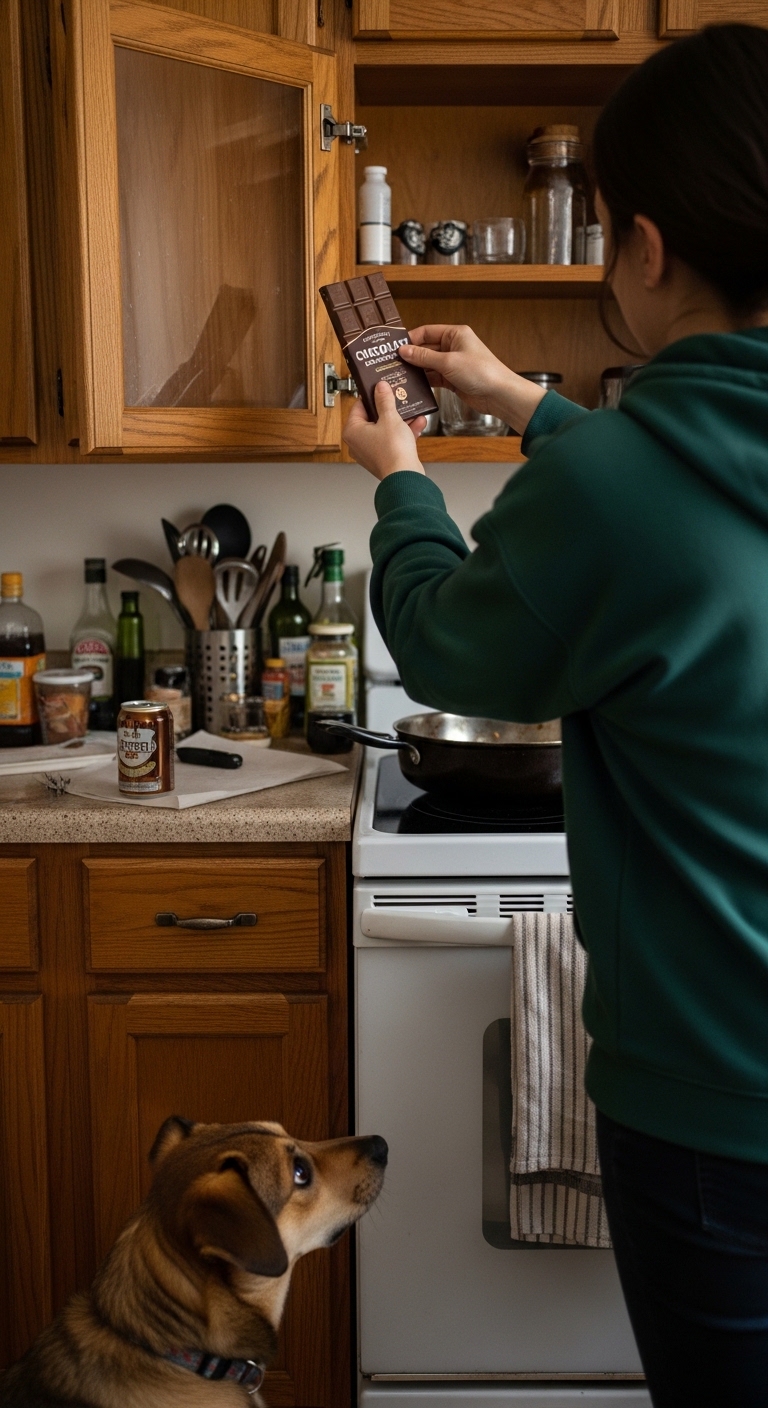
Chocolate toxicity is a serious risk, but with awareness and quick action, you can keep your dog safe.
Frequently Asked Questions
- → How much chocolate is toxic to dogs?
Toxicity depends on the type and amount of chocolate ingested. As a general rule, 20 mg of theobromine per kg of body weight can cause mild symptoms, while 40 mg/kg may lead to severe poisoning. For example, a 10 kg dog could show symptoms after eating about 50g of milk chocolate but only 10g of dark chocolate.
- → What are the signs my dog ate chocolate?
Common symptoms include vomiting, diarrhea, restlessness, excessive thirst, panting, rapid heartbeat, tremors, or seizures. These usually appear within 6 to 12 hours of ingestion. Monitor your dog closely and seek veterinary care if symptoms develop.
- → Can a small amount of chocolate kill a dog?
While a tiny amount may not be fatal, it can still cause significant illness. Dark chocolate and baking chocolate are far more dangerous than milk chocolate. Always err on the side of caution and contact your vet for advice, even if the amount seems small.
- → What should I do if my dog eats chocolate?
Remove any remaining chocolate from their reach and check the wrapper for the type and amount consumed. Call your vet or a pet poison hotline immediately for guidance. Do not induce vomiting unless instructed by a professional, as some methods can cause further harm.
- → Are there safe chocolate alternatives for dogs?
Yes! Carob is a popular dog-safe alternative that mimics chocolate’s taste without theobromine. Look for dog-friendly treats made with carob or other pet-safe ingredients. Always introduce new treats gradually to avoid digestive upset.
- → How long does chocolate poisoning last in dogs?
Symptoms typically appear within 6 to 12 hours and may persist for 12 to 72 hours, depending on the amount ingested and the dog’s size. Severe cases may require hospitalization for supportive care, such as IV fluids or medications to control seizures.