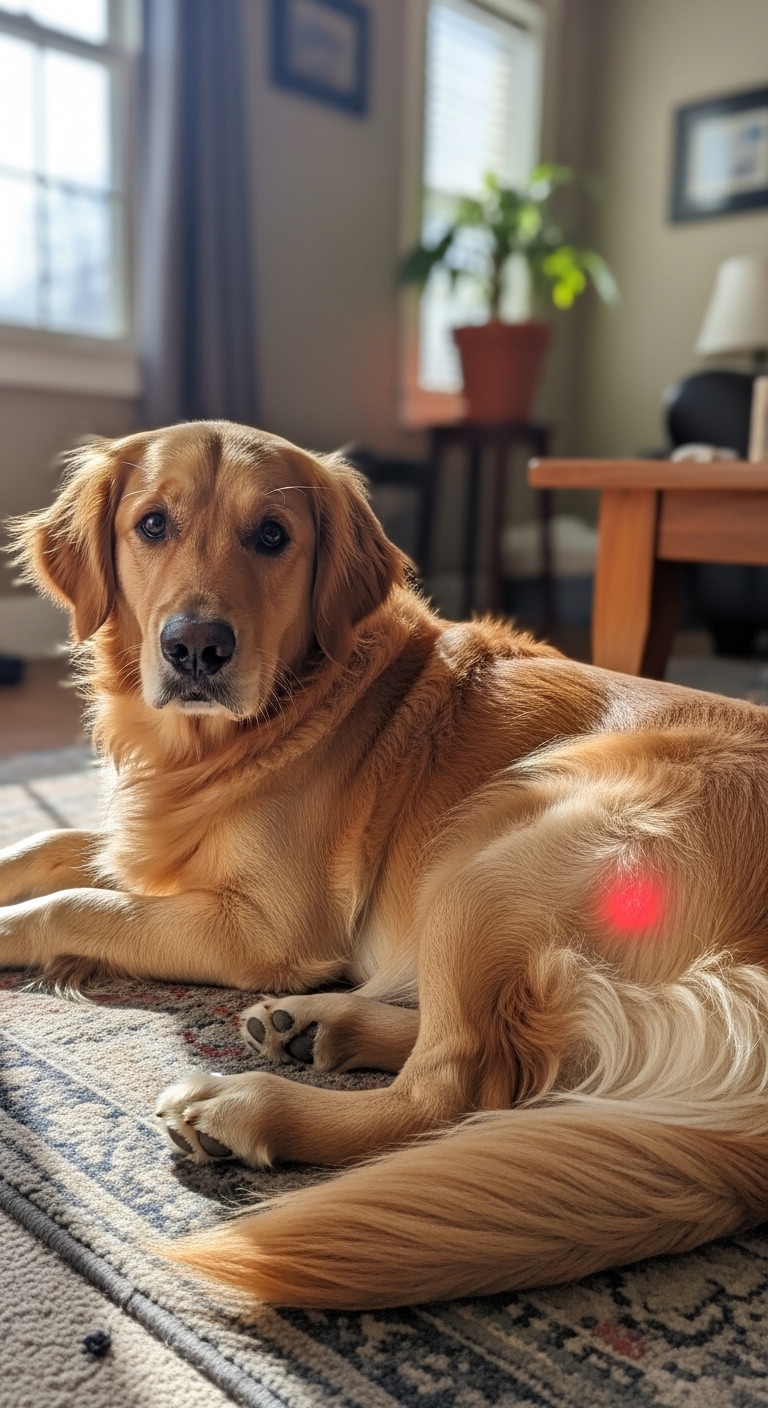
Ticks are easy to miss until they’ve already made themselves at home, and that’s why knowing what to look for can save your dog from discomfort or even serious illness. These tiny hitchhikers latch onto fur, skin, and sometimes even inside ears or between toes, where they feed on blood and can transmit diseases like Lyme or ehrlichiosis. A quick daily check after walks or outdoor play can prevent weeks of worry and vet visits.
I still remember the first time I found a tick on my terrier after a hike: it was the size of a sesame seed, flat and dark, clinging near his paw. I nearly panicked, but once I learned how to recognize them and remove them safely, checking became just another quick routine, like brushing his teeth.
Key Things to Understand
- Ticks start tiny and flat: about the size of a poppy seed, making them hard to see on dark fur
- As they feed: their bodies swell and turn a grayish or reddish color, sometimes looking like a small grape
- They prefer warm, hidden spots: like armpits, groin, ears, and between toes where skin is thin
- Not all ticks carry diseases: but any tick should be removed promptly to reduce risk
- A tick’s mouthparts can break off: if you pull too hard, so using the right technique matters
What to Look For
When you run your hands over your dog’s coat, pay attention to any small, firm bumps that feel different from the surrounding fur. These could be ticks that haven’t fed yet or have just attached. Look closely at areas with less hair, like the belly or inner thighs, where ticks often settle. After outdoor adventures, especially in tall grass or wooded areas, do a thorough check, parting the fur to see the skin. Ticks can also hide in the ears, so gently lift the flap and inspect with a flashlight. If you find something that looks like a tiny dark speck with legs, or a swollen, rounded bump, that’s likely a tick. Don’t confuse it with a scab or a dried seed: ticks have eight legs and a slightly oval shape when unfed.

I once assumed ticks only lived in grassy fields, but after finding one on my dog after a short walk through a city park, I realized they can be anywhere there’s wildlife or even just stray animals passing through. It’s better to check every time, even after a quick backyard trip, because ticks don’t need much space to hitch a ride.
How to check your dog for ticks
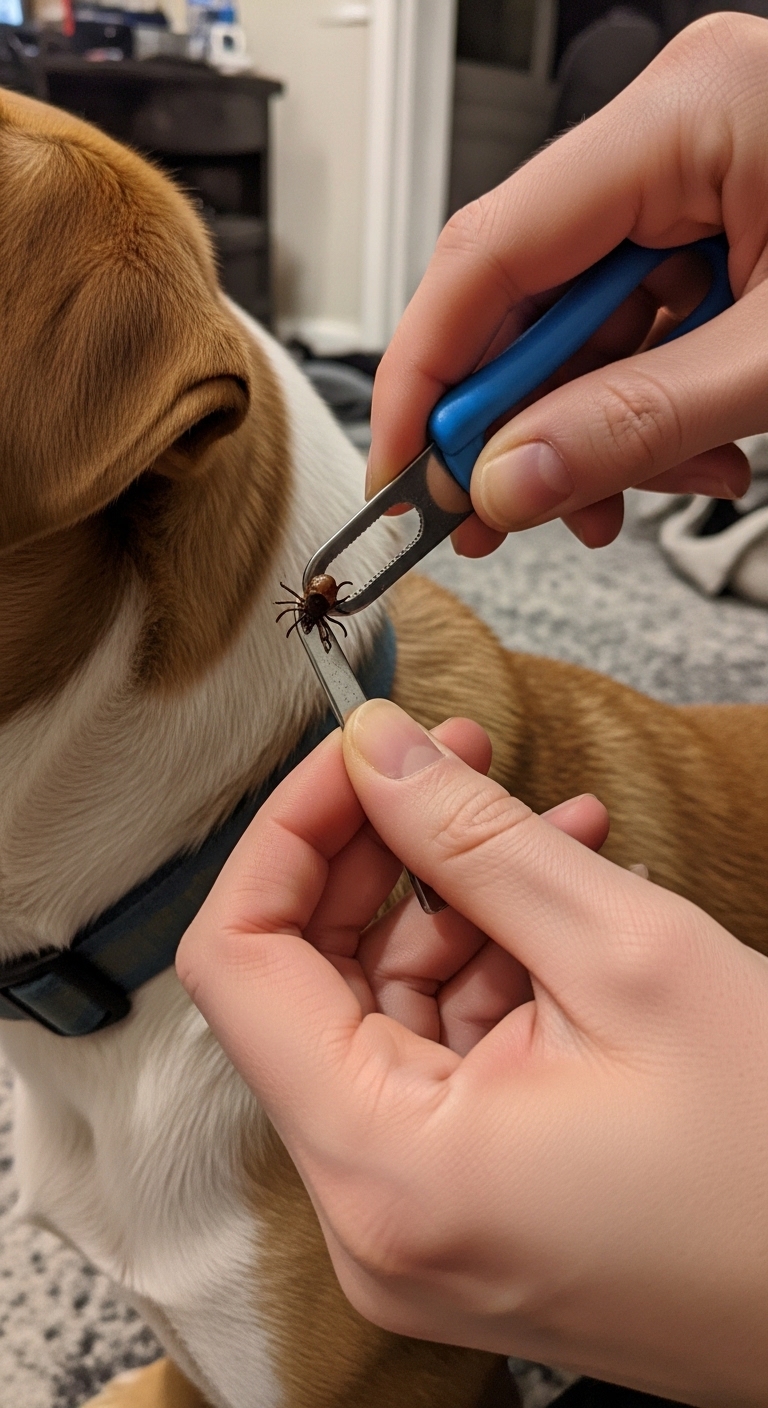
Start by running your fingers through your dog’s fur, feeling for any unusual bumps or raised areas. Pay special attention to the ears, neck, armpits, groin, and between the toes, as these are favorite hiding spots. Use a fine-toothed comb to part the fur and get a closer look at the skin. If you find a tick, don’t squeeze its body: this can cause it to regurgitate fluids back into your dog, increasing disease risk. Instead, use tweezers to grasp the tick’s head right where it meets the skin and pull straight out with steady pressure. After removal, clean the area with antiseptic and monitor your dog for any signs of lethargy, lameness, or loss of appetite over the next few weeks.
Where ticks hide on dogs
Ticks love areas where the skin is warm and thin, so the inner ears are a prime spot. They also crawl into the armpits and groin, where they can stay undisturbed for days. Between the toes is another sneaky location, especially after a walk through leafy trails. Even the eyelids and around the muzzle can harbor ticks, so always check these areas carefully. If your dog has long fur, use your hands to feel for any small, hard lumps that might be ticks in disguise.
Signs your dog might have a tick
You may notice your dog scratching or licking a specific area more than usual, which could indicate a tick’s presence. Sometimes, a small scab or red bump appears where the tick was attached. If you see your dog suddenly limping or favoring a leg, it might be due to a tick lodged between their toes. After removing a tick, keep an eye out for any changes in behavior, such as fatigue or loss of appetite, which could signal a tick-borne illness.
Checking your dog regularly is the best way to keep them safe from ticks and the diseases they carry.
Frequently Asked Questions
- → What do ticks look like on dogs?
Ticks on dogs often resemble small, dark bumps or flat, oval-shaped insects. They can be as tiny as a pinhead or as large as a grape when engorged with blood. Common colors include black, brown, or reddish-brown.
- → Where are ticks commonly found on dogs?
Ticks prefer warm, hidden areas like the ears, armpits, groin, between the toes, and under the collar. Always check these spots after outdoor activities.
- → How can I safely remove a tick from my dog?
Use fine-tipped tweezers to grasp the tick’s head as close to the skin as possible. Pull upward with steady, even pressure. Avoid twisting or squeezing the tick’s body. Clean the bite area with antiseptic and monitor for signs of infection.
- → Are ticks dangerous for dogs?
Yes, ticks can transmit diseases like Lyme disease, ehrlichiosis, and anaplasmosis. Symptoms include fever, lethargy, lameness, or loss of appetite. Prompt removal and preventive measures are crucial.
- → How can I prevent ticks on my dog?
Use vet-approved tick preventatives like topical treatments, oral medications, or tick collars. Keep your yard trimmed, avoid tall grass, and check your dog regularly, especially after walks in wooded or grassy areas.
- → What should I do if my dog has a tick-borne disease?
Contact your vet immediately if you notice symptoms like fever, joint pain, or unusual fatigue. Early diagnosis and treatment can prevent serious complications. Bring the tick to your vet for identification if possible.