
Is sweet potato good for dogs? Many pet owners wonder about this when looking for healthy treats or food additions for their furry friends. Sweet potatoes are packed with nutrients that can benefit dogs, but there are also some important considerations to keep in mind before adding them to their diet.
I’ve seen dogs with sensitive stomachs do really well with small amounts of cooked sweet potato, while others get gassy or uncomfortable if they eat too much too fast. It’s all about watching your dog’s reaction and adjusting accordingly.
Key Things to Understand
- Nutritional benefits: Sweet potatoes are rich in fiber which can aid digestion but too much may cause loose stools or gas. They contain vitamins A, C, and B6 as well as minerals like potassium and manganese which support immune function and energy levels.
- Preparation: Cooked sweet potato is safer than raw because raw can be hard to digest and may cause blockages.
- Portion size: Small dogs should get no more than a teaspoon or two while larger dogs can have up to a tablespoon.
- Introduction: Introduce sweet potato slowly to avoid upsetting your dog’s stomach.
- Avoid seasonings: Avoid seasonings like salt, sugar or spices when preparing sweet potato for dogs.
What to Look For
When considering sweet potatoes for your dog, pay attention to how they respond after eating them. Some dogs may show immediate excitement, especially if they’ve never had them before, while others might take a little time to warm up to the taste. Watch for signs of digestive comfort: firm stools and normal energy levels are good indicators that the sweet potato agrees with them. If you’re buying commercial dog treats with sweet potato, check the ingredient list for fillers or artificial additives. The best options will list sweet potato as one of the first ingredients, meaning it’s a primary component rather than just a minor addition. Also, observe your dog’s coat and skin after introducing sweet potato regularly. A shinier coat or fewer skin irritations could suggest the added nutrients are making a positive difference.
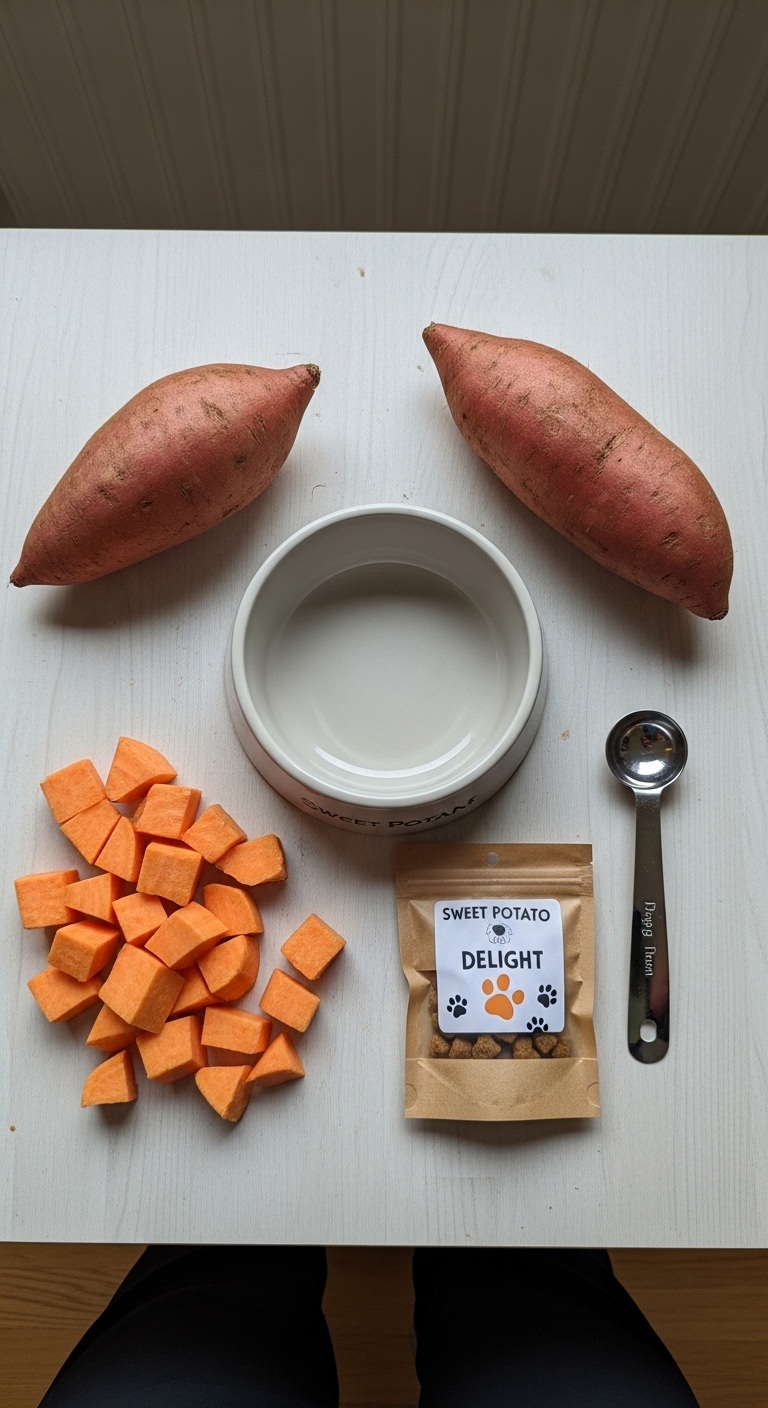
I’ve noticed that dogs with joint issues often benefit from the anti-inflammatory properties of sweet potatoes, especially when combined with other healthy ingredients like pumpkin or coconut oil. Just be mindful of the sugar content if your dog is less active or prone to weight gain.
How to Serve Sweet Potatoes to Dogs
The best way to serve sweet potatoes is cooked and plain, without any seasoning. Boiling or baking is ideal as it softens the texture and makes it easier for dogs to digest. Mashing the sweet potato and mixing it into their regular food can be a simple way to introduce it. For a treat, you can cut it into small cubes or thin slices and bake them until they’re chewy but not hard.
Sweet Potato vs Regular Potato for Dogs
While both are starchy vegetables, sweet potatoes are generally better for dogs because they have a lower glycemic index and more fiber. Regular potatoes should only be given in moderation and always cooked, as raw potatoes contain solanine, a compound that can be toxic. Sweet potatoes also offer more nutritional benefits, making them the healthier choice overall.
Signs Your Dog Might Not Tolerate Sweet Potatoes
If your dog experiences diarrhea, vomiting, or excessive gas after eating sweet potatoes, it’s a sign they may not tolerate them well. Some dogs might also develop itchy skin or ear infections if they have an allergy. If you notice any of these symptoms, stop feeding sweet potatoes and consult your vet.

Sweet potatoes can be a healthy addition to your dog’s diet if introduced carefully and in moderation.
Frequently Asked Questions
- → Can dogs eat sweet potatoes?
Yes, dogs can safely eat sweet potatoes in moderation. They are non-toxic and offer several health benefits, including fiber, vitamins, and antioxidants. However, always cook them thoroughly and avoid seasonings.
- → How much sweet potato can I give my dog?
Start with small amounts: 1-2 teaspoons for small dogs and 1-2 tablespoons for larger breeds. Too much can cause digestive upset due to the high fiber content.
- → Is raw sweet potato safe for dogs?
No, raw sweet potatoes are hard to digest and may cause choking hazards. Always cook them thoroughly before feeding to your dog.
- → Can sweet potatoes help with my dog’s digestion?
Yes, the fiber in sweet potatoes can support healthy digestion and regulate bowel movements. They’re especially helpful for dogs with sensitive stomachs.
- → Are sweet potatoes good for diabetic dogs?
Sweet potatoes have a moderate glycemic index, so they should be given in small amounts to diabetic dogs. Always consult your vet before introducing new foods to a diabetic pet.
- → How should I prepare sweet potatoes for my dog?
Boil, bake, or steam sweet potatoes without any seasoning, oils, or sweeteners. Remove the skin before serving to avoid digestive issues.
- → Can puppies eat sweet potatoes?
Yes, puppies can eat sweet potatoes in small, age-appropriate portions. Ensure they are cooked and served plain to avoid any digestive problems.