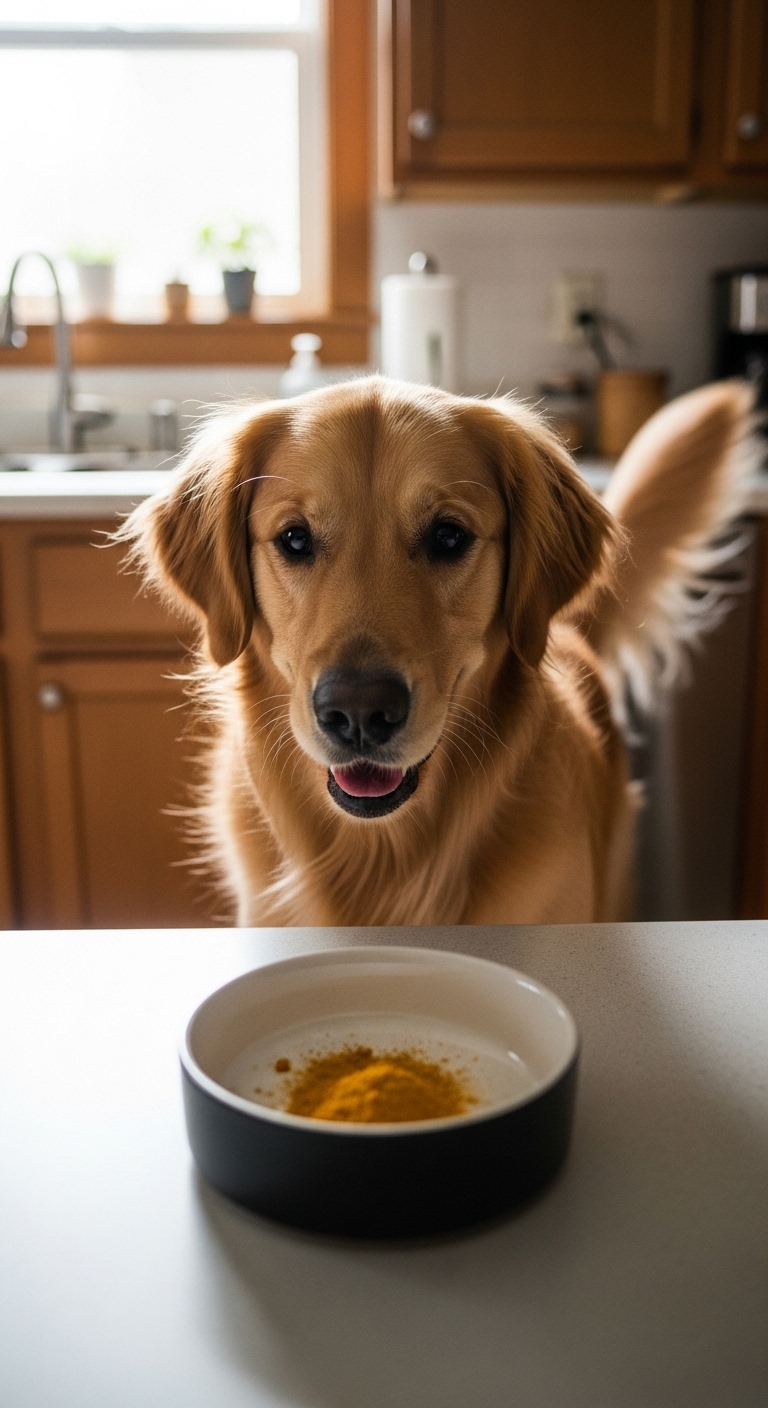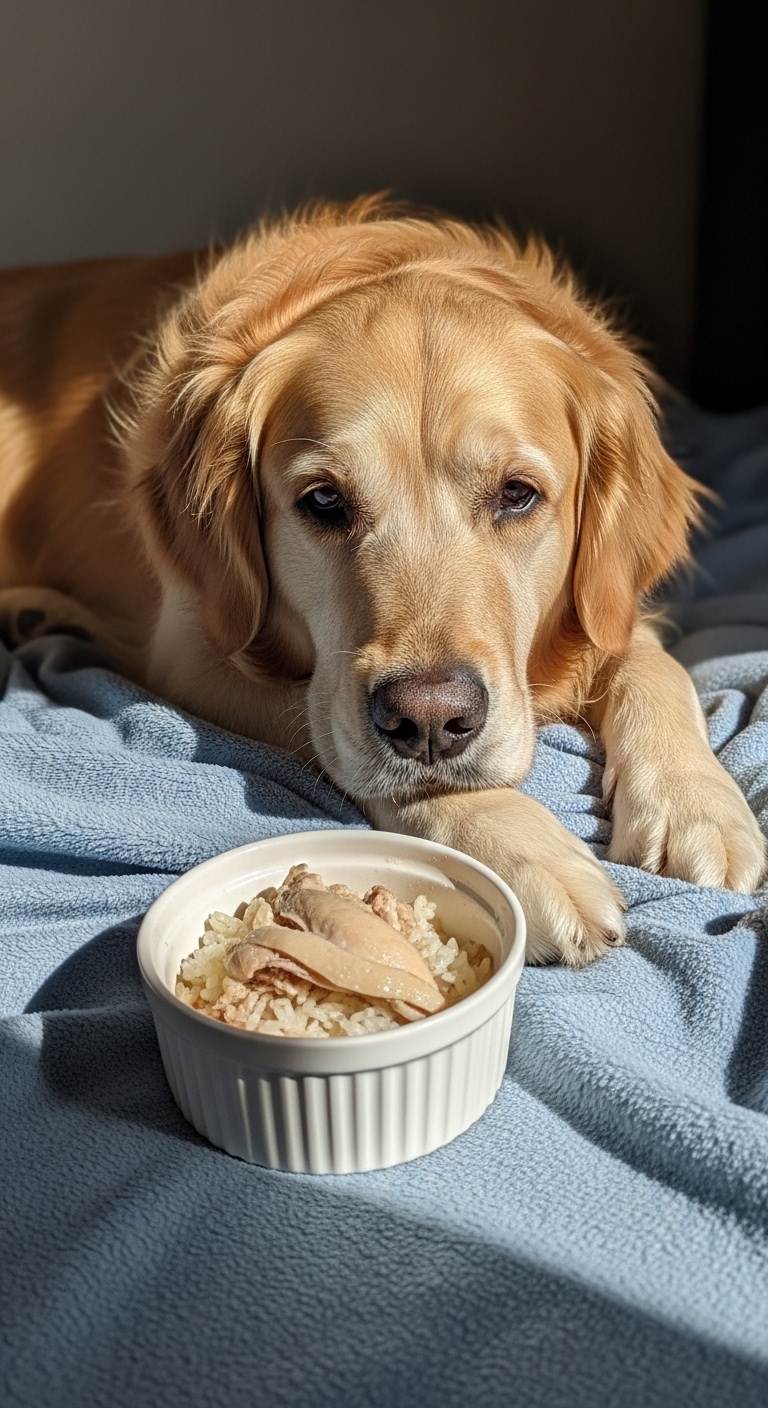
What causes hot spots on dogs isn’t just a random skin issue: it’s a frustrating problem that can turn a happy pup into a miserable one in just a few days. These red, oozing sores often appear suddenly, usually on the head, legs, or hips, and they can spread fast if left untreated. Hot spots, also called acute moist dermatitis, aren’t just painful for your dog: they’re also a sign that something deeper is going on with their health or environment. Whether it’s allergies, fleas, boredom, or even an old injury that’s gotten infected, these spots demand attention before they get worse. For any dog owner, understanding what triggers them is the first step to keeping your furry friend comfortable and preventing future flare-ups.
I’ve seen dogs go from scratching constantly to almost normal within a week just by changing their diet and adding a few extra grooming steps. It’s amazing how small tweaks can make such a big difference.
Key Things to Understand
- Hot spots develop when bacteria thrive on irritated skin: creating a cycle of itching and infection.
- The most common triggers are allergies: whether from food, pollen, or flea bites.
- Moisture trapped in the fur: like after a swim or in humid weather, can also set them off.
- Even minor cuts or scrapes: can become infected if your dog licks or chews at them.
- Stress and boredom: lead to excessive scratching, which breaks the skin and invites bacteria in.
- Some breeds with thick coats or skin folds: are more prone to hot spots, so extra grooming is a must.
What to Look For
Pay attention to any sudden changes in your dog’s behavior, especially if they start licking or biting at one spot repeatedly. Hot spots often look like raw, red patches that may ooze or have a foul smell. You might notice hair loss around the area or scabs forming as the skin tries to heal. If your dog seems restless or avoids being touched near the sore, it’s a clear sign they’re in pain. Sometimes, the problem starts small: a tiny bump or a patch of damp fur, but within hours, it can turn into a full-blown hot spot.
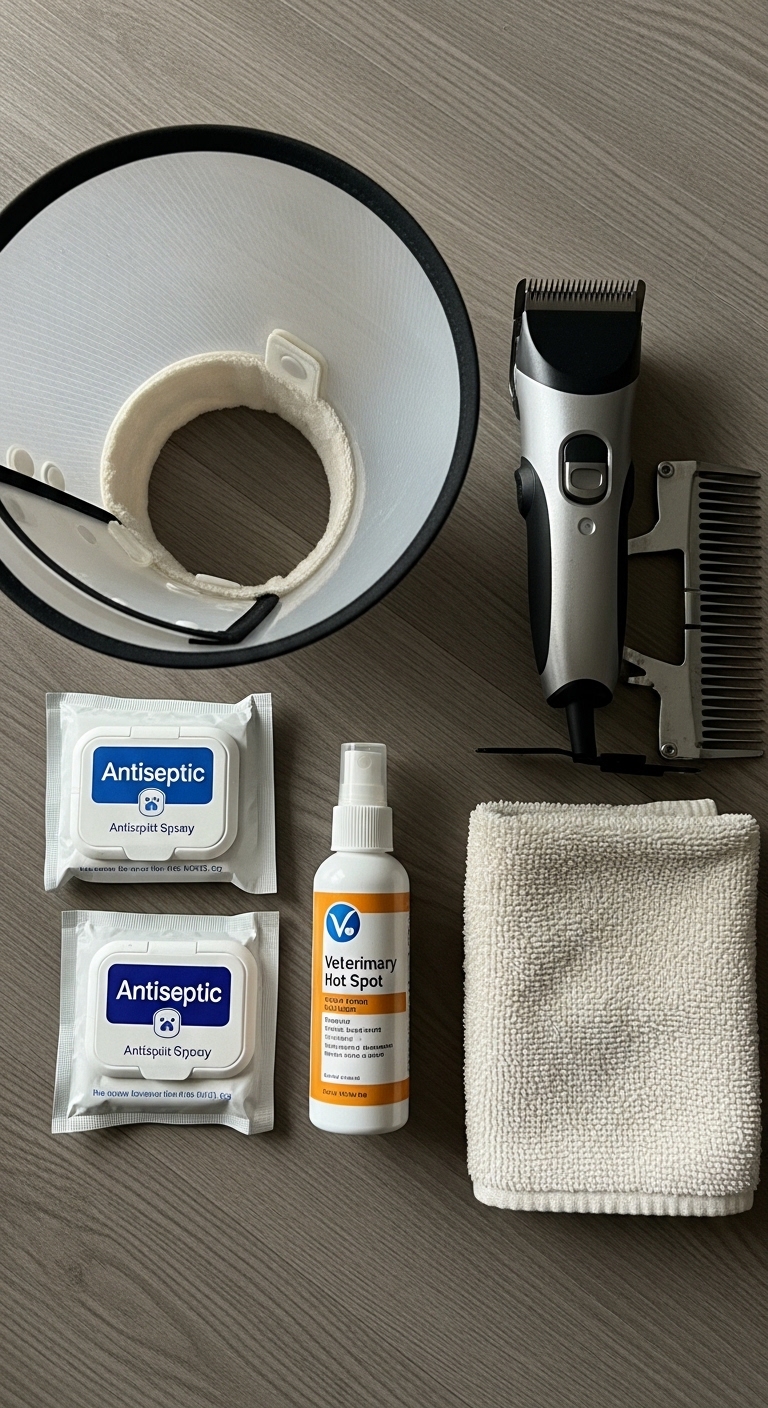
I once had a client whose dog kept getting hot spots every summer, and it turned out to be a food allergy they hadn’t noticed. Switching to a limited-ingredient diet cleared it up completely. It’s easy to assume it’s just fleas or seasonal changes, but sometimes the answer is in their bowl.
Common mistakes to avoid
One of the biggest mistakes is assuming hot spots will heal on their own. Without treatment, they can spread quickly and become much harder to manage. Another error is using human products like hydrogen peroxide or alcohol, which can burn your dog’s sensitive skin. Also, don’t rely solely on over-the-counter creams without checking with your vet first: some ingredients can be toxic to dogs. Finally, skipping the vet visit when the hot spot is large or in a hard-to-reach spot can delay proper care.
Daily care habits to prevent hot spots
Regular grooming is your best defense. Brush your dog frequently to remove loose fur and prevent matting, especially in breeds with thick coats. After baths or swimming, dry their fur thoroughly, paying extra attention to areas like the armpits and between the toes. Check their skin weekly for any signs of irritation or small wounds. If your dog is prone to allergies, consider switching to a hypoallergenic shampoo and wiping their paws after walks to remove pollen or grass. Keeping their bedding clean and dry also reduces the chance of bacteria buildup.
When to see the vet
If the hot spot is larger than a quarter, oozes pus, or doesn’t improve within 48 hours of home care, it’s time for a professional. Your vet can prescribe antibiotics or anti-inflammatory meds to stop the infection in its tracks. They might also recommend allergy testing if they suspect environmental triggers. Don’t wait until your dog is in obvious pain: early intervention saves time, money, and discomfort for both of you.
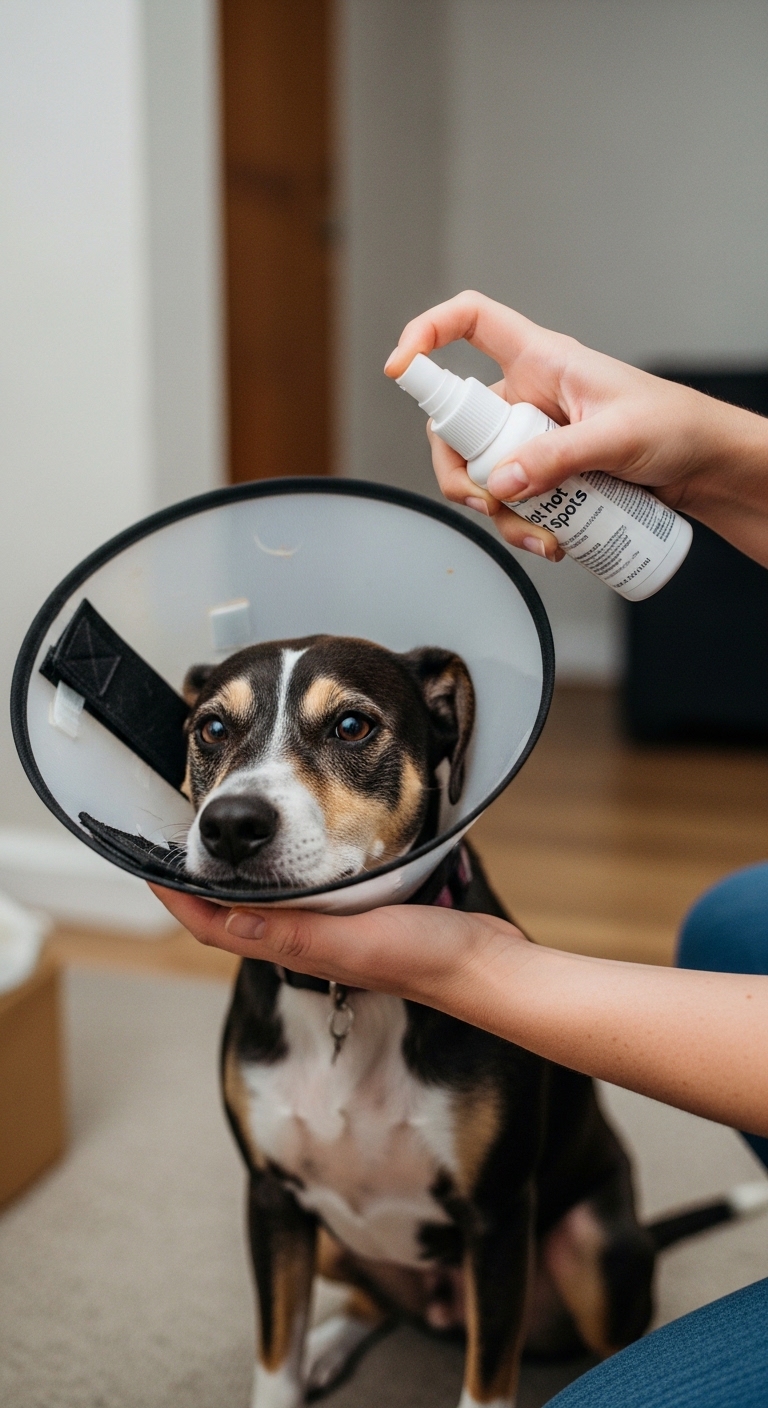
The key to managing hot spots is acting fast and staying consistent. It’s not just about treating the spot: it’s about figuring out why it happened in the first place.
Frequently Asked Questions
- → What are the most common causes of hot spots in dogs?
Hot spots often result from allergies (to food, pollen, or fleas), flea bites, excessive moisture from swimming or bathing, skin infections, or compulsive licking and scratching due to boredom or anxiety.
- → Can hot spots heal on their own without treatment?
While mild hot spots may improve with basic care, most require veterinary treatment to prevent infection and scarring. Left untreated, they can spread and become severely painful for your dog.
- → How can I prevent hot spots in my dog?
Regular grooming, especially for long-haired breeds, helps prevent matting and moisture buildup. Use flea prevention year-round, keep your dog's skin dry after baths or swimming, and address allergies promptly with your vet.
- → What’s the best way to treat a dog’s hot spot at home?
Clean the area gently with a vet-approved antiseptic solution, trim surrounding fur to allow airflow, and apply a soothing topical treatment. Prevent your dog from licking or scratching the spot using an e-collar if needed.
- → Are certain dog breeds more prone to hot spots?
Yes, breeds with thick coats like Golden Retrievers, Labradors, and German Shepherds are more susceptible. Dogs with skin folds or those prone to allergies also have a higher risk of developing hot spots.
- → When should I take my dog to the vet for a hot spot?
See a vet if the hot spot is larger than a quarter, oozes pus, smells foul, or doesn’t improve within 24–48 hours of home care. Severe or recurring hot spots may indicate an underlying health issue.