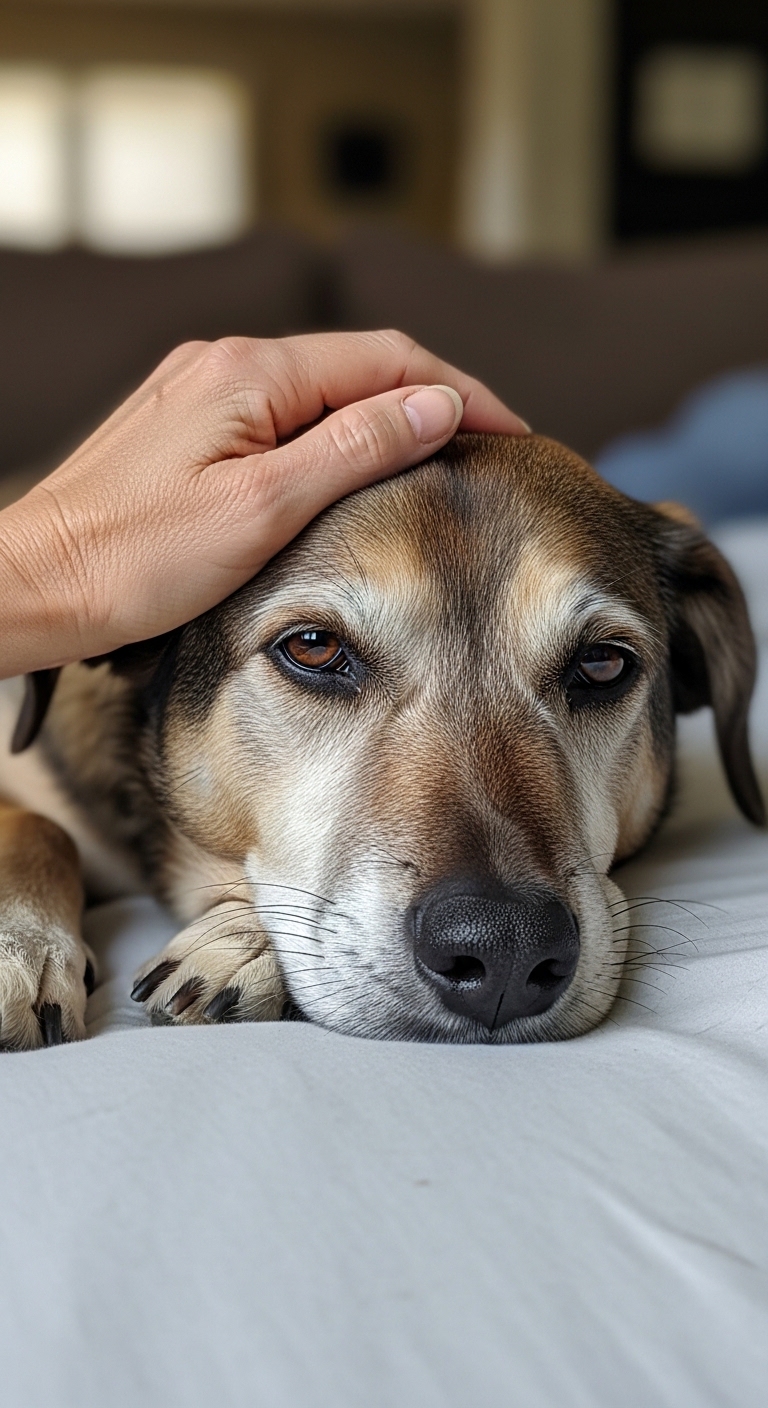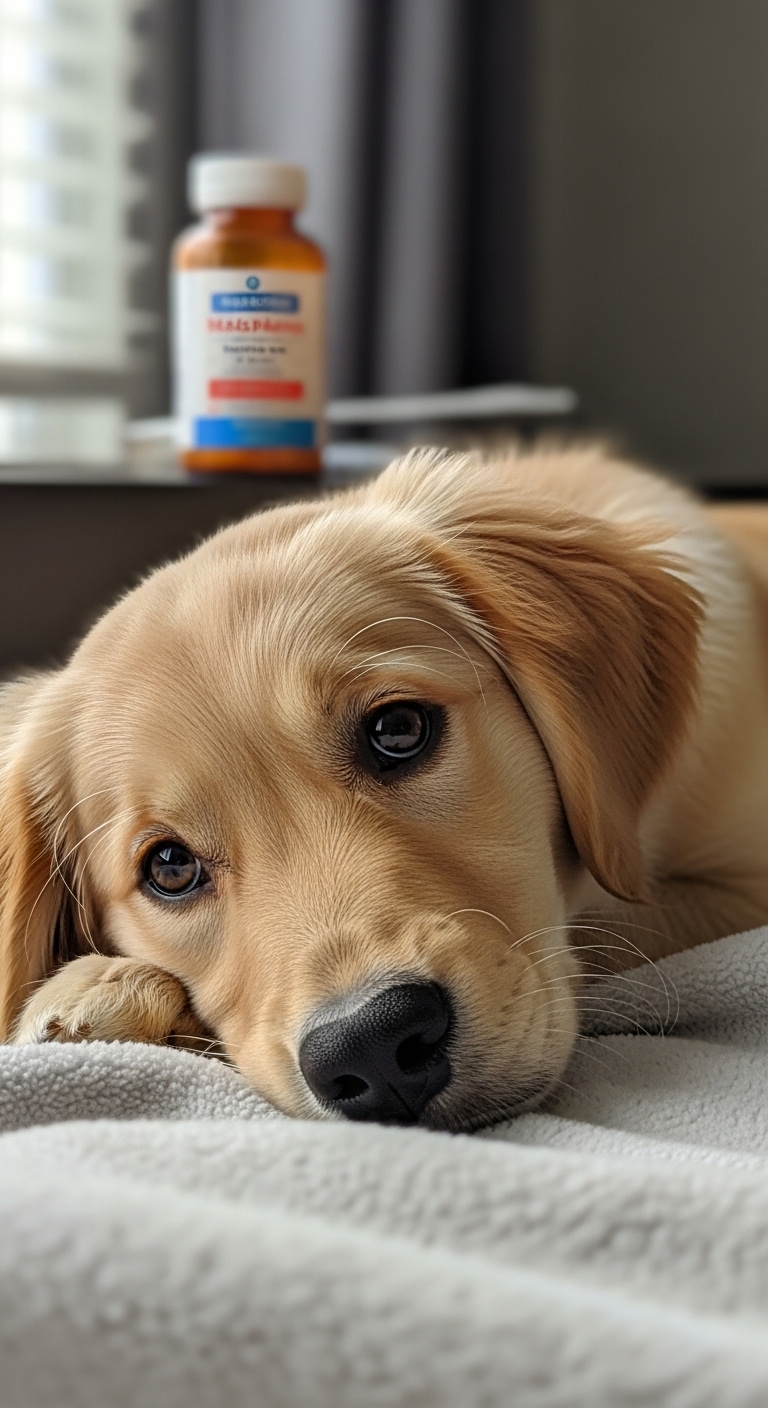
Ibuprofen is one of those human pain relievers that pet owners sometimes reach for when their dog seems uncomfortable, but it’s far more dangerous than most realize. A few extra-strength tablets might take the edge off your own headache, yet the same dose can quietly damage a dog’s kidneys, stomach lining, or liver before you even notice symptoms. Even a single pill meant for a large dog can be risky for a smaller breed, and what starts as mild relief can spiral into something much worse. Knowing the risks isn’t just about avoiding mistakes, it’s about protecting your dog from unnecessary pain and expensive vet bills.
I’ve seen too many cases where a dog’s limp or stiffness led to a quick trip to the medicine cabinet, only for the owner to realize later that the quick fix caused more harm than good. It’s not just about the pill itself, it’s about knowing when to step back and ask for real help instead of guessing.
Key Things to Understand
- Ibuprofen is toxic to dogs: Their bodies process it differently than humans
- Even a single 200mg tablet can cause serious harm: To a small dog under 20 pounds
- Symptoms of poisoning may not appear for hours or even days: After ingestion
- Dogs metabolize medications much slower: So what seems like a safe dose isn’t
- Over-the-counter human pain relievers are never a substitute: For vet-approved options
What to Look For
Watch for subtle changes in your dog’s behavior after they’ve had access to human medications. Lethargy, loss of appetite, vomiting, or diarrhea can all signal trouble, but these signs often don’t show up right away. Some dogs will drink more water than usual as their body tries to flush out the toxin, while others may seem restless or unable to get comfortable. Pay attention to how they move: stiffness or reluctance to put weight on a limb might mask deeper discomfort caused by organ stress. If you notice any of these signs, especially within 24 hours of suspected ingestion, it’s time to call your vet or an emergency clinic immediately.
I once had a client who gave their 35-pound lab a single ibuprofen tablet for a swollen paw, thinking it was harmless. By the next morning, the dog was refusing food and acting unusually quiet. A quick call to the vet saved the day, but it was a close call that could have ended much worse. The lesson? When in doubt, always check with a professional instead of relying on guesswork.
Safer Alternatives for Canine Pain Relief
Instead of ibuprofen, consider vet-recommended options like carprofen, deracoxib, or grapiprant, which are specifically formulated for dogs. These medications target inflammation without the same harsh effects on the stomach and kidneys. For mild discomfort, natural supplements such as glucosamine, chondroitin, or omega-3 fatty acids can help support joint health over time. Always introduce new supplements gradually and monitor your dog for any adverse reactions. If your dog’s pain persists or worsens, it’s a sign they need professional evaluation rather than over-the-counter solutions.
Recognizing the Signs of Ibuprofen Poisoning
Early symptoms of ibuprofen toxicity in dogs often include vomiting, diarrhea, and loss of appetite. As the poisoning progresses, you might notice dark or tarry stools, increased thirst, or signs of abdominal pain like whining or reluctance to move. In severe cases, dogs may develop ulcers, kidney failure, or seizures. The timeline varies: some dogs show symptoms within a few hours, while others may take up to 5 days to display signs. If you suspect your dog has ingested ibuprofen, don’t wait for symptoms to appear. Contact your vet immediately for guidance on inducing vomiting or administering activated charcoal to help absorb the toxin.
When to Skip the Home Remedy and Call the Vet
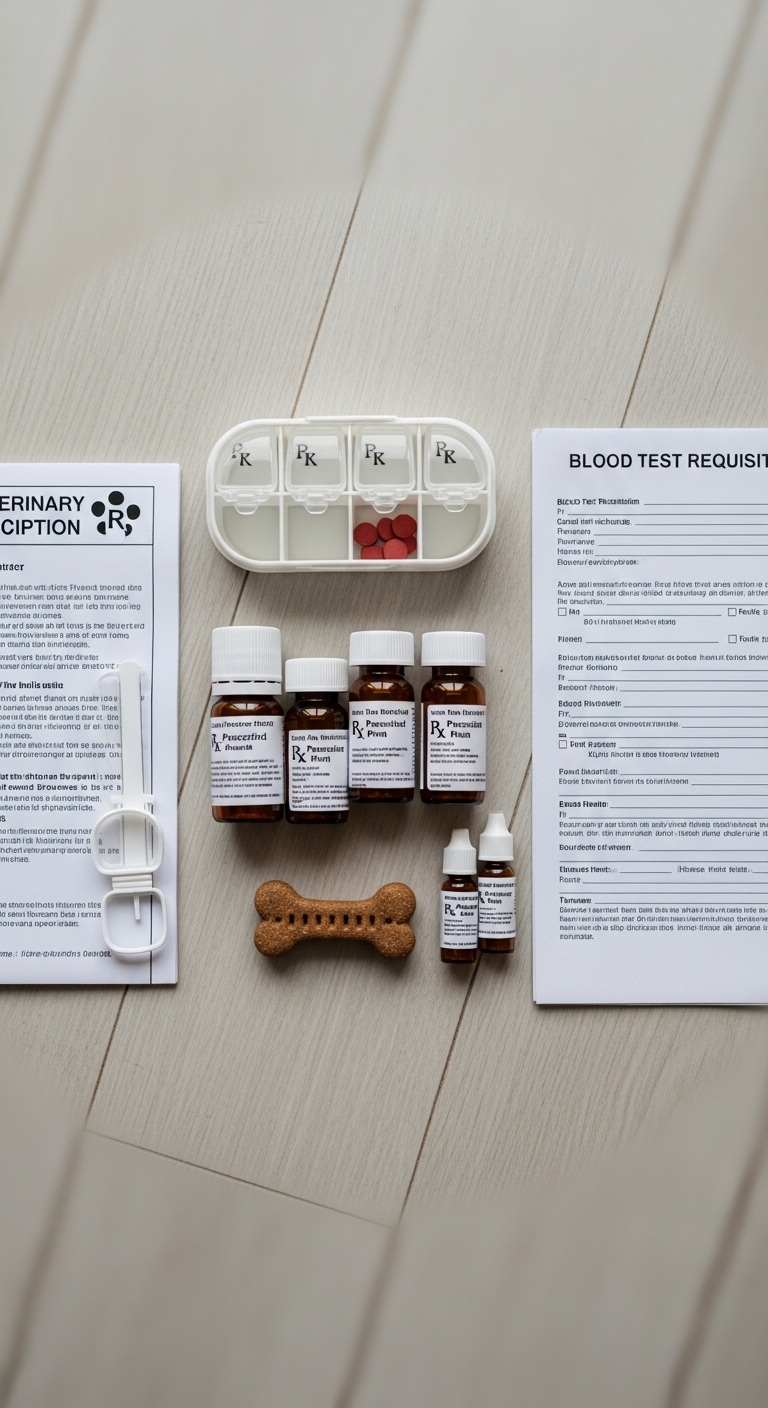
If your dog has ingested more than a minimal amount of ibuprofen, or if they’re showing any signs of distress, skip the home remedies and head straight to the vet. Even if your dog seems fine now, the damage might already be underway internally. Vets can perform blood tests to check kidney and liver function, and they may recommend IV fluids or other treatments to flush out the toxin. In cases of severe poisoning, hospitalization might be necessary to monitor organ function and provide supportive care. The sooner you act, the better the chances of a full recovery.

When in doubt, always check with a professional instead of relying on guesswork.
Frequently Asked Questions
- → Why is ibuprofen dangerous for dogs?
Ibuprofen is toxic to dogs because their bodies cannot metabolize it properly. It can cause stomach ulcers, kidney failure, and other life-threatening conditions even in small doses.
- → What should I do if my dog eats ibuprofen?
Contact your vet or a pet poison hotline immediately. Do not induce vomiting unless instructed by a professional, as this could worsen the situation.
- → Are there safe pain relief options for dogs?
Yes, your vet can prescribe dog-safe pain medications like carprofen or grapiprant. Always follow veterinary advice for dosage and administration.
- → How can I tell if my dog is in pain?
Signs of pain in dogs include limping, whining, changes in appetite, restlessness, or aggression. If you notice these symptoms, consult your vet.
- → Can I give my dog baby aspirin?
No, baby aspirin is still a form of ibuprofen and is unsafe for dogs. Always use medications specifically formulated for canine use.
- → What are the symptoms of ibuprofen poisoning in dogs?
Symptoms include vomiting, diarrhea, lethargy, loss of appetite, abdominal pain, and dark stools. Seek emergency care if these occur.
- → How can I prevent my dog from accessing human medications?
Store all medications in secure cabinets or high shelves. Keep handbags, purses, and nightstands out of reach, and dispose of expired pills properly.