
You may have reached for a bottle of Tylenol at some point when your dog seemed uncomfortable, only to pause and wonder if it’s safe. Pain relief for pets isn’t as straightforward as it is for humans, and giving the wrong medication can do more harm than good. Knowing what’s okay to give and when to call the vet can make all the difference in keeping your dog comfortable without risking their health.
I once gave my neighbor’s dog a tiny bit of baby aspirin during a late-night emergency, only to realize later that it was the wrong move. That moment taught me just how quickly assumptions about pet meds can go wrong and why it’s always better to double-check before acting.
Key Things to Understand
- Never give your dog Tylenol without first consulting a vet: Human pain relievers like acetaminophen can cause liver failure in dogs
- Even a small dose can be toxic: Depending on your dog’s size and breed
- Signs of poisoning include: Vomiting, lethargy, and trouble breathing
- Always keep human medications out of reach: To prevent accidental ingestion
What to Look For
Watch for subtle changes in your dog’s behavior, like avoiding movement or whining when touched, as these often signal pain. Pay attention to their appetite too: if they’re suddenly skipping meals, it could mean they’re feeling unwell. When it comes to medication, always check the label for ingredients like acetaminophen, which is the active ingredient in Tylenol. If you’re unsure, a quick call to your vet can save you from making a risky choice. Also, keep an eye on their gums: pale or bluish gums can indicate a serious reaction to something they’ve ingested.
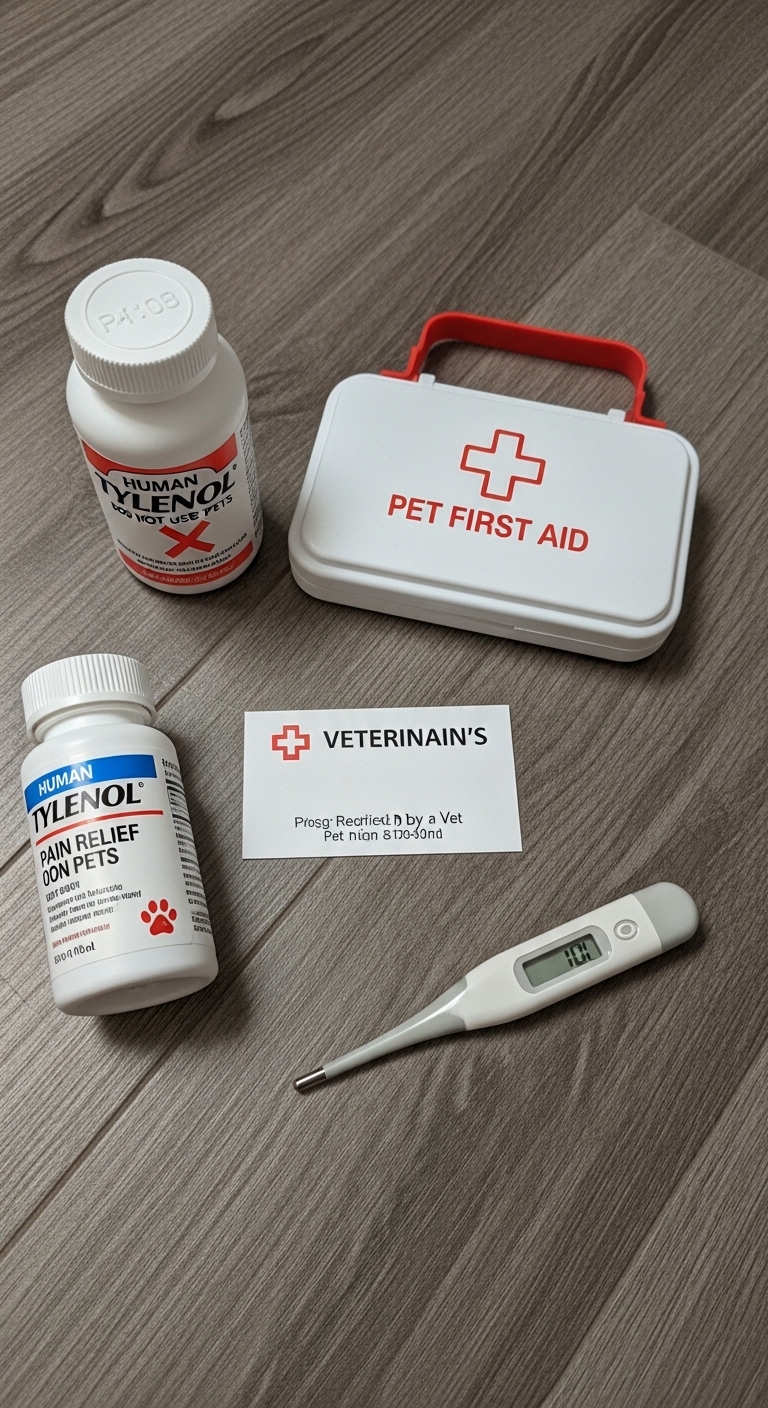
A common mistake is assuming that because a medication is safe for humans, it must be safe for dogs too. I’ve seen cases where well-meaning owners gave their dogs ibuprofen or naproxen, only to face serious consequences. Always confirm with your vet before giving anything new, even if it’s something you’ve used before.
Safe Alternatives When Pain Relief Is Needed
If your dog is clearly uncomfortable, focus on non-medication options first. A warm compress on sore joints can help, as can gentle massage to ease tension. Make sure they have a soft, supportive place to rest, especially if they’re older or recovering from an injury. If the pain seems severe or persistent, resist the urge to self-treat and schedule a vet visit instead. Sometimes, the best relief comes from identifying the root cause rather than masking the symptoms.
When to Skip Home Remedies and Call the Vet
If your dog’s pain is sudden or severe, don’t wait to see if it improves. Difficulty breathing, extreme lethargy, or signs of distress like pacing or whining nonstop are red flags. Also, if you suspect they’ve ingested something toxic, act fast: time is critical in poisoning cases. Trust your instincts: if something feels off, it’s better to make that call than regret not acting sooner.
How to Store Medications Properly
Keep all human medications in a locked cabinet or high shelf where your dog can’t reach them. Even empty pill bottles can tempt a curious pup, so store those out of sight too. If you’re traveling, use a travel-sized pill case with a secure lid to prevent spills. Remember, dogs are resourceful when it comes to getting into things, so always err on the side of caution.
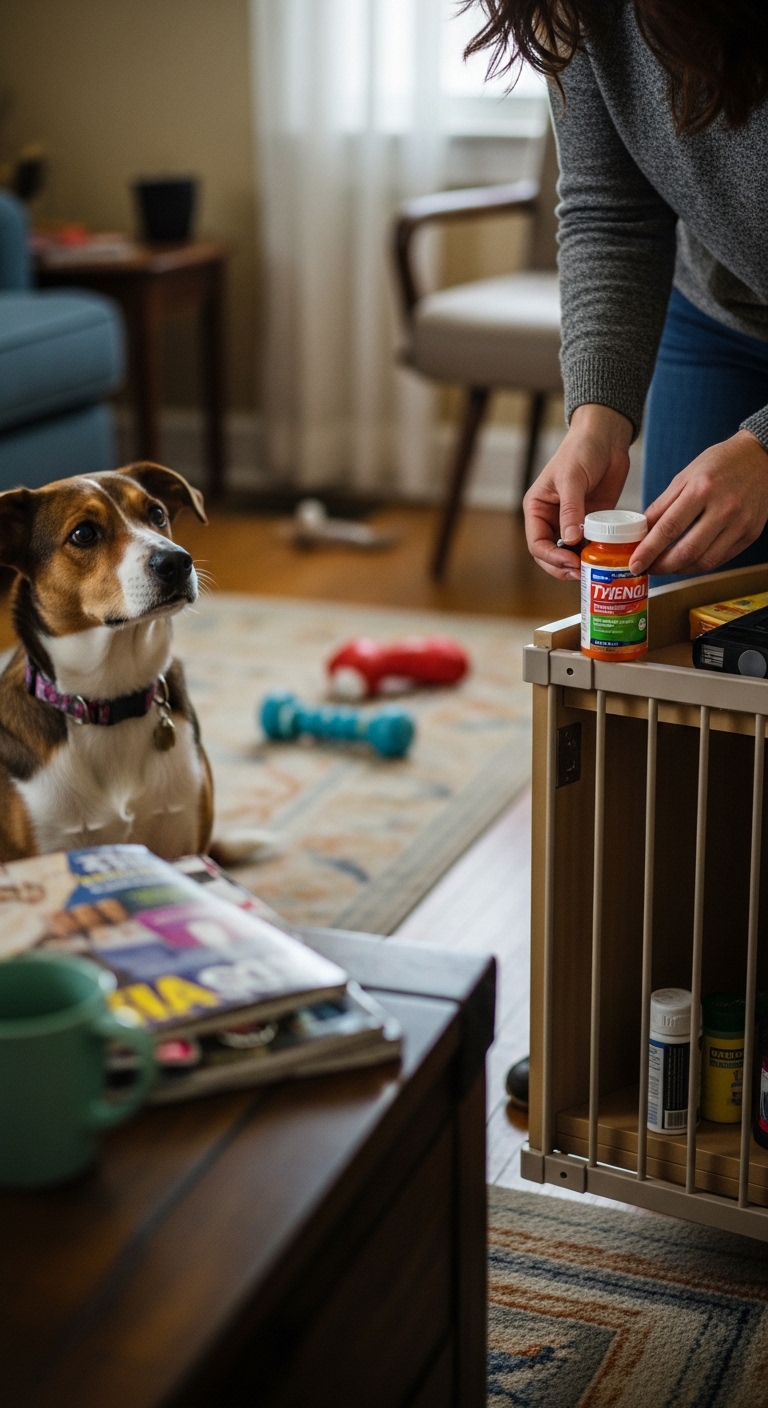
Always prioritize your dog’s safety by verifying any medication with a professional first.
Frequently Asked Questions
- → Can I give my dog a baby aspirin or regular tylenol for pain?
No, you should never give your dog tylenol or baby aspirin without explicit veterinary approval. Both medications are highly toxic to dogs and can cause fatal liver damage, even in small doses. Always consult your vet before administering any human medication.
- → What should I do if my dog ate tylenol accidentally?
If your dog ingests tylenol, contact your veterinarian or an emergency pet poison hotline immediately. Do not induce vomiting unless specifically instructed by a professional, as this could worsen the situation depending on the timing of ingestion.
- → Are there any safe human pain relievers for dogs?
Some human medications are safe for dogs in specific situations, but this must be determined by your veterinarian. Common pet-safe alternatives include carprofen (Rimadyl) or meloxicam (Metacam), which are FDA-approved for canine use under veterinary supervision.
- → How much tylenol is toxic to a dog?
Even very small amounts of tylenol can be toxic to dogs. The lethal dose is approximately 150-200 mg per kilogram of body weight, but symptoms can appear at much lower doses. A single 325mg tablet could be dangerous for a small dog weighing under 10 pounds.
- → What are the signs my dog has tylenol poisoning?
Early signs include vomiting, loss of appetite, and lethargy within 12-24 hours. As poisoning progresses, you may notice yellowing of gums or skin (jaundice), dark urine, increased thirst, and difficulty breathing. These symptoms require immediate veterinary attention.
- → Can I use children's tylenol for my dog if the dose is smaller?
No, children's tylenol is still dangerous for dogs regardless of the reduced dose. The active ingredient (acetaminophen) is the same and equally toxic. Never adjust human medication dosages for pets without veterinary guidance.
- → What natural pain relief options are safe for dogs?
Safe natural options include omega-3 fatty acids for inflammation, glucosamine/chondroitin for joint pain, and turmeric (in vet-approved formulations). Always consult your vet before starting any new supplement, as some natural remedies can interact with medications.