
Chocolate is everywhere: holidays, gifts, baking, even coffee flavors. It’s easy to forget that what’s a sweet treat for us can be dangerous for dogs. Theobromine, the compound in chocolate that gives humans a mild buzz, is toxic to dogs and can lead to serious health issues. Even small amounts can cause problems, especially for smaller breeds or dogs with pre-existing conditions. Knowing how much chocolate is too much could save your pet from a trip to the vet.
You might not realize how sneaky chocolate can be: wrappers, crumbs, or even a dropped piece on a walk can be tempting for a curious dog. I once saw a friend’s small terrier snatch a single chocolate chip off the floor, and within hours, the dog was shaking and vomiting. A quick call to the vet and some activated charcoal later, the dog was fine, but it was a wake-up call about how easy it is for accidents to happen.
Key Things to Understand
- The darker the chocolate the more dangerous it is: because it contains higher levels of theobromine
- Baking chocolate and cocoa powder are the most toxic forms:
- Even white chocolate contains small amounts of theobromine: but is generally less risky
- The size and breed of your dog play a big role: in how much chocolate is unsafe
- Symptoms of poisoning can take hours to appear: so acting fast is key
What to Look For
Watch for signs like vomiting, diarrhea, restlessness, or excessive thirst in the hours after your dog eats chocolate. These early symptoms often start within 6 to 12 hours but can take up to 24 hours to show. If you notice your dog acting unusually hyper or seeking out water constantly, it’s worth checking if they got into something they shouldn’t have. Pay attention to the type of chocolate too: if it’s dark or baking chocolate, even a small piece can be a problem. Keep an eye on their energy levels and appetite as well, since lethargy or refusing food can signal something is wrong.
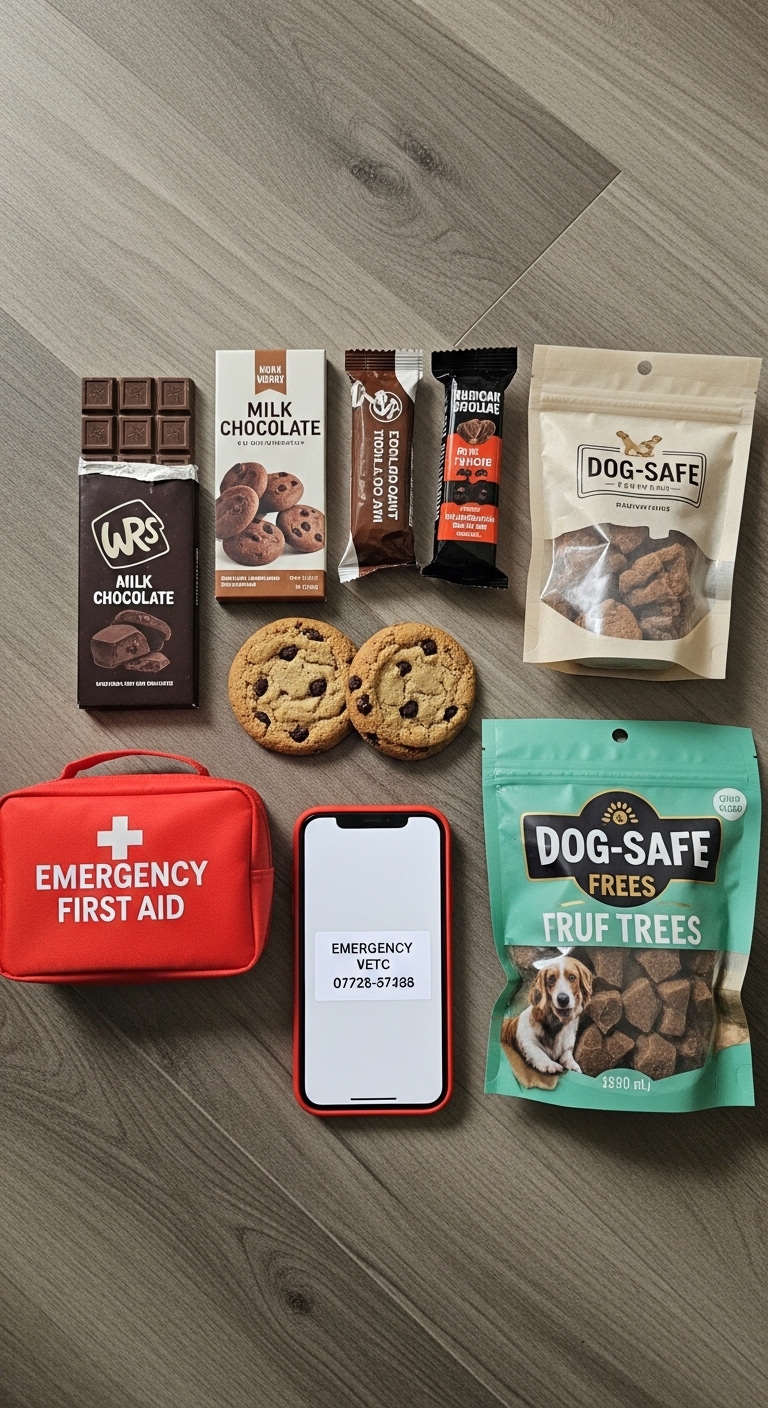
It’s easy to underestimate how much chocolate is dangerous. I once met a family who gave their large labrador a piece of milk chocolate as a treat, thinking it was harmless. Within a few hours, the dog was panting heavily and couldn’t settle down. A quick call to the vet confirmed it was mild poisoning, but it was a reminder that even “small” amounts can add up. Always err on the side of caution and keep chocolate out of reach.
How to Measure Chocolate Toxicity
The amount of chocolate that’s dangerous depends on both the type of chocolate and your dog’s weight. For example, a 10-pound dog could get sick from just half an ounce of baking chocolate, while the same dog might handle a few milk chocolate squares without issues. Dark chocolate is the most concentrated, so even a tiny piece can be risky. Use an online chocolate toxicity calculator or ask your vet for a quick estimate if you’re unsure. When in doubt, treat it as an emergency.
What to Do If Your Dog Eats Chocolate
First, remove any remaining chocolate from their reach to prevent more ingestion. Then, check the wrapper or packaging to see how much and what type they consumed. Call your vet or a pet poison control hotline right away: they’ll ask for your dog’s weight, the type of chocolate, and the approximate amount eaten. If it’s after hours, many emergency clinics have staff on call to guide you. Don’t try to induce vomiting unless specifically instructed by a professional, as some methods can cause more harm than good.
Long-Term Precautions
Keep all chocolate stored securely in cabinets or high shelves where dogs can’t reach. Be mindful during holidays or baking sessions when chocolate is more likely to be left out. Train your dog with a solid “leave it” command to help prevent scavenging. If you bake often, consider using dog-safe carob chips as a substitute. Small changes in routine can make a big difference in keeping your pet safe from accidental poisoning.

Always prioritize your dog’s safety and act quickly if you suspect chocolate ingestion.
Frequently Asked Questions
- → How much chocolate is toxic to dogs?
Toxicity depends on the type of chocolate and your dog's weight. As a general rule, ingestion of more than 20 mg of theobromine per kilogram of body weight can cause mild symptoms, while doses above 40 mg/kg may lead to severe poisoning. Dark chocolate contains about 150-160 mg of theobromine per ounce, while milk chocolate has around 44-60 mg per ounce.
- → What are the symptoms of chocolate poisoning in dogs?
Early signs include vomiting, diarrhea, excessive thirst, and restlessness. As toxicity progresses, symptoms may escalate to rapid breathing, increased heart rate, tremors, seizures, and even collapse. These symptoms typically appear within 6 to 12 hours after ingestion.
- → What should I do if my dog eats chocolate?
Remove any remaining chocolate from your dog's reach and contact your veterinarian or a pet poison control center immediately. Provide details about the type and amount of chocolate ingested, your dog's weight, and the time of ingestion. Do not induce vomiting unless instructed by a professional.
- → Can small amounts of chocolate harm my dog?
Yes, even small amounts can be dangerous, especially for smaller dogs. While a tiny piece of milk chocolate may not cause severe symptoms, it's best to avoid giving chocolate to dogs altogether. Always keep chocolate out of reach to prevent accidental ingestion.
- → How is chocolate poisoning treated in dogs?
Treatment may include inducing vomiting, administering activated charcoal to absorb toxins, IV fluids for hydration, and medications to control seizures or heart rate. Hospitalization may be necessary for severe cases. The sooner treatment begins, the better the outcome.
- → Are there any safe alternatives to chocolate for dogs?
Yes, many dog-safe treats are available, such as carob-based snacks, which mimic the taste of chocolate without the harmful ingredients. Always consult your vet before introducing new treats to your dog's diet to ensure they are safe and appropriate.