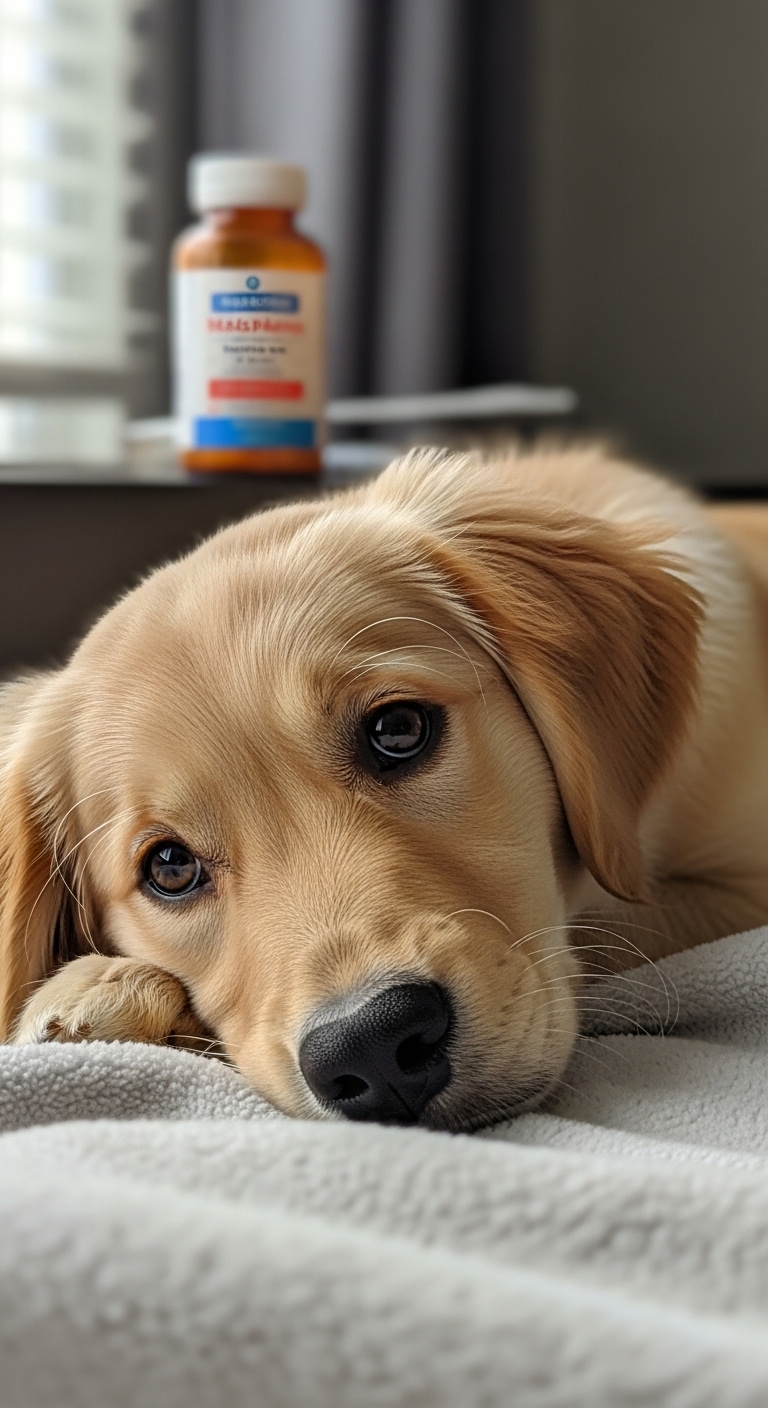
Can I use Neosporin on my dog? It’s a question many pet owners ask when their furry friend gets a minor cut or scrape. While Neosporin is a common go-to for humans, using it on dogs isn’t always straightforward. Small wounds happen, and knowing how to care for them safely can make a big difference in your dog’s comfort and recovery. A little knowledge goes a long way in preventing infections or irritation, so it’s worth understanding the right approach.
I’ve seen firsthand how a simple cut can turn into a bigger issue if the wrong product is used. A friend once treated her dog’s paw with regular Neosporin, only to realize later that the dog had an allergy to one of the ingredients. It turned a minor scrape into a bigger problem, so always double-check before applying anything new.
Key Things to Understand
- Neosporin contains ingredients like neomycin and polymyxin B: which can cause allergic reactions in some dogs
- The ointment is not FDA-approved for veterinary use: so it’s not guaranteed safe for pets
- Even if your dog tolerates it: licking the area can lead to ingestion of the product, which may cause stomach upset
- Small cuts and scrapes: usually heal fine with just warm water and mild soap
- If the wound is deep, bleeding heavily, or shows signs of infection: skip the Neosporin and see the vet
What to Look For
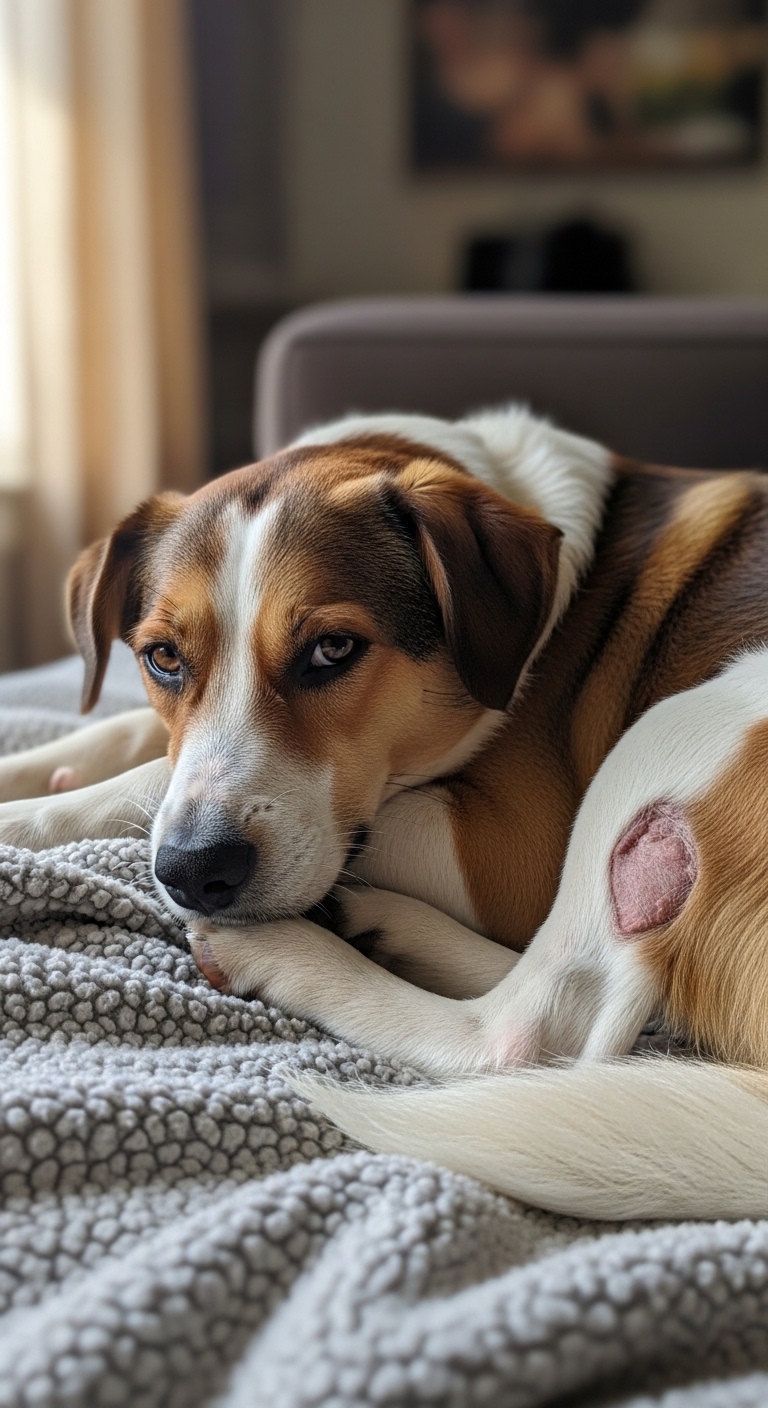
Watch for redness, swelling, or discharge around the wound, as these could signal an infection that needs professional care. Check your dog’s behavior for signs of discomfort or excessive licking, which might mean the area is irritated. Look at the ingredients list on any pet-safe ointment to avoid common allergens like neomycin or bacitracin. Pay attention to how your dog reacts after the first application: some dogs develop rashes or itching from topical treatments. If the wound isn’t improving within a day or two, it’s time to reassess and possibly seek veterinary advice.
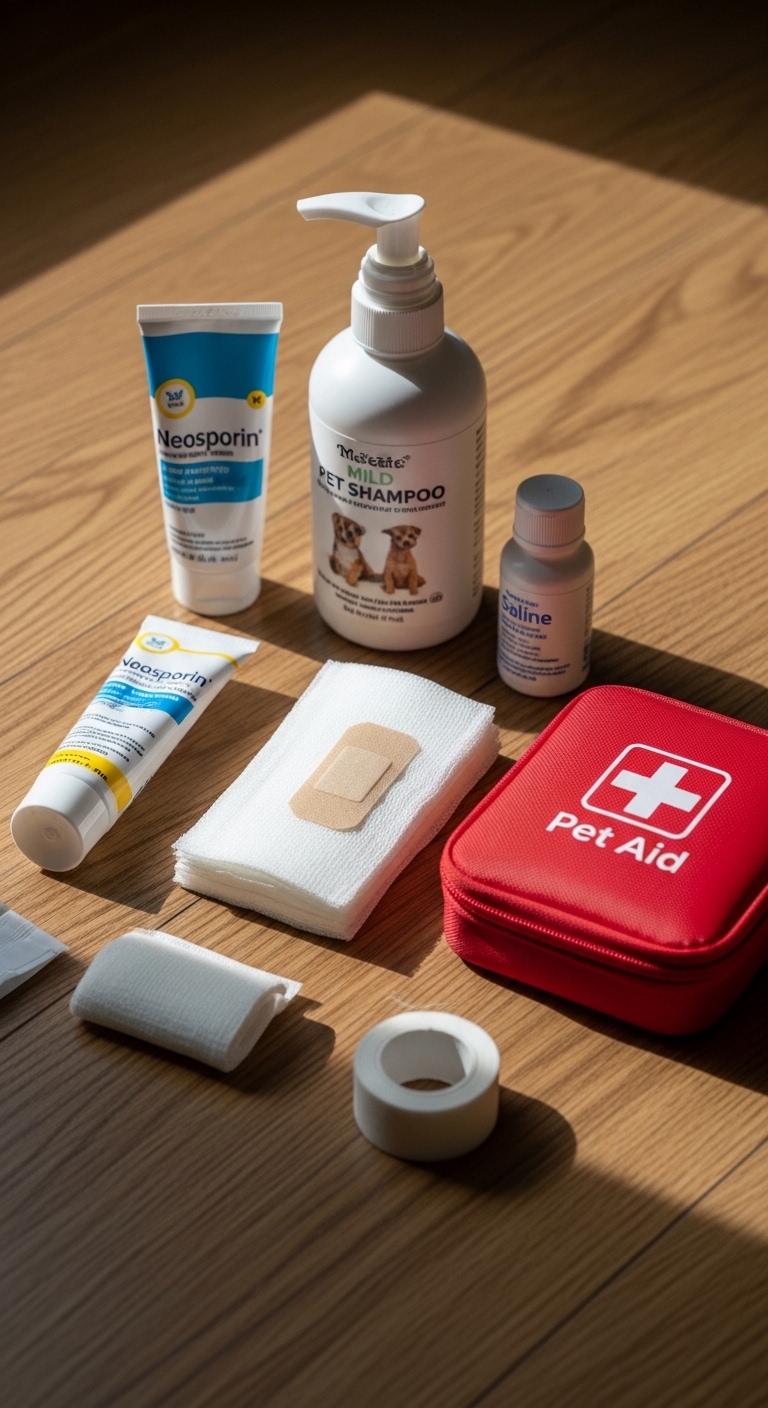
A common mistake is assuming that because Neosporin works for humans, it’s automatically safe for dogs. The truth is, dogs metabolize things differently, and what’s harmless to us could be problematic for them. I’ve also seen owners skip cleaning the wound properly before applying ointment, which can trap bacteria and slow healing. Always start with gentle cleaning before considering any treatment.
Pro Tips
If you’re unsure about using Neosporin, a pet-safe alternative like Vetericyn is a great substitute. Keep your dog from licking the wound by using an e-collar temporarily. Monitor the wound daily: if it’s not closing up or looks worse, it’s vet time.

When in doubt, it’s always better to err on the side of caution. A quick call to your vet can save you from a bigger headache later. And remember, prevention is key: keeping your dog’s paws clean after walks and checking for minor injuries regularly can help avoid bigger issues down the road.
Frequently Asked Questions
- → Can I put Neosporin on my dog’s cut?
Yes, you can apply a small amount of plain Neosporin (without pain relievers) to minor cuts or scrapes on your dog. Always clean the wound first with mild soap and water, then pat dry before applying a thin layer.
- → What if my dog licks the Neosporin off?
If your dog licks a small amount, it’s usually not harmful, but monitor for vomiting, diarrhea, or lethargy. For excessive licking, use an e-collar to prevent access to the wound and reapply Neosporin as needed.
- → Is triple antibiotic ointment safe for dogs?
Plain triple antibiotic ointment (like Neosporin) is generally safe for dogs in small amounts, but avoid products with added ingredients like pain relievers. Always check with your vet first, especially for large or deep wounds.
- → How often should I apply Neosporin to my dog’s wound?
Apply Neosporin 1-2 times daily for no more than 3-5 days. If the wound doesn’t improve or shows signs of infection (pus, swelling, foul odor), contact your vet immediately.
- → What are the risks of using Neosporin on dogs?
Risks include allergic reactions, skin irritation, or toxicity if ingested in large amounts. Avoid using on deep wounds, eyes, or sensitive areas. Opt for pet-specific antibiotic ointments when possible.
- → Can I use Neosporin on my dog’s hot spot?
Neosporin may help soothe minor hot spots, but it’s not a cure. Clean the area first, then apply a thin layer. If the hot spot persists or worsens, see your vet for proper treatment, as hot spots often require prescription medication.