
How dogs get worms isn't just a vet question it's something every dog owner should understand because these parasites can silently affect your pet's health long before you notice anything wrong. Worms like roundworms, hookworms, and tapeworms are more common than you might think, and they spread in ways that might surprise you. Left unchecked, they can lead to weight loss, dull coats, or even serious infections. Knowing how they spread helps you protect your dog before an issue becomes a bigger problem.
I'll never forget the first time my neighbor's dog started scooting across the grass. She thought it was just a weird habit until the vet confirmed tapeworms from a flea she'd never even spotted. That moment made me realize how easy it is to miss the signs until it's too late.
Key Things to Understand
- Worms spread through contact with contaminated soil, feces, or infected animals: This is a primary transmission route for many parasites.
- Fleas carry tapeworm eggs that dogs ingest while grooming themselves: This makes flea control crucial for preventing tapeworms.
- Puppies can get roundworms from their mother's milk before they're even born: Congenital transmission is common in young dogs.
- Hookworms burrow through skin, so walking barefoot in areas where other dogs have been can put your pet at risk: Direct skin contact can lead to infection.
- Regular deworming is the simplest way to keep these parasites under control: Prevention is easier than treatment.
What to Look For
Watch for changes in your dog's appetite: some worms cause them to eat more while still losing weight. Others might make them completely lose interest in food. Check their stool regularly, even if they're picking up after themselves. Soft stools, diarrhea, or visible worms in the feces are obvious red flags. A dull coat or visible ribs can also signal an internal issue long before other symptoms appear. Pay attention to their energy levels too: lethargy or restlessness might mean something isn't right internally.
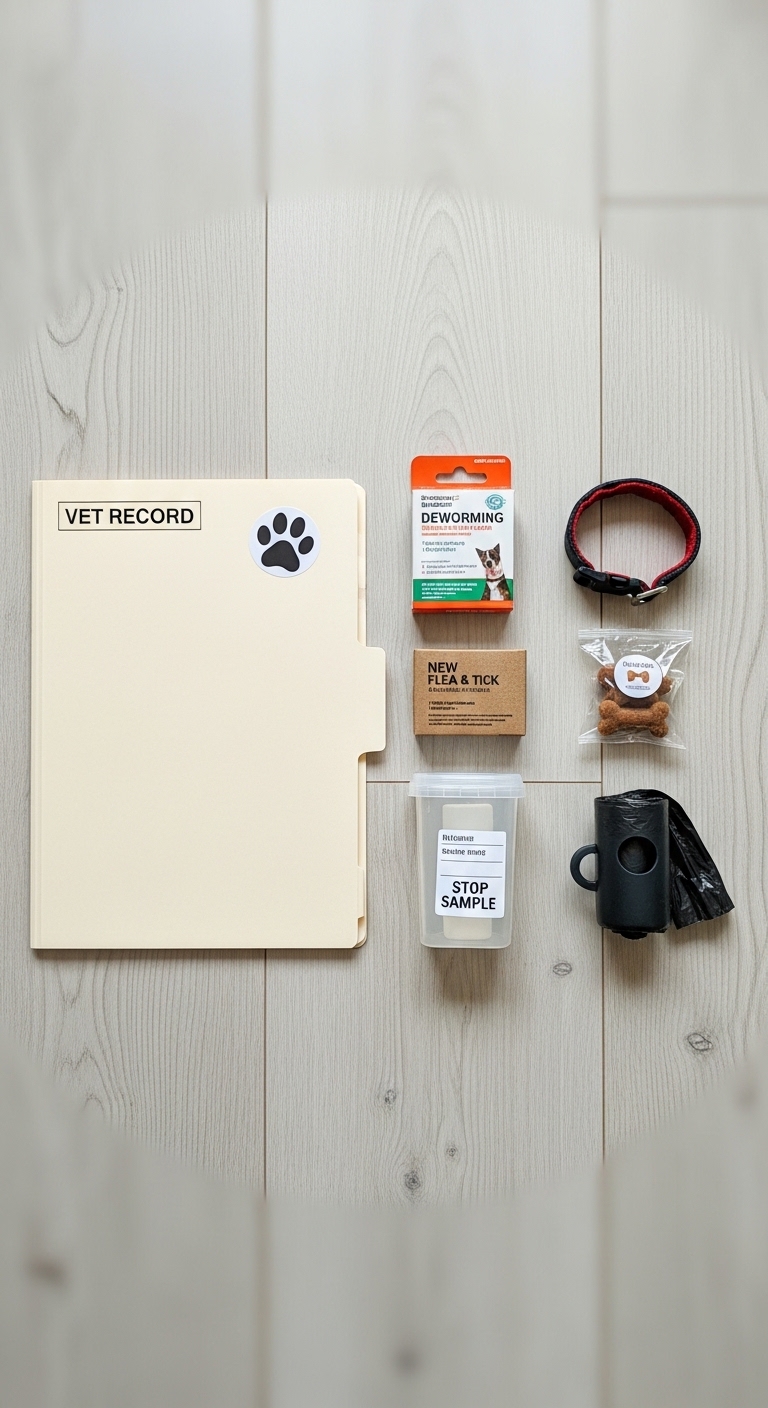
I once met a family who swore their dog was 'fine' because he wasn't showing any symptoms, only to discover a severe hookworm infestation during a routine checkup. The vet said the dog had likely picked up the parasites months earlier from a park visit, but the family hadn't noticed anything until it was almost too late. Regular vet visits and preventive care make all the difference.
How worms spread in everyday situations
Dogs explore the world with their noses and mouths, which means they're constantly at risk of picking up parasites from places you'd never expect. Parks, beaches, and even your own backyard can harbor worm eggs or larvae waiting to hitch a ride on your pet. Puddles after rain often contain contaminated water, and dogs love to drink from them without hesitation. Other dogs' feces in public areas release eggs into the soil, where they can survive for years. Even your shoes can track worm eggs indoors if you've walked through an infected area.
The role of fleas in tapeworm transmission
Tapeworms need fleas to complete their life cycle, which makes flea control just as important as deworming. When a dog chews at a flea, they accidentally swallow it, and the tapeworm eggs inside the flea take hold in their intestines. You might not see the fleas themselves, but tiny white rice-like segments in your dog's fur or bedding are a dead giveaway. These segments dry out and release eggs back into the environment, continuing the cycle. Treating fleas monthly with vet-approved products breaks this chain before it starts.
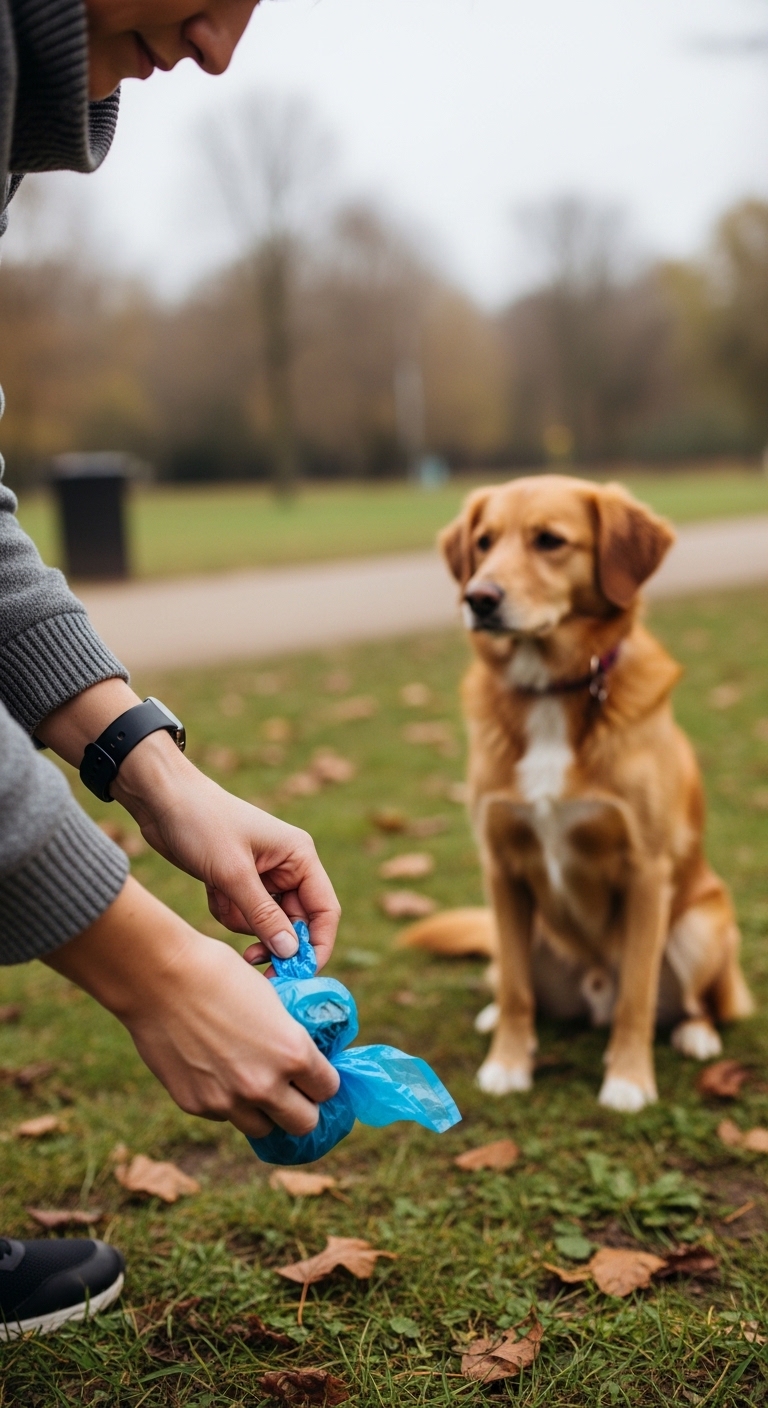
Prevention is always better than treatment when it comes to worms. Stay vigilant and proactive to keep your dog healthy.
Frequently Asked Questions
- → What are the most common types of worms in dogs?
Dogs commonly host roundworms, hookworms, whipworms, tapeworms, and heartworms. Each type has distinct transmission methods and affects different parts of the body, requiring specific diagnostic and treatment approaches.
- → Can dogs get worms from eating grass?
While grass itself doesn't cause worms, dogs may ingest worm larvae or eggs present on contaminated grass. This risk increases in areas frequented by other animals. Regular deworming helps mitigate this potential exposure.
- → What are the signs my dog might have worms?
Common symptoms include visible worms or worm segments in feces, vomiting, diarrhea, bloated abdomen, weight loss despite good appetite, dull coat, and scooting behavior. Some worms may cause coughing or lethargy.
- → How often should I deworm my dog?
Deworming frequency depends on your dog's lifestyle and risk factors. Puppies typically require more frequent treatments (every 2-3 weeks until 12 weeks old). Adult dogs may need quarterly treatments, while high-risk dogs benefit from monthly prevention.
- → Are natural remedies effective for preventing worms?
While some natural approaches like pumpkin seeds or diatomaceous earth may offer mild support, they shouldn't replace veterinary-approved deworming medications. Always consult your vet before using alternative prevention methods.
- → Can indoor dogs get worms?
Yes, indoor dogs can contract worms through various means including contaminated soil on owner's shoes, fleas brought in from outside, or even from other pets. No environment is completely risk-free without preventive measures.
- → What's the safest deworming treatment for puppies?
Puppies require specially formulated deworming medications approved for their age and weight. Always follow your veterinarian's recommendations and schedule, as puppy deworming protocols differ significantly from adult dog treatments.