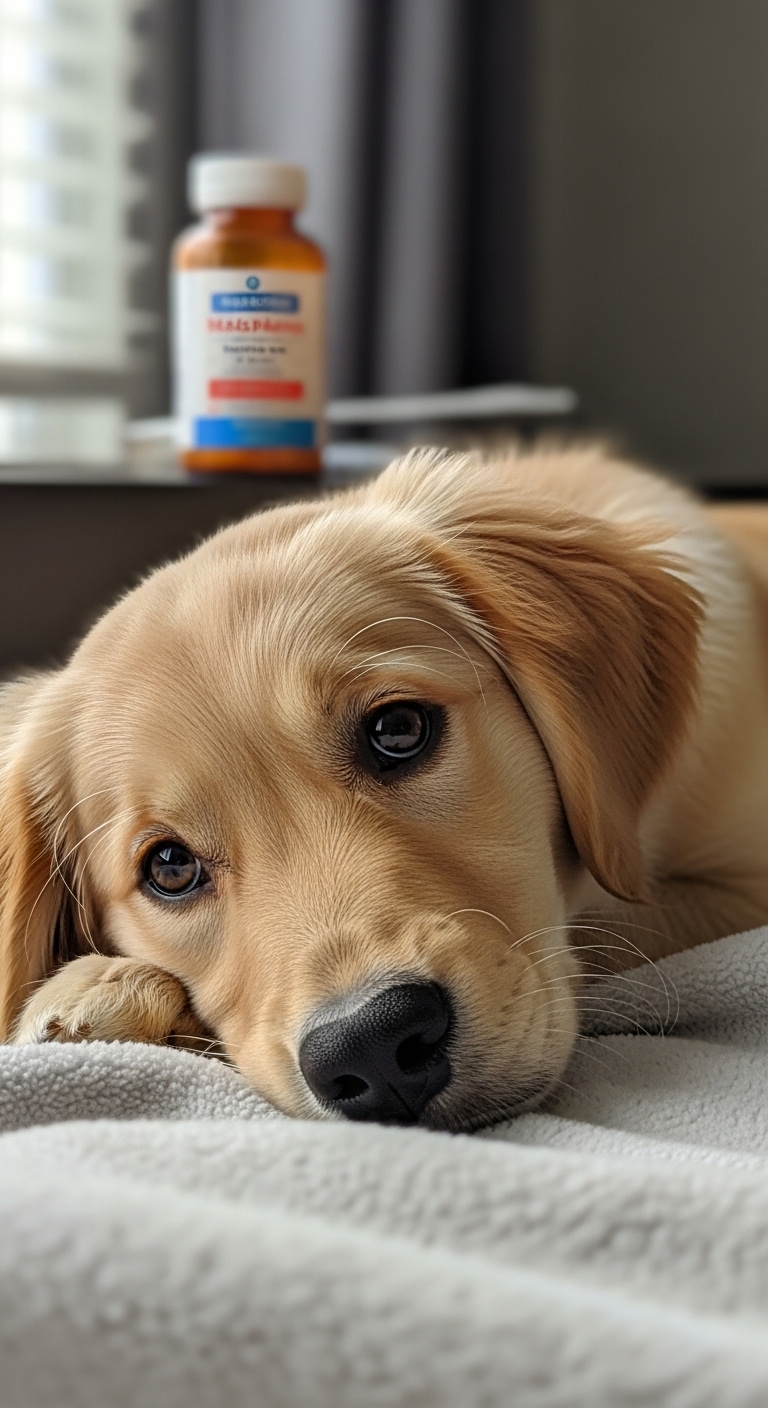
You might be tempted to reach for the same pain relief you’d take yourself when your dog seems uncomfortable, but giving a dog Tylenol can be dangerous. Many pet owners don’t realize that human medications often contain ingredients or dosages that are toxic to dogs, and even a single tablet can cause serious harm. It’s important to know what’s safe and when to seek professional help before reaching for the medicine cabinet.
I’ve seen too many cases where well-meaning owners gave their dogs human meds out of concern, only to make things worse. A quick call to the vet can prevent lasting damage and give you peace of mind.
Key Things to Understand
- Never give your dog Tylenol without first consulting your vet: Even small amounts can cause liver failure or ulcers in dogs, and the risks far outweigh any potential benefits.
- Dogs metabolize medications differently than humans: What’s safe for you could be toxic to your pet, so human drugs should never be shared.
- Symptoms of Tylenol poisoning include vomiting, lethargy, loss of appetite, and dark-colored gums: These signs require immediate veterinary attention.
- Some forms of Tylenol contain xylitol: An artificial sweetener that’s extremely toxic to dogs. Always check the label before considering any medication.
What to Look For
Watch for subtle signs that your dog might be in pain, like limping, whining, or avoiding certain movements. Dogs often hide discomfort, so changes in behavior or routine can be the first clue that something’s wrong. If you notice these shifts, it’s worth paying closer attention rather than assuming they’ll get over it. Look for products specifically labeled for canine use if you’re considering pain relief. Human medications are formulated for our bodies, not theirs, and even a single tablet can lead to severe reactions. Always read ingredient lists carefully, especially for hidden additives like xylitol, which is found in many sugar-free products and can be deadly to pets. Check your dog’s gums regularly for color changes. Healthy gums should be pink and moist, while pale, blue, or yellowish gums can signal poisoning, illness, or poor circulation. If you see anything unusual, it’s better to err on the side of caution and contact your vet.
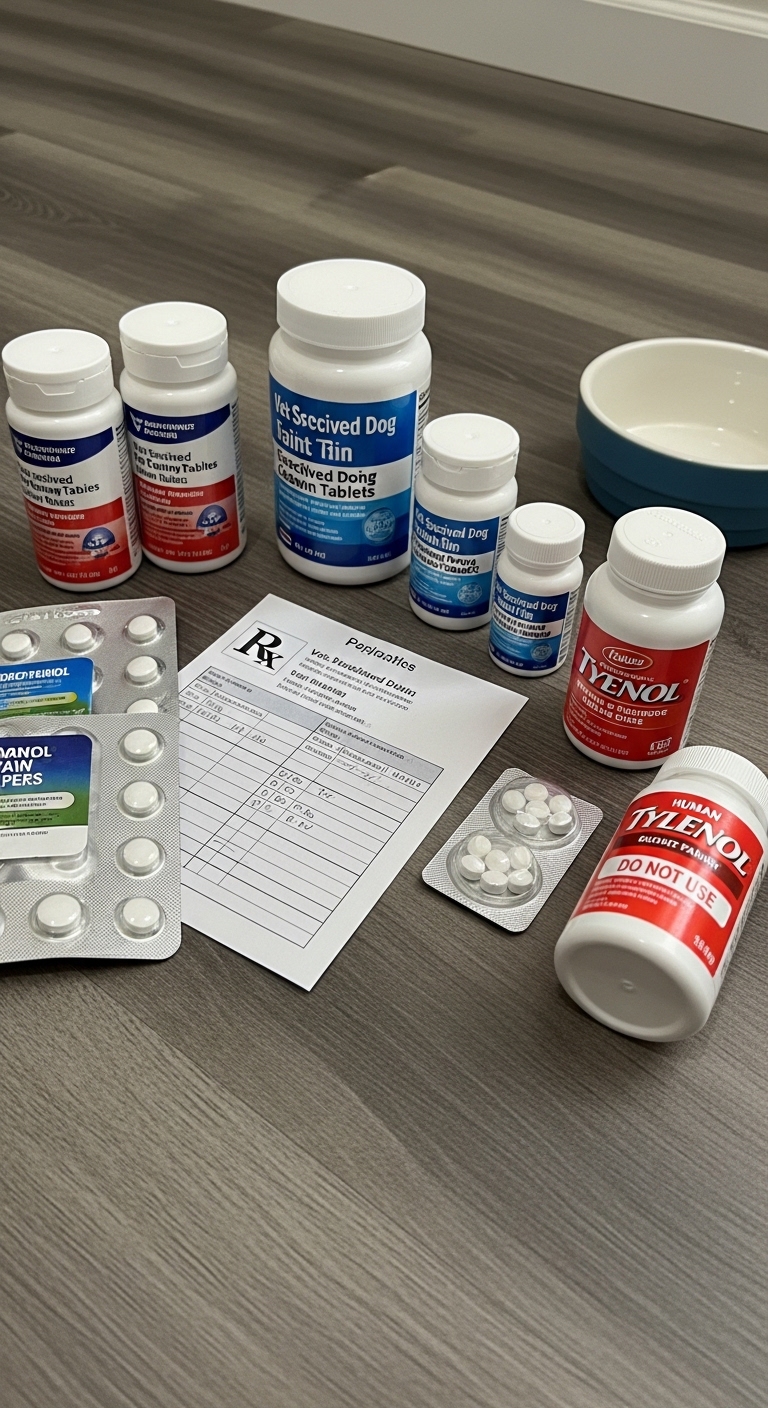
A common mistake I see is owners giving their dogs a baby dose of Tylenol, thinking it’s safer because it’s lower strength. The problem isn’t just the dosage it’s the way dogs process acetaminophen, which can lead to toxicity even in small amounts. Another issue is assuming that over-the-counter pain relief is always harmless, when in reality, many human drugs are off-limits for pets.
Seasonal adjustments
During colder months, dogs with arthritis or joint pain may need extra support. If your dog seems stiff or reluctant to move, ask your vet about joint supplements or heated beds to ease discomfort. Avoid the temptation to medicate at home, as cold weather can mask symptoms and make it harder to judge their severity.
Age specific advice
Senior dogs are more sensitive to medications, so extra caution is needed when considering any pain relief. Their organs may not process drugs as efficiently, increasing the risk of side effects. Always opt for vet-approved options and monitor them closely for any changes in behavior or appetite.
Behavior and routine support
If your dog’s pain is affecting their mood or energy levels, try gentle exercise like short walks or swimming to keep them mobile without strain. Pain can lead to irritability or withdrawal, so maintaining a consistent routine helps them feel secure. Watch for signs of improvement or worsening, and adjust their care plan as needed with your vet’s guidance.
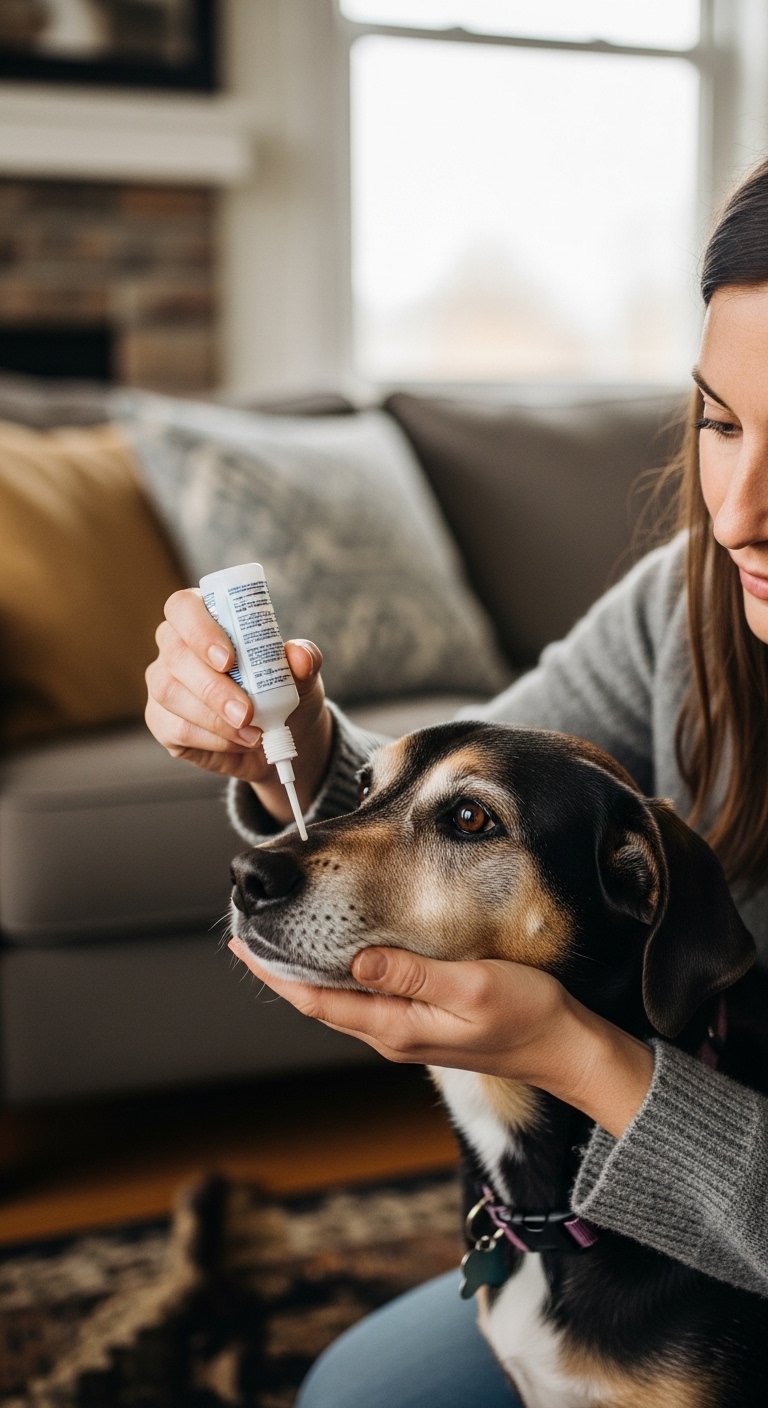
When in doubt, it’s always better to call your vet than to guess. Pain management for dogs requires a tailored approach, and what works for one pet might not be suitable for another.
Frequently Asked Questions
- → Can I give my dog Tylenol for pain?
No, you should never give your dog Tylenol without veterinary approval. Human medications often contain ingredients toxic to dogs, even in small amounts.
- → What happens if my dog eats Tylenol?
If your dog ingests Tylenol, watch for symptoms like vomiting, lethargy, loss of appetite, or yellowing gums. These indicate poisoning and require immediate veterinary attention.
- → Is there a safe Tylenol dosage for dogs?
There is no safe over-the-counter Tylenol dosage for dogs. Veterinarians may prescribe acetaminophen in specific cases, but only under strict supervision and with precise dosing.
- → What are safer alternatives to Tylenol for dogs?
Safer options include vet-prescribed pain relievers like carprofen or gabapentin. Natural remedies such as turmeric or CBD may help, but always consult your vet first.
- → How can I prevent my dog from accessing Tylenol?
Store all medications in secure cabinets or high shelves. Keep pill bottles tightly closed and dispose of expired medications properly. Consider childproof containers for added safety.
- → What should I do if my dog accidentally takes Tylenol?
Contact your vet or an emergency pet poison hotline immediately. Do not induce vomiting unless instructed by a professional, as some treatments may worsen the situation.