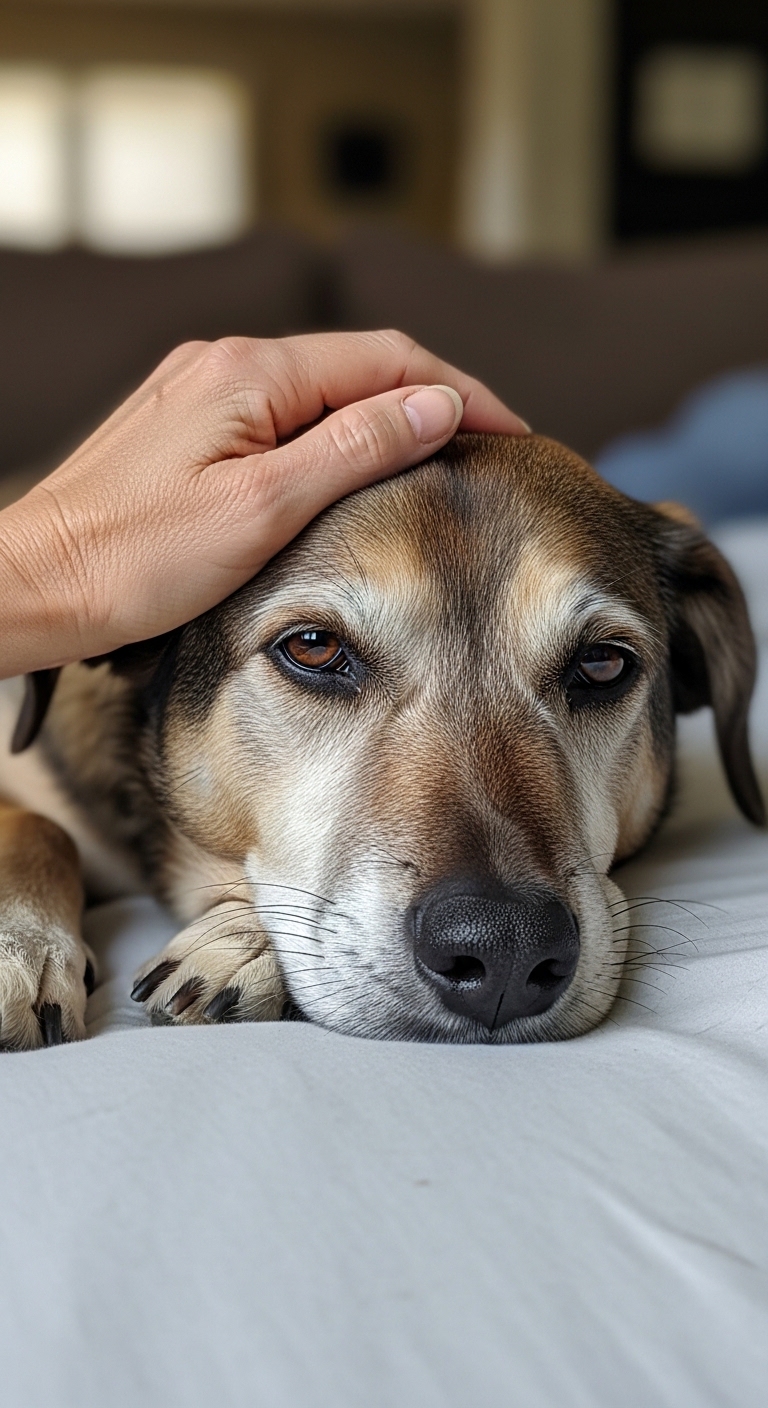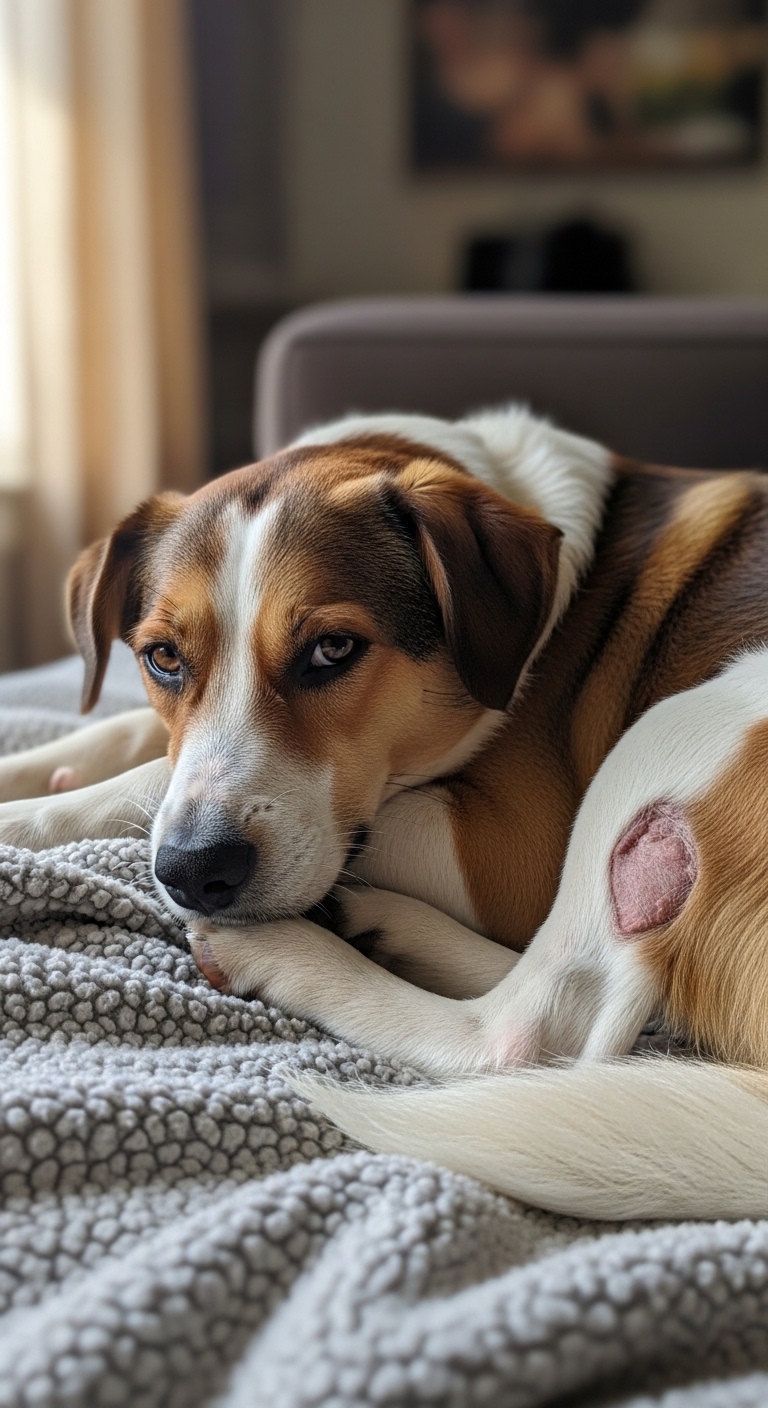
Can dogs take melatonin? It’s a question many pet owners ask when their furry friend struggles with sleep, anxiety, or stress. Whether it’s fireworks, travel, or just an overactive pup, melatonin is often suggested as a natural solution. But is it safe? And how much should you give? Before reaching for that bottle, it’s worth understanding the facts to keep your dog healthy and happy.
Melatonin supplements are widely available, but not all are created equal. Some pet owners turn to melatonin to help their dogs sleep through the night, while others use it for separation anxiety or vet visits. The problem is, dosing can be tricky, and not all dogs react the same way. A little knowledge goes a long way in making sure you’re helping not harming your pet.
I once gave my neighbor’s anxious dog a melatonin gummy meant for humans by mistake. The poor pup slept for hours but woke up groggy and disoriented. That’s when I learned just how important it is to double-check labels and consult a vet first.
Key Things to Understand
- Melatonin is a natural hormone: that regulates sleep in dogs just like in humans
- It’s often used: for anxiety, insomnia, or adjusting to new routines
- Dosage depends: on your dog’s weight and size
- Not all melatonin products: are safe for pets
- Some dogs may experience: side effects like drowsiness or digestive upset
- Always consult: your vet before giving melatonin to your dog
What to Look For
When considering melatonin for your dog, start by checking the label. Look for products specifically made for pets, as human supplements may contain additives that are harmful. Pay attention to the dosage instructions: small dogs need much less than large breeds. Also, observe your dog’s behavior after giving melatonin. If they seem overly lethargic or uncoordinated, it could be a sign of too much. Another thing to watch for is how your dog reacts over time. Some pets benefit from short-term use, while others may need it regularly for chronic issues. If you notice no improvement in sleep or anxiety after a few weeks, it might be time to explore other options.
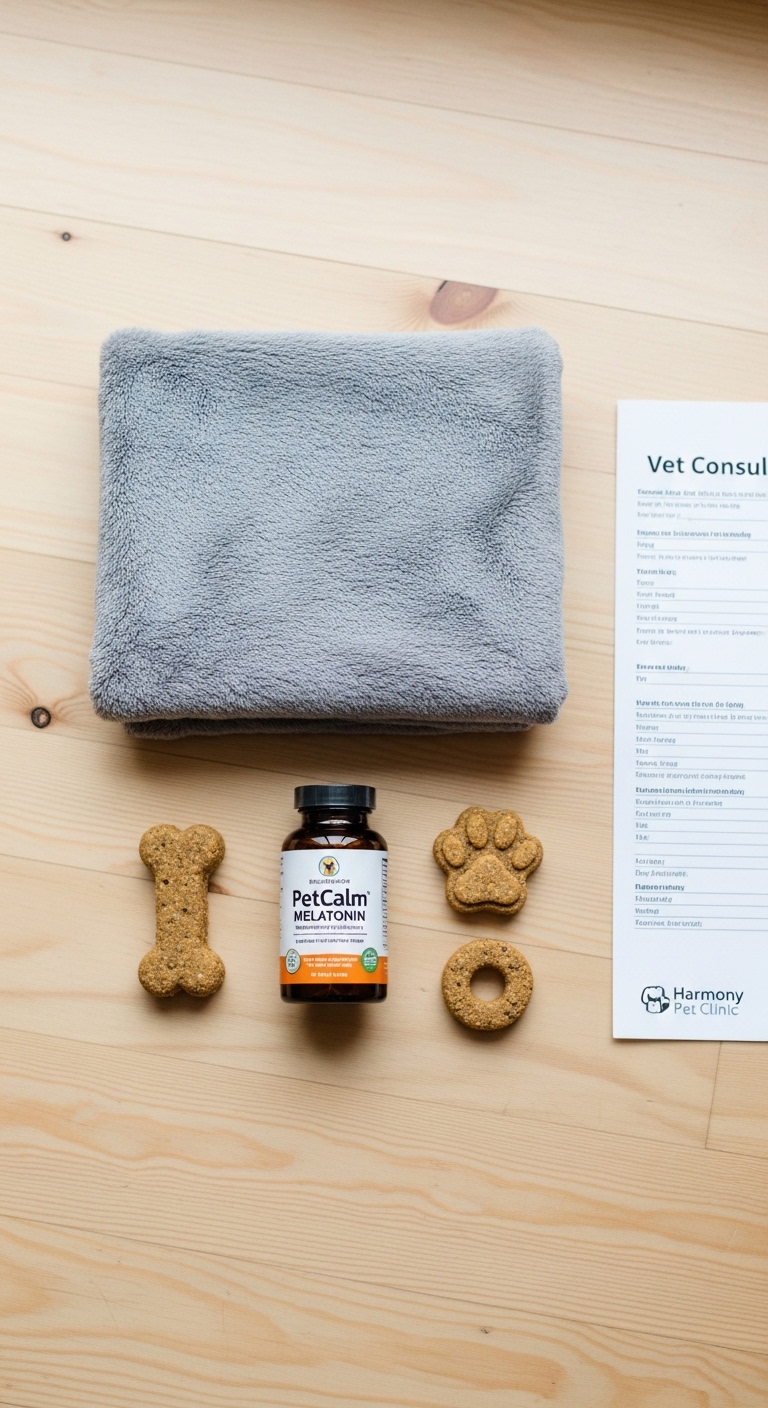
A common mistake is assuming that because melatonin is natural, it’s always safe. I’ve seen pet owners give their dogs human melatonin gummies without realizing they contain xylitol, which is toxic to dogs. Another reminder is to avoid giving melatonin to pregnant dogs or those with certain health conditions without veterinary approval. Always err on the side of caution and get professional guidance first.
Safe Alternatives for Common Pet Issues
If your dog struggles with sleep or anxiety, melatonin isn’t the only option. Some pet owners find success with calming treats made from natural ingredients like chamomile or L-theanine. Others adjust their dog’s routine by adding more exercise or mental stimulation during the day. For dogs with severe anxiety, prescription medications from a vet may be necessary. It’s all about finding what works best for your pet’s unique needs.
When to Avoid Melatonin
While melatonin can be helpful, it’s not suitable for every dog. Puppies under six months old should avoid it, as their bodies are still developing. Dogs with autoimmune conditions or those on certain medications may also react poorly. If your dog has a history of seizures or liver problems, steer clear unless your vet says otherwise. Always read the ingredient list carefully: some products contain fillers or artificial sweeteners that can be dangerous.
How to Choose the Right Melatonin Product
Not all melatonin supplements are the same. Look for vet-recommended brands that use high-quality ingredients. Chewable tablets are often easier to give than pills, but make sure they don’t contain xylitol. Liquid forms can be mixed into food, which is great for picky eaters. Avoid products with artificial colors or flavors, as these can cause sensitivities. When in doubt, ask your vet for a recommendation tailored to your dog’s size and health needs.
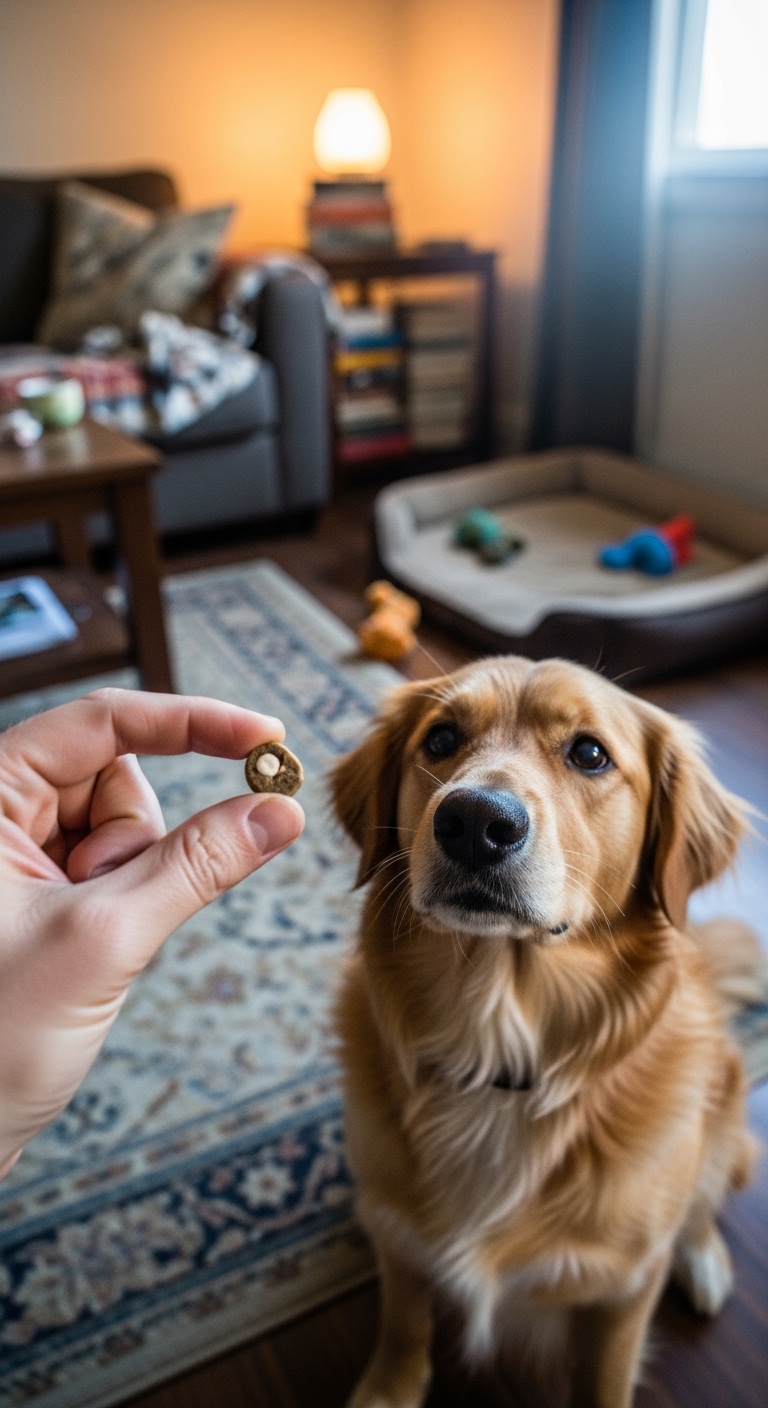
Always prioritize your dog’s safety and consult a vet before trying new supplements.
Frequently Asked Questions
- → Is melatonin safe for all dogs?
No, melatonin is not safe for all dogs. It should be avoided in dogs with autoimmune diseases, liver conditions, or those on certain medications. Always consult your vet before giving melatonin to your pet.
- → What’s the correct melatonin dosage for dogs?
The typical dosage is 1 mg per 20 lbs of body weight, but this can vary. Never exceed 6 mg per dose without veterinary approval. Liquid or chewable forms are easier to dose accurately.
- → How long does melatonin take to work in dogs?
Melatonin usually takes 30 minutes to 1 hour to take effect. Its calming properties may last 4 to 8 hours, depending on the dog’s metabolism and dosage.
- → Can I give my dog human melatonin gummies?
No, human melatonin gummies often contain xylitol or other additives toxic to dogs. Use pet-specific melatonin supplements with vet-approved ingredients only.
- → Are there natural alternatives to melatonin for dogs?
Yes, alternatives include calming chews with ingredients like chamomile or L-theanine, pheromone diffusers, or establishing a consistent bedtime routine. Always check with your vet first.
- → What are the signs of melatonin overdose in dogs?
Signs include extreme lethargy, vomiting, diarrhea, disorientation, or difficulty breathing. Seek immediate veterinary care if you suspect an overdose.