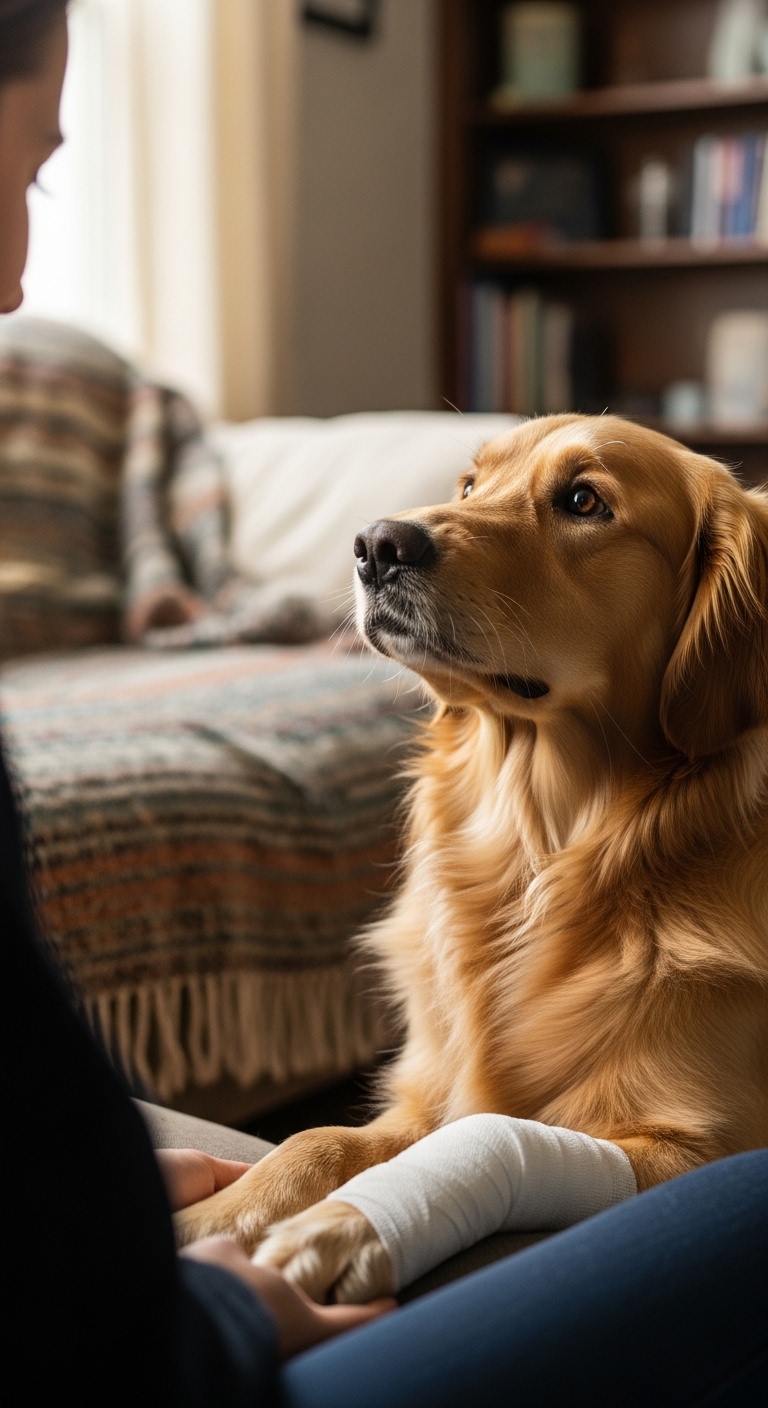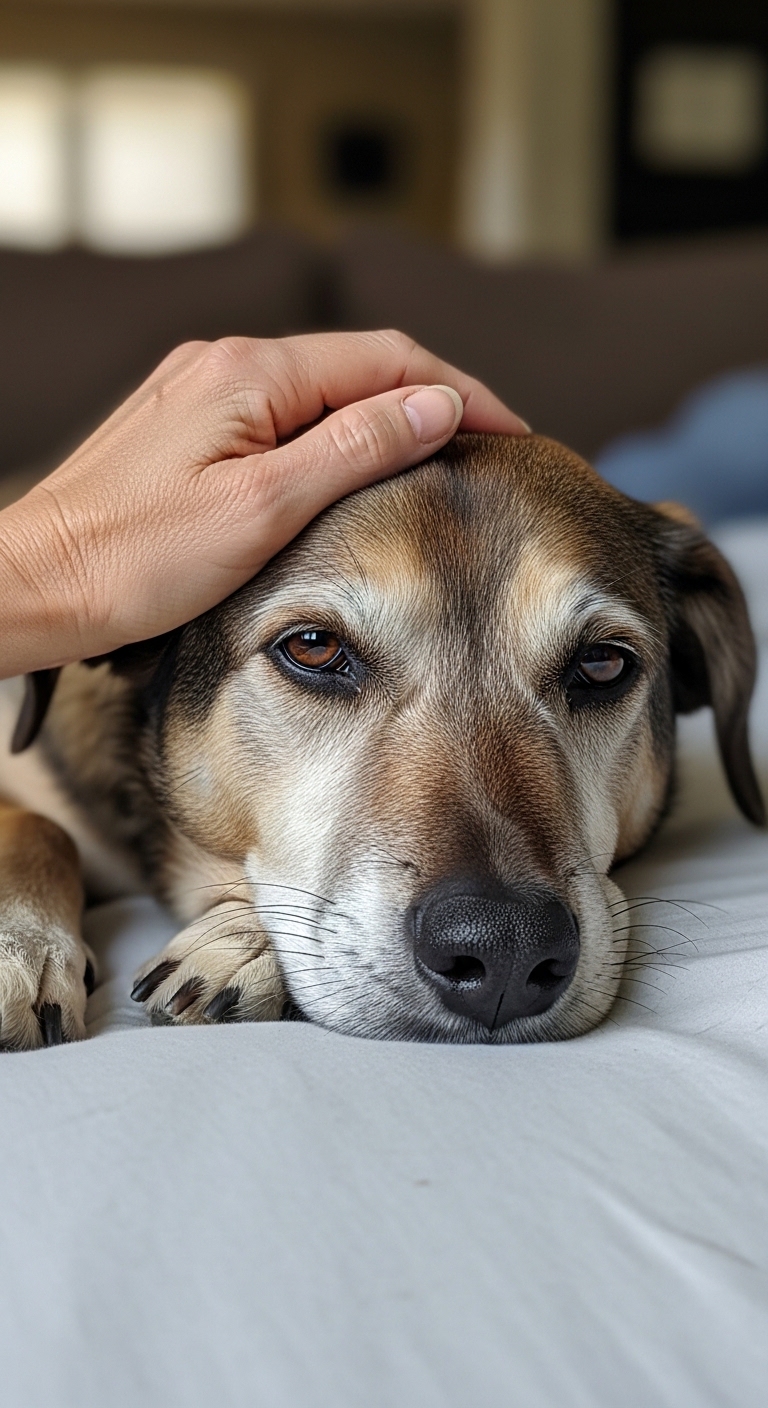
Can dogs have melatonin? It’s a question many pet owners ask when their furry friend struggles with sleep, anxiety, or even travel stress. Melatonin is often seen as a natural solution for humans, but can it be safely given to dogs? The answer isn’t as simple as a yes or no: it depends on dosage, your dog’s health, and even the form of melatonin you’re considering. Getting this right matters because improper use can lead to side effects or even serious health risks. Whether you’re dealing with a restless pup at night or a dog who panics during fireworks, understanding melatonin’s role in canine care can make a real difference in their well-being.
You’ll probably notice your dog’s sleep patterns change as they age or face new stressors. I once had a client whose senior dog started waking up every hour at night until we adjusted their melatonin routine. The difference was noticeable within days, and it reminded me how much small changes in care can improve a pet’s quality of life.
Key Things to Understand
- Melatonin is a hormone: that helps regulate sleep-wake cycles in both humans and dogs
- It’s not a sedative: but it can promote calmness and improve sleep quality in some dogs
- The correct dosage for dogs: is much smaller than for humans, typically 1 to 3 mg depending on size
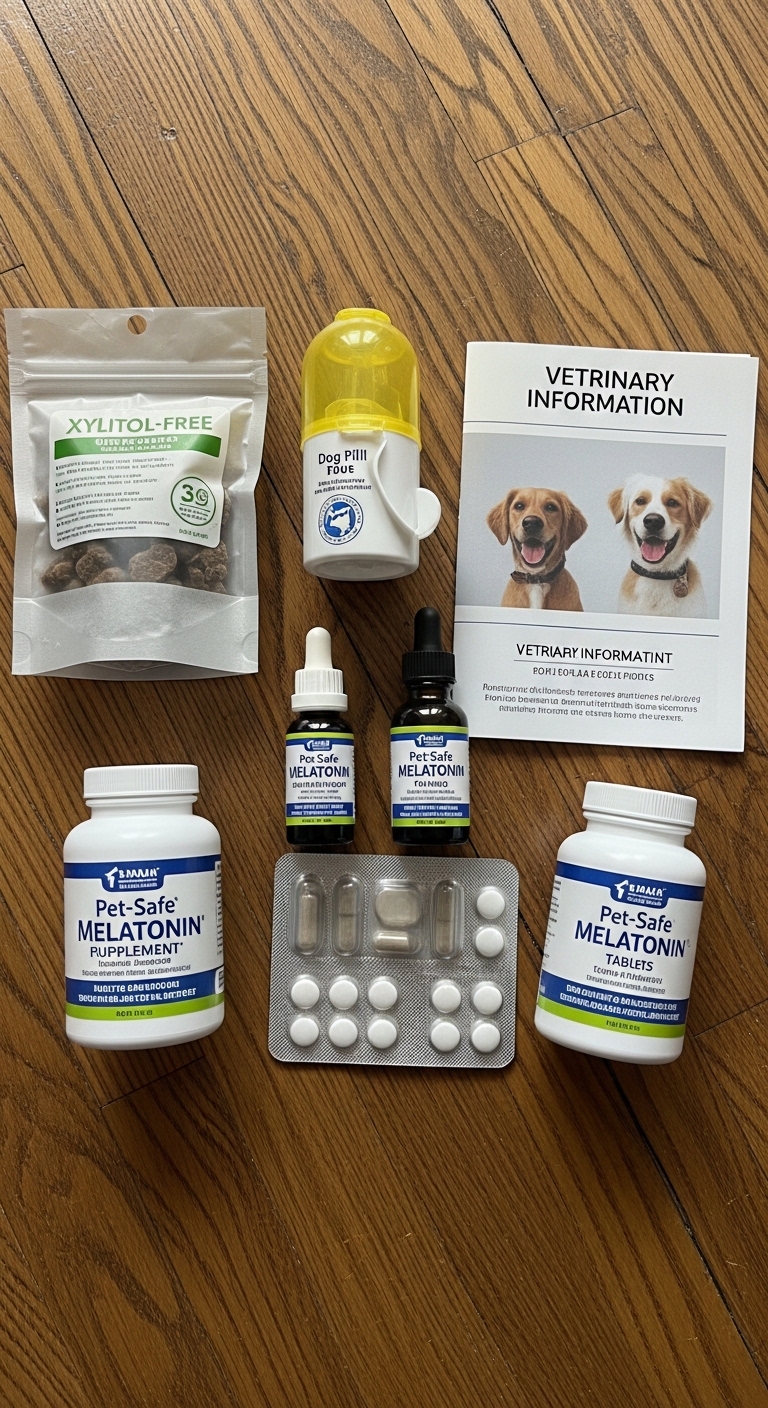
- Melatonin comes in different forms: including chewable tablets, capsules, and liquids
- Always check with your vet: before giving melatonin, especially if your dog is on other medications
- Some dogs may experience side effects: like drowsiness, upset stomach, or increased heart rate
What to Look For
Pay attention to your dog’s sleep patterns before and after giving melatonin. If they’re still restless or waking up frequently, the dosage might need adjustment or the issue could be something else entirely. Watch for signs of over-sedation, like excessive drooling or difficulty waking up, which could mean the dose was too high. Also, observe how your dog reacts to different forms of melatonin: some may prefer chewables over pills, while others might refuse them altogether. Check the ingredient list carefully. Some melatonin products contain xylitol, a sweetener that’s toxic to dogs, so always opt for pet-specific formulas. If your dog has health conditions like diabetes or thyroid issues, melatonin might interact with their treatment, so monitor their behavior closely after the first few doses. Finally, notice if melatonin helps with specific triggers, like separation anxiety or noise phobias, to determine if it’s the right solution for your dog’s needs.
A common mistake is assuming more melatonin equals better sleep. In reality, too much can cause the opposite effect, leaving your dog groggy or disoriented. I’ve seen cases where owners doubled the dose after the first night, only to find their dog acting unusually lethargic the next day. Always follow vet guidance and track your dog’s response closely. If you notice no improvement after a week or two, it might be time to explore other solutions.
Daily care habits
Melatonin works best when paired with a consistent bedtime routine. Try giving it about 30 minutes before your dog’s usual sleep time to help their body wind down naturally. Keep their sleeping area quiet and comfortable, free from disruptions like loud noises or bright lights. If your dog struggles with separation anxiety, consider adding a calming bed or a piece of your clothing with your scent to their sleeping space.
Choosing the right product
Look for melatonin supplements labeled specifically for pets, as they’re formulated without harmful additives. Chewable tablets are often the easiest to give, especially for picky eaters, while liquids can be mixed into food for precise dosing. Avoid products with artificial sweeteners like xylitol, and opt for those with minimal ingredients to reduce the risk of allergies or sensitivities.
Safety and comfort
Always introduce melatonin gradually to see how your dog reacts. Start with a half-dose on the first night and monitor for any unusual behavior. If your dog seems overly sedated or agitated, stop use immediately and consult your vet. Keep melatonin stored securely, out of reach of curious paws, and never share your dog’s dose with another pet.
Common mistakes to avoid
Giving melatonin without researching the correct dosage for your dog’s size and breed. Assuming it’s safe to use long-term without breaks or vet check-ins. Mixing melatonin with other sleep aids or supplements without professional advice. Ignoring signs of discomfort or side effects, assuming they’ll pass on their own.
Seasonal adjustments
During holidays or fireworks season, melatonin can help dogs cope with stress from loud noises. Start giving it a few days before the event to allow their system to adjust. If your dog’s anxiety is severe, your vet might recommend a stronger prescription option, so don’t rely solely on melatonin for extreme cases.
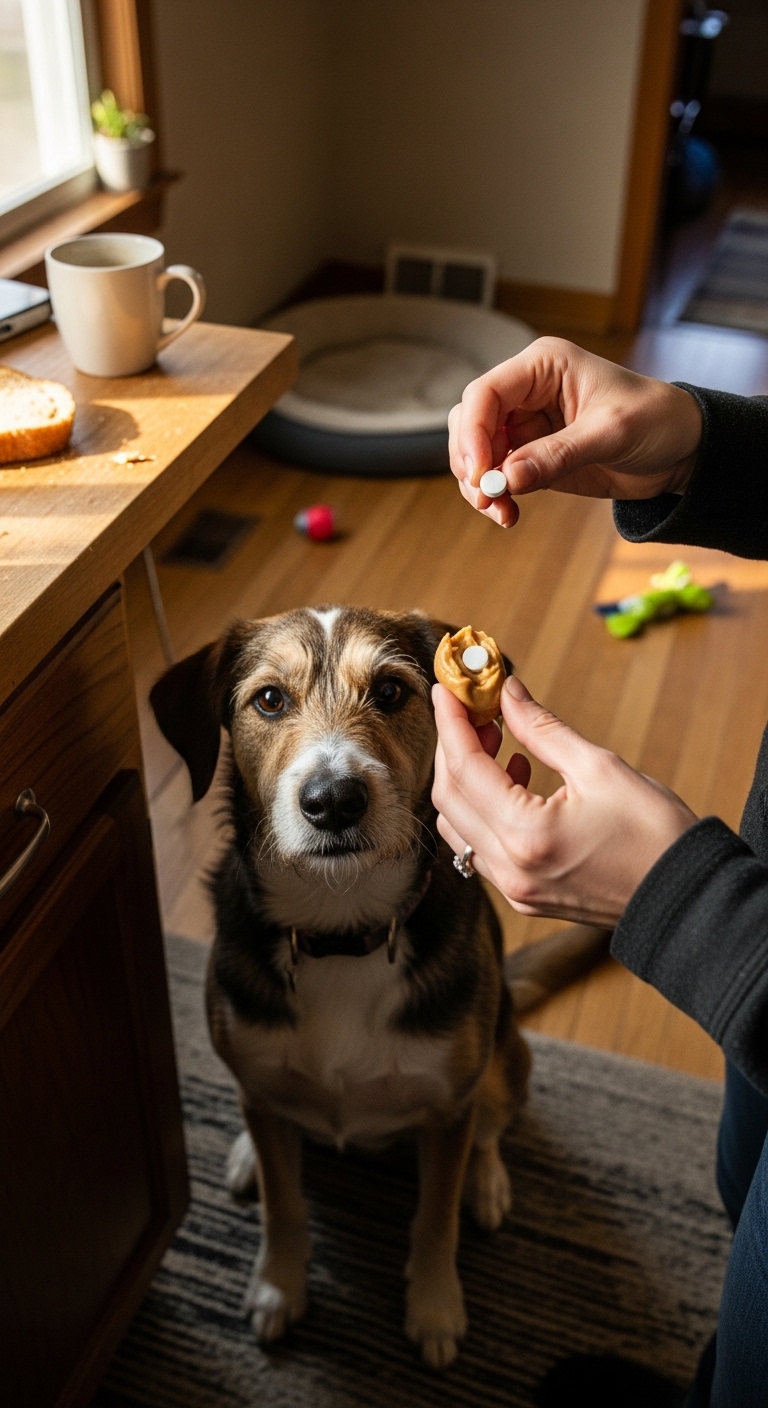
If you’re unsure whether melatonin is right for your dog, a quick call to your vet can save a lot of guesswork. Some dogs respond wonderfully to it, while others may need a different approach.
Frequently Asked Questions
- → Is melatonin safe for all dogs?
No, melatonin is not suitable for every dog. Puppies, pregnant dogs, and those with certain health conditions (like diabetes or autoimmune disorders) should avoid it. Always consult your vet before giving melatonin to your pet.
- → What’s the correct melatonin dosage for dogs?
Dosage depends on your dog’s weight. A common guideline is 1-3 mg for small dogs (under 25 lbs), 3-6 mg for medium dogs (25-50 lbs), and 6-12 mg for large dogs (over 50 lbs). Start with the lowest dose and adjust as directed by your vet.
- → Can I give my dog human melatonin supplements?
It’s risky. Human melatonin often contains xylitol (toxic to dogs) or other additives. Always use pet-specific melatonin supplements approved by your veterinarian to ensure safety.
- → How long does melatonin take to work in dogs?
Melatonin typically starts working within 30 minutes to 2 hours after administration. Effects can last 4-8 hours, depending on the dose and your dog’s metabolism. For best results, give it 30 minutes before bedtime.
- → Are there natural alternatives to melatonin for dogs?
Yes! Alternatives include establishing a consistent sleep routine, providing a comfortable sleeping area, using calming pheromone diffusers, or trying herbal supplements like chamomile (vet-approved). Always introduce changes gradually.
- → What are the signs of melatonin overdose in dogs?
Symptoms of overdose may include excessive drowsiness, disorientation, vomiting, diarrhea, or seizures. If you suspect an overdose, contact your vet or an emergency pet clinic immediately.
- → Can melatonin help with my dog’s anxiety?
Melatonin may help with mild anxiety-related sleep issues, but it’s not a cure for anxiety disorders. For severe anxiety, your vet may recommend behavior modification training, prescription medications, or other therapies alongside melatonin.