How long a dog stays pregnant is one of those things every pet owner hopes they never have to worry about until they do. Whether you're breeding intentionally or facing an unexpected pregnancy, knowing the timeline helps you prepare for what’s coming. It’s not just about counting days: it’s about recognizing the physical and behavioral changes so you can support your dog properly through each stage.
I’ll never forget the first time my own dog’s belly started to swell. I had no idea how quickly things would change or how much extra care she’d need. That experience taught me how important it is to have reliable information before the big changes happen.
Key Things to Understand
- The average dog pregnancy lasts about 63 days from the day of ovulation: Small breeds often give birth closer to 58 to 63 days while larger breeds may go up to 65 days.
- Counting from the first mating can be misleading: Fertilization doesn’t always happen immediately.
- The last two weeks are when most physical changes become obvious: Nesting behavior starts during this period.
- A vet can confirm pregnancy with an ultrasound: This is typically done around day 25 to 30.
What to Look For
Watch for the subtle shifts in appetite that happen in the first few weeks: your dog may eat less at first, then gradually increase portions as the pregnancy progresses. Around week four, you’ll notice her waistline thickening and her nipples becoming more pronounced and pinker. By week six, her belly will round out noticeably and she may start seeking out quiet, cozy spots as nesting instincts kick in. Keep an eye on her energy levels too: some dogs slow down early while others keep their usual routine until the final stretch.
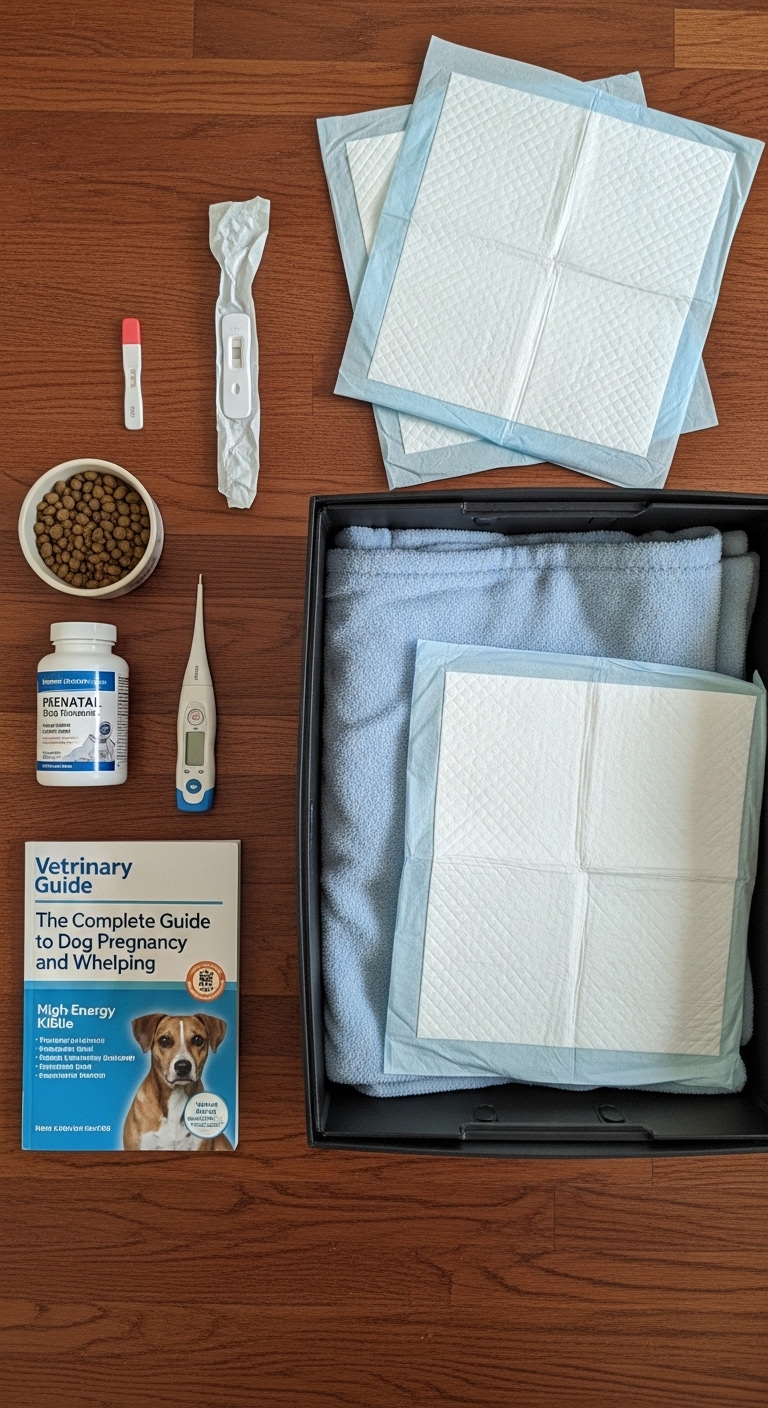
Most first-time owners don’t realize how much a pregnant dog’s diet should change. I learned the hard way that switching to a puppy formula too late can leave both mom and pups short on key nutrients. Also, don’t wait until the last minute to set up a whelping area: your dog will start scoping out spots weeks before she’s due.
Daily Care Habits
Feed smaller meals more often once your dog reaches the third week to avoid stomach upset. Switch to a high-quality puppy food by week five to support the growing litter. Keep exercise gentle and short to prevent overheating or strain. Monitor her water intake closely in the final week to prevent dehydration. Limit exposure to unfamiliar dogs or stressful environments after week six.
Choosing the Right Product
Look for a whelping box with low sides so mom can enter and exit easily. Choose bedding that’s washable and provides good traction to prevent slipping. Get a digital thermometer specifically for tracking her temperature drops before labor. Select a high-calorie puppy formula for the last month of pregnancy. Consider a whelping kit with clean towels, iodine for umbilical cords, and a bulb syringe.
Safety and Comfort
Avoid any medications or supplements unless approved by your vet. Keep her away from stairs or slippery floors as her belly grows. Watch for excessive panting or restlessness which could signal distress. Provide a quiet, dimly lit space where she can retreat from household noise. Check her gums daily for pale color which may indicate anemia.
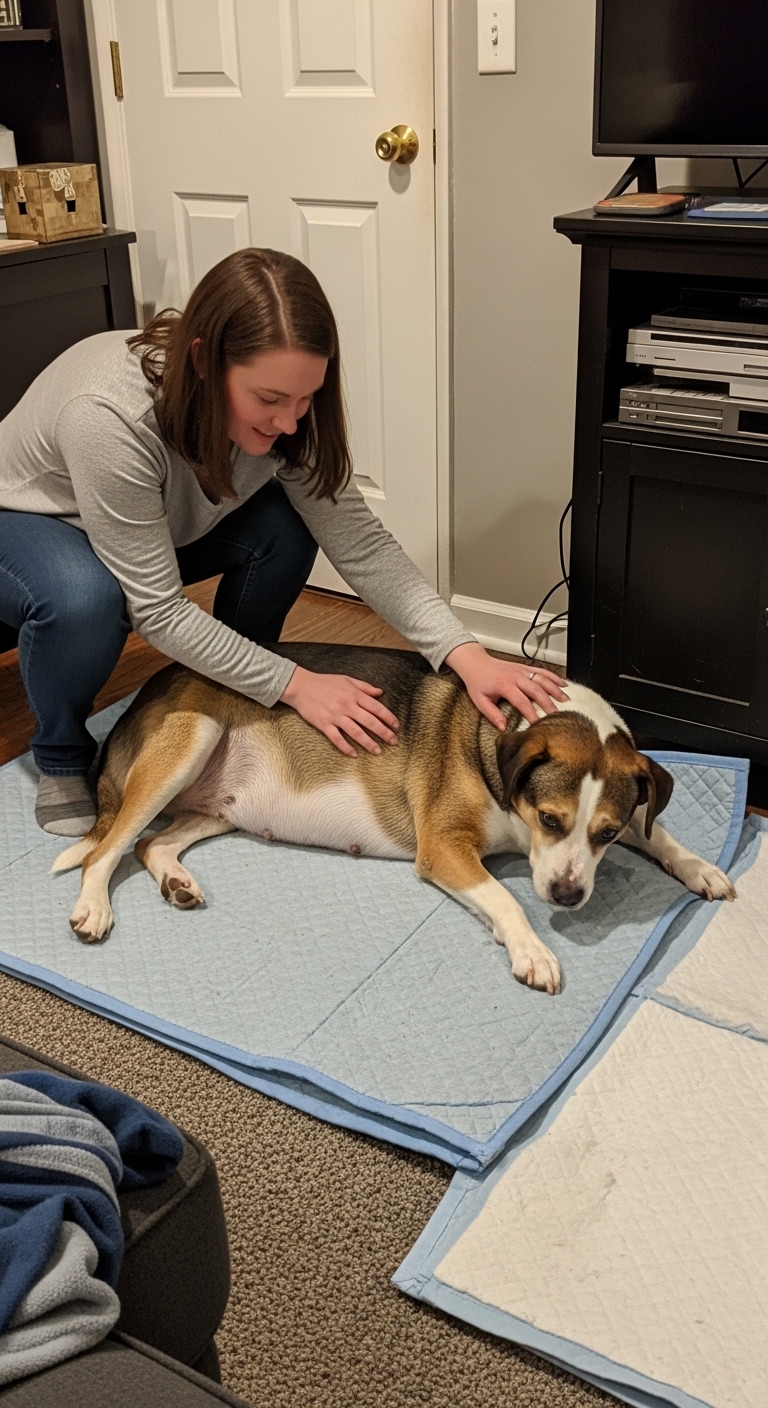
When you’re counting down the days, remember that every dog is different. Trust your instincts if something feels off, call your vet.
Frequently Asked Questions
- → How long does a dog stay pregnant?
Dogs are pregnant for approximately 58 to 68 days, with an average of 63 days from ovulation to birth.
- → What are early signs of pregnancy in dogs?
Common early signs include increased appetite, lethargy, swollen nipples, and behavioral changes like nesting.
- → Can I confirm pregnancy at home?
No, home methods aren’t reliable. A vet can confirm pregnancy via ultrasound (after 25 days) or blood tests (after 21 days).
- → What should a pregnant dog eat?
Switch to high-quality puppy food for extra nutrients. Feed smaller, frequent meals to support her changing needs.
- → When should I prepare for whelping?
Start preparing 1-2 weeks before the due date. Set up a quiet, warm area with soft bedding and monitor for contractions.
- → Is exercise safe during pregnancy?
Light, gentle exercise is fine early on, but avoid strenuous activity or jumping in the final weeks to protect the puppies.