Cheese isn’t toxic to dogs, but it’s not always the best choice either. Some dogs can handle small amounts without issues, while others might get an upset stomach or worse. Knowing when and how to give cheese can make a big difference in keeping your dog happy and healthy.
I’ve seen dogs turn their noses up at cheese while others beg for more: it really depends on the individual pup.
Key Things to Understand
- Lactose and fat content: Cheese contains fat and lactose which many dogs struggle to digest properly. Lactose intolerance is common in dogs and can cause gas, diarrhea, or vomiting.
- High-fat risks: High-fat cheeses like cheddar or cream cheese are more likely to upset your dog’s stomach.
- Safer options: Small amounts of low-lactose cheese like mozzarella or cottage cheese are safer options.
- Avoid additives: Avoid seasoned or flavored cheeses that may contain harmful ingredients like garlic or onion.
What to Look For
Watch how your dog reacts after eating cheese. Some dogs will show immediate signs of discomfort like excessive licking, gas, or loose stools within a few hours. Others might develop itchy skin or ear infections over time if they’re sensitive to dairy. If your dog seems fine but starts gaining weight quickly, the extra fat in cheese could be the culprit. Pay attention to their energy levels too: some dogs get sluggish after eating too much dairy.
A common mistake is giving cheese as a daily treat without realizing it adds up in calories. I once saw a dog gain five pounds in a month just from a slice of cheddar every day: it’s an easy habit to overlook.
Cheese as a Training Tool
Using cheese as a reward during training can be effective, but timing matters. Give it right after they perform the desired behavior so they associate the action with the treat. Keep pieces small (pea-sized or smaller) to avoid overfeeding. If your dog isn’t food-motivated, cheese might not be the best incentive.
Alternatives to Cheese
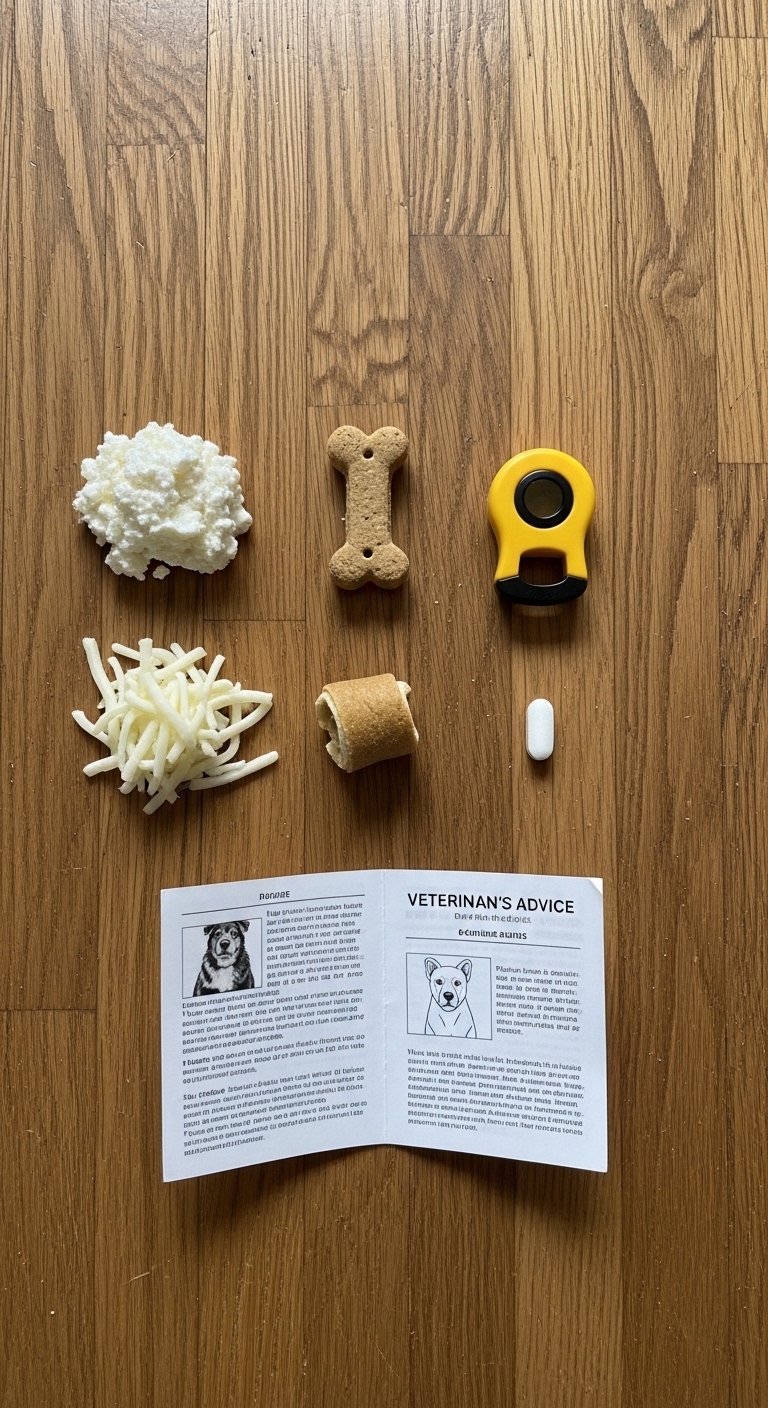
If your dog can’t tolerate cheese, try boiled chicken, freeze-dried liver, or commercial dog treats instead. These options are easier on their stomach and still work well for training. Some dogs prefer crunchy treats over soft cheese, so experiment to see what your pup likes best.
When Cheese Is Off-Limits
Dogs with pancreatitis, obesity, or dairy allergies should never have cheese. Even if they’ve had it before without issues, these conditions can flare up from the fat and lactose. Always check with your vet if you’re unsure whether cheese is safe for your dog’s specific health needs.

Cheese can be a fun occasional treat, but always prioritize your dog’s health and dietary needs.
Frequently Asked Questions
- → Is cheese safe for all dogs?
Cheese is generally safe for most dogs in small amounts, but it depends on the individual dog. Some dogs may be lactose intolerant, which can cause digestive upset. Dogs with pancreatitis or weight issues should avoid high-fat cheeses.
- → What types of cheese are best for dogs?
Low-fat cheeses like mozzarella, cottage cheese, or plain cheddar are the best choices. Avoid cheeses with added flavors, garlic, onions, or excessive salt, as these can be harmful.
- → How much cheese can I give my dog?
Cheese should be given in very small amounts, typically no more than 10% of your dog’s daily calorie intake. A small cube or a teaspoon-sized portion is usually sufficient as a treat.
- → Can cheese be used to give dogs medication?
Yes, cheese is often used to hide pills or liquid medication because many dogs find it palatable. Just ensure the cheese is safe and given in moderation.
- → What are the risks of feeding cheese to dogs?
The main risks include weight gain from high fat content, lactose intolerance leading to digestive issues, and potential toxicity from additives like garlic or herbs. Always introduce cheese slowly and monitor your dog’s reaction.
- → Can puppies eat cheese?
Puppies can eat cheese in small amounts, but it should not replace their balanced puppy diet. Introduce cheese gradually to avoid digestive upset and consult your vet if unsure.