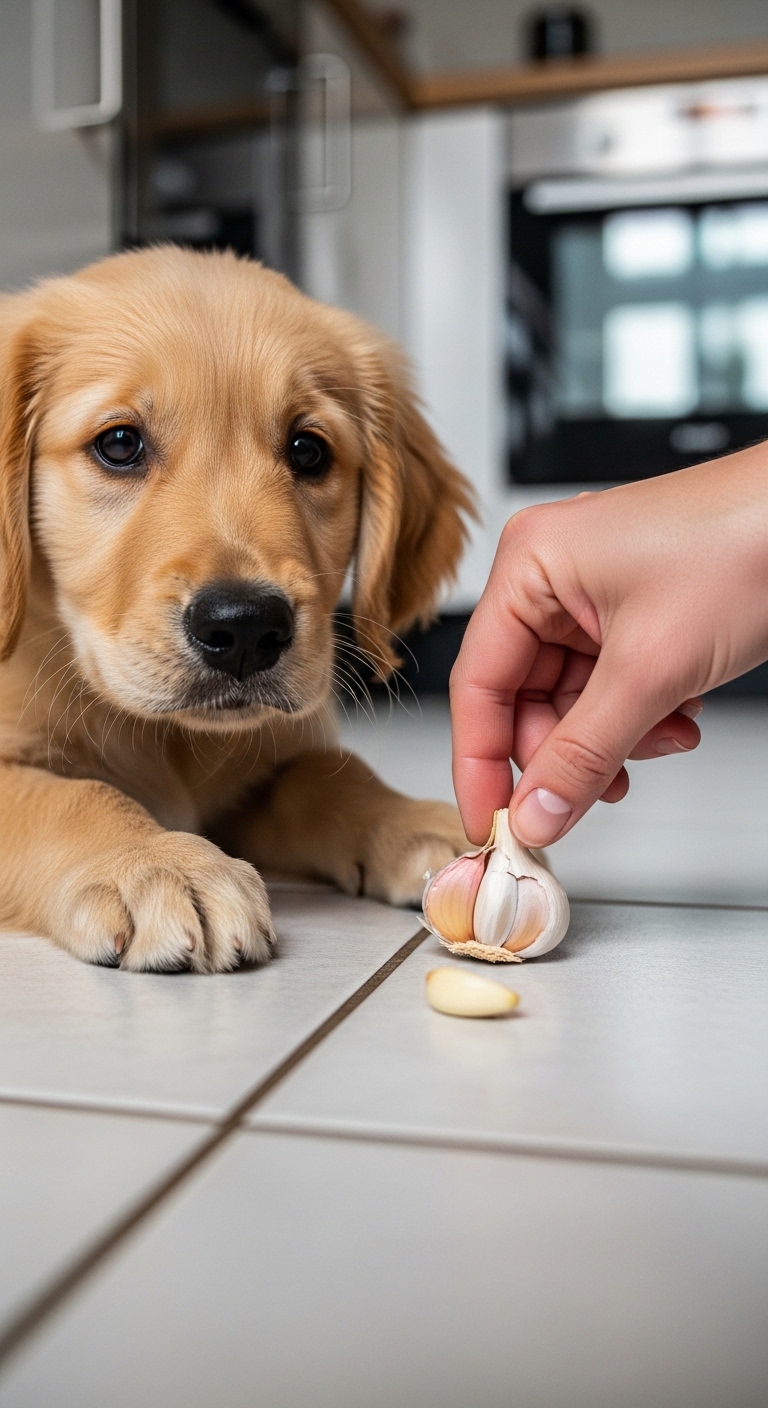
Grapes might seem like a harmless snack, but they can pose serious risks to dogs. Many pet owners don’t realize just how toxic these fruits can be, even in small amounts. A single grape or raisin can lead to kidney failure in dogs, making it crucial to understand the dangers and how to respond if your dog accidentally eats them.
I still remember the first time my neighbor’s dog got into a bowl of grapes at a picnic. The panic set in fast, but knowing the steps to take made all the difference in getting the dog the help they needed before it was too late.
Key Things to Understand
- Grapes and raisins are highly toxic to dogs even in small quantities: The exact toxic dose varies by dog, but there’s no safe amount.
- Symptoms of grape poisoning can appear within hours or take up to 24 hours: Dogs of any breed, size, or age can be affected.
- Dried grapes (raisins) are just as dangerous as fresh ones: Some dogs may show no immediate symptoms but still develop kidney damage later.
What to Look For
Watch for signs of grape toxicity within the first 6 to 12 hours after ingestion. These often start with vomiting and diarrhea, which may contain undigested grape pieces. Your dog might seem unusually lethargic or refuse to eat, a red flag that something is wrong. As the condition progresses, you may notice increased thirst and urination followed by a sharp decrease in both, indicating kidney distress. Some dogs develop tremors or seizures as the toxicity takes hold. If you suspect grape ingestion, don’t wait for symptoms to worsen: contact your vet immediately.
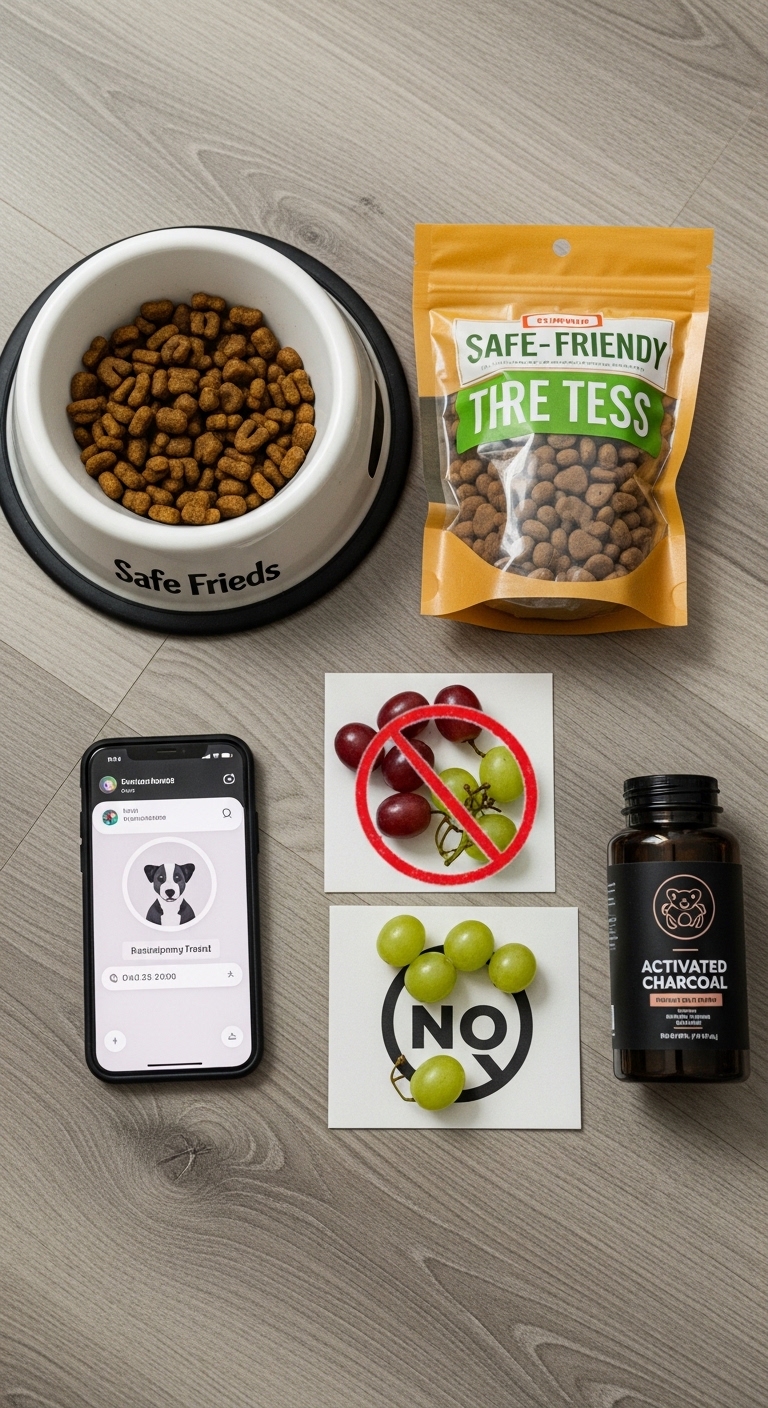
I once spoke with a vet who treated a Labrador that had eaten a single grape. The owner thought it was harmless because the dog seemed fine at first, but within 48 hours, the dog was in critical condition. This case stuck with me because it shows how unpredictable grape toxicity can be: never assume a small amount is safe.
Why Some Dogs React Differently
Not all dogs will have the same reaction to grapes, which makes the situation even trickier. Some may show immediate symptoms while others appear unaffected for days before kidney failure sets in. Genetics, overall health, and even the dog’s hydration level can influence how their body processes the toxins. This variability is why veterinarians treat every grape ingestion case as an emergency, regardless of how your dog seems at first.
How to Prevent Accidental Exposure
The best way to protect your dog is to keep grapes and raisins completely out of reach. Store them in high cabinets or the fridge where curious noses can’t find them. Be mindful during gatherings: guests might not realize the danger and accidentally drop a grape or two. Train your dog with a solid “leave it” command to stop them from grabbing food off counters or tables. If you grow grapes in your yard, fence off the area or supervise your dog closely when they’re outside.
What to Do If Your Dog Eats Grapes
Act fast if you catch your dog eating grapes or suspect they’ve ingested any. Remove any remaining grapes from their mouth and check for wrappers or stems that might still be there. Call your vet or an emergency pet poison hotline immediately for guidance. They may recommend inducing vomiting at home if it’s been less than two hours since ingestion, but only if instructed to do so. Even if your dog seems fine, insist on a vet visit: some symptoms take time to appear, and early treatment is critical.
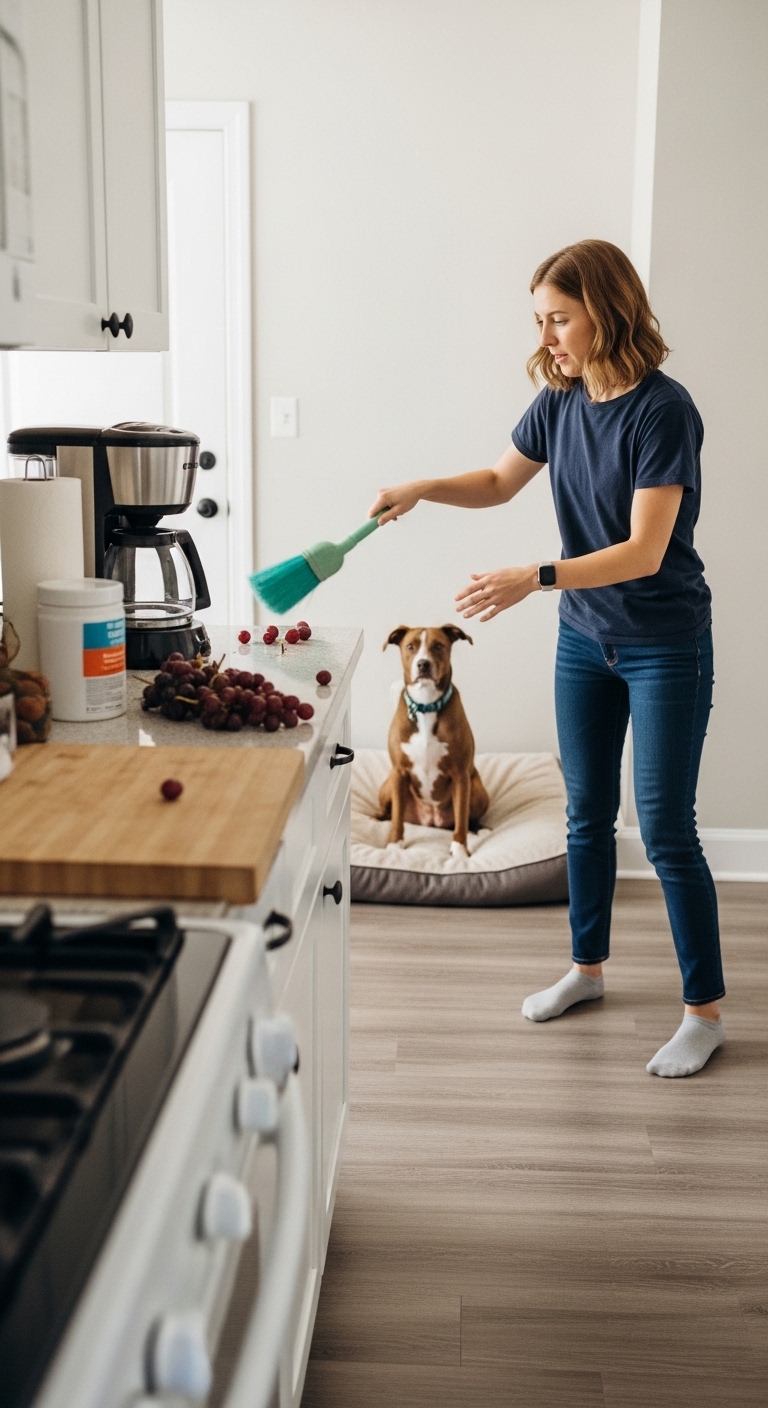
Grapes may look harmless, but their toxicity to dogs is a serious risk. Staying informed and prepared can make all the difference in keeping your pet safe.
Frequently Asked Questions
- → How many grapes are toxic to dogs?
Even a single grape can be dangerous, as toxicity varies by dog size and sensitivity. Some dogs may tolerate small amounts without issues, but others can suffer severe reactions from minimal exposure. It’s best to avoid grapes entirely to prevent risk.
- → What are the symptoms of grape poisoning in dogs?
Common signs include vomiting, diarrhea, lethargy, loss of appetite, abdominal pain, and dehydration. In severe cases, symptoms progress to kidney failure, which can be fatal without prompt treatment.
- → What should I do if my dog eats a grape?
Act immediately—contact your veterinarian or an emergency pet clinic. Do not wait for symptoms to appear. Your vet may recommend inducing vomiting or administering activated charcoal to limit absorption. Bring packaging or remnants of the grapes if possible.
- → Are all grape varieties toxic to dogs?
Yes, all types of grapes (red, green, seedless, organic) and raisins are considered toxic to dogs. The exact compound causing toxicity is unknown, so it’s safest to assume all grape products pose a risk.
- → Can dogs recover from grape toxicity?
With early intervention, many dogs recover fully. Treatment focuses on decontamination, supportive care (IV fluids, anti-nausea meds), and monitoring kidney function. Delayed treatment reduces the chances of a full recovery and increases the risk of permanent damage.
- → What human foods are safe alternatives to grapes for dogs?
Safe fruits include apples (without seeds), blueberries, strawberries, and watermelon (seedless). Always introduce new foods gradually and in moderation. Avoid grapes, raisins, currants, and foods containing xylitol, chocolate, or caffeine.
- → How long after eating grapes do symptoms appear?
Symptoms often develop within 6-12 hours but can take up to 24 hours. Early signs like vomiting or diarrhea may be the first indicators. Monitor your dog closely for at least 48 hours after ingestion, even if they seem fine initially.