Honey might seem like a harmless treat to share with your dog, but it’s not always as simple as it looks. While many pet owners reach for honey as a natural sweetener or remedy, there are important things to consider before letting your pup lick that spoon. Small amounts can be safe for most dogs, but the type of honey, your dog’s health, and how much they consume all play a role in whether it’s a good idea. For some dogs, honey could even cause more harm than good, especially if they have underlying health issues or allergies.
I’ve seen dogs perk up after a tiny taste of honey, but I’ve also noticed some get sluggish or itchy afterward. Every dog reacts differently, so it’s worth paying attention to how your own pup handles it before making it a regular thing.
Key Things to Understand
- Honey is high in sugar: even small amounts can contribute to weight gain or dental issues over time
- Raw honey is generally safer: than processed honey because it hasn’t been heated or filtered
- Some dogs may have an allergic reaction: to honey, especially if they’re sensitive to pollen
- Puppies under one year old: should never have honey due to the risk of botulism
- Honey can soothe a dog’s throat: when they have a mild cough, but it’s not a cure-all
- Avoid giving honey to diabetic dogs: because of its high sugar content
What to Look For
Watch how your dog reacts the first time you offer honey. Some dogs will lick it eagerly, while others might ignore it or show signs of discomfort like pawing at their mouth or scratching. If your dog has never had honey before, start with a very small amount (about a teaspoon for a medium-sized dog) and observe them for a few hours. Look for changes in energy levels, appetite, or any unusual behavior. If they seem fine, you can try giving honey occasionally, but always in moderation.
Pay attention to the type of honey you’re using. Raw, unprocessed honey is the best choice because it retains more natural enzymes and nutrients. Avoid honey blends with added sugars or artificial ingredients, as these can be harder for dogs to digest. Also, check the label for any signs of xylitol, a sugar substitute that’s toxic to dogs (even a tiny amount can be dangerous).
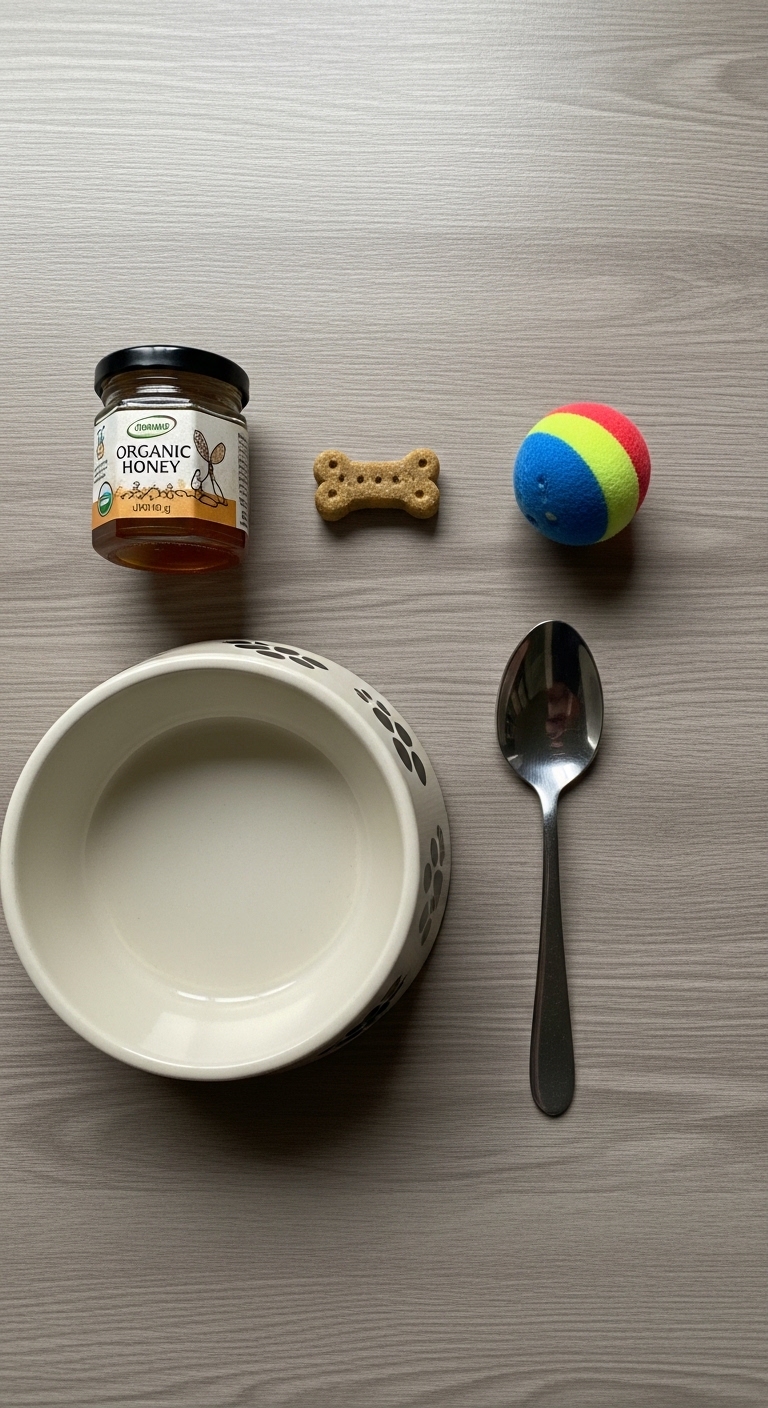
I once gave my neighbor’s dog a dab of honey to help with a cough, and within minutes, the dog started sneezing and rubbing its face. It turned out the dog was allergic to one of the pollens in the honey. That’s why it’s so important to introduce honey slowly and watch for any negative reactions.
How to Use Honey Safely with Your Dog
If you decide to give your dog honey, think of it as an occasional treat rather than a daily habit. A good rule of thumb is to limit it to no more than one teaspoon per 20 pounds of body weight, and only once or twice a week. For small dogs, that’s just a few licks, while larger breeds can handle a bit more. Always mix it into their food or spread a thin layer on a treat to make it easier for them to eat without making a mess.
Some pet owners use honey to help with minor wounds or skin irritations. A small amount of raw honey can be applied to a minor scrape or hot spot to help soothe the area and keep it clean. Just be sure to cover it with a bandage or cone to prevent your dog from licking it off. If the irritation doesn’t improve within a day or two, it’s best to check with your vet.
Seasonal Considerations for Honey and Dogs
During allergy season, some pet owners give their dogs local honey to help build up immunity to pollen. The idea is that trace amounts of pollen in the honey might help desensitize your dog over time. While this isn’t a guaranteed fix, it’s a harmless experiment for many dogs. Just be sure to start with tiny amounts and monitor for any allergic reactions.
In the winter, honey can be a comforting treat for dogs who spend a lot of time outdoors in the cold. A spoonful mixed into their food can give them a quick energy boost, but it’s still important to keep the portions small. If your dog is less active in the colder months, you might want to reduce how often you give them honey to avoid unnecessary sugar intake.
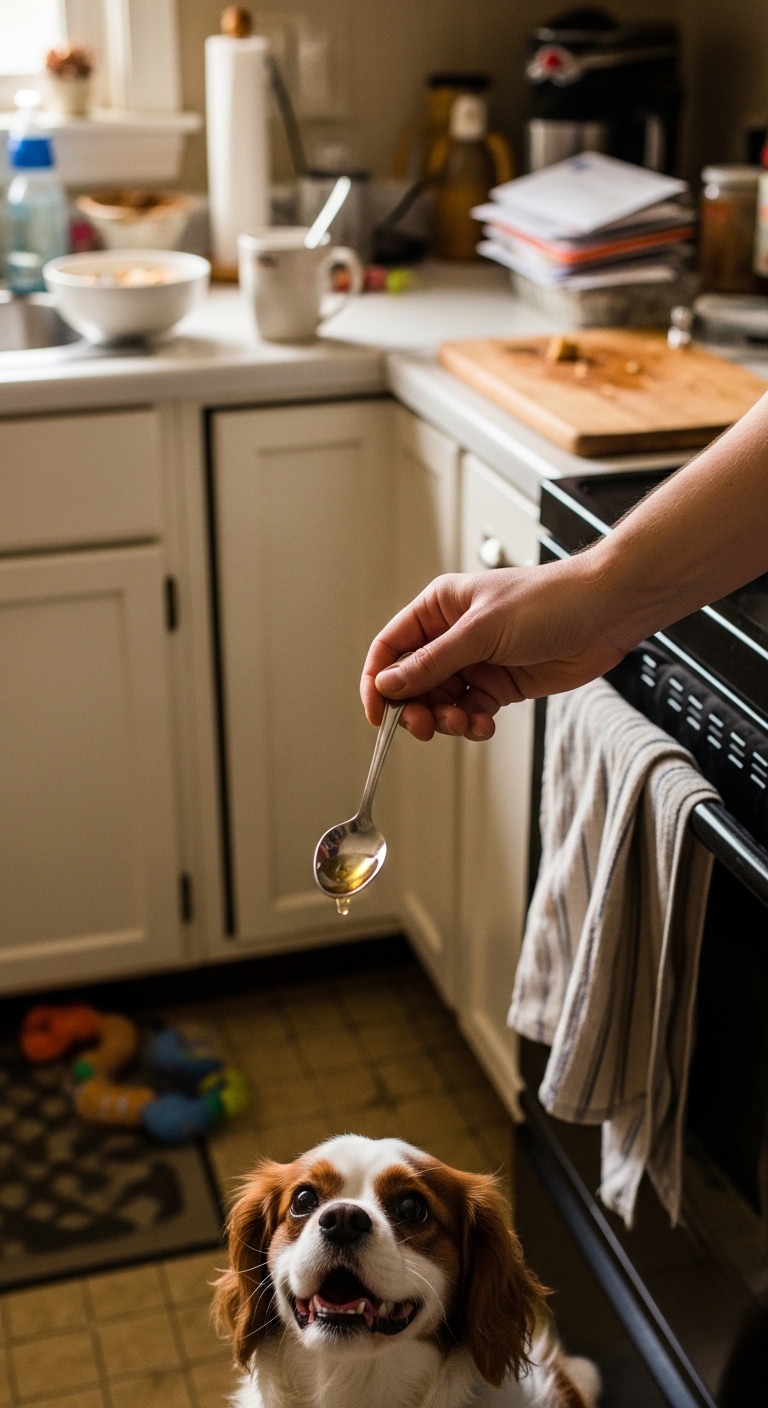
Honey can be a useful supplement for dogs in moderation, but it’s not right for every pup. Always prioritize your dog’s health and consult your vet if you’re unsure.
Frequently Asked Questions
- → Can dogs eat honey safely?
Yes, dogs can eat honey in small amounts. It’s a natural source of energy and contains antioxidants, but should be given sparingly due to its sugar content.
- → How much honey can I give my dog?
For small dogs, a teaspoon or less per day is sufficient. Larger breeds can have up to a tablespoon, but always start with a tiny amount to check for allergies.
- → Is raw honey better for dogs than processed honey?
Raw honey retains more nutrients and enzymes, but both raw and processed honey can be given in moderation. Ensure it’s free from additives like xylitol, which is toxic to dogs.
- → What are the benefits of honey for dogs?
Honey can soothe coughs, support immune function, and provide quick energy. Its antibacterial properties may also help with minor wounds when applied topically.
- → Are there risks of feeding honey to dogs?
Overfeeding honey can lead to weight gain or blood sugar spikes. Puppies under one year and dogs with diabetes or immune issues should avoid it. Always consult your vet first.
- → Can honey help with my dog’s allergies?
Local honey may help reduce seasonal allergies in some dogs by exposing them to small amounts of pollen. However, results vary, and it’s not a guaranteed solution.