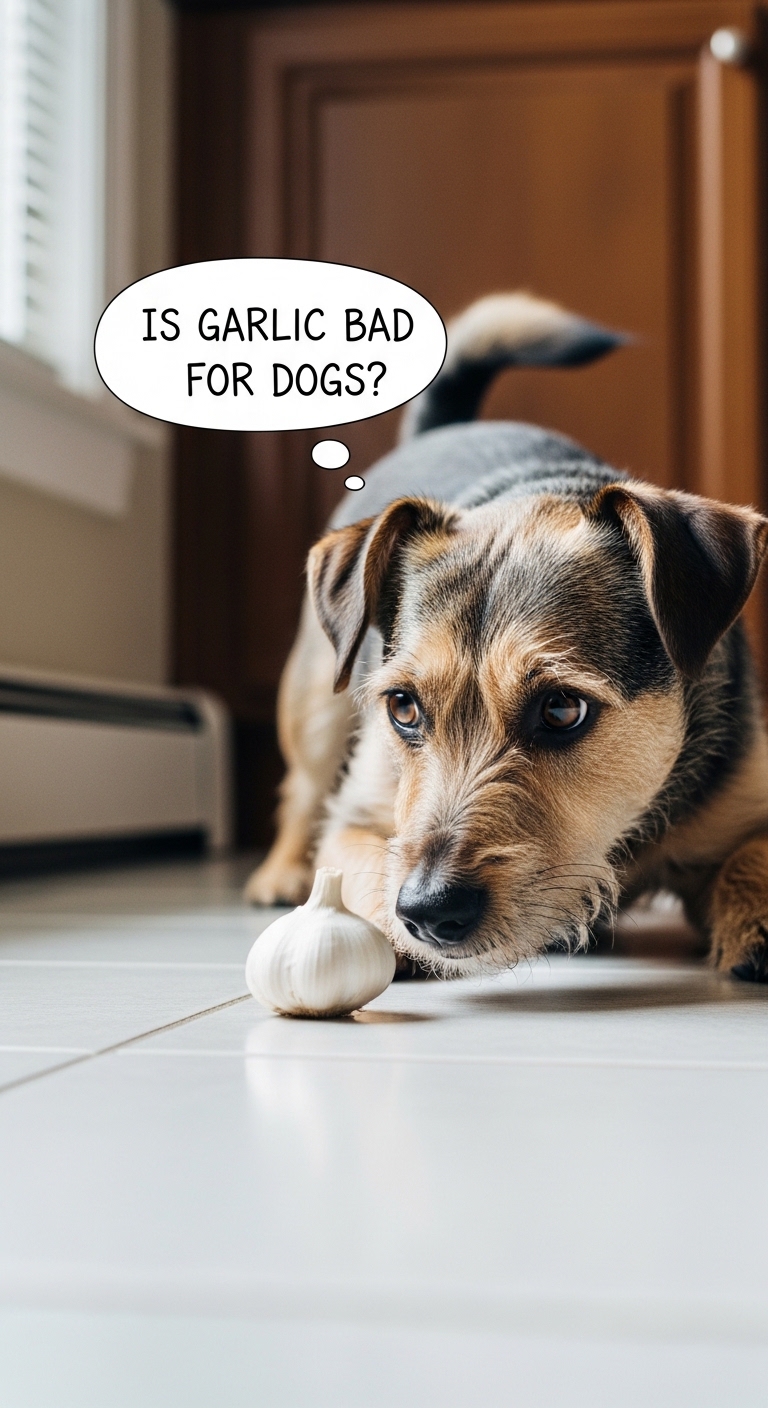
Can dogs have garlic? It’s a question many pet owners ask when preparing meals for their furry friends. While garlic is a common ingredient in human cooking, it’s important to know how it affects dogs before sharing your food. Some people believe garlic has health benefits for pets, but the truth is more complicated. Understanding the risks can help you keep your dog safe and healthy while avoiding accidental poisoning.
Garlic contains compounds that can damage a dog’s red blood cells, leading to anemia. Even small amounts over time can build up in their system. I once saw a friend’s dog get sick after eating a homemade meal with garlic powder: it was a scary lesson about how easy it is to overlook hidden ingredients.
Key Things to Understand
- Garlic belongs to the Allium family: This family also includes onions, leeks, and chives. These plants contain thiosulfate, a compound toxic to dogs.
- Even powdered garlic is harmful: Raw, cooked, or powdered garlic all pose risks, but powdered forms are often more concentrated.
- Size and breed matter: Smaller dogs are more sensitive than larger breeds.
- Delayed symptoms: Symptoms of garlic toxicity may not appear immediately. They can take days to develop, making it harder to connect the illness to garlic exposure.
What to Look For
Watch for signs of garlic poisoning in your dog, such as vomiting, diarrhea, lethargy, or pale gums. These symptoms can indicate damage to their red blood cells. If your dog has eaten garlic recently and shows these signs, contact your vet right away. You should also check ingredient labels on pet foods and treats. Some commercial products contain garlic powder as a flavoring agent, which can add up over time. If you’re unsure about a specific food, it’s best to avoid it altogether.

I once met a dog owner who thought garlic was safe because their vet had mentioned it in passing. It turned out the vet was referring to a different context, and the dog ended up needing medical treatment. Always double-check with a professional if you’re unsure.
Safe Alternatives to Garlic for Dogs
If you want to add flavor to your dog’s meals, there are plenty of safer options. Fresh herbs like parsley, basil, or oregano can enhance taste without the risks. Plain cooked chicken or pumpkin puree are also great additions. Avoid using any seasonings that contain onion or garlic powder, as these are common in store-bought broths and sauces.
How Much Garlic Is Too Much?
The general guideline is that garlic is unsafe for dogs in any amount. Even small doses over time can lead to poisoning. Some sources suggest that as little as 0.5 grams of garlic per kilogram of body weight can cause issues. For a 10-pound dog, that’s less than a quarter of a clove. It’s better to avoid garlic entirely than to risk your dog’s health.
Reading Pet Food Labels Carefully
Many commercial dog foods and treats include garlic powder as a natural flavoring. While the amounts are usually small, they can accumulate if you feed your dog multiple products containing garlic. Always scan the ingredient list for words like "garlic powder," "garlic extract," or "onion powder." If you see these, consider switching to a brand that doesn’t use them.
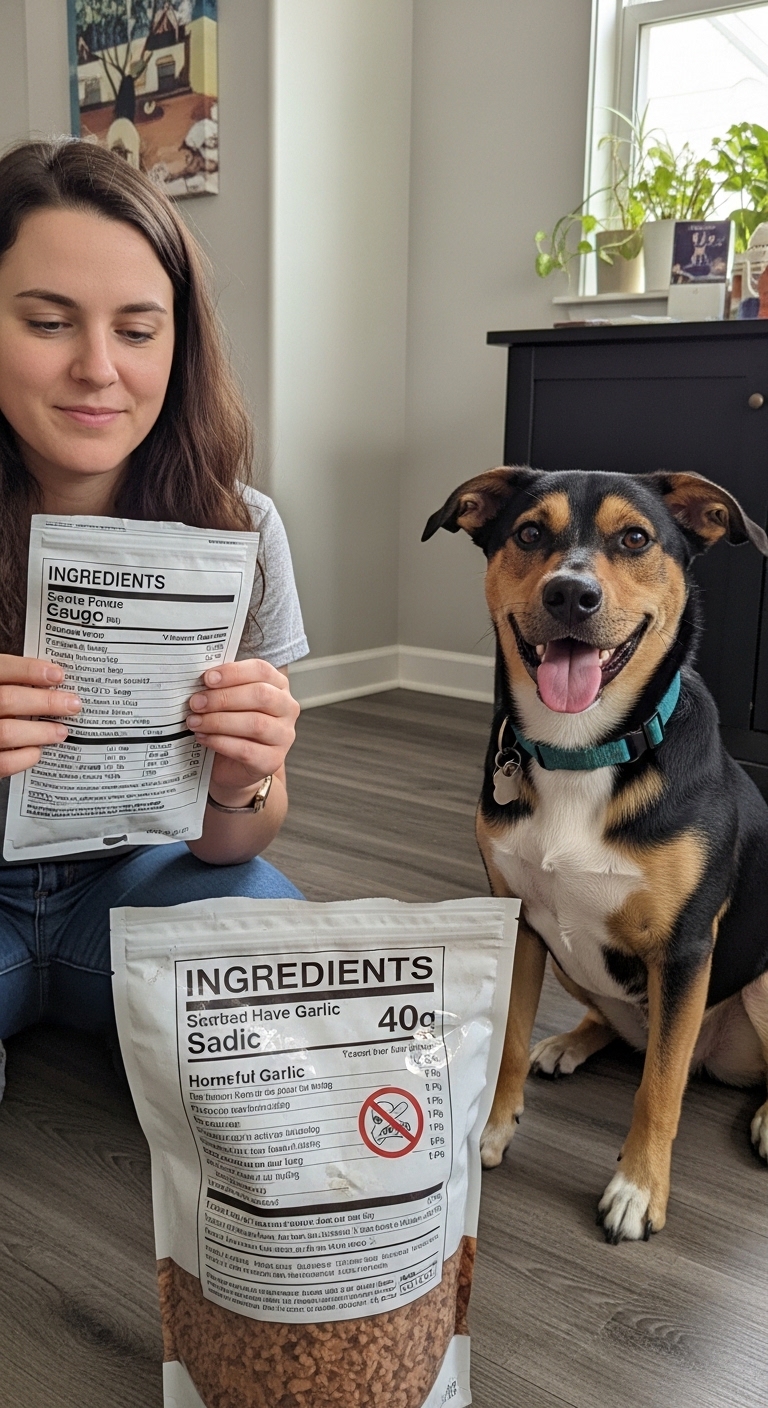
Understanding the risks of garlic for dogs helps you make safer choices for your pet’s diet. Always prioritize their health by avoiding harmful ingredients.
Frequently Asked Questions
- → How much garlic is toxic to dogs?
Toxicity varies by dog size, but generally, ingestion of more than 0.5% of a dog's body weight in garlic can be dangerous. For example, a 10-pound dog could be at risk from as little as one small clove.
- → What are the signs of garlic poisoning in dogs?
Common symptoms include vomiting, diarrhea, drooling, lethargy, weakness, pale gums, and an increased heart rate. Severe cases may lead to collapse or difficulty breathing.
- → Can garlic powder harm dogs more than fresh garlic?
Yes, garlic powder is more concentrated and poses a higher risk. Even small amounts can be toxic, as it contains higher levels of the harmful compounds than fresh garlic.
- → What should I do if my dog eats garlic?
Contact your veterinarian or a pet poison hotline immediately. Do not induce vomiting unless instructed by a professional. Bring the packaging or amount consumed for accurate assessment.
- → Are there safe garlic alternatives for dogs?
Yes, dog-safe herbs like parsley, basil, or oregano can add flavor without the risks. Always introduce new foods gradually and in moderation.
- → Can all dog breeds tolerate garlic differently?
Smaller breeds and those with pre-existing health conditions are more susceptible. Some breeds, like Shiba Inus and Akitas, may be more sensitive due to genetic factors affecting red blood cell health.