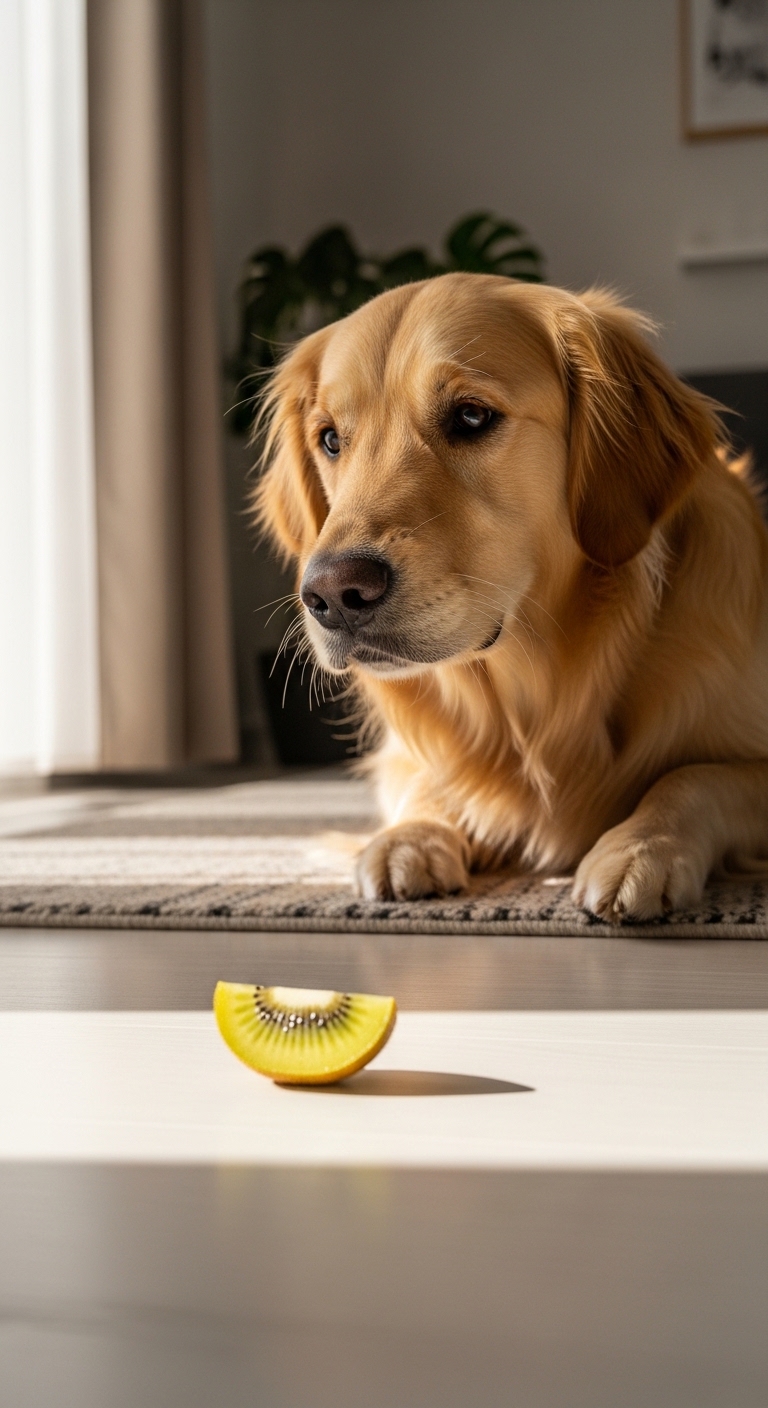
Peanut butter is a pantry staple in many homes, and as a dog owner, you’ve probably wondered if sharing a spoonful with your furry friend is safe. It’s a common question because peanut butter seems harmless, but not all varieties are dog-friendly. Getting this right matters because peanut butter can be a great treat for training, a tasty topper for meals, or a way to give your dog medication. The wrong kind, though, could lead to serious health issues like xylitol poisoning or upset stomachs.
I once gave my neighbor’s dog a spoonful of peanut butter straight from the jar, only to find out later it contained xylitol. That was a scary lesson in always checking labels before sharing human food.
Key Things to Understand
- Peanut butter without xylitol is generally safe for dogs in moderation: It can be a healthy treat when chosen carefully.
- Xylitol, a sugar substitute, is extremely toxic to dogs: It can cause rapid insulin release, leading to hypoglycemia or even liver failure.
- Natural peanut butter with no added sugars, salt, or artificial sweeteners is the best choice: These additives can harm your dog’s health.
- Small amounts are fine, but too much can lead to obesity or digestive issues: The high fat content can be problematic in excess.
- Always introduce new foods slowly: Monitor for allergies or sensitivities.
What to Look For
When scanning peanut butter labels, prioritize products that list peanuts as the only ingredient. Avoid anything with added sugars, hydrogenated oils, or artificial flavors, as these can contribute to long-term health problems like diabetes or heart disease. If the label mentions no added salt, that’s a good sign, but don’t assume it’s xylitol-free: always check the ingredients list for xylitol specifically. Texture matters too; runny or separated peanut butter might contain stabilizers that aren’t ideal for dogs. For dogs with sensitive stomachs, smooth peanut butter without chunks is usually easier to digest. If your dog has never had peanut butter before, watch for signs of allergies like itching, swelling, or gastrointestinal upset in the hours after eating.
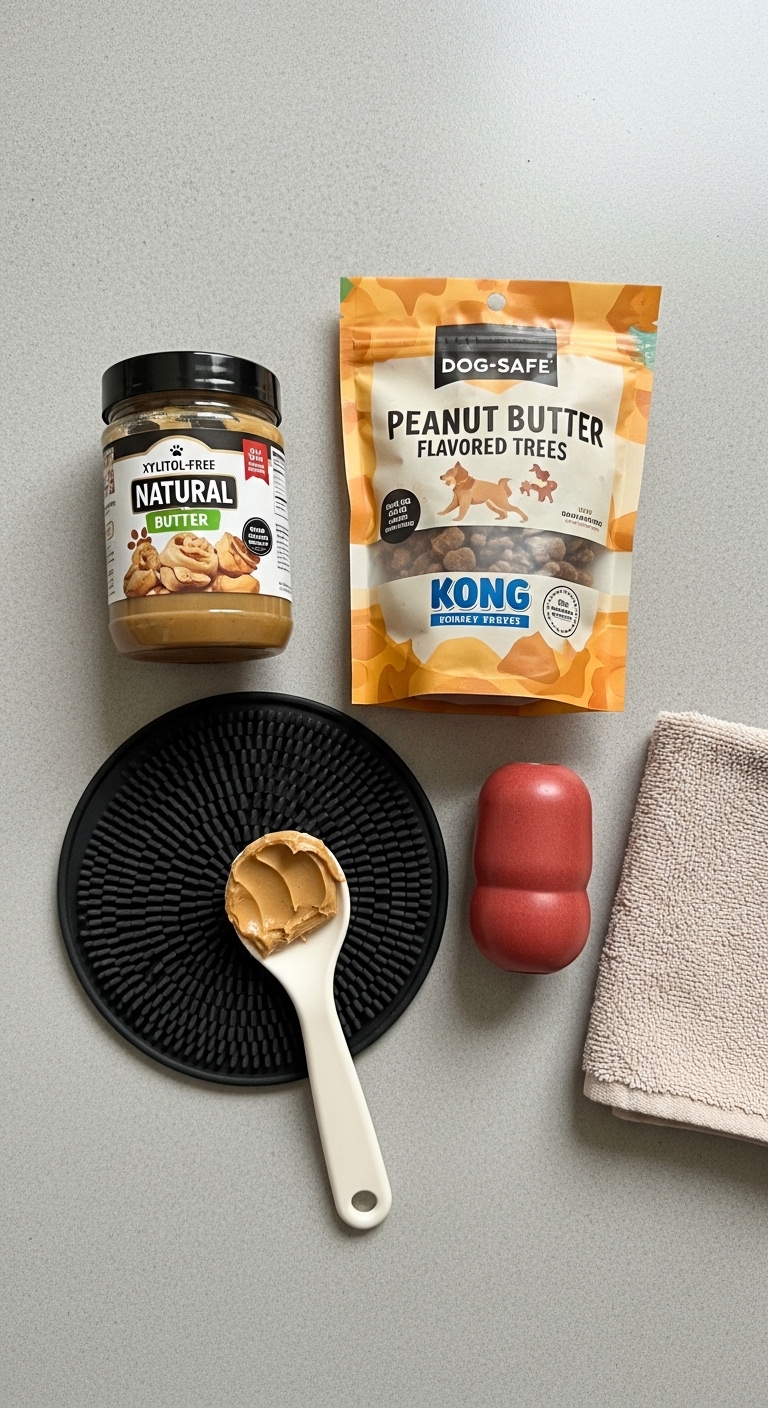
I’ve seen dogs get into trouble by sneaking peanut butter from an open jar left on the counter. It’s easy to forget how tempting it can be for them, so always store it securely. Another common mistake is assuming all natural peanut butter is safe: some brands still use xylitol as a sweetener, so reading the label is non-negotiable.
Daily care habits
Peanut butter can be a great way to keep your dog occupied during bath time or grooming sessions. A small dab on a lick mat or inside a puzzle toy can distract them while you work, making the experience less stressful for both of you. Just remember to account for the extra calories in their daily intake to avoid weight gain.
Choosing the right product
Look for peanut butter labeled 100% peanuts or all-natural with no additives. Organic options are a plus, but the key is the ingredient list. Brands that specialize in pet-safe treats often sell peanut butter in squeeze tubes, which are mess-free and perfect for stuffing into chew toys.
Safety and comfort
Never feed your dog peanut butter that’s been sweetened with xylitol, even in small amounts. Symptoms of xylitol poisoning include vomiting, lethargy, and seizures, which require immediate veterinary attention. If you’re unsure, stick to plain, unsalted peanut butter and introduce it gradually.
Common mistakes to avoid
Avoid giving peanut butter to dogs with peanut allergies, which can cause severe reactions like hives or difficulty breathing. Another mistake is using peanut butter as a meal replacement: it’s a supplement, not a substitute for balanced dog food. Also, don’t overlook the risk of choking: thick globs can get stuck in the throat, so always serve it in thin layers or mixed with other foods.
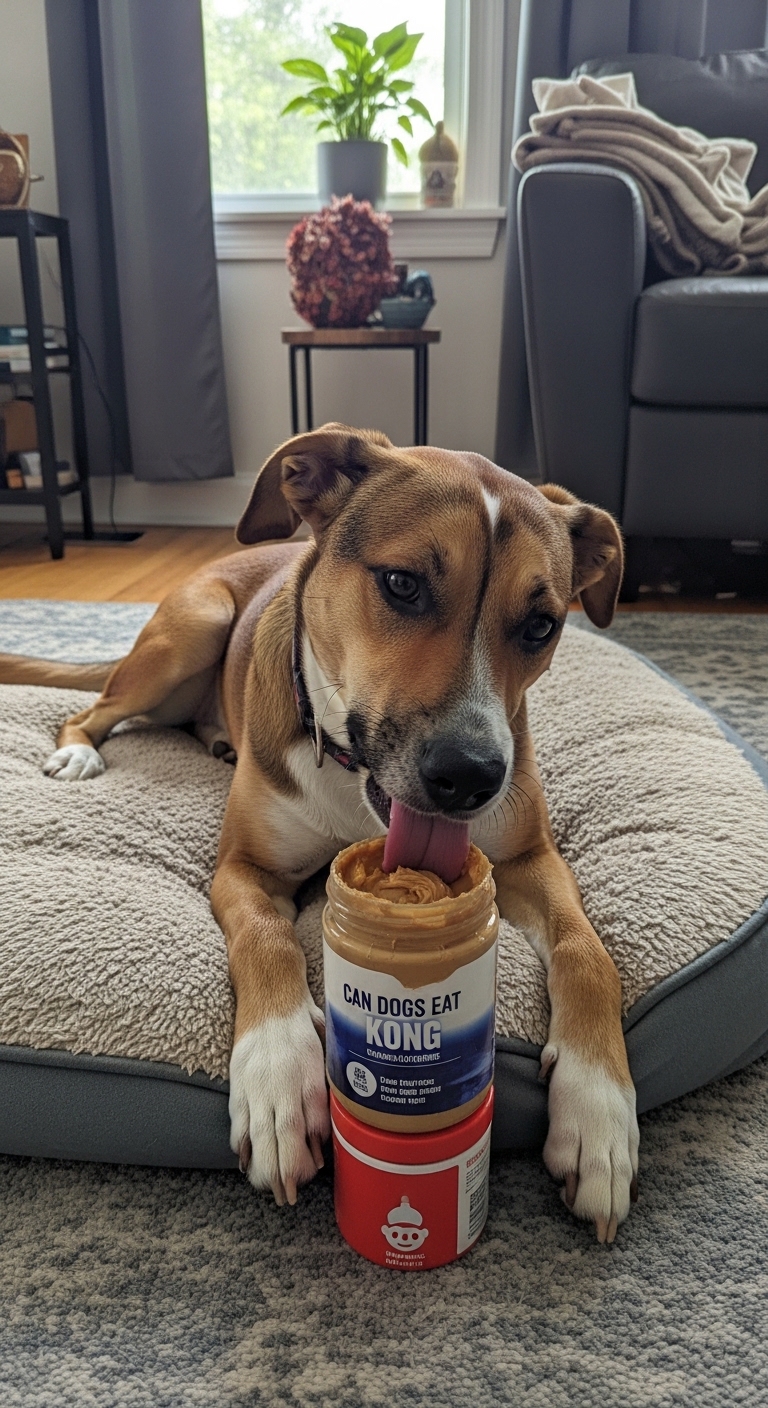
Peanut butter can be a safe and enjoyable treat for dogs when chosen and used correctly.
Frequently Asked Questions
- → Is peanut butter safe for all dogs?
Most dogs can safely enjoy peanut butter in moderation, but those with peanut allergies or sensitivities should avoid it. Always introduce new foods gradually and watch for signs of discomfort or allergic reactions.
- → How much peanut butter can I give my dog?
A small amount is key—about 10% of your dog’s daily calorie intake or a teaspoon for small breeds and a tablespoon for larger dogs. Too much can lead to weight gain or digestive upset.
- → What ingredients in peanut butter are harmful to dogs?
Avoid peanut butter containing xylitol, a sugar substitute that is highly toxic to dogs. Also, watch for high salt content, added sugars, or artificial sweeteners, which can be unhealthy.
- → Can peanut butter help with dog training?
Yes! Peanut butter can be used as a high-value treat to reward good behavior or mask medication. Its sticky texture makes it easy to spread on lick mats or inside puzzle toys for mental stimulation.
- → What type of peanut butter is best for dogs?
Choose plain, unsweetened peanut butter with no added salt, sugar, or artificial ingredients. Natural, xylitol-free brands are the safest option for your pet’s health.
- → Are there alternatives to peanut butter for dogs?
If your dog can’t have peanut butter, consider alternatives like pumpkin puree, plain yogurt, or dog-safe cheese. Always introduce new treats slowly to avoid digestive issues.