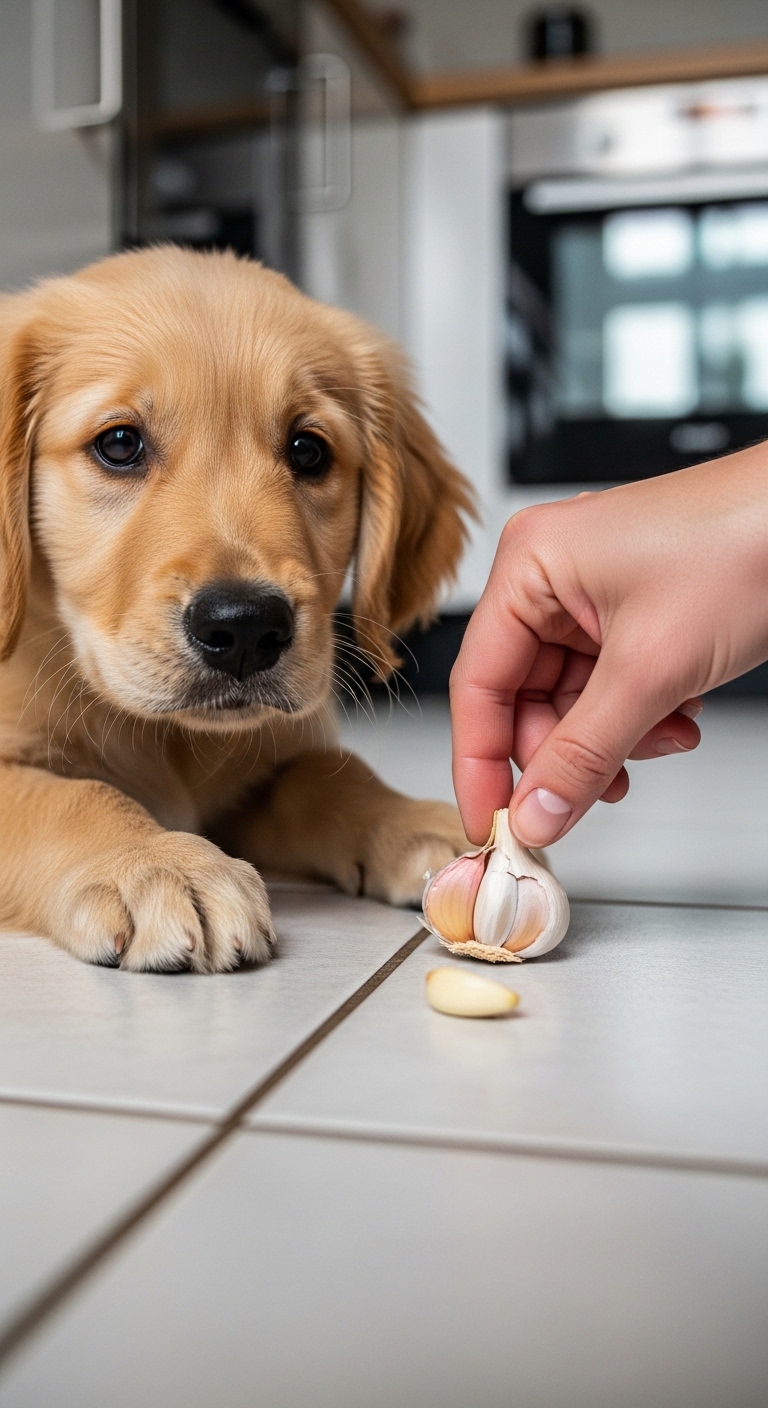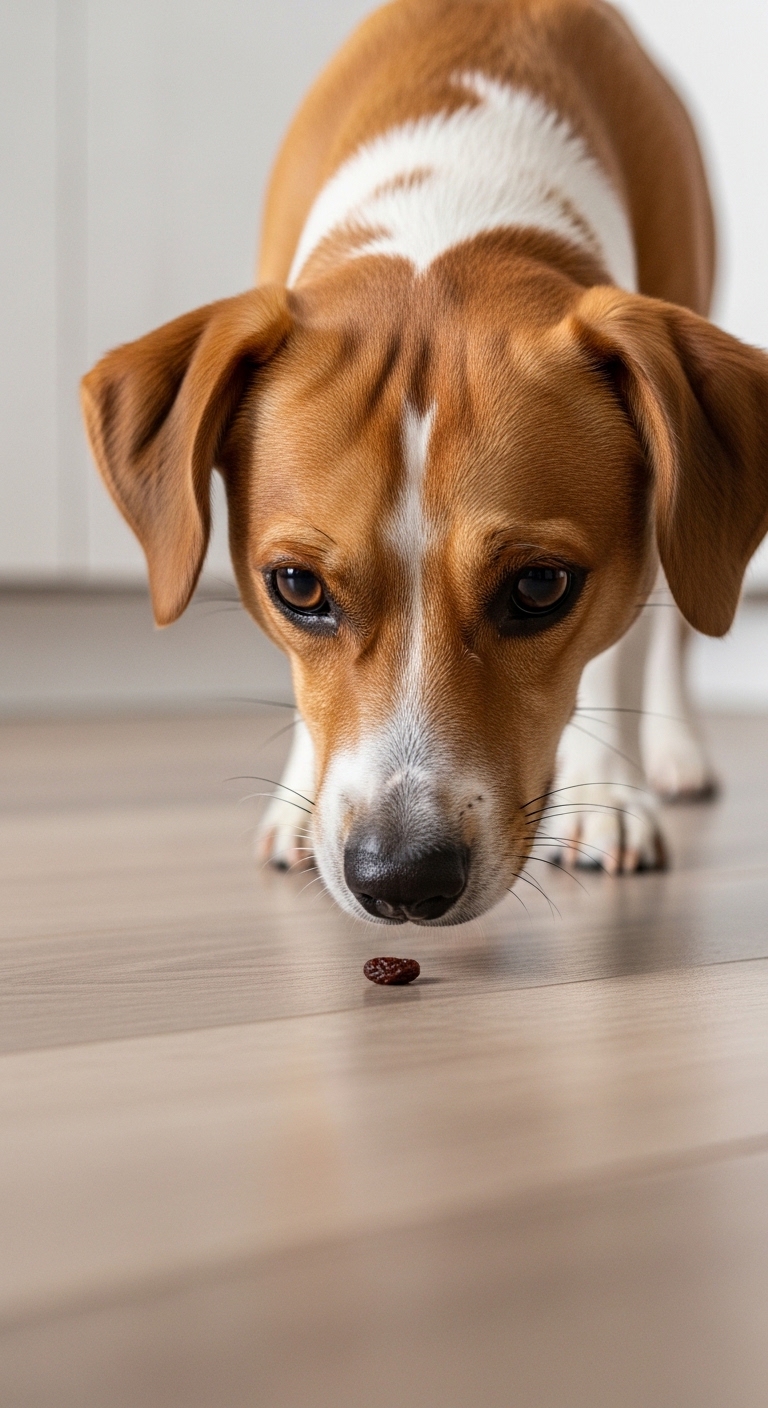
Is garlic bad for dogs? It’s a question many pet owners ask when preparing meals or sharing snacks with their furry friends. While garlic is a common ingredient in human cooking, it can pose serious health risks to dogs if consumed in large amounts. Even small doses over time can lead to toxicity, making it important to understand the dangers and how to keep your pet safe.
I remember once seeing a dog owner unknowingly feed their pup a garlic-heavy meal because they thought it was harmless. The dog ended up needing urgent care, which could have been avoided with the right knowledge.
Key Things to Understand
- Toxic compound: Garlic contains thiosulfate, a compound toxic to dogs that damages red blood cells and can cause anemia.
- Small amounts matter: Even small amounts of garlic powder or cooked garlic can be dangerous over time.
- Symptoms: Symptoms of garlic poisoning include vomiting, diarrhea, lethargy, and pale gums.
- Higher risk groups: Dogs with pre-existing health conditions or smaller breeds are at higher risk.
- Hidden sources: Some dog foods or treats may contain trace amounts of garlic, so always check labels.
What to Look For
Watch for signs of gastrointestinal upset like vomiting or diarrhea after your dog eats something containing garlic. If you notice these symptoms, it’s important to act quickly. Pay attention to your dog’s energy levels too: lethargy or weakness could indicate a more serious reaction. Pale gums are another red flag, as they suggest anemia, which requires immediate veterinary attention. If your dog has eaten garlic recently, monitor them closely for the next 24 to 48 hours, even if they seem fine at first.
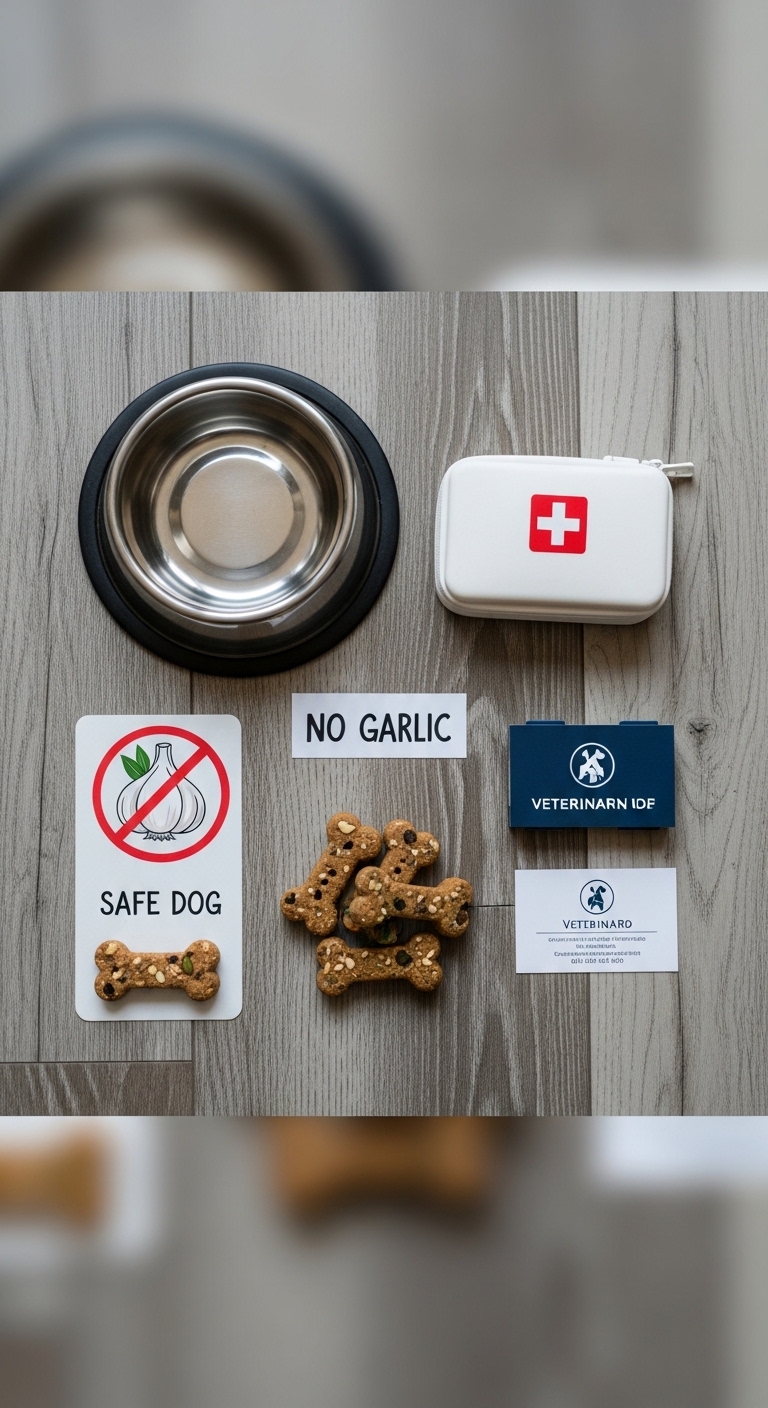
I once had a client whose dog accidentally ate a whole garlic clove from the counter. They didn’t think it was a big deal until the dog started vomiting hours later. A quick trip to the vet saved the pup, but it was a lesson in how easily accidents happen. Always keep garlic and garlic-containing foods out of reach, just like you would with chocolate or onions.
Why Some Dog Foods Include Garlic
Some commercial dog foods or treats use garlic in small amounts as a natural flavoring or digestive aid. While the amounts are usually minimal and considered safe by manufacturers, it’s still best to avoid products with garlic if your dog has a sensitive stomach or is prone to allergies. Always check the ingredient list if you’re unsure. If your dog has never had garlic before, introduce any new food slowly and watch for reactions.
How to Respond If Your Dog Eats Garlic
If your dog ingests a small amount of garlic, monitor them closely for the next day or two. Look for vomiting, diarrhea, or changes in appetite. If they’ve eaten a large amount or show severe symptoms like weakness or collapse, contact your vet immediately. Do not induce vomiting unless instructed by a professional, as this could cause further harm. Bring the packaging or ingredient list of what they ate to help the vet assess the situation.
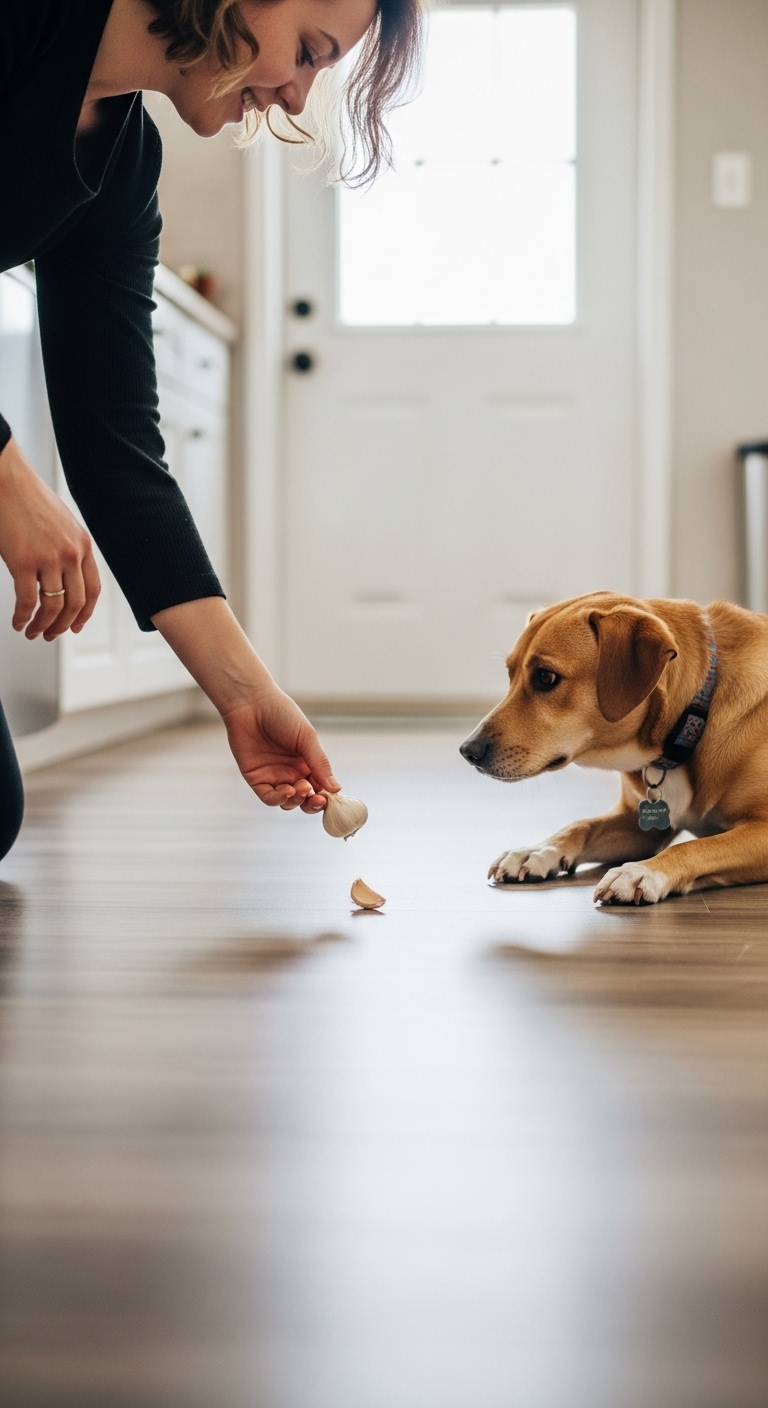
Understanding the risks of garlic for dogs helps you make safer choices for your pet. Always prioritize their health by avoiding toxic foods and staying informed.
Frequently Asked Questions
- → How much garlic is toxic to dogs?
Toxicity depends on the dog's size and garlic concentration. As little as 0.5g of garlic per kilogram of body weight can cause poisoning in some dogs. For a 10kg dog, this equals about one small clove. Smaller breeds are more vulnerable to smaller amounts.
- → What are signs my dog ate garlic?
Watch for vomiting, diarrhea, lethargy, loss of appetite, pale gums, increased heart rate, or weakness within 24-48 hours. Severe cases may show collapse or difficulty breathing. Contact your vet immediately if you suspect ingestion.
- → Is garlic powder more dangerous than fresh garlic?
Yes, garlic powder is more concentrated and thus more toxic. It contains higher levels of thiosulfates per volume than fresh garlic, making even small amounts potentially dangerous for dogs of any size.
- → What should I do if my dog eats garlic?
Remove any remaining garlic from their reach, offer water, and monitor for symptoms. Call your vet or Pet Poison Helpline immediately for guidance. Do not induce vomiting unless instructed by a professional.
- → Are there safe garlic alternatives for dogs?
Yes, consider parsley, basil, or oregano for flavor. Always introduce new herbs gradually and in moderation. Commercial dog treats often contain safe seasonings specifically formulated for canine health.
- → Can dogs eat garlic bread or seasoned foods?
No, garlic bread and seasoned human foods typically contain unsafe amounts of garlic. Even small traces can accumulate in a dog's system over time, potentially leading to chronic health issues or acute poisoning.