Is pineapple good for dogs? Many pet owners wonder about this when looking for healthy treats to share with their furry friends. Pineapple isn’t just a sweet snack for humans: it can offer some surprising benefits for dogs too. But before you toss a chunk to your pup, there are a few things to keep in mind to make sure it’s safe and enjoyable for them.
I remember the first time I gave my golden retriever a small piece of pineapple. His tail wagged nonstop, and he looked so happy, but I also noticed he got a little gassy later. That’s when I realized even healthy treats need to be given in moderation.
Key Things to Understand
- Digestive benefits: Pineapple contains natural sugars and fiber that can aid digestion in dogs when given in small amounts.
- Anti-inflammatory properties: The enzyme bromelain in pineapple can help reduce inflammation and support joint health.
- Fresh is best: Fresh pineapple is always the best choice over canned versions, which may contain added sugars or syrups.
- Moderation is key: Too much pineapple can cause stomach upset or diarrhea due to its natural acidity and sugar content.
- Avoid hazards: The core and leaves of the pineapple are tough and indigestible for dogs and should never be fed.
- Size matters: Small dogs should get smaller pieces while larger breeds can handle slightly bigger chunks.
What to Look For
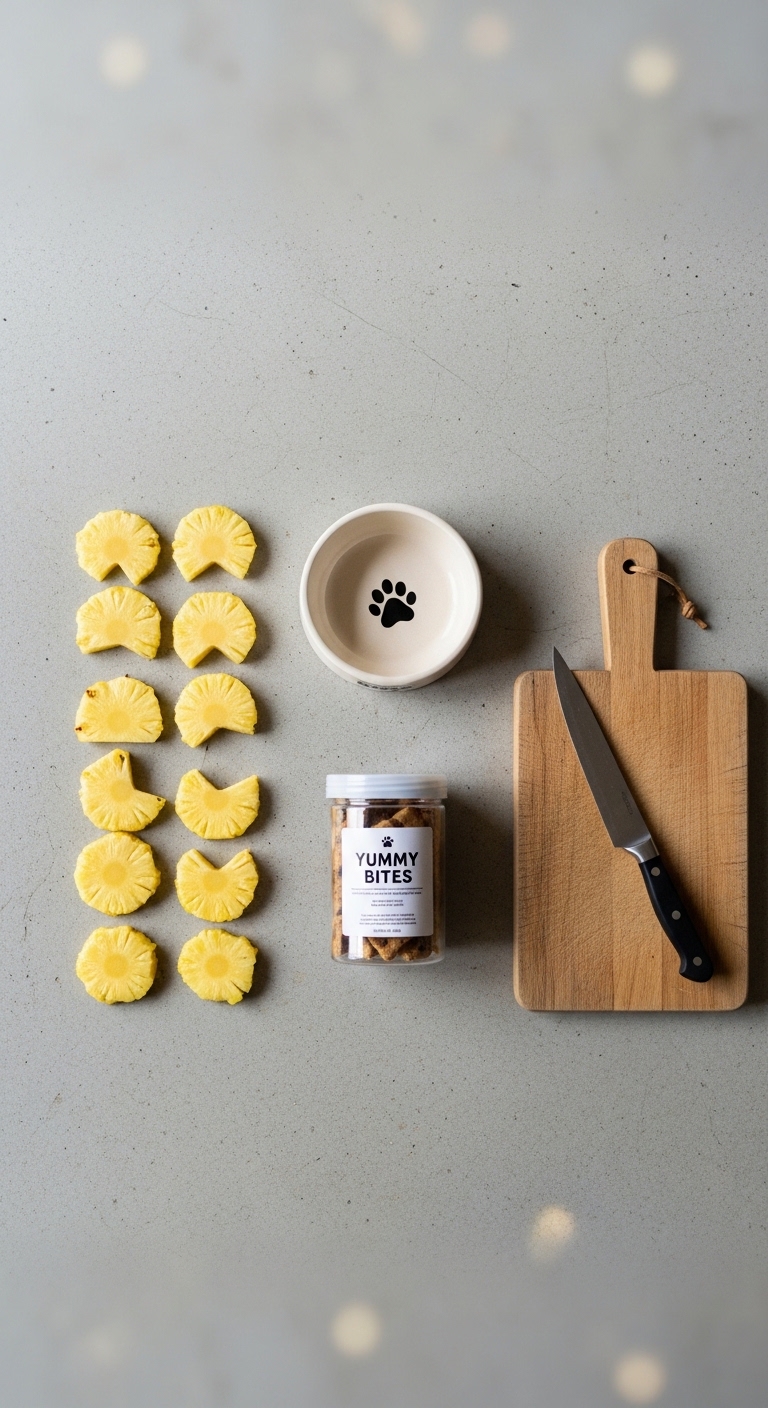
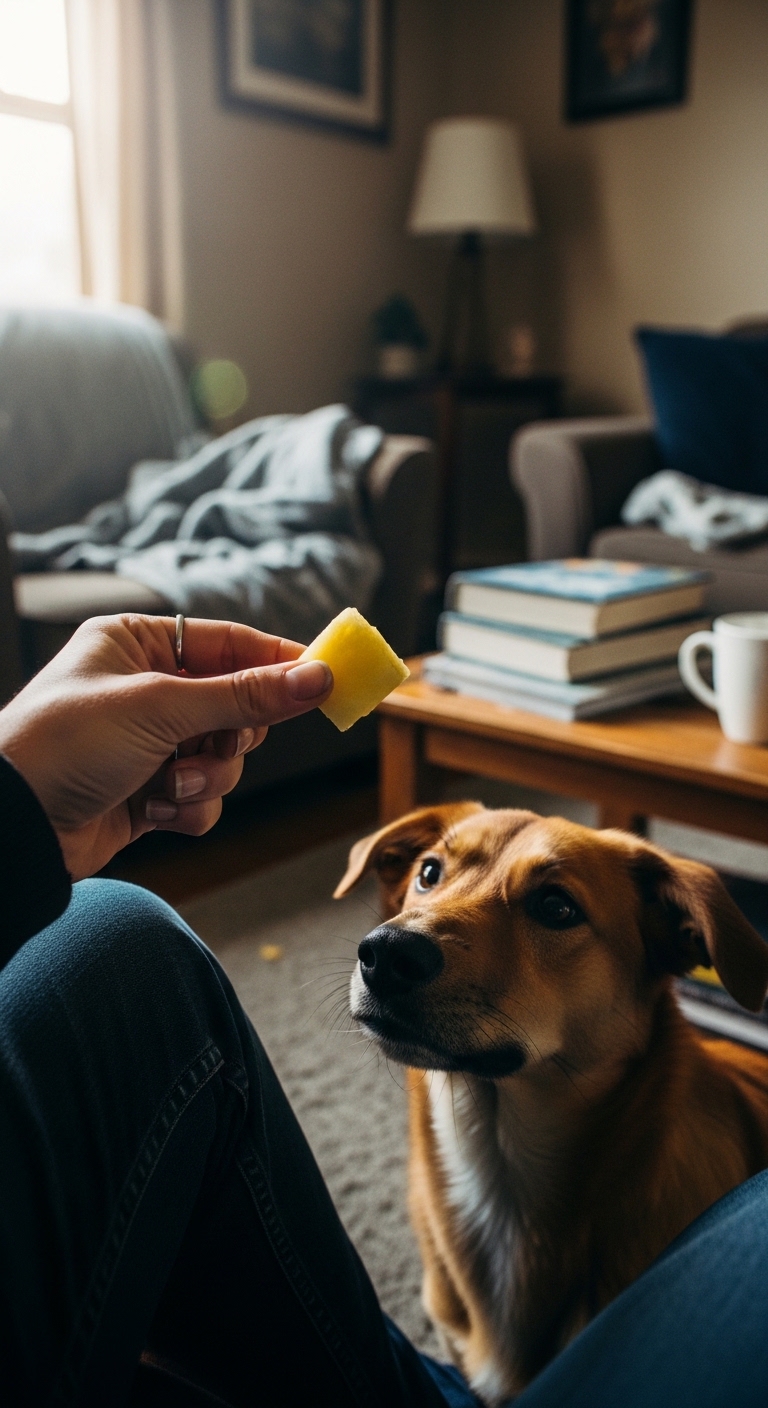
When introducing pineapple to your dog, start with a tiny piece about the size of a pea to see how they react. Watch for signs of excitement or curiosity, but also pay attention to their energy levels afterward. Some dogs might feel a little bloated or have loose stools if they eat too much too soon. If your dog has a sensitive stomach or a history of digestive issues, consider mixing a small amount of pineapple with their regular food to ease them into it. The texture matters: soft, ripe pieces are easier for dogs to chew and digest compared to hard or underripe chunks. If you notice your dog coughing or gagging after eating pineapple, they might be struggling with the texture or size of the piece.
I once had a client whose dog loved pineapple so much she started giving it daily. Within a week, the dog’s stool became soft and runny. After cutting back to just a few times a week, everything returned to normal. It’s a good reminder that even healthy treats need balance.
Daily Care Habits
Adding pineapple to your dog’s routine can be a fun way to provide variety in their diet. Try mixing small pieces into their regular meals a few times a week as a natural flavor boost. If your dog is picky about food, pineapple can sometimes entice them to eat their meals. Just be consistent with the amount you give to avoid digestive surprises.
Choosing the Right Product
When buying pineapple for your dog, always opt for fresh pineapple over canned or dried versions. Fresh pineapple has no added sugars or preservatives that could harm your dog. If you’re using canned pineapple, make sure it’s packed in water with no syrup. Avoid pineapple juice as it’s too concentrated and can cause stomach upset due to the high sugar content.
Safety and Comfort
Pineapple is generally safe for dogs, but some may experience mild stomach discomfort. If your dog has a sensitive stomach or a history of digestive issues, introduce pineapple slowly and in very small amounts. Watch for signs of discomfort like excessive gas, bloating, or changes in stool. If your dog shows any of these signs, it’s best to stop giving pineapple and consult your vet.
Cleaning and Hygiene
After feeding your dog pineapple, rinse their bowl thoroughly to remove any sticky residue. Pineapple can leave a sweet, sticky film that might attract ants or bacteria if left sitting. Wipe down the area where your dog ate to keep their space clean and hygienic. Also, check their teeth after eating pineapple: some dogs may get bits stuck in their teeth, which can lead to plaque buildup over time.
Pineapple can be a delicious and healthy addition to your dog’s diet when given correctly. Always prioritize moderation and observation to ensure it’s a positive experience for your pet.
Frequently Asked Questions
- → Can dogs eat pineapple?
Yes, dogs can eat pineapple in moderation. It’s safe and offers nutritional benefits like vitamins C and B6, fiber, and manganese. Just ensure it’s fresh, peeled, and cut into small, bite-sized pieces.
- → How much pineapple can I give my dog?
Start with a small amount, like a few small chunks, to see how your dog reacts. For most dogs, 1-2 tablespoons of fresh pineapple per day is a safe serving size. Avoid overfeeding due to its natural sugars and acidity.
- → Is pineapple bad for dogs?
Pineapple is not inherently bad for dogs, but it can cause issues if given in excess. Too much may lead to digestive upset, including diarrhea or vomiting, due to its acidity and sugar content. Always introduce it slowly and in small amounts.
- → Can pineapple help with my dog’s digestion?
Yes, pineapple contains bromelain, an enzyme that aids digestion. It can help break down proteins and support gut health, making it a beneficial treat for dogs with mild digestive issues. However, it’s not a cure-all for serious conditions.
- → What parts of pineapple should I avoid giving my dog?
Avoid the tough core, spiky skin, and leaves, as these can pose a choking hazard or cause intestinal blockages. Stick to the soft, fleshy part of the fruit, cut into small, manageable pieces.
- → Can diabetic dogs eat pineapple?
Diabetic dogs should avoid pineapple due to its high sugar content. Even natural sugars can spike blood glucose levels. Always consult your vet before introducing new foods to a diabetic dog’s diet.