Can dogs take Benadryl? It’s a question many pet owners ask when their furry friend starts sneezing, scratching, or showing signs of an allergic reaction. While Benadryl is a common over-the-counter medication for humans, its safety and effectiveness for dogs isn’t always clear. Knowing when and how to use it can make a big difference in keeping your dog comfortable and healthy.
Benadryl isn’t a cure-all, and using it incorrectly can do more harm than good. I’ve seen dogs get relief from itchy skin after a hike, but I’ve also seen cases where owners gave too much, leading to drowsiness or worse. Always check with your vet first, especially if your dog has health conditions or is on other medications.
Key Things to Understand
- What Benadryl is: Benadryl is the brand name for diphenhydramine, an antihistamine that blocks histamine receptors. This helps reduce allergic reactions like itching, swelling, or sneezing in dogs.
- Dogs that should avoid it: Dogs with glaucoma, high blood pressure, heart disease, or certain thyroid conditions should avoid it unless approved by a vet. Pregnant or nursing dogs also need caution.
- Dosage guidelines: The correct dosage depends on your dog’s weight. A general rule is 1 mg of diphenhydramine per pound of body weight, given every 8 to 12 hours. Never guess the dose: use a syringe or ask your vet for exact measurements. Liquid forms are easier to adjust than pills.
- Side effects: Benadryl can cause side effects like drowsiness, dry mouth, or urinary retention. Some dogs become hyperactive instead of sleepy. If your dog shows severe symptoms like difficulty breathing or collapse, seek emergency care immediately.
What to Look For
Watch for signs that your dog might benefit from Benadryl, such as excessive scratching, red or inflamed skin, sneezing, or watery eyes. These could indicate allergies to pollen, food, or insect bites. Mild reactions often improve within a few hours of giving the medication.
Check the ingredient label carefully. Some Benadryl products contain added ingredients like alcohol, pseudoephedrine, or acetaminophen, which are toxic to dogs. Stick to plain diphenhydramine with no extra additives. Children’s liquid formulas are a good option for precise dosing.
Monitor your dog’s behavior after giving Benadryl. While some dogs become calm and relaxed, others may act restless or agitated. Keep an eye on their breathing and energy levels. If they seem unusually lethargic or unresponsive, contact your vet.
What to Avoid
Never give your dog Benadryl meant for humans unless it’s the plain, unflavored version. Flavored or time-release capsules can contain xylitol, a sweetener that’s deadly to dogs. Even small amounts can cause a dangerous drop in blood sugar or liver failure.
Avoid using Benadryl as a long-term solution for allergies. It treats symptoms but doesn’t address the root cause. If your dog has frequent or severe reactions, your vet may recommend allergy testing or other treatments like Apoquel or Cytopoint.
Don’t combine Benadryl with other medications without consulting your vet. Mixing it with sedatives, pain relievers, or certain antibiotics can lead to dangerous interactions. Always disclose all medications your dog is taking before starting Benadryl.
I once gave my neighbor’s dog a double dose of Benadryl by accident, thinking it would work faster. The dog became extremely lethargic and needed emergency care. It was a scary lesson in always double-checking the dosage and weight. Another reminder is to keep track of how long relief lasts to adjust timing if needed.
When to See a Vet
If your dog’s symptoms don’t improve within 24 to 48 hours of taking Benadryl, it’s time to call the vet. Severe reactions like swelling of the face, throat, or paws require immediate attention. Difficulty breathing or collapse is a life-threatening emergency. Chronic allergies or recurring issues also warrant a vet visit. Your dog might need a stronger prescription medication or allergy testing to identify triggers. Don’t rely on Benadryl alone for long-term management.
Natural Alternatives
For mild reactions, some pet owners prefer natural remedies like omega-3 supplements, coconut oil, or hypoallergenic shampoos. These can soothe skin and reduce itching without medication. Always introduce new treatments slowly to monitor your dog’s response.
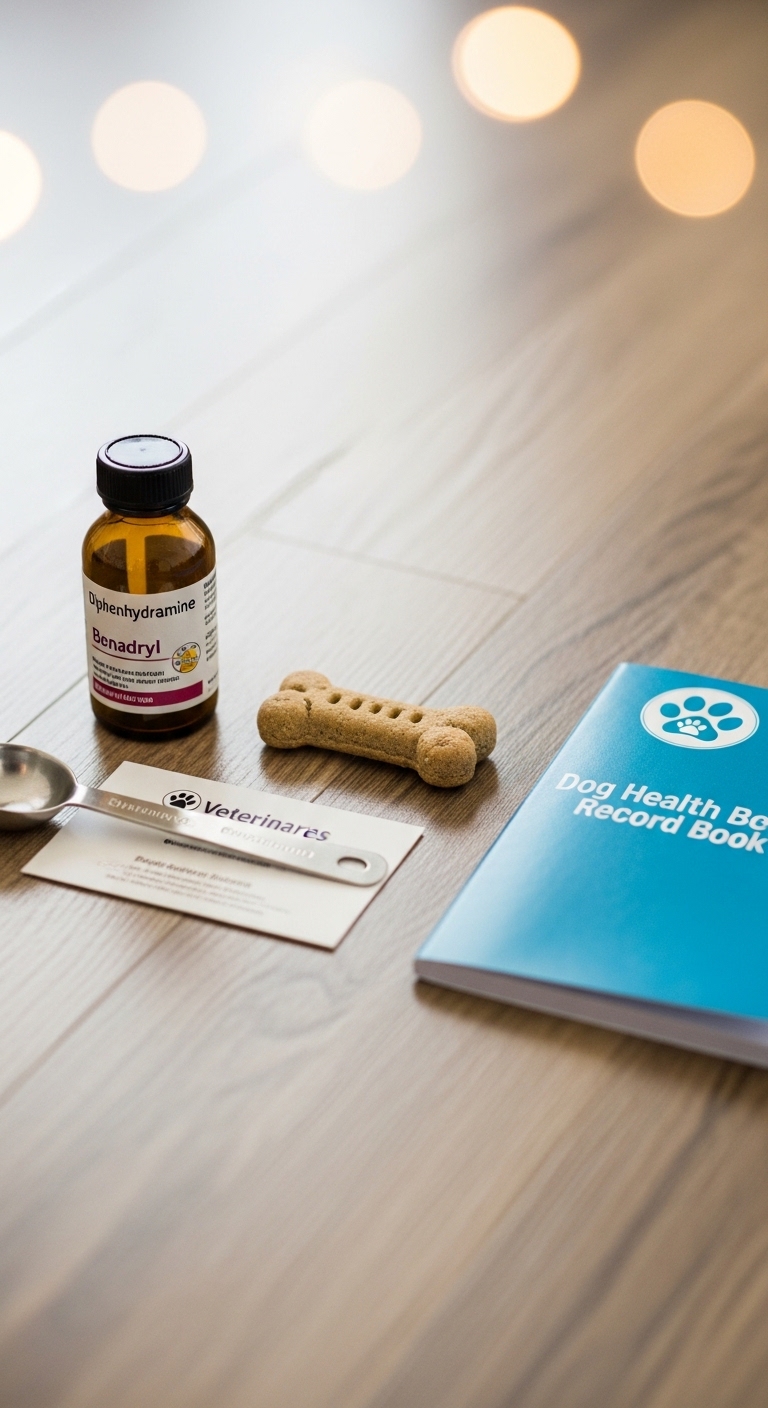
Benadryl can be a lifesaver for sudden allergic reactions, but it’s not a substitute for professional care. Always prioritize your dog’s safety by checking with your vet first and using the medication as directed.
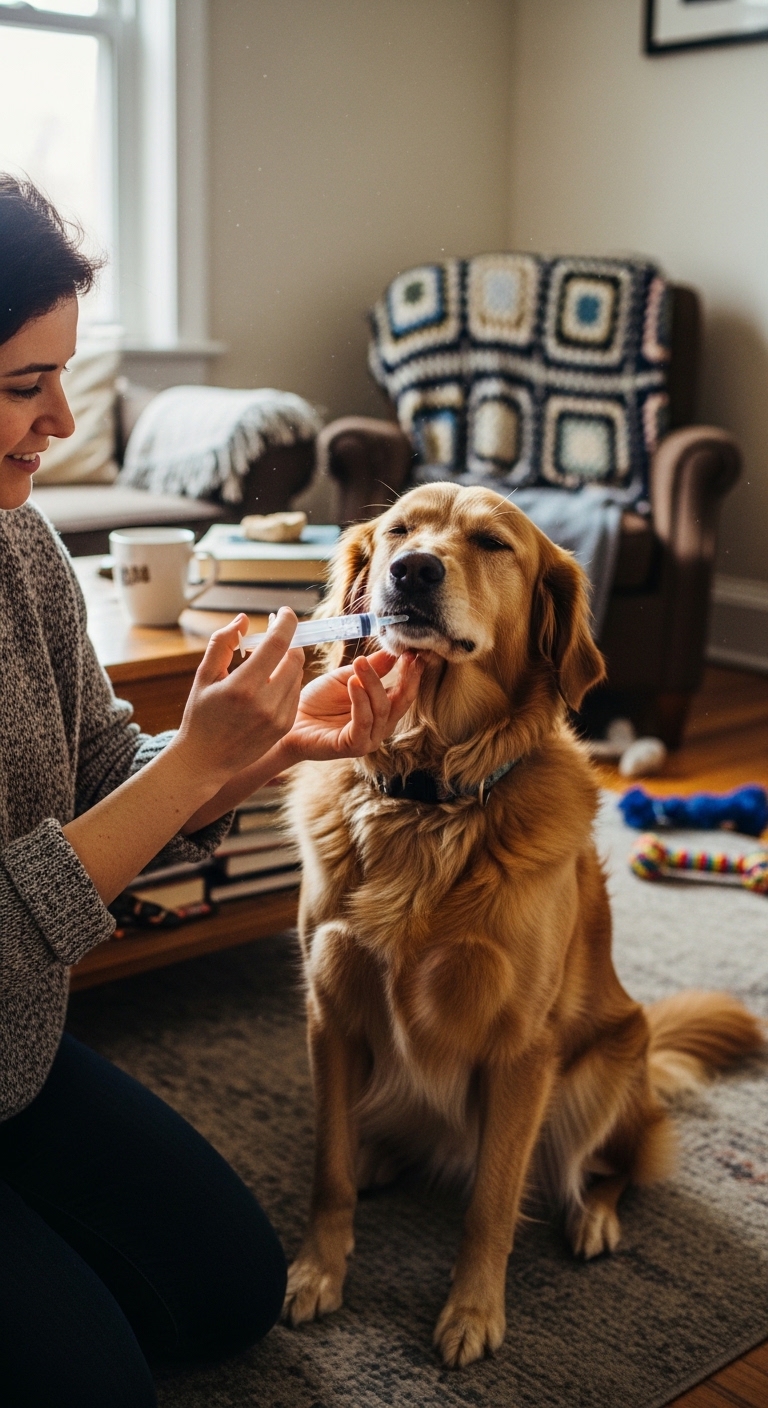
If you’re unsure about giving your dog Benadryl, err on the side of caution. A quick phone call to your vet can save you both stress and potential harm.
Frequently Asked Questions
- → Is Benadryl safe for all dogs?
No, Benadryl isn’t safe for all dogs. Dogs with certain conditions like glaucoma, heart disease, or high blood pressure should avoid it. Always consult your vet before giving any medication.
- → What’s the correct Benadryl dosage for dogs?
The general guideline is 1 mg of Benadryl per pound of body weight, given every 8-12 hours. However, this can vary based on your dog’s health and breed, so a vet’s approval is essential.
- → Can I give my dog children’s Benadryl?
Yes, children’s Benadryl is safe if it’s the plain diphenhydramine formula without added ingredients. Avoid versions with alcohol, decongestants, or other active compounds.
- → What are the side effects of Benadryl in dogs?
Common side effects include drowsiness, dry mouth, increased heart rate, or urinary retention. If your dog shows severe reactions like seizures or difficulty breathing, seek veterinary help immediately.
- → When should I avoid giving my dog Benadryl?
Avoid Benadryl if your dog has glaucoma, heart disease, or is pregnant. Also, don’t use it for long-term treatment without veterinary supervision, as it may mask underlying health issues.
- → Can Benadryl treat dog allergies effectively?
Benadryl can help with mild allergic reactions like itching or hives, but it’s not a cure for severe allergies. For chronic or severe cases, your vet may prescribe stronger medications or allergy testing.
- → How quickly does Benadryl work in dogs?
Benadryl typically starts working within 30 minutes to an hour after administration. Its effects last about 8-12 hours, depending on your dog’s metabolism and the dosage given.