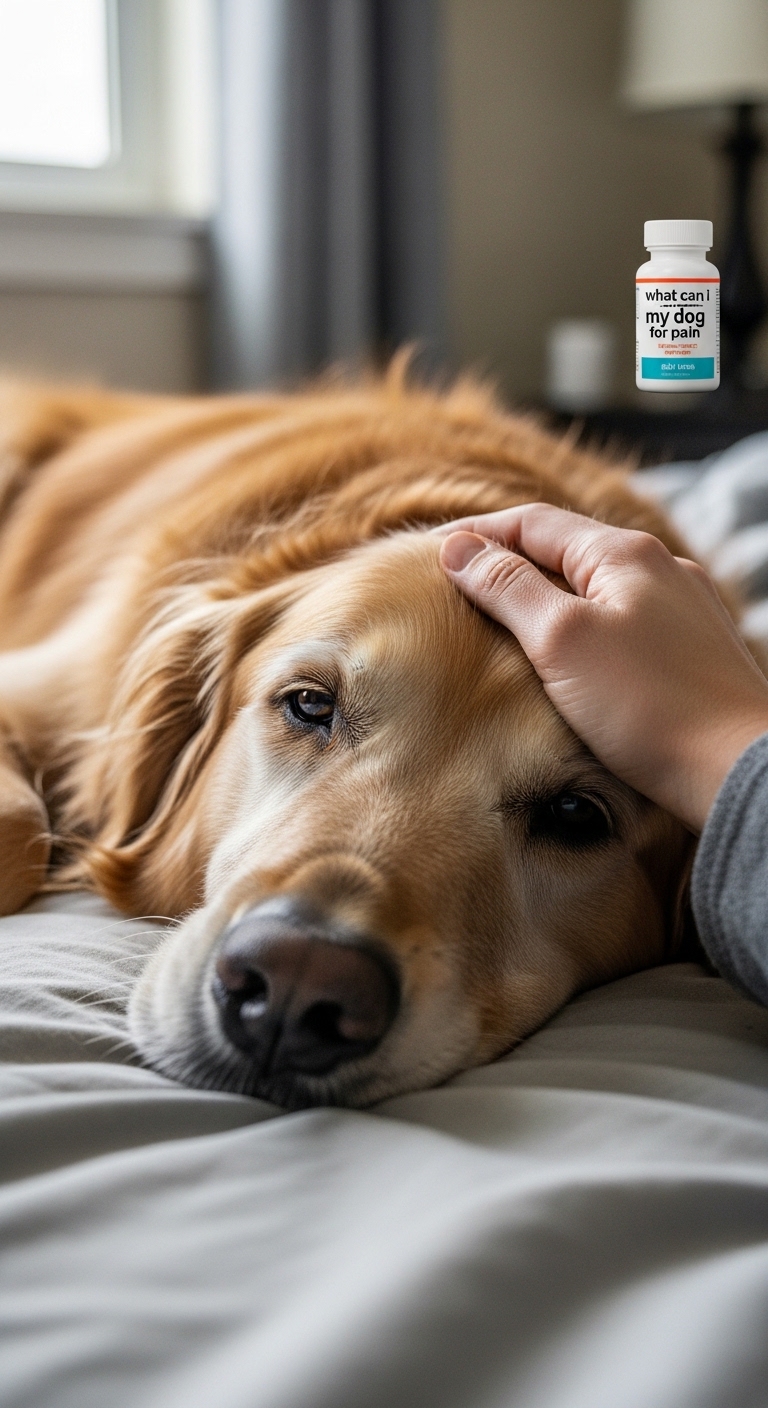
Chocolate might seem like a harmless treat to share with your dog, but it’s one of those human foods that can turn dangerous in an instant. Most pet owners don’t realize how toxic it can be until it’s too late, which is why understanding the risks matters before you even think about sneaking a bite to your pup.
I once had a friend who laughed when her dog stole a whole chocolate bar from the counter until the dog started vomiting and shaking within an hour. That moment changed how she thought about “just a little” chocolate.
Key Things to Understand
- Toxic compounds: Chocolate contains theobromine and caffeine, both of which dogs metabolize much slower than humans, making even small amounts risky
- Dark chocolate danger: Dark chocolate and baking chocolate are far more dangerous than milk chocolate because they have higher concentrations of theobromine
- Size matters: The size of your dog plays a huge role in toxicity: small breeds are at much higher risk from even tiny amounts
- Delayed symptoms: Symptoms of chocolate poisoning can take hours to appear, so don’t wait for immediate reactions to rule out danger
- White chocolate risk: White chocolate is the least toxic but still not safe in large quantities because of high fat content
What to Look For
Watch for signs of restlessness or hyperactivity after your dog eats something chocolatey, as these can be early warnings of toxicity. Notice if your dog starts excessive panting or drooling, which often signals their body is struggling to process the compounds. Keep an eye on their bathroom habits too: diarrhea or vomiting within 6 to 12 hours is a red flag that shouldn’t be ignored. You might also observe muscle tremors or seizures in severe cases, which require immediate veterinary attention.
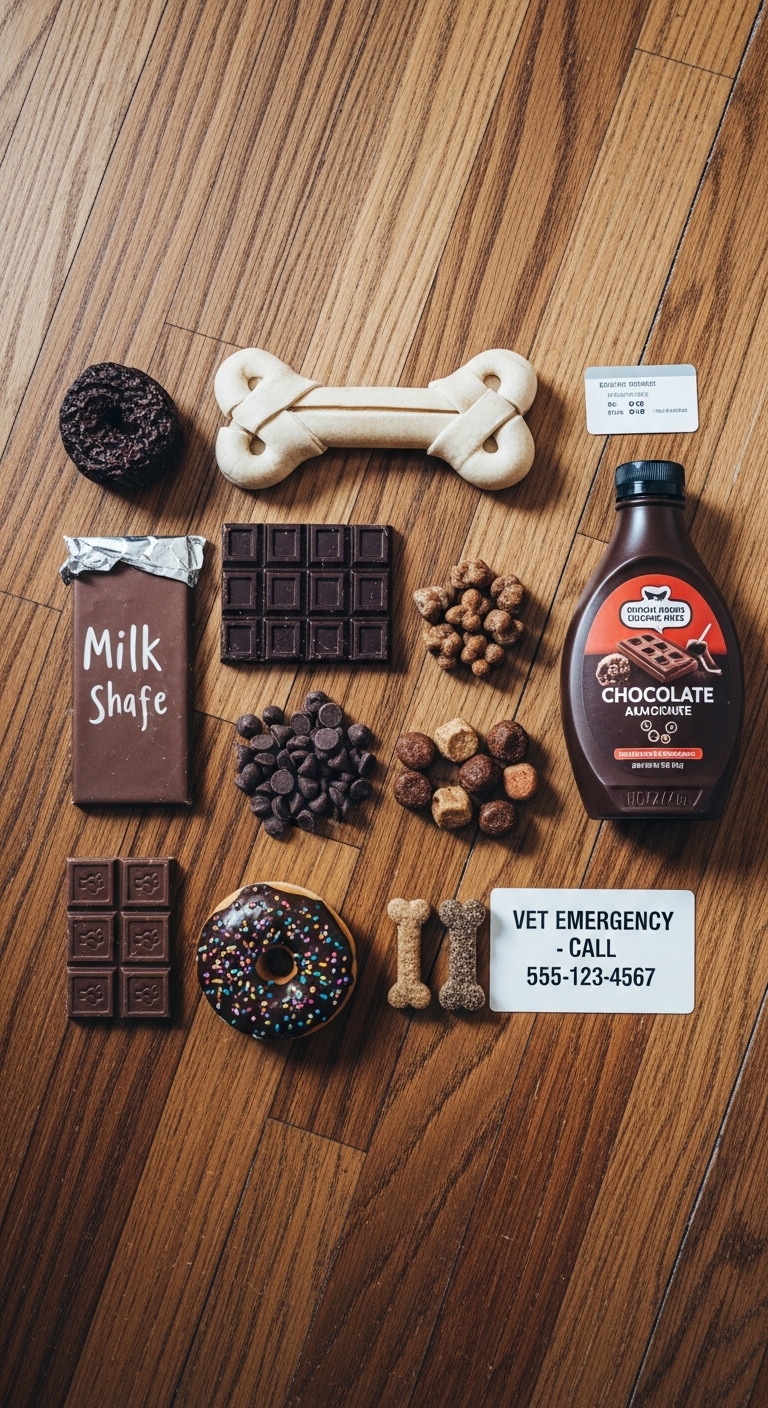
I’ve seen cases where a dog ate a chocolate-covered raisin, which doubles the danger because raisins are also toxic. Always check the ingredients of any human food before sharing it with your pet. If you’re unsure about the amount your dog consumed, err on the side of caution and contact your vet: it’s better to be safe than sorry.
Why Some Dogs Are More at Risk Than Others
Smaller dogs have less body mass to dilute toxins, so even a tiny piece of chocolate can overwhelm their system. Puppies are naturally curious and more likely to sneak food, making them especially vulnerable to accidental ingestion. Senior dogs or those with pre-existing health conditions may also struggle more with chocolate’s effects because their bodies are already under extra stress.
How to React If Your Dog Eats Chocolate
First, remove any remaining chocolate or wrappers from their reach to prevent further ingestion. Then, check the packaging to see how much theobromine is in the chocolate: this helps your vet assess the risk. Call your vet or a pet poison control center right away, even if your dog seems fine, because symptoms can be delayed.
Safe Alternatives to Chocolate for Dogs
Carob treats are a great chocolate-like option that’s completely safe for dogs and comes in various flavors. Frozen banana slices or plain pumpkin puree can also satisfy their sweet tooth without any risk. If you want something chewy, look for dog-specific treats made with peanut butter or yogurt as the main ingredient.

Chocolate toxicity is preventable with awareness and quick action. Always prioritize your dog’s safety by keeping human treats out of reach.
Frequently Asked Questions
- → How much chocolate is toxic to dogs?
The toxicity depends on the type and amount of chocolate consumed. For example, 20mg of theobromine per kg of body weight can cause mild symptoms, while 40mg/kg may lead to severe poisoning. Dark chocolate contains 130-450mg per ounce, while milk chocolate has 44-58mg. Always consult your vet for precise calculations.
- → What should I do if my dog eats chocolate?
First, remove any remaining chocolate and check the packaging for the type and amount ingested. Call your vet or a pet poison hotline immediately. Do not induce vomiting unless instructed by a professional. Monitor your dog for symptoms like vomiting, diarrhea, or tremors.
- → Are there any safe chocolate alternatives for dogs?
Yes, dog-safe treats like carob chips or specially formulated pet chocolates are available. These mimic the taste without the toxic ingredients. Always check labels to ensure they are free from theobromine and xylitol.
- → Can white chocolate harm dogs?
White chocolate contains minimal theobromine, so it poses less risk. However, it is high in fat and sugar, which can cause digestive upset or pancreatitis. Small amounts are unlikely to be toxic, but it’s best to avoid feeding it to dogs.
- → How long does it take for chocolate poisoning symptoms to appear?
Symptoms typically appear within 6-12 hours after ingestion, but they can take up to 24 hours in some cases. Early signs include vomiting, diarrhea, and restlessness, progressing to tremors or seizures if untreated.
- → What are the long-term effects of chocolate poisoning in dogs?
If treated promptly, most dogs recover fully. However, severe poisoning can lead to organ damage, heart failure, or death. Early intervention is critical to minimize risks and ensure a full recovery.