
What can I give my dog for pain isn’t just about quick fixes: it’s about understanding when your dog needs help and knowing the safest ways to provide relief. Pain in dogs can show up in subtle ways, like avoiding certain movements, whining more than usual, or just acting off. Left unchecked, it can affect their mood, appetite, and overall health. Recognizing these signs early and knowing what options are safe can make a big difference in keeping your dog comfortable and happy.
I remember when my old lab started limping after a long walk. At first, I thought it was just tiredness, but after a few days, he stopped jumping on the couch entirely. That’s when I realized it wasn’t just soreness: it was pain that needed attention.
Key Things to Understand
- Pain in dogs isn’t always obvious: Dogs hide discomfort well, so changes in behavior like restlessness, panting, or avoiding touch are key signs.
- Human pain relievers like ibuprofen or acetaminophen are dangerous for dogs: They can cause organ damage or even death.
- Natural options like turmeric or CBD oil may help mild discomfort: They aren’t substitutes for vet care in serious cases.
- Veterinary guidance is crucial if your dog shows persistent pain: It could signal an underlying issue like arthritis or injury.
- Dosage and timing matter even with safe supplements: Too much can still cause problems.
What to Look For
Watch for subtle shifts in your dog’s routine. If they’re normally eager to go for walks but suddenly lag behind, or if they flinch when you touch a certain area, those are red flags. Changes in sleeping patterns or appetite can also point to discomfort. Some dogs become more clingy or, conversely, more withdrawn when they’re hurting. Pay attention to how they move: stiffness in the morning that eases up, limping after rest, or reluctance to climb stairs are all clues that shouldn’t be ignored.
Another thing to notice is how your dog reacts to touch. If they pull away when you pet their back or legs, or if they growl when you try to lift them, pain could be the reason. Dogs also communicate through body language, so if your usually playful pup is lying still with a tense posture, it’s worth investigating further.
I once gave my neighbor’s advice to a friend whose dog was limping: she’d been using baby aspirin for a few days. By the time they got to the vet, the dog’s stomach lining was already damaged. It was a hard lesson in how quickly things can go wrong. Always err on the side of caution and get a professional opinion.
Safe Pain Relief Options for Dogs
When your dog is in pain, your first instinct might be to reach for something from your own medicine cabinet. But human pain relievers like ibuprofen, acetaminophen, or naproxen are toxic to dogs and can cause severe side effects, including stomach ulcers, kidney failure, or even death. Even baby aspirin, which is sometimes recommended in small doses, carries risks and should only be used under direct veterinary supervision.
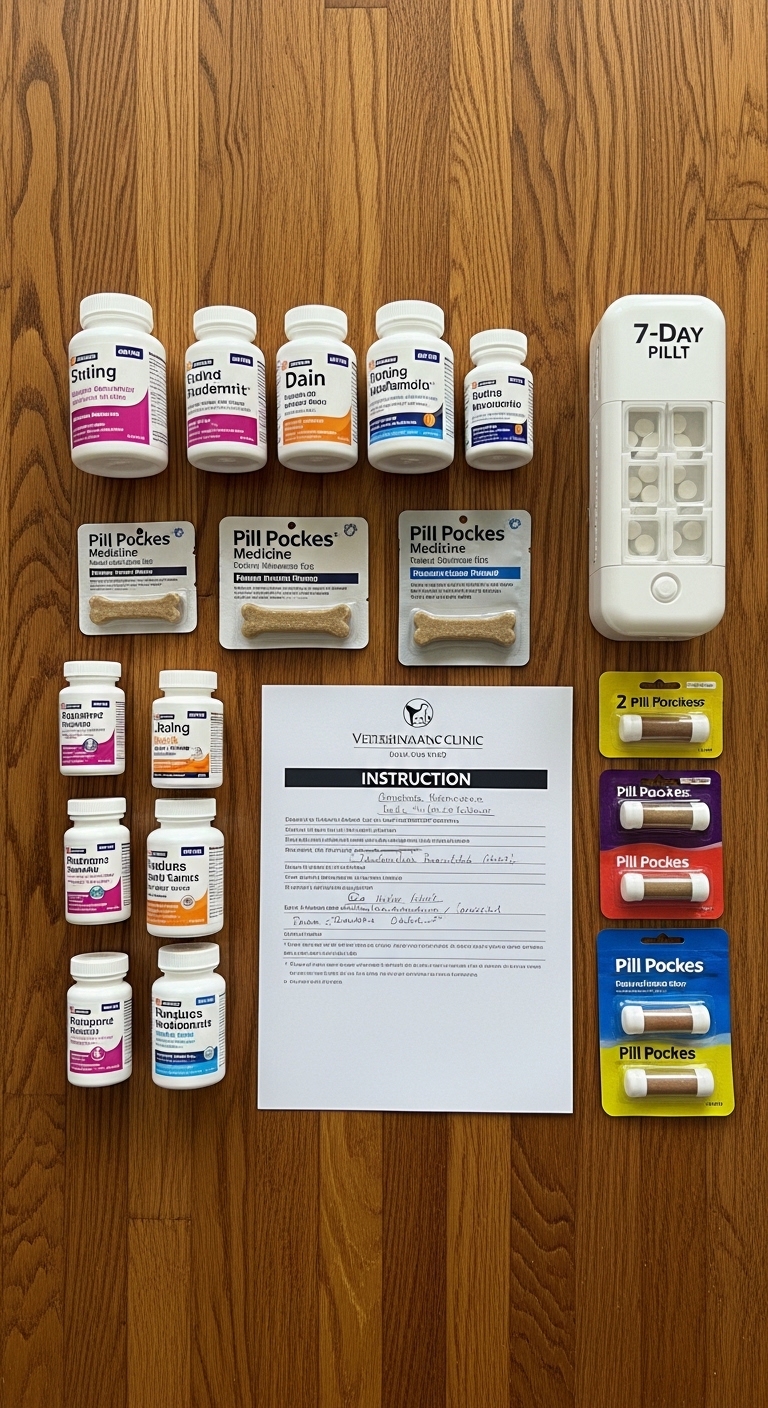
Instead, focus on vet-approved options. Nonsteroidal anti-inflammatory drugs (NSAIDs) designed specifically for dogs, like carprofen or meloxicam, are commonly prescribed for arthritis or post-surgery pain. These medications are formulated to be safer for canine systems but still require careful dosing and monitoring. Always follow your vet’s instructions precisely: never adjust the dosage or frequency on your own.
Natural remedies can complement medical treatment but shouldn’t replace it. Omega-3 fatty acids, found in fish oil supplements, can help reduce inflammation over time. Turmeric, when given in the right form (like a golden paste with coconut oil and black pepper), has anti-inflammatory properties. CBD oil is another option gaining popularity, but quality varies widely, and it’s important to choose products specifically made for pets with third-party testing. Even natural options can interact with medications, so discuss them with your vet first.
Signs Your Dog Needs Immediate Vet Care
Some pain is obvious, like a limp after a fall or a yelp when touched. But other times, the signs are more subtle. If your dog is panting excessively without exercise, hiding in corners, or refusing to eat for more than a day, those are urgent signals. Vomiting, diarrhea, or changes in urine or stool can also indicate internal issues like organ distress. Sudden aggression when touched, especially around the face or body, might mean your dog is in severe pain and feels vulnerable.
Another red flag is rapid breathing or a distended abdomen, which could point to bloat or internal bleeding. If your dog’s gums are pale, white, or blue-tinged, it’s a sign of poor circulation and requires immediate attention. Don’t wait to see if symptoms improve: pain that escalates quickly can become life-threatening. Trust your instincts; if something feels off, it’s better to call the vet than to hope it passes.

Your dog’s comfort and health depend on your ability to recognize pain early and respond appropriately. Always prioritize safety and consult your vet when in doubt.
Frequently Asked Questions
- → What are the signs my dog is in pain?
Common signs include limping, whining, panting excessively, changes in appetite, restlessness, or reluctance to move. Some dogs may also hide, lick or bite at a specific area, or show aggression when touched.
- → Can I give my dog human pain medication?
No, many human pain relievers like ibuprofen, acetaminophen, or aspirin are toxic to dogs and can cause severe health issues. Always consult your vet for safe alternatives.
- → Are there natural pain relief options for dogs?
Yes, natural options like turmeric, CBD oil, or glucosamine may help with mild discomfort. Always check with your vet before trying new supplements, as they may interact with other medications.
- → How do I know which pain medication is safe for my dog?
Your vet can prescribe safe pain medications like carprofen, meloxicam, or gabapentin based on your dog’s condition, weight, and health history. Never give medication without professional guidance.
- → What should I do if my dog is in pain?
First, observe their symptoms and try to identify the cause. Contact your vet for advice, and avoid giving any medication without their approval. Provide a comfortable resting area and monitor for changes in behavior.
- → Can diet help manage my dog’s pain?
Yes, a balanced diet rich in omega-3 fatty acids, antioxidants, and joint-supporting nutrients can help reduce inflammation and joint pain. Supplements like fish oil or glucosamine may also support mobility and comfort.