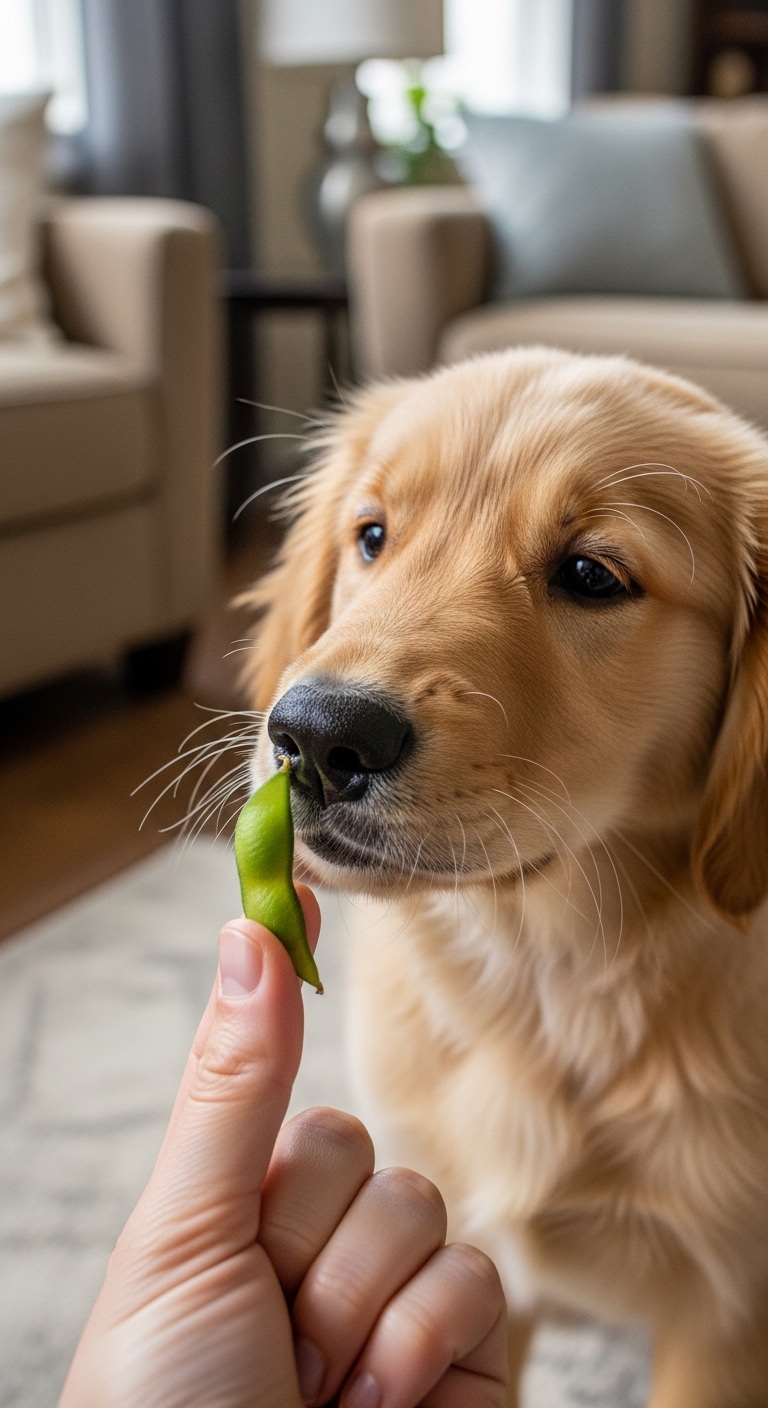
Onions might seem harmless in your kitchen, but they can be dangerous for your dog. Many pet owners don’t realize that even small amounts of onions, raw, cooked, or powdered, can cause serious health problems for dogs. Whether it’s in a homemade meal, a store-bought treat, or even baby food, onions contain compounds that damage red blood cells, leading to anemia. Symptoms like weakness, vomiting, or pale gums can appear days after ingestion, making it hard to connect the dots right away. Since dogs rely on us to keep their food safe, understanding this risk is essential for every pet owner.
I once had a friend whose dog got sick after eating leftover stir-fry that included onions. The dog recovered, but it was a wake-up call about how easy it is to overlook these dangers in everyday foods.
Key Things to Understand
- Toxic compound: Onions contain thiosulfate, a compound toxic to dogs that damages red blood cells and can cause hemolytic anemia.
- All forms are dangerous: Raw, cooked, powdered, and dehydrated versions are all harmful.
- Small amounts matter: Even tiny quantities can be toxic, so it’s best to avoid onions entirely in your dog’s diet.
- Delayed symptoms: Signs of poisoning may not appear immediately and can include vomiting, diarrhea, lethargy, and pale gums.
- Higher risk for some dogs: Dogs with pre-existing conditions like anemia or heart disease are at greater risk of complications.
What to Look For
Pay attention to the ingredients list on any packaged dog food or treats, as onion powder is often used as a flavoring. Even products labeled “natural” or “human-grade” can sometimes include onion derivatives. Watch your dog’s behavior after meals, especially if they’ve eaten something new. Early signs of onion poisoning might be subtle, like a slight loss of appetite or unusual tiredness. If you notice vomiting, diarrhea, or pale gums, it’s time to act quickly. Keep an eye on their water intake too, as dehydration can worsen the effects of poisoning.
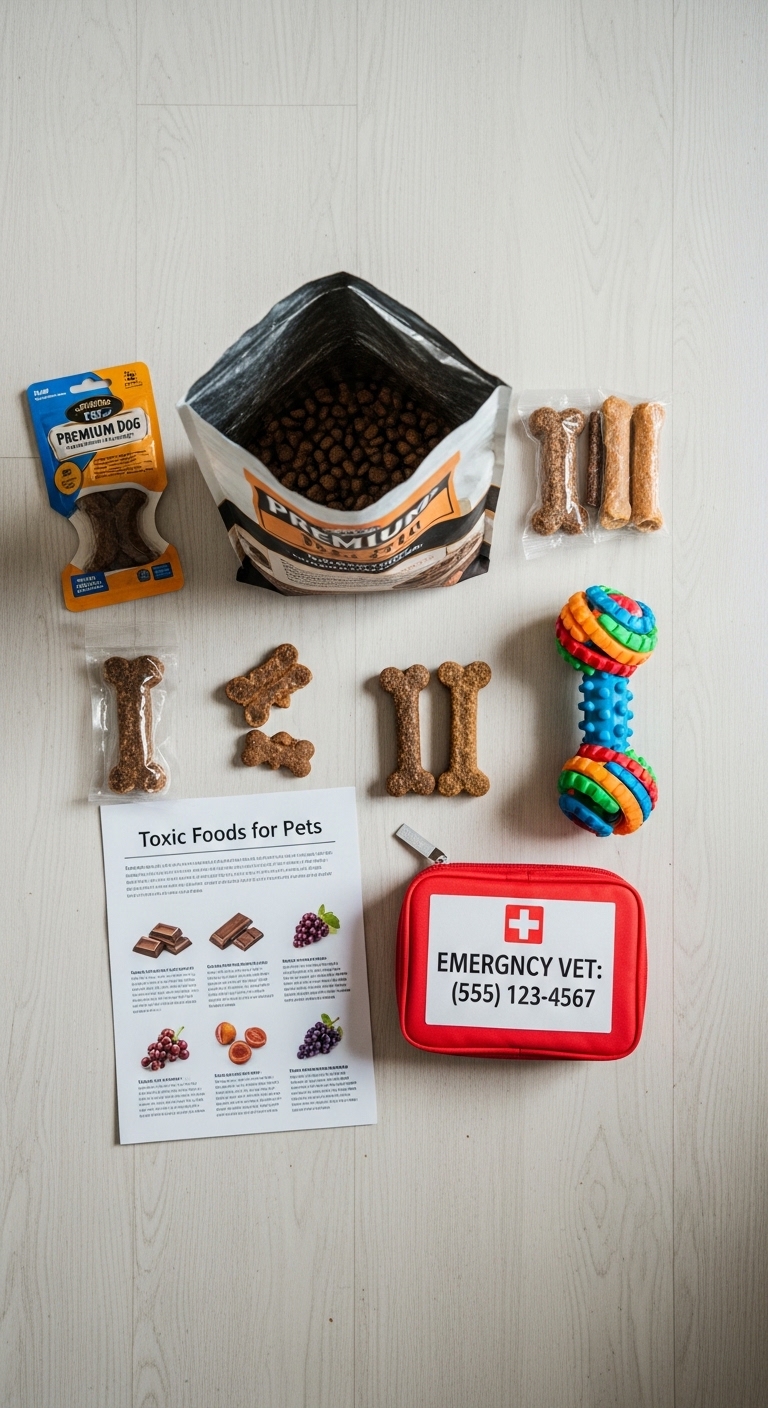
I’ve seen cases where a dog ate a tiny piece of onion in a homemade burger and ended up needing emergency care. It’s a reminder that even small exposures can add up. Always double-check ingredients, especially in sauces or seasonings, where onions might hide.
Common Mistakes to Avoid
Assuming that small amounts of onions are safe because they’re “just a little” can put your dog at risk. Overlooking onion powder in seasonings, broths, or processed foods is another common error. Waiting too long to seek help after noticing symptoms or ignoring early signs like lethargy or loss of appetite can worsen the situation. If your dog gets into onions, don’t wait for symptoms to appear before acting. Time is critical, and quick action can make a big difference in their recovery.
Safe Alternatives to Onions
Use garlic-free seasonings like parsley, basil, or turmeric for flavor in your dog’s meals. Opt for dog-safe broths without onion or garlic, and always check ingredient labels on treats and supplements for hidden onion powder. Stick to plain, unseasoned meats and vegetables for homemade meals to avoid accidental exposure. These simple swaps ensure your dog’s food remains both tasty and safe.
When to See a Vet
If your dog eats any amount of onion, contact your vet right away. Seek immediate care if you notice vomiting, diarrhea, or pale gums. Don’t wait for symptoms to appear if you suspect onion ingestion: early intervention is key. A friend’s dog once ate a whole onion slice off the counter, and the vet recommended blood tests to check for anemia. Catching it early saved the dog from serious harm.
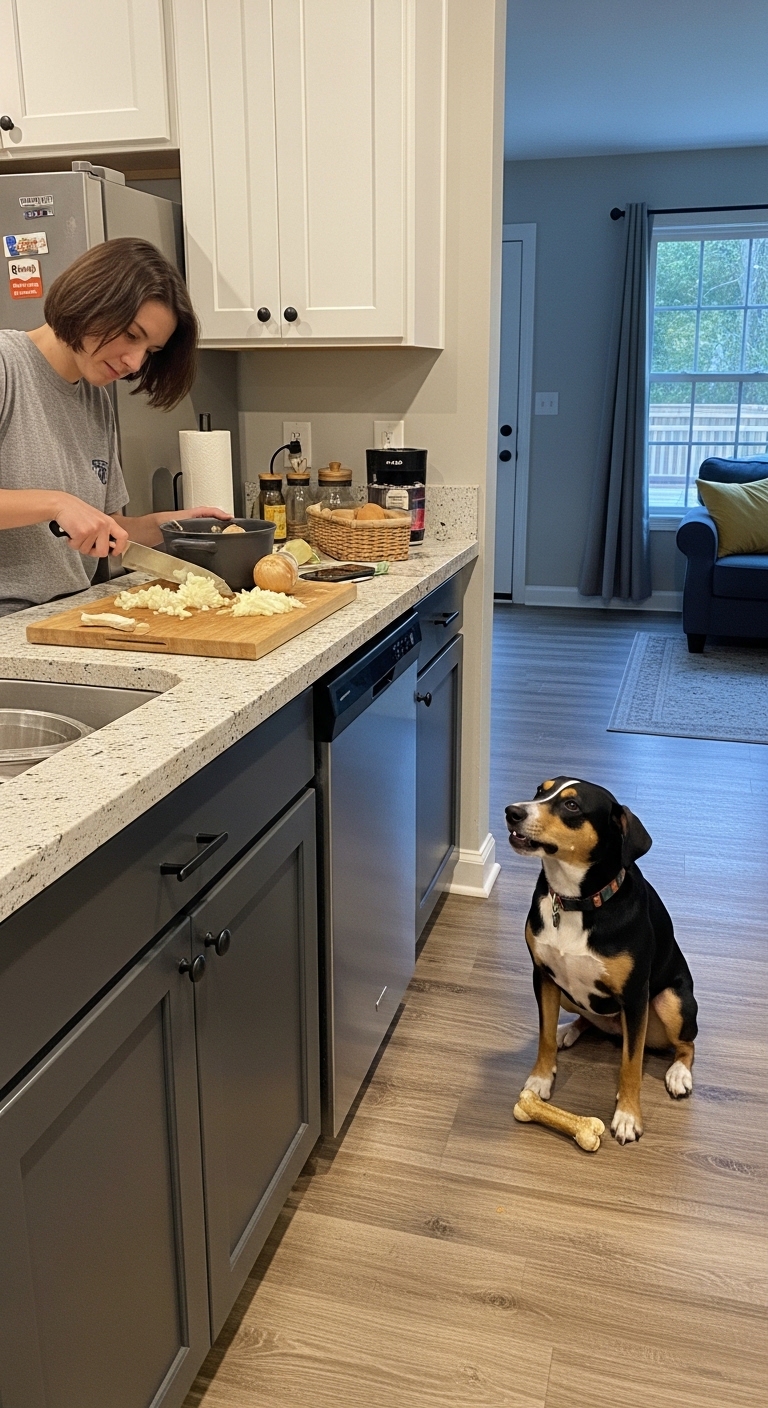
The best way to protect your dog is to be proactive. Small changes in how you prepare meals and check ingredients can prevent a scary situation. Always err on the side of caution when it comes to your pet’s diet.
Frequently Asked Questions
- → Can dogs eat small amounts of onions?
No, even small amounts of onions can be toxic to dogs. The compounds in onions damage red blood cells, leading to anemia. There is no safe threshold, so it's best to avoid onions entirely.
- → What should I do if my dog eats an onion?
Contact your veterinarian or a pet poison hotline immediately. Provide details about the amount ingested and your dog’s size. Early intervention can prevent severe complications like hemolytic anemia.
- → Are onion powder and cooked onions equally dangerous?
Yes, both raw and cooked onions, including powdered forms, are toxic to dogs. Cooking does not eliminate the harmful compounds, and powdered onions are often more concentrated.
- → What are the signs of onion poisoning in dogs?
Common symptoms include vomiting, diarrhea, lethargy, pale gums, and weakness. These may appear within 24-48 hours. Severe cases can lead to collapse or difficulty breathing.
- → Are there safe alternatives to onions for flavoring dog food?
Yes, use dog-safe herbs like parsley, basil, or oregano. These add flavor without the risk of toxicity. Always introduce new foods gradually and monitor for reactions.
- → How much onion is toxic to a dog?
The toxicity depends on the dog’s size and the amount consumed. Even 0.5% of a dog’s body weight in onions can be dangerous. Smaller breeds are at higher risk.