Dehydration isn’t just a human concern: it’s something every dog owner should watch for. Even mild fluid loss can lead to serious health issues in dogs, from lethargy to organ problems. Recognizing the signs early can save your pet from discomfort and even a trip to the vet.
I’ve seen dogs perk up within hours of getting fluids after just a day of not drinking enough water. It’s amazing how quickly they bounce back when you catch it early.
Key Things to Understand
- Dehydration basics: Dehydration occurs when fluid loss exceeds fluid intake, disrupting normal bodily functions. Even a 5% loss of body water can cause noticeable symptoms, while a 10% loss becomes life-threatening.
- Common signs: Panting, dry gums, and sunken eyes are classic signs, but subtle changes like reduced skin elasticity or thick saliva can also signal trouble.
- How dogs lose water: Dogs lose water through panting, urination, and even just breathing, especially in hot weather or after exercise.
- High-risk groups: Certain breeds, like brachycephalic dogs (pugs, bulldogs), and older or sick dogs are more vulnerable to dehydration.
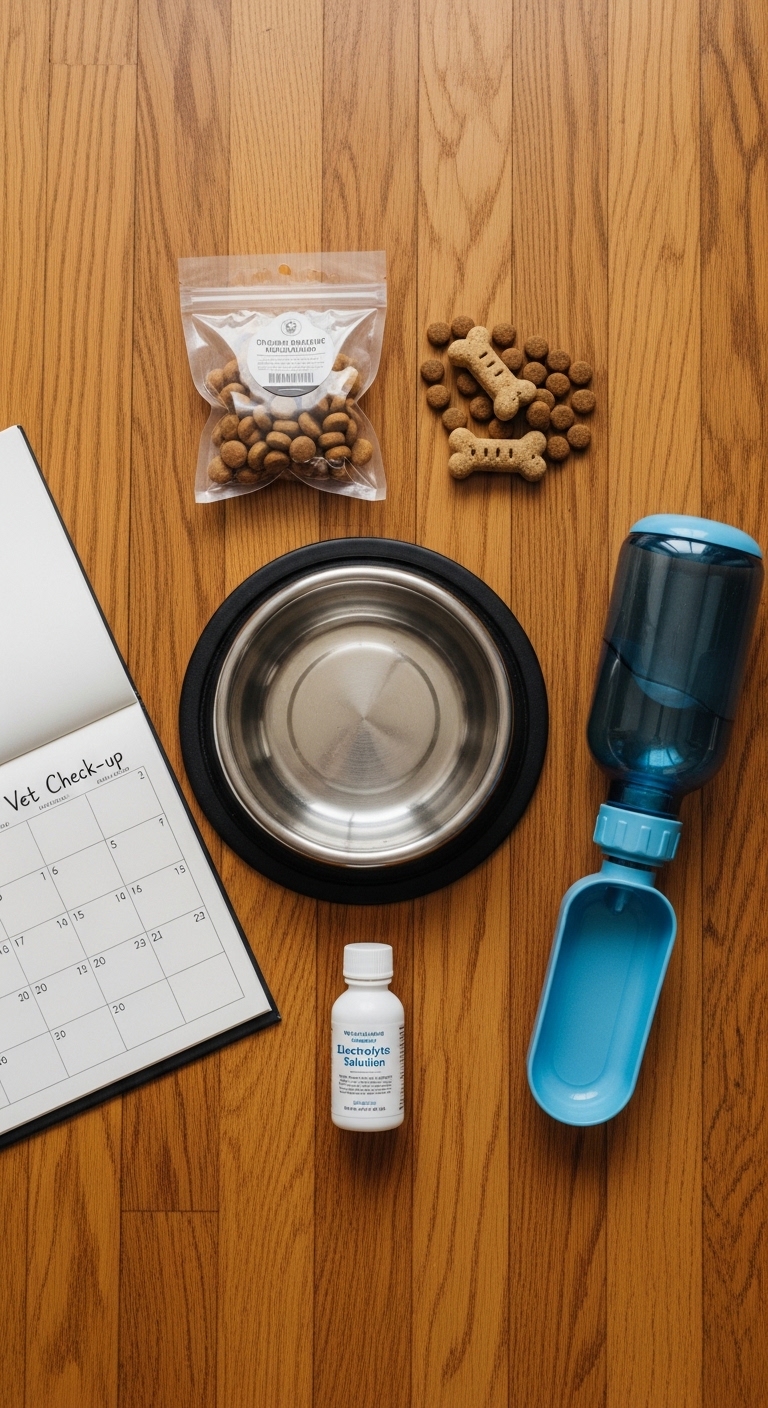
- Hydration solutions: Wet food, broths, and electrolyte solutions can help, but plain water is always the best first option.
What to Look For
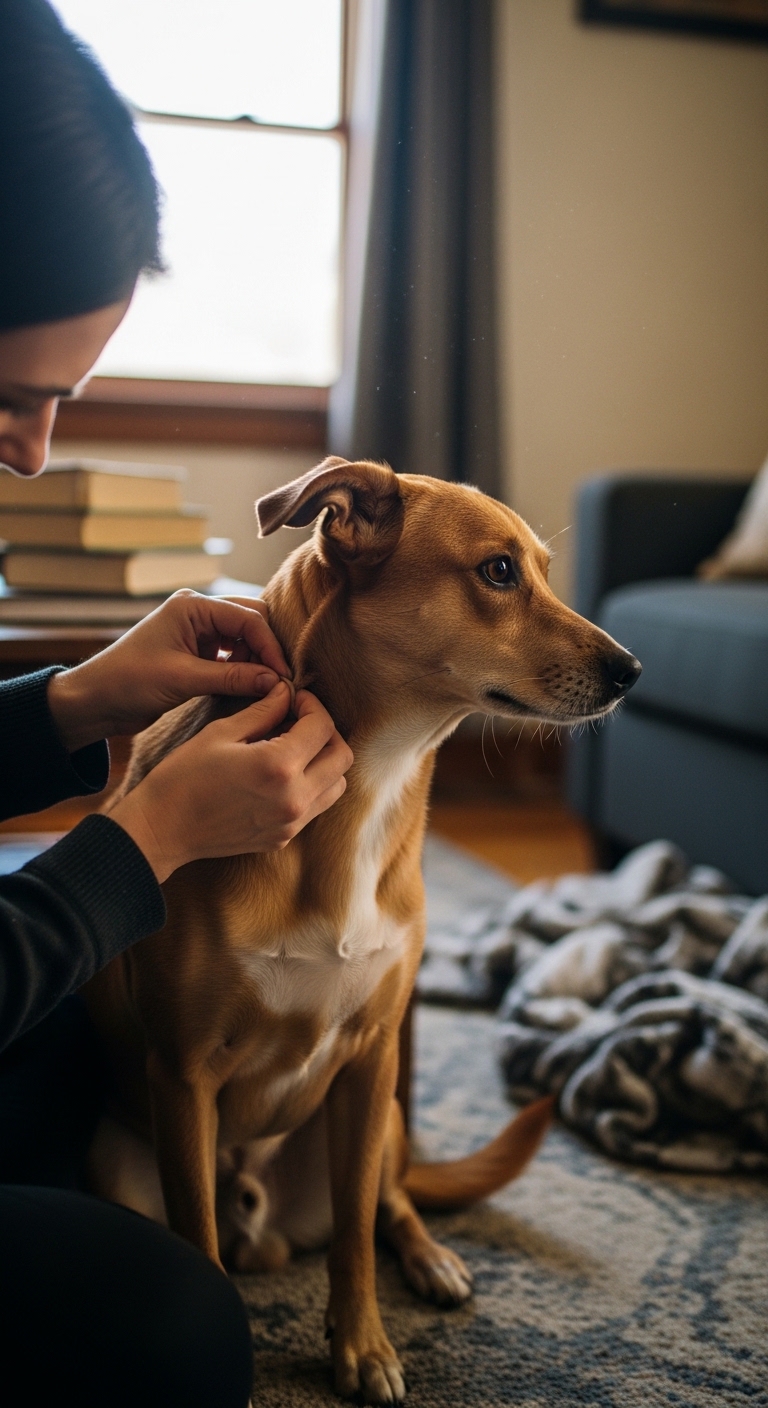
Watch for changes in your dog’s drinking habits: are they lapping up water more than usual or avoiding it completely? Increased thirst often means the body is trying to compensate for fluid loss. Check their gums regularly; they should feel slick and moist, not sticky or dry. A quick skin test can also help: gently pinch the skin between their shoulder blades. If it snaps back immediately, they’re likely hydrated. If it stays tented or moves slowly, dehydration may be setting in. Pay attention to their urine color too: dark yellow or strong-smelling urine suggests they need more water. Panting that seems excessive for the temperature or activity level can also be a red flag, as dogs rely on evaporation to cool down.
I once had a client whose dog refused water for two days after a long hike. By the time they noticed the sunken eyes and thick saliva, it was an emergency. A quick vet visit and subcutaneous fluids turned things around fast.
Hydration Habits That Make a Difference
Small, frequent water breaks are better than one big bowl at the end of the day. Keep multiple water sources around the house, especially if you have a multi-level home. Some dogs prefer running water, so a pet fountain might be worth trying. If your dog is picky, try adding a splash of low-sodium chicken broth to their water to make it more appealing. Always carry a collapsible bowl when you’re out and about: dogs won’t drink from unfamiliar containers easily.
When Water Isn’t Enough
If your dog refuses water or seems too weak to drink, don’t wait. Offer ice chips or wet their gums with a damp cloth to encourage moisture intake. Severe dehydration often requires subcutaneous or intravenous fluids, which only a vet can provide. Keep an eye on their energy levels too: if they’re unusually sluggish or reluctant to move, it’s time for a closer look.
Always offer water after playtime or walks, and consider adding ice cubes to their bowl on hot days to encourage drinking.
Frequently Asked Questions
- → How can I tell if my dog is dehydrated?
Check for dry gums, sunken eyes, excessive panting, or loss of skin elasticity. A simple skin pinch test can help—if the skin doesn’t snap back quickly, your dog may be dehydrated.
- → What should I do if my dog won’t drink water?
Try offering ice cubes, flavored water (like low-sodium broth), or wet food. If refusal persists, consult a vet to rule out underlying health issues.
- → Can dehydration in dogs be fatal?
Yes, severe dehydration can lead to organ failure or heatstroke. Always act quickly if you suspect dehydration, especially in puppies or senior dogs.
- → How much water should a dog drink daily?
Generally, dogs need about 1 ounce of water per pound of body weight. Adjust for activity level, diet, and weather conditions to ensure proper hydration.
- → Are there home remedies for mild dehydration?
Offer small amounts of water frequently or use an electrolyte solution (vet-approved). Avoid sugary or salty human drinks, as they can worsen dehydration.
- → When should I take my dog to the vet for dehydration?
Seek vet care if your dog refuses water for 24+ hours, shows extreme lethargy, has sunken eyes, or exhibits other severe symptoms like vomiting or diarrhea.