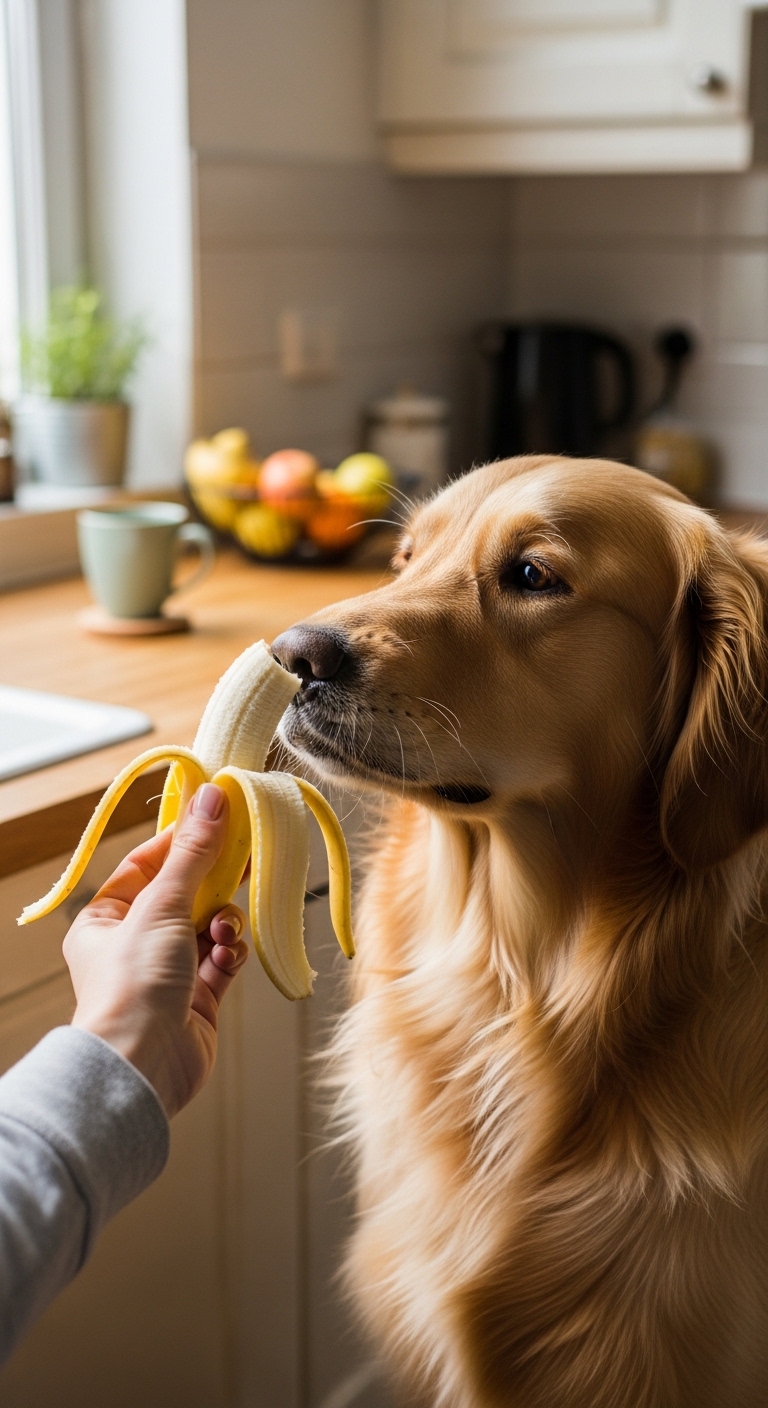
Is popcorn bad for dogs? It’s a question many pet owners ask when sharing a movie night snack with their furry friend. While a few plain kernels might seem harmless, the truth isn’t as simple as it looks. Popcorn can pose risks depending on how it’s prepared and what’s added to it. Understanding these details helps keep your dog safe while still enjoying shared moments together.
I once watched a friend’s dog gobble up a handful of buttery popcorn only to spend the next hour pacing and whining. That moment made me realize how easily we overlook the risks of sharing human snacks with our pets.
Key Things to Understand
- Choking hazard: Popcorn kernels can get stuck in a dog’s throat or cause intestinal blockages if swallowed whole.
- Safest option: Plain, air-popped popcorn without any seasoning is the safest option for dogs.
- Toxic ingredients: Butter, salt, and artificial flavorings in popcorn can lead to stomach upset or even poisoning in dogs.
- Higher risk groups: Small dogs and puppies are at higher risk of choking on popcorn pieces.
- Watch for symptoms: If your dog eats a large amount of popcorn, watch for signs like vomiting, diarrhea, or lethargy.
What to Look For
Pay attention to how your dog reacts after eating popcorn. If they start coughing, gagging, or pawing at their mouth, they might have a kernel stuck in their throat. Check the ingredients list on microwave popcorn bags: many contain garlic powder or onion powder, which are toxic to dogs. Watch for changes in your dog’s energy levels or appetite after snack time. If you notice any unusual behavior, contact your vet right away.
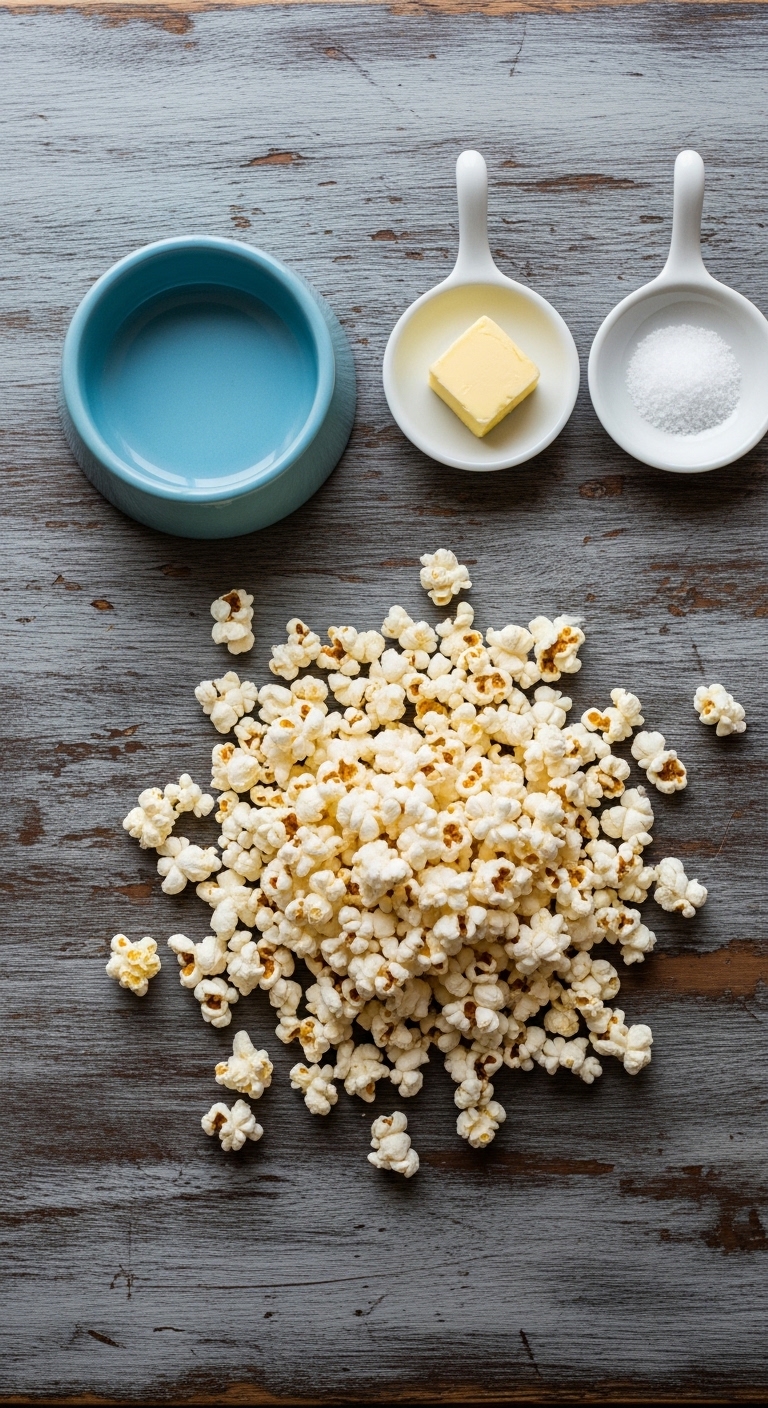
I’ve seen dogs happily munch on plain popcorn without issues, but others get sick from even a tiny bite. Always introduce new foods slowly and in small amounts to see how your dog reacts.
Daily care habits
If you enjoy popcorn as a snack, consider keeping your dog in another room during movie night to avoid temptation. Store popcorn bags out of reach to prevent curious paws from knocking them over. Offer your dog a safe alternative like plain carrots or apple slices if they seem interested in your snack.
Choosing the right product
When buying popcorn for yourself, check the label for any ingredients that could harm your dog. Air-popped popcorn is the best choice if you want to share a small amount with your pet. Avoid microwave popcorn with artificial flavors or excessive salt.
Safety and comfort
If your dog accidentally eats a large amount of popcorn, monitor them closely for signs of distress. Keep your vet’s number handy in case of an emergency. Never force your dog to vomit unless instructed by a professional.
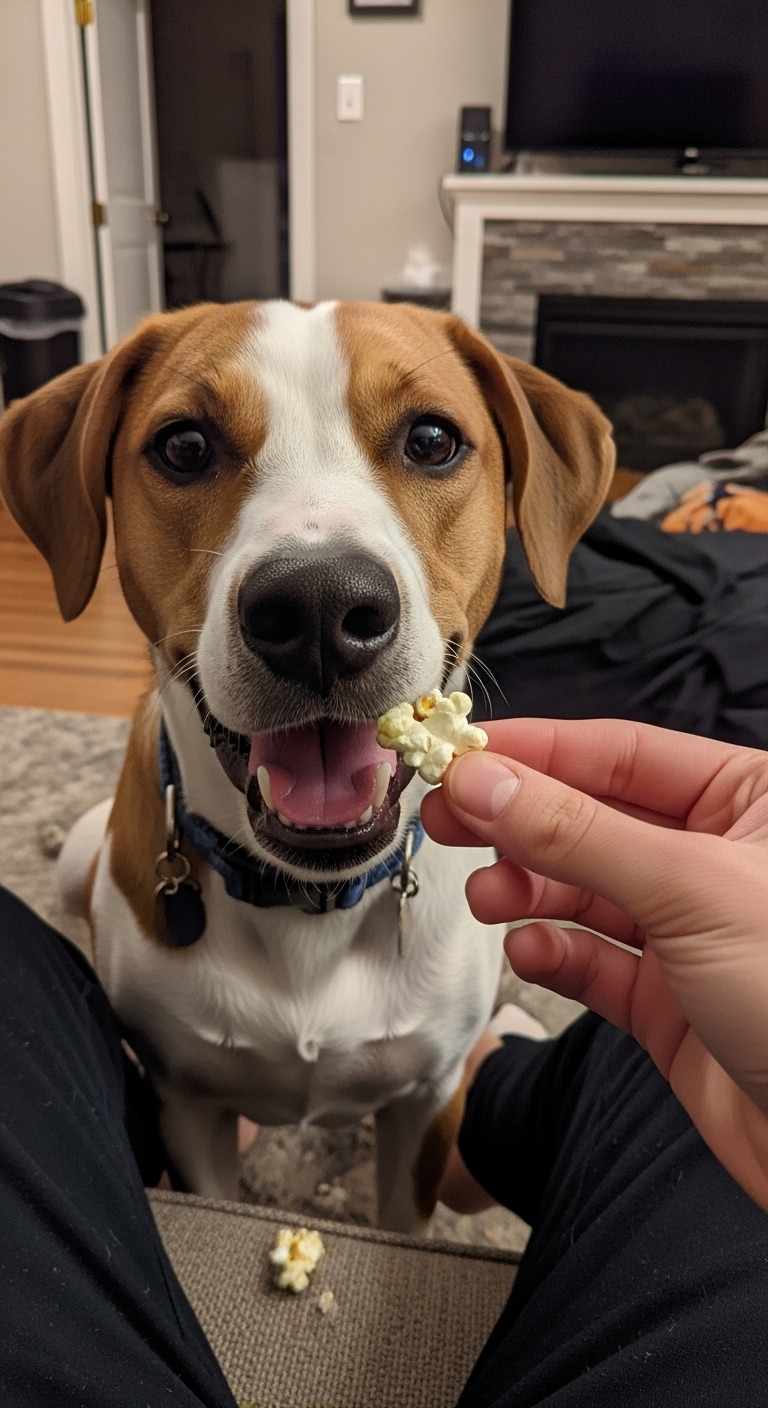
Sharing snacks with your dog can be a bonding experience, but safety should always come first. When in doubt, stick to treats made specifically for pets.
Frequently Asked Questions
- → Can dogs eat popcorn?
Yes, dogs can eat plain, air-popped popcorn in moderation, but it should never be a regular treat. Avoid butter, salt, or seasonings, as these can harm your dog’s health.
- → Is popcorn dangerous for dogs?
Popcorn can be dangerous if it's buttered, salted, or contains unpopped kernels. Kernels can crack teeth or cause choking, while seasonings may lead to digestive issues or toxicity.
- → What happens if a dog eats popcorn with butter?
Butter and other fats can cause pancreatitis in dogs, leading to vomiting, diarrhea, or abdominal pain. Salted popcorn may also cause dehydration or sodium ion poisoning in large amounts.
- → How much popcorn can a dog eat?
Popcorn should only be given as an occasional treat in very small amounts—no more than a few pieces at a time. Always introduce new foods slowly to check for allergies or sensitivities.
- → What are safe alternatives to popcorn for dogs?
Better snack options include plain carrots, apple slices (without seeds), plain cooked pumpkin, or commercial dog treats. Always avoid foods like chocolate, grapes, or onions, which are toxic to dogs.
- → Can puppies eat popcorn?
Puppies should avoid popcorn due to the risk of choking from kernels or hulls. Their teeth and digestive systems are still developing, making them more vulnerable to injury or upset.