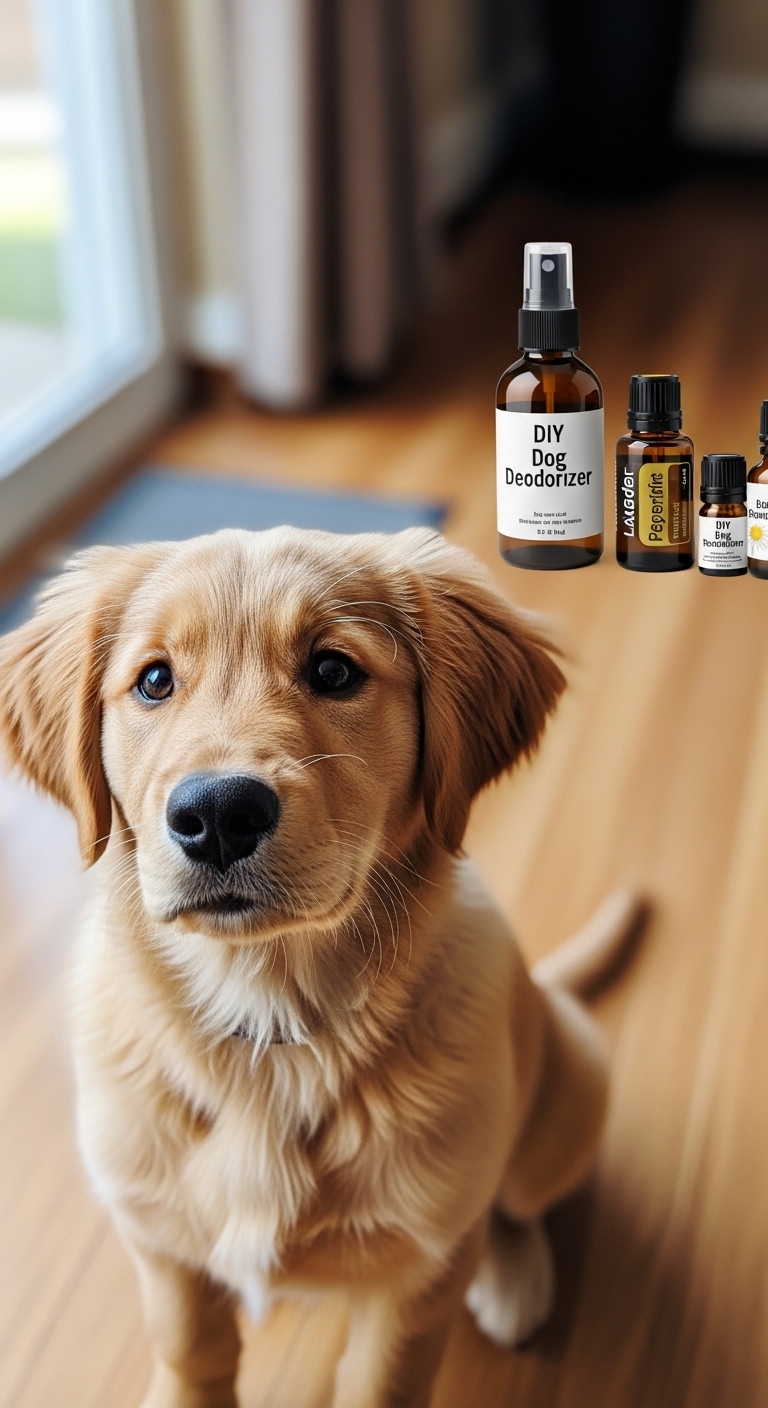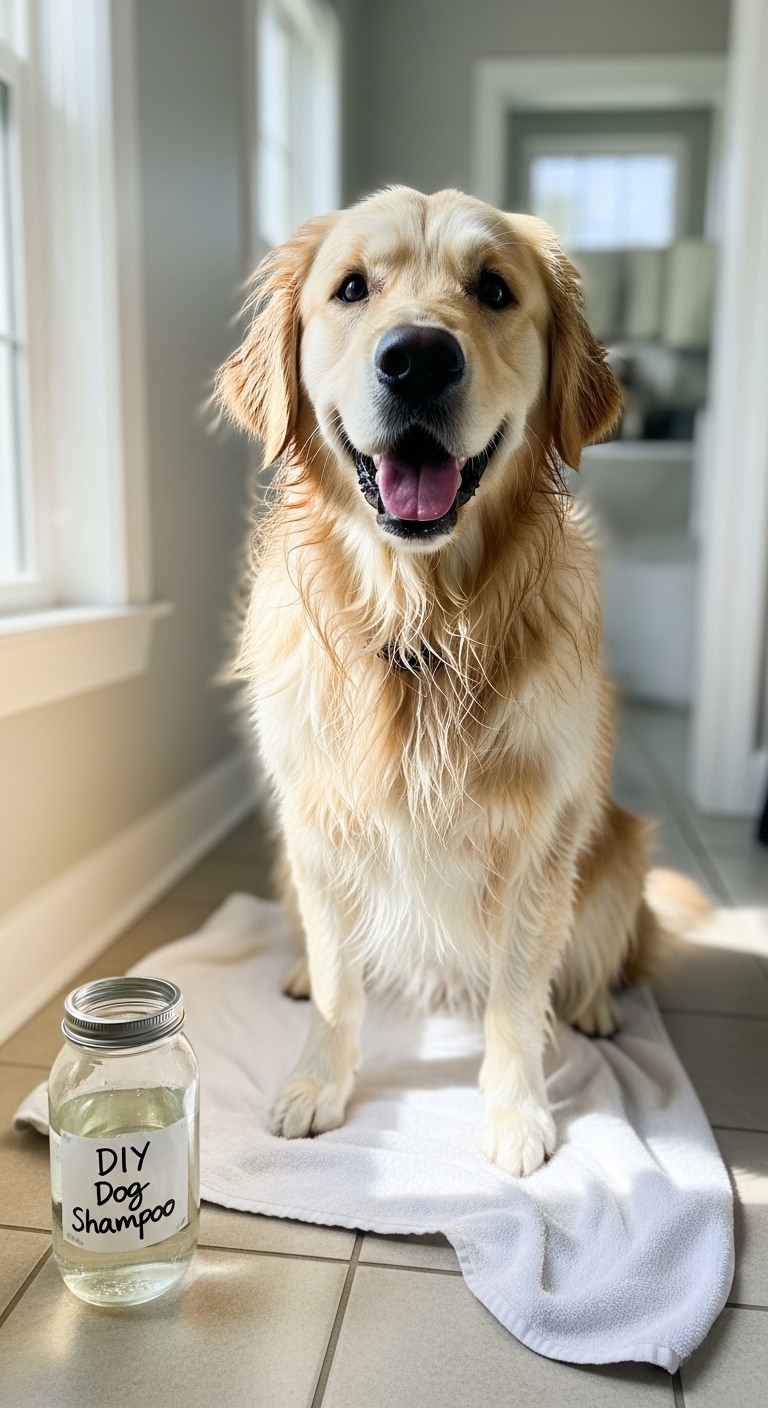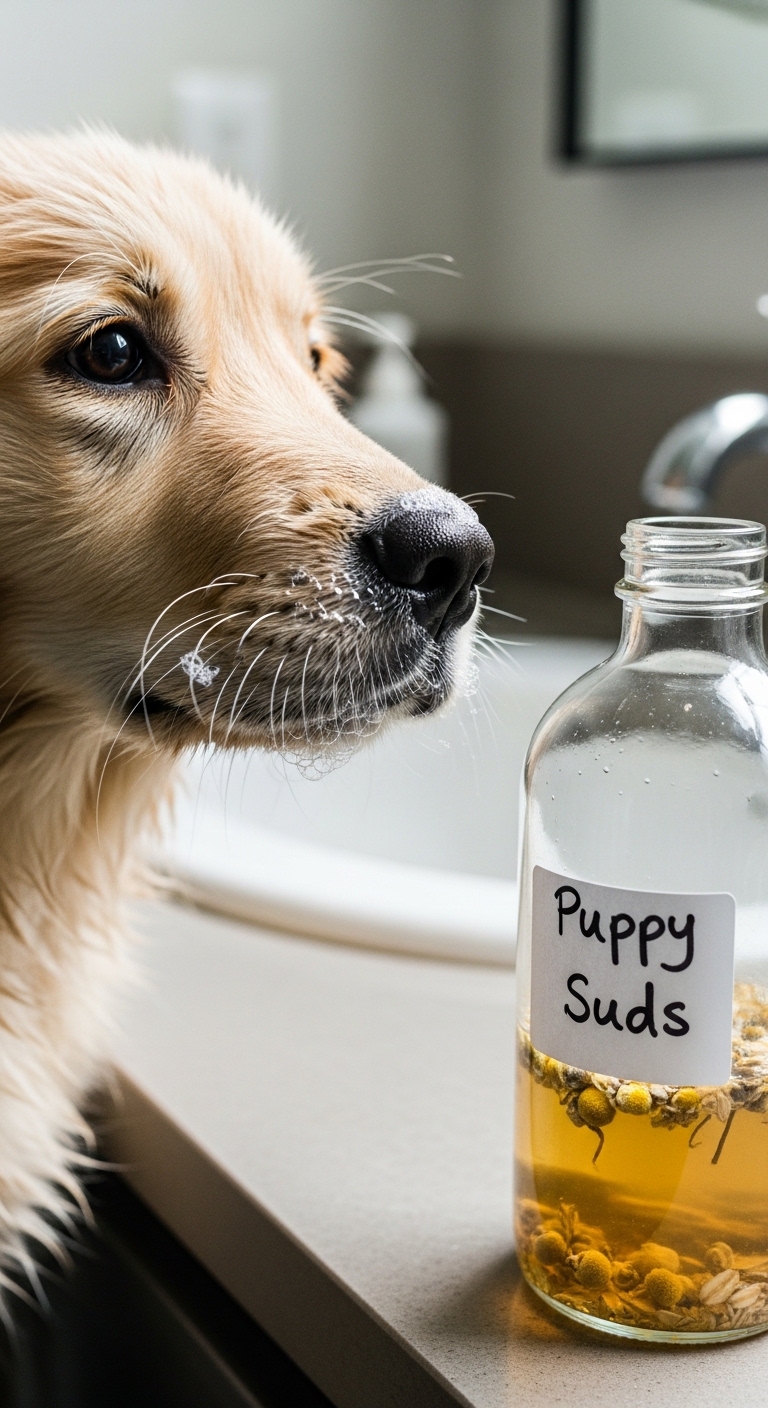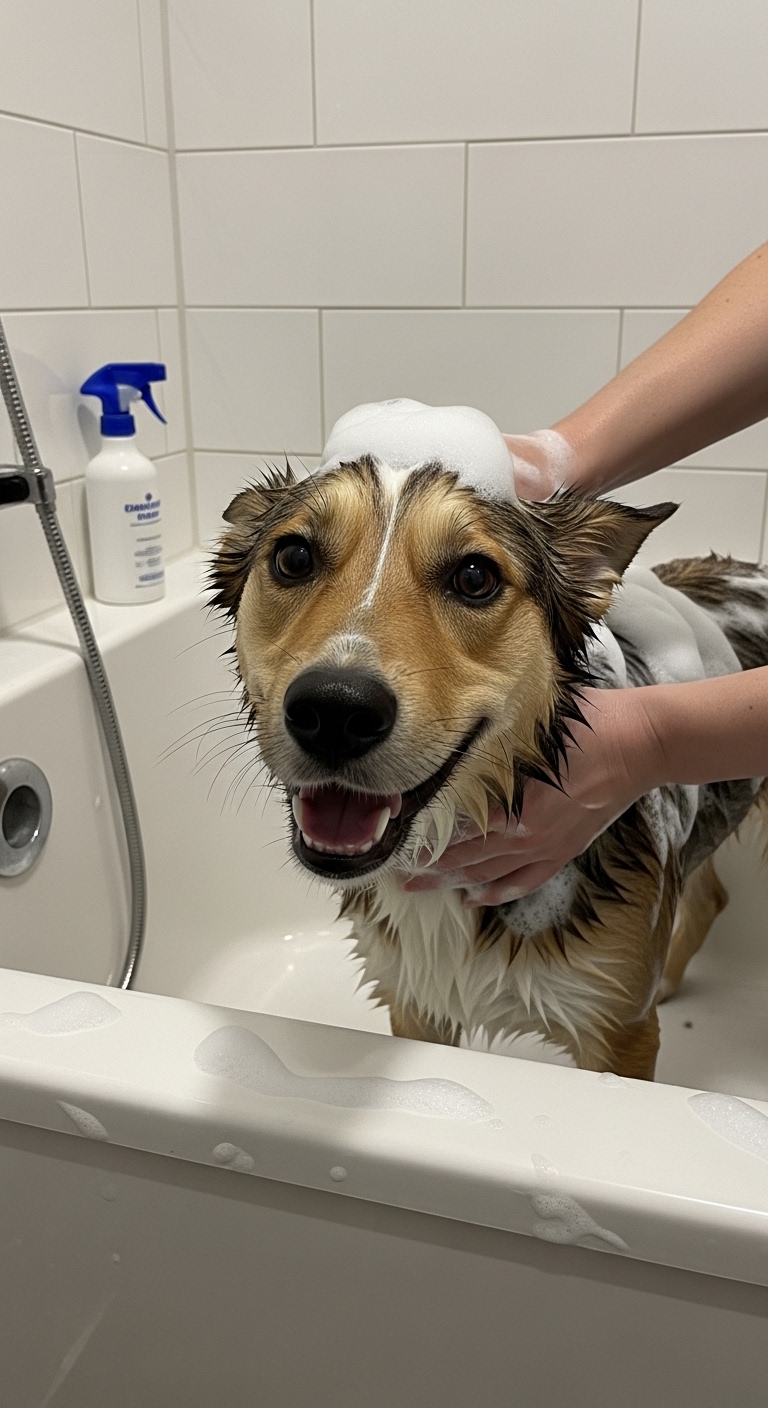
Natural dog shampoo DIY is something many pet owners consider as they look for gentler, more affordable ways to care for their dogs. With so many commercial shampoos packed with harsh chemicals, making your own at home can feel like a safer, smarter choice. It’s not just about saving money: it’s about knowing exactly what’s touching your dog’s skin every bath time.
I’ve seen dogs with itchy skin improve after switching to a gentle DIY wash, and the owners often tell me how much calmer their pets seem during bath time.
Key Things to Understand
- Natural doesn’t always mean safe for dogs: Some human-friendly ingredients like essential oils can be toxic to pets, so always double-check before mixing.
- The pH balance of your dog’s skin is different from yours: Using a shampoo with the wrong pH can strip their coat of natural oils, leading to dryness or irritation.
- Homemade shampoos won’t lather like commercial ones: Focus instead on even coverage and gentle cleansing.
- Storage matters: Many natural ingredients spoil quickly, so make only small batches and keep them in the fridge for short-term use.
- Not all dogs need frequent baths: Overwashing can dry out their skin, so adjust the frequency based on your dog’s breed and activity level.
What to Look For
Pay attention to how your dog reacts during and after bath time. If they scratch more, develop redness, or seem uncomfortable, the shampoo might not be the right fit. A good natural shampoo should leave their coat soft and their skin calm, not tight or flaky.
Look for ingredients that match your dog’s specific needs. For example, oatmeal is great for itchy or sensitive skin, while coconut oil can help with dry coats. Avoid anything with artificial fragrances, parabens, or sulfates, as these can cause reactions.
Check the texture of the shampoo. It should be easy to spread through your dog’s fur without clumping. If it’s too thick, dilute it slightly with water. If it’s too runny, add a natural thickener like aloe vera gel.
Watch for signs of over-washing, such as excessive dandruff or a dull coat. If you notice these, space out baths or switch to a milder formula.
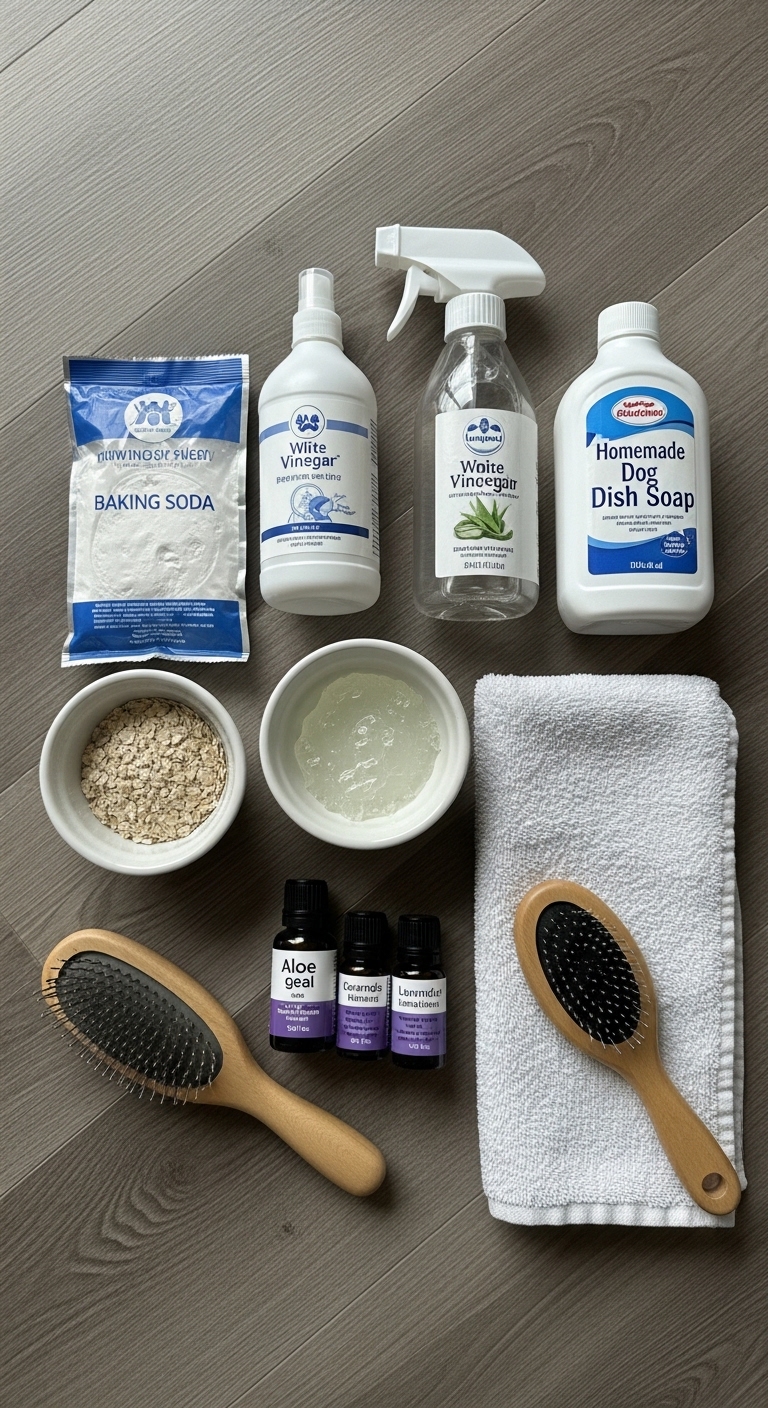
I once made the mistake of using lavender oil in a shampoo for a friend’s dog, only to find out later it was too strong for their sensitive skin. Always research and test first.
Daily Care Habits
Bathing your dog every 4 to 6 weeks is usually enough unless they get into something messy. Overbathing strips their coat of natural oils, leading to dryness and irritation. If your dog has a skin condition, your vet might recommend a specific schedule.
After the bath, towel-dry them gently but thoroughly. Leaving damp fur can create a breeding ground for bacteria or yeast, especially in wrinkly breeds like bulldogs.
Brushing your dog regularly helps distribute natural oils through their coat, keeping it healthy between baths. It also reduces shedding and prevents mats, which can trap dirt and moisture.
Choosing the Right Product
If you’re not ready to DIY, look for shampoos labeled “hypoallergenic” or “for sensitive skin.” Avoid products with artificial dyes, as these can cause reactions.
For dogs with allergies, oatmeal-based shampoos are a great option because they soothe itching and reduce inflammation.
If your dog has a thick or double coat, a conditioning rinse after shampooing can help detangle and soften their fur without weighing it down.
Safety and Comfort
Never use human shampoo on your dog, even if it’s “natural.” Their skin has a different pH, and human products can cause irritation.
Rinse thoroughly to remove all shampoo residue. Leftover product can cause itching or dryness.
If your dog has a history of skin issues, introduce new shampoos slowly and monitor their reaction closely.
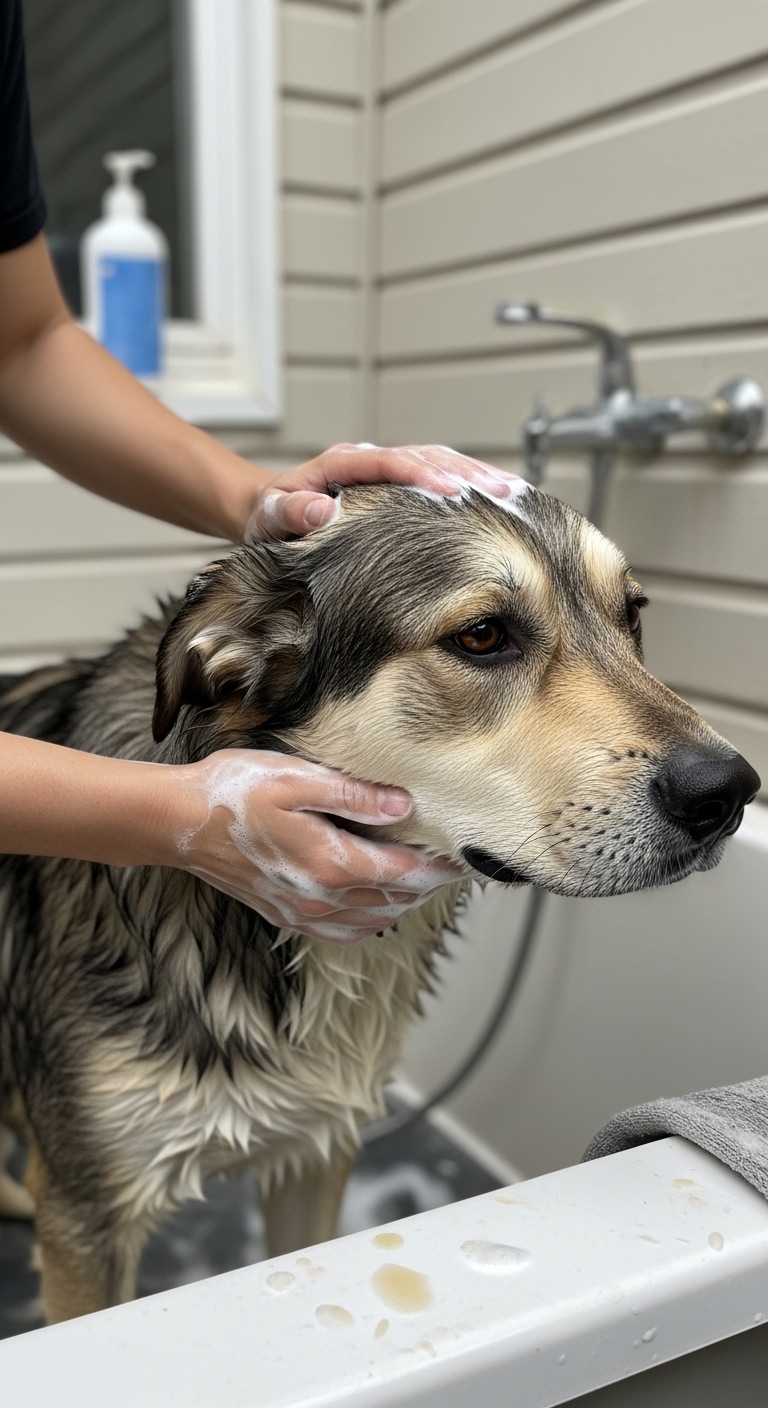
Making your own natural dog shampoo can feel like a small act of love, but it’s one that pays off in your dog’s comfort and health. Whether you’re dealing with a picky eater of a shampoo or just want to cut out unnecessary chemicals, a DIY approach gives you peace of mind.
Frequently Asked Questions
- → What are the best natural ingredients for dog shampoo?
Common natural ingredients include coconut oil for moisture, apple cider vinegar for pH balance, oatmeal for soothing itchy skin, and aloe vera for gentle cleansing. Avoid essential oils like tea tree or citrus, as they can be toxic to dogs.
- → Is homemade dog shampoo safe for all breeds?
Yes, but patch-test first. Some dogs may react to specific ingredients like coconut oil or essential oils. Always dilute ingredients properly and avoid contact with eyes and ears.
- → How often can I use DIY natural shampoo on my dog?
Use it every 2-4 weeks or as needed. Overwashing can strip natural oils from your dog’s skin, leading to dryness or irritation. Adjust frequency based on your dog’s skin condition.
- → Can I add essential oils to my dog’s shampoo?
Only use pet-safe essential oils like lavender or chamomile in very small amounts. Avoid oils like peppermint, eucalyptus, or citrus, which can be harmful. Consult your vet before adding any new ingredient.
- → How long does homemade dog shampoo last?
Store in a cool, dry place and use within 1 month. If the mixture separates or smells off, discard it. Adding a preservative like vitamin E oil can extend shelf life slightly.
- → What if my dog has sensitive skin?
Opt for ultra-gentle ingredients like oatmeal and aloe vera. Avoid soap-based cleansers and always rinse thoroughly. If irritation persists, consult your vet before continuing use.