Cleaning the bottom of your shoes isn’t just about keeping them looking fresh: it’s about protecting your investment and making sure they last longer. Dirt, grime, and salt buildup can wear down the soles over time, which affects both comfort and performance. Whether you’re walking the dog, hiking with your pup, or just running errands, clean shoes mean better traction and fewer slips. Plus, it’s a simple way to keep your home cleaner when you step inside.
I’ve noticed that shoes with deep treads trap more dirt, so a quick brush after every outdoor adventure makes the next cleaning session much easier.
Key Things to Understand
- Cleaning frequency matters: because letting dirt sit too long can damage the rubber or material
- Different soles require different cleaning methods: some need gentle soap while others can handle stronger cleaners
- Salt and ice melt residue can eat away at shoe materials: if not rinsed off promptly
- A stiff brush works best for deep treads: while a soft cloth is better for smooth surfaces
- Drying shoes properly prevents mold and mildew: from developing inside
What to Look For
Pay attention to how much dirt is caked into the treads of your shoes. If you see deep grooves filled with mud or salt, it’s time for a thorough cleaning. Check the material of the soles too: some rubber compounds are more sensitive to harsh chemicals, so you’ll want to use a milder cleaner if that’s the case. Look for signs of wear like thinning tread or cracks, which mean it’s time to replace them soon. Also notice how your shoes feel when you walk: if they’ve lost their grip, a good cleaning might restore some traction before you need to buy new ones.
I once ruined a pair of leather boots by tossing them in the dryer after cleaning: now I always let them dry naturally. A common mistake is using a pressure washer, which can force water into seams and cause damage over time.
Daily care habits
After every walk, give your shoes a quick tap to remove loose dirt and debris. If they’re wet, stuff them with newspaper to absorb moisture and help them keep their shape. For shoes you wear daily, a quick wipe with a damp cloth at night prevents buildup from becoming a bigger chore later.
Choosing the right product
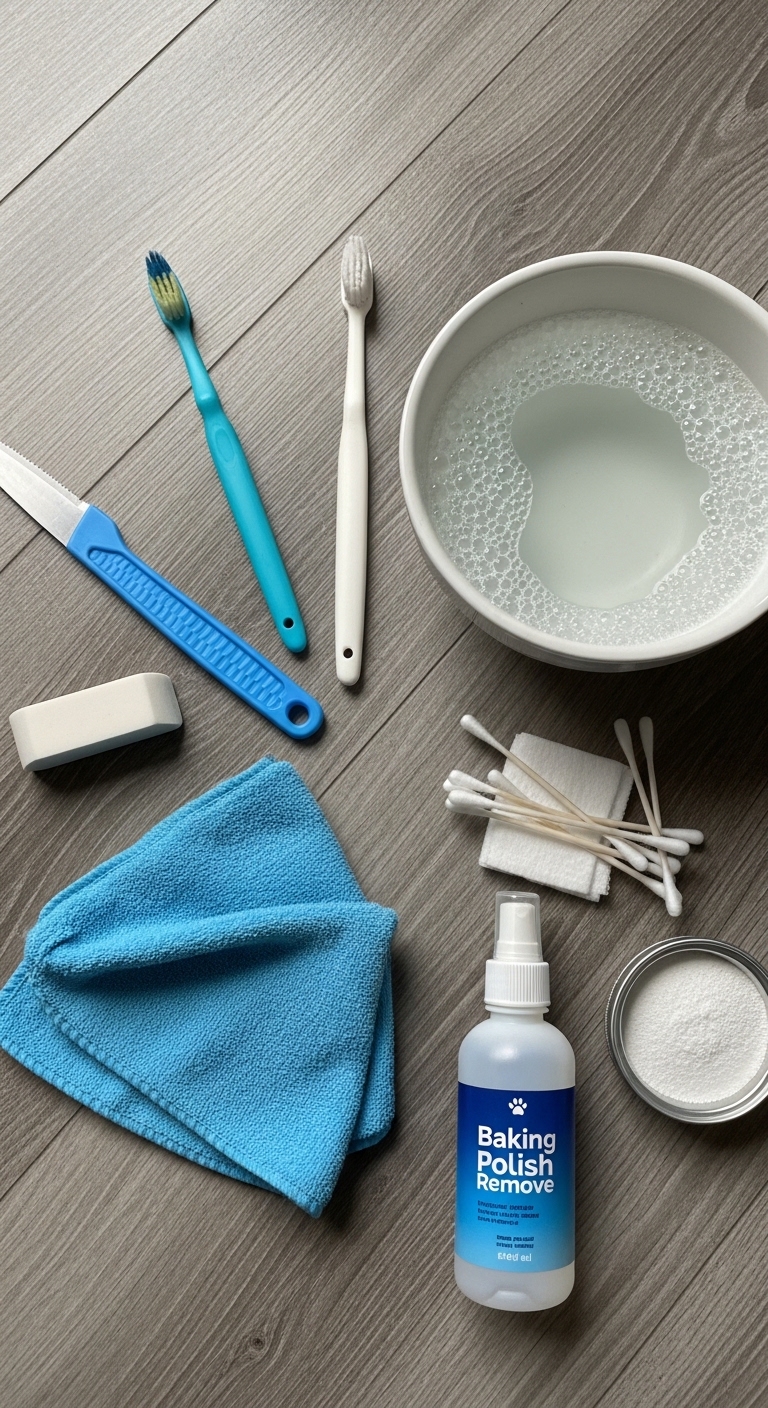
For rubber soles, a mix of warm water and mild dish soap works well. If you’re dealing with tough stains, a small amount of baking soda paste can lift grime without harming the material. Avoid harsh chemicals like bleach, which can weaken the rubber and cause cracks over time.
Safety and comfort
Clean shoes mean better traction, which is especially important when walking on wet or slippery surfaces. If your shoes have lost their grip, a deep clean might restore some of that lost traction before you need to replace them. Also check for any sharp objects stuck in the treads that could damage floors or cause discomfort when walking.
A little maintenance goes a long way in keeping your shoes ready for whatever adventure comes next.
Frequently Asked Questions
- → What’s the best way to remove dirt from shoe soles?
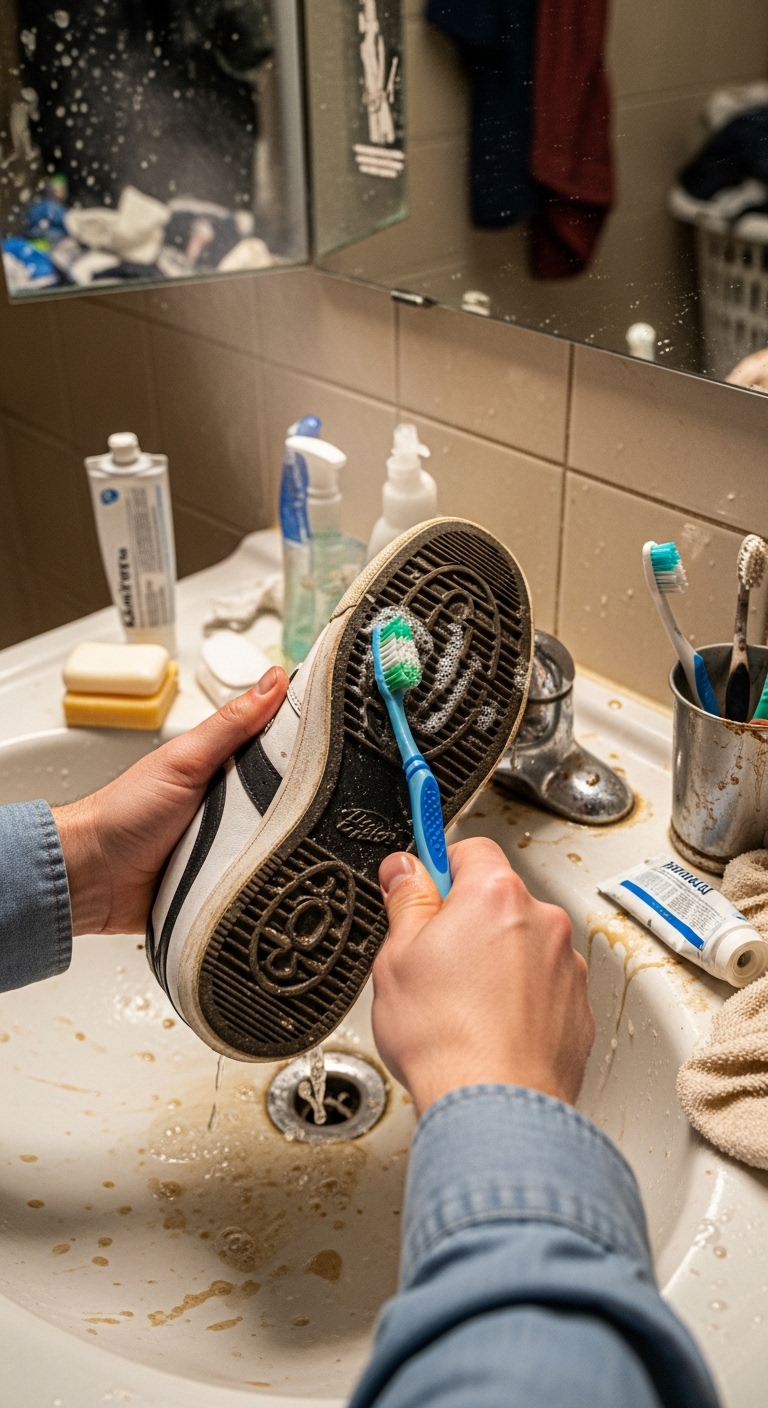
Use a stiff brush or old toothbrush to scrub away loose dirt and debris. For stuck-on grime, a damp cloth with mild soap works well.
- → Can I use household items to clean shoe bottoms?
Yes! Baking soda and vinegar make an effective paste for tough stains. Mix them, apply, let sit, then scrub and rinse.
- → How do I clean white shoe soles without damaging them?
Use a mixture of hydrogen peroxide and baking soda for whitening. Apply gently with a brush, then rinse and dry thoroughly.
- → Is it safe to soak shoe soles in water?
No, avoid soaking as it can weaken the glue and damage the material. Instead, spot-clean with a damp cloth or sponge.
- → How often should I clean the bottom of my shoes?
Clean them whenever they look dirty or after outdoor activities. Regular maintenance prevents buildup and keeps them looking new.
- → What’s the best brush for cleaning shoe soles?
A stiff-bristled brush or old toothbrush works best for scrubbing off dirt and grime effectively.