 Pin
Pin
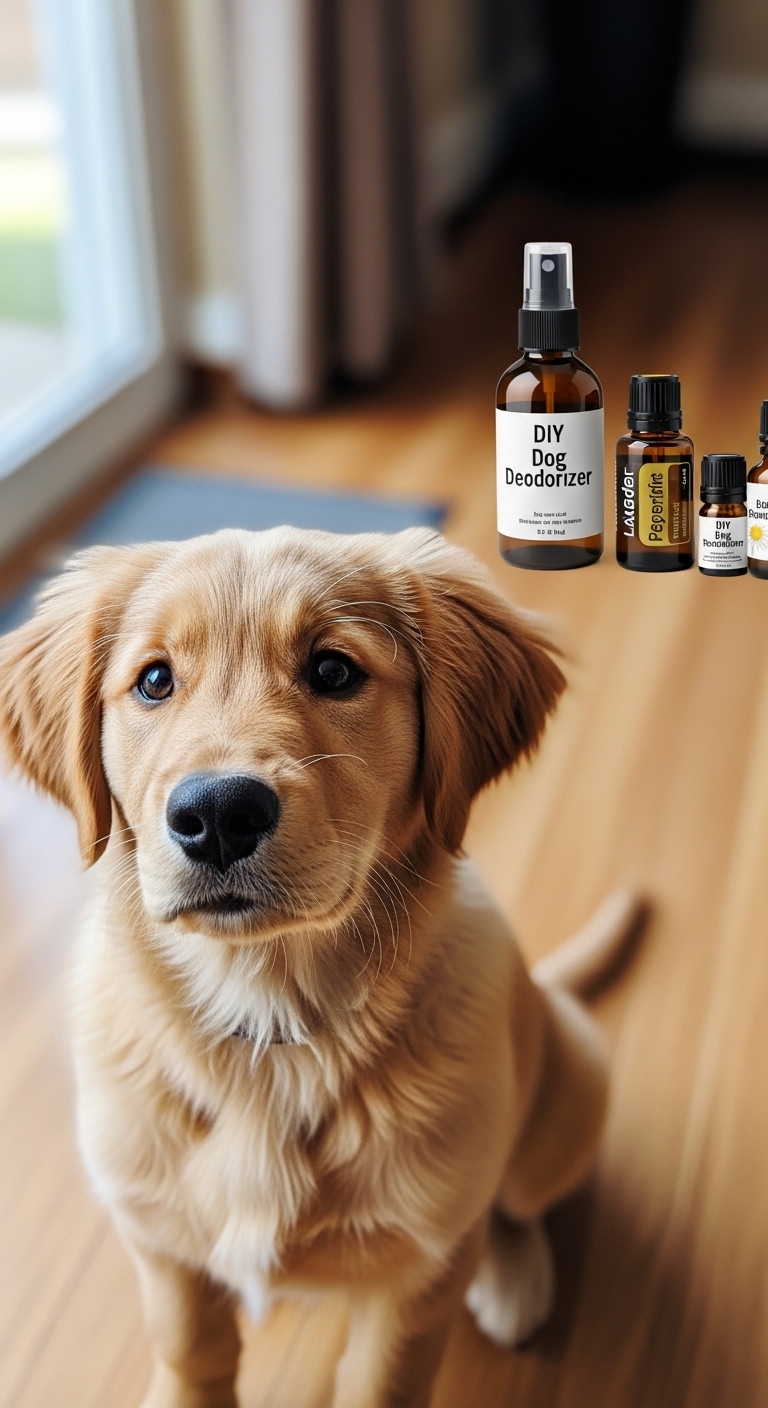
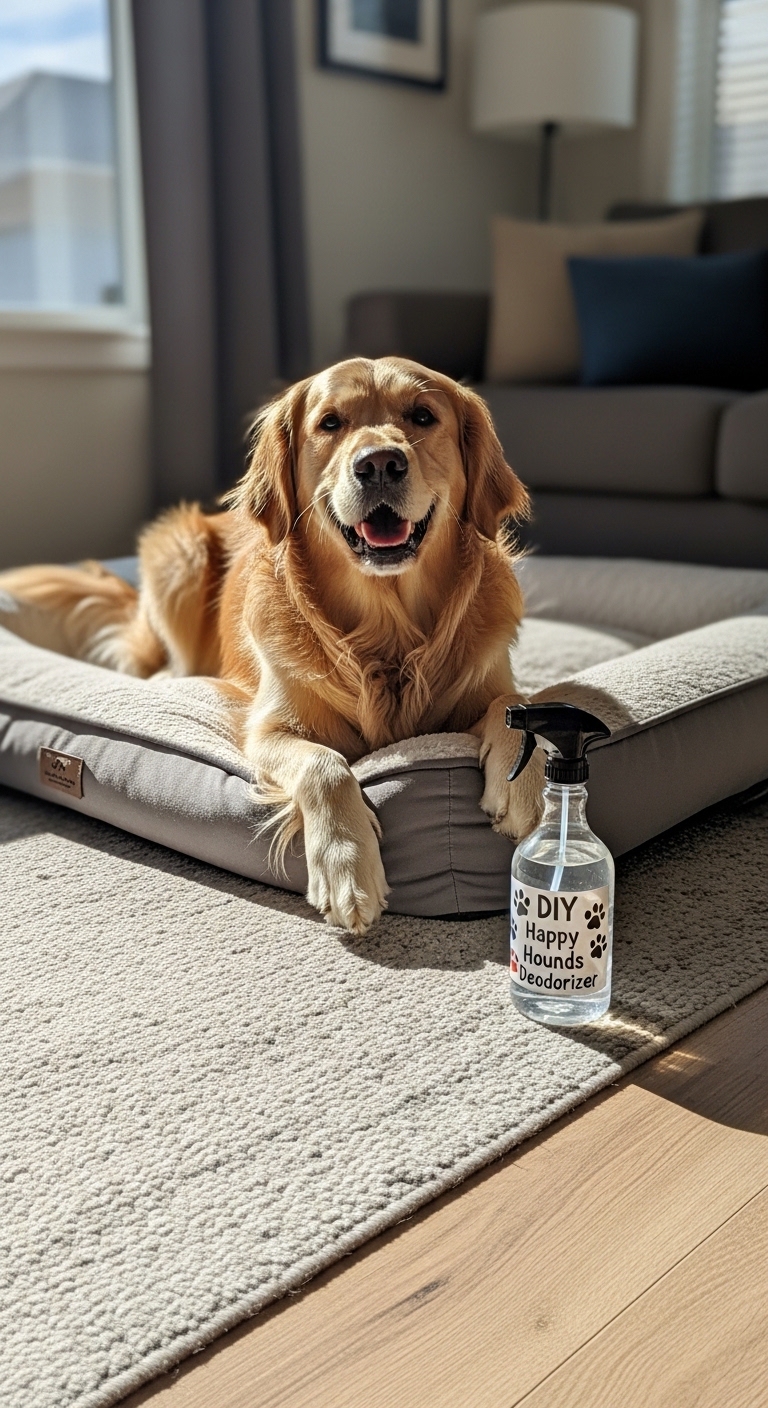
A simple DIY dog deodorizer spray can make bath time easier and keep your pup smelling fresh between washes. Pet odors build up fast, especially in long-haired breeds or active dogs who love rolling in who-knows-what outside. Instead of relying on store-bought sprays packed with mystery chemicals, a homemade version lets you control exactly what touches your dog’s skin and fur. It’s gentle, cost-effective, and something you can whip up in minutes with ingredients you might already have at home.
I still remember the first time I tried this on my golden retriever after a muddy adventure. The difference in smell was instant, and she didn’t mind the light spritz at all: she just wagged her tail like she knew she was getting a treat.
Key Things to Understand
- Natural ingredients work best for most dogs: but always patch test first to check for reactions
- Avoid essential oils like tea tree, eucalyptus, or citrus in high concentrations: as they can be toxic to pets
- Vinegar is a great deodorizer: but dilute it properly to prevent skin irritation
- Keep the spray away from eyes, nose, and mouth: to avoid discomfort
- Shake the bottle well before each use: since natural ingredients can separate over time
What to Look For
Watch how your dog reacts the first few times you use the spray. Some dogs tolerate it perfectly fine, while others might sneeze or shake their head if the mist gets too close to their face. A good sign is if they stay calm and don’t try to rub their face on the floor afterward. Also, check their coat after a few applications: it should feel softer, not dry or flaky, which could mean the mixture is too strong or needs more dilution. If you notice any redness, itching, or excessive scratching after using the spray, that’s your cue to switch to a gentler formula or rinse it off immediately. Some dogs have sensitive skin that doesn’t tolerate even mild ingredients like apple cider vinegar, so always observe their response closely.
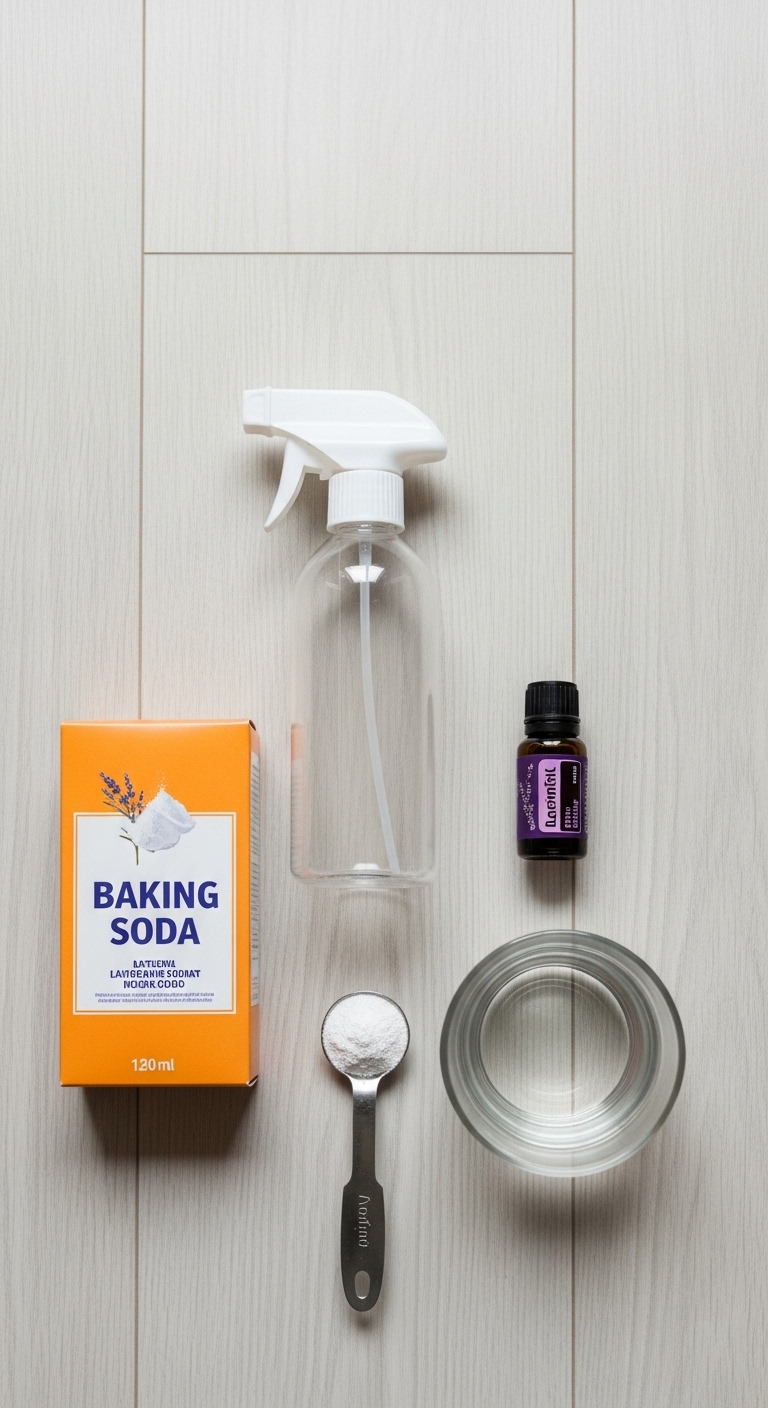
I once forgot to cap the bottle properly and found my curious terrier had knocked it over and taken a big sniff. Luckily, she was fine, but it taught me to always store homemade sprays high up or in a cabinet. It’s an easy mistake to make, especially with pets who have a knack for getting into things.
Daily Care Habits
Incorporate the spray into your routine right after walks or playtime when your dog is already damp or sweaty. A quick spritz on their belly, paws, and back can prevent odors from setting in, especially in breeds with dense coats. Pair it with a quick wipe-down using a damp cloth to remove dirt before it has a chance to smell.
Choosing the Right Product
If you’d rather buy than DIY, look for sprays labeled “all-natural” or “hypoallergenic” with short ingredient lists. Avoid products with artificial fragrances, alcohol, or synthetic dyes. Brands that focus on oatmeal, aloe, or chamomile tend to be gentler on skin while still neutralizing odors effectively.
Safety and Comfort
Always spray the mixture onto your hands first before applying it to your dog’s fur. This gives you better control and prevents oversaturation, which can make their coat feel sticky or heavy. If your dog has hot spots or irritated skin, skip the spray until the area heals to avoid stinging or further discomfort.
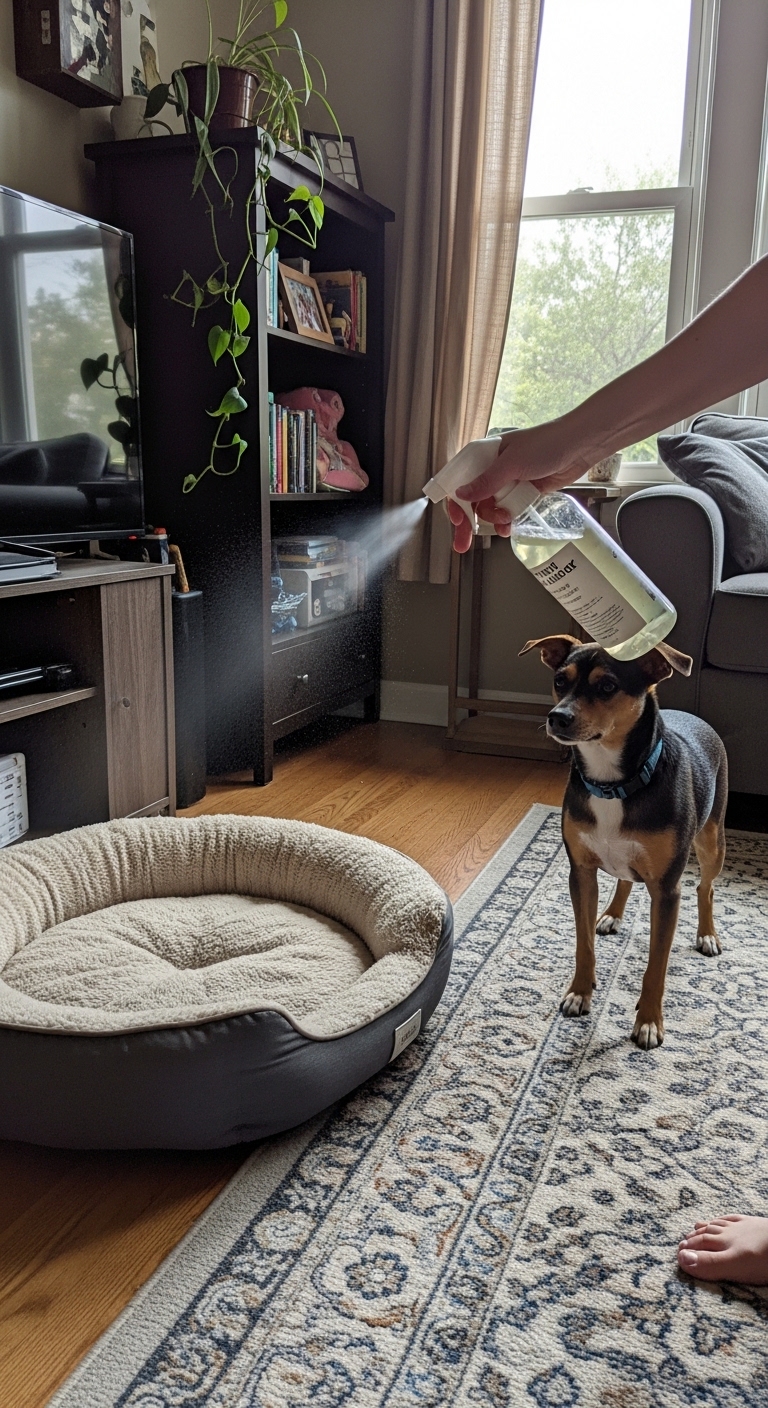
Homemade deodorizer sprays are a simple way to keep your dog fresh without harsh chemicals. With a little trial and error, you’ll find the perfect blend for your pup’s needs.
Frequently Asked Questions
- → What ingredients do I need for a DIY dog deodorizer spray?
You’ll need distilled water, apple cider vinegar, witch hazel, and pet-safe essential oils like lavender or chamomile. Avoid citrus oils and tea tree oil, which can be toxic to dogs.
- → How often can I use this spray on my dog?
Use it 2-3 times a week or as needed between baths. Avoid daily use to prevent skin dryness, and always monitor your dog for any irritation.
- → Is this spray safe for all dogs?
Most dogs tolerate this spray well, but always do a patch test on a small area first. Avoid using on dogs with open wounds, sensitive skin, or puppies under 12 weeks old.
- → Can I use this spray on my dog’s face?
No, avoid spraying near the eyes, nose, mouth, or any open wounds. Instead, lightly mist the spray on your hands and gently wipe your dog’s face with a damp cloth.
- → What essential oils are safe for dogs in this spray?
Safe options include lavender, chamomile, and frankincense. Always dilute essential oils properly and use in moderation. Avoid oils like peppermint, citrus, and tea tree, which can be harmful.
- → How do I store the leftover spray?
Store the spray in a clean, airtight spray bottle in the refrigerator for up to 2 weeks. Shake well before each use and discard if it develops an off smell or changes color.