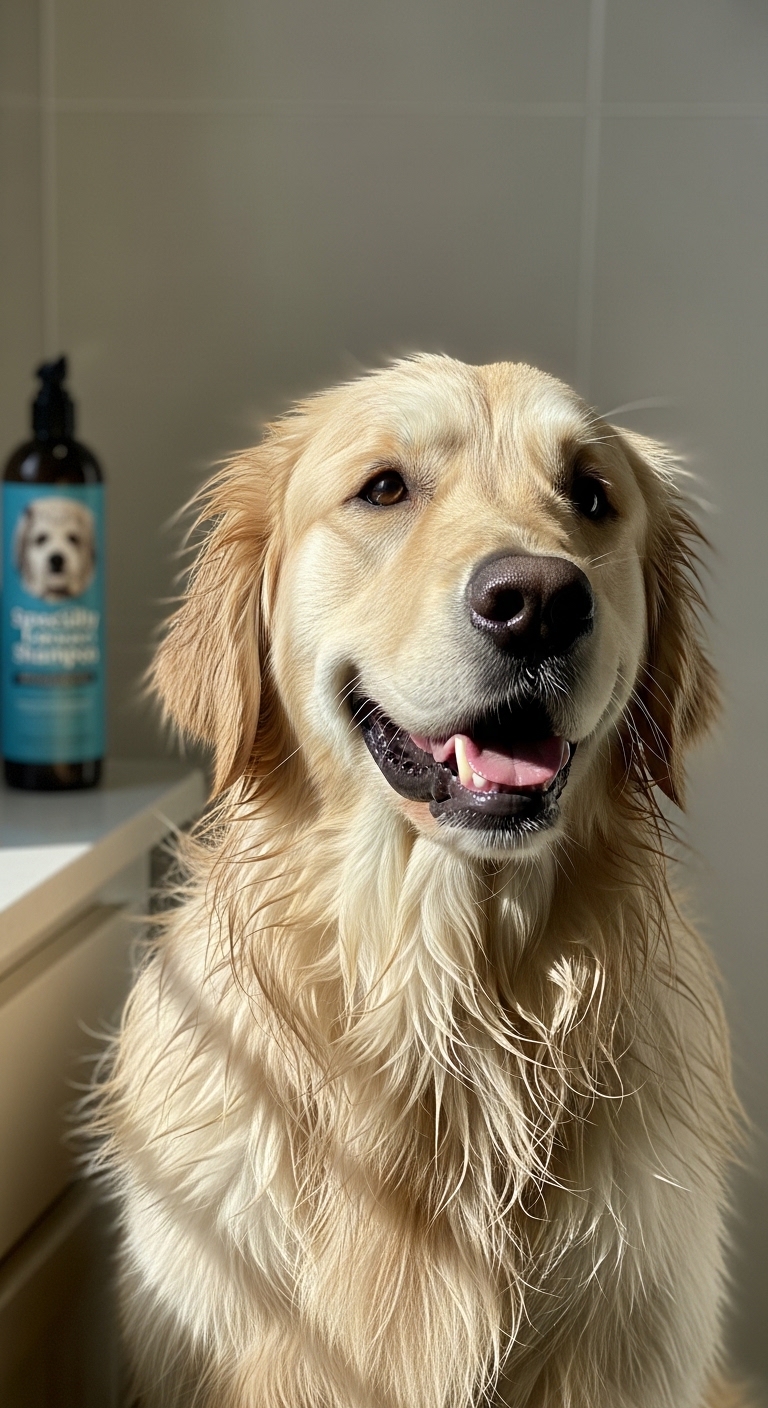
Making your own dog shampoo at home can be a game-changer for pet owners who want to avoid harsh chemicals or save money on grooming. Many commercial shampoos contain ingredients that can irritate your dog’s skin or strip natural oils, leaving their coat dull and dry. A homemade version lets you control what goes on your pup’s fur while keeping their skin healthy and their coat shiny.
I’ve noticed that dogs with sensitive skin often tolerate homemade shampoos better than commercial ones, especially when made with soothing ingredients like oatmeal or coconut oil.
Key Things to Understand
- Natural ingredients like oatmeal and coconut oil: These are gentle on a dog’s skin and coat
- Avoid essential oils like tea tree or citrus: These can be toxic to dogs
- Patch testing is essential: Always do a patch test before using a new shampoo to check for any adverse reactions
- Lathering differences: Homemade shampoos typically don’t lather as much as store-bought ones, which is normal
- Storage matters: Store the shampoo in a cool, dark place to extend its shelf life
What to Look For
Pay attention to how your dog reacts during and after bath time. If they seem itchy, red, or uncomfortable, the shampoo might not be the right fit. Look for signs of irritation like excessive scratching or redness on their skin. Also, check the texture of their coat: if it feels dry or brittle after bathing, the shampoo might be stripping natural oils. Ingredients matter, so opt for mild, natural components like aloe vera or apple cider vinegar, which can soothe the skin while cleaning. If your dog has specific skin conditions, like allergies or hot spots, choose ingredients known for their healing properties, such as chamomile or calendula.
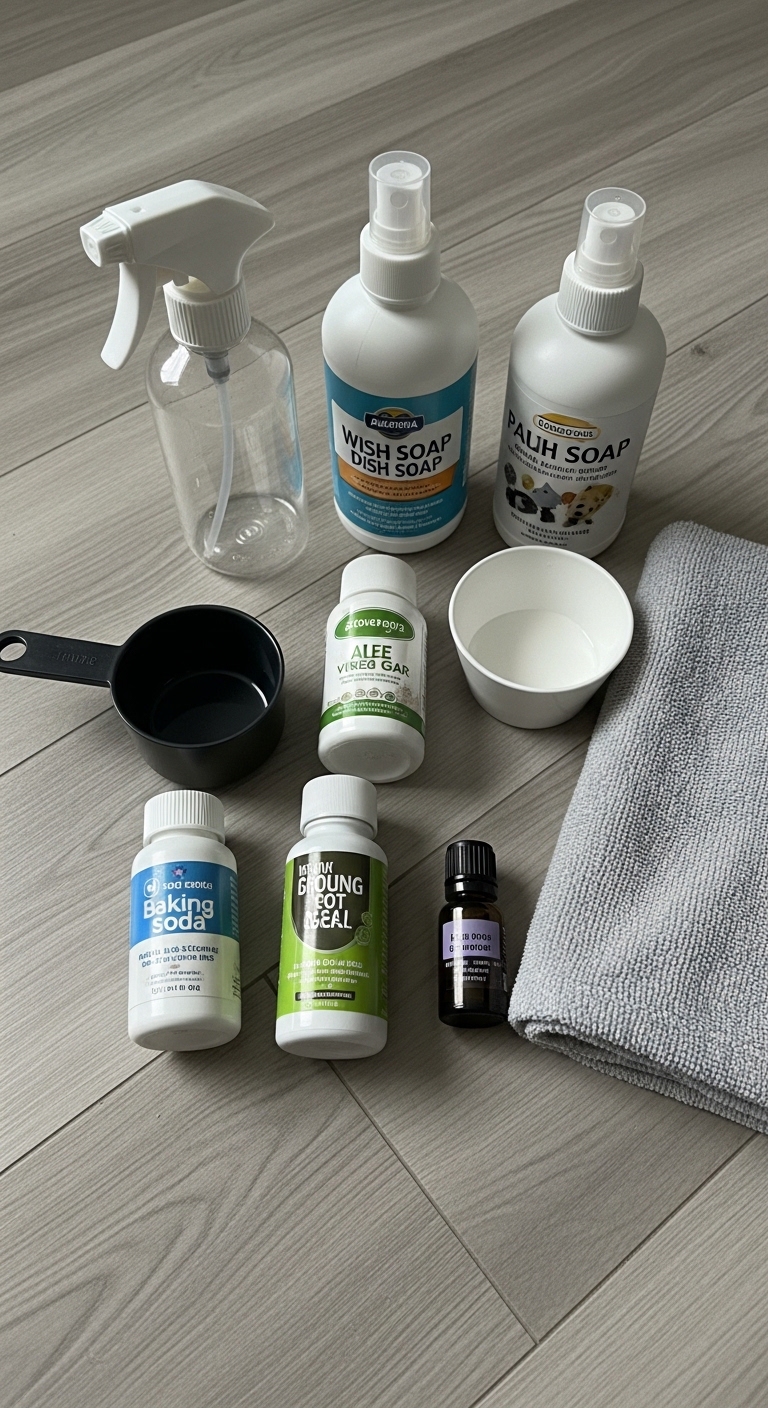
I once made the mistake of using undiluted vinegar on my dog’s coat, and it left their skin dry and flaky for days. Since then, I’ve always diluted it properly and checked for reactions first. It’s also easy to overdo the ingredients, so start with small batches to see how your dog responds.
Daily Care Habits
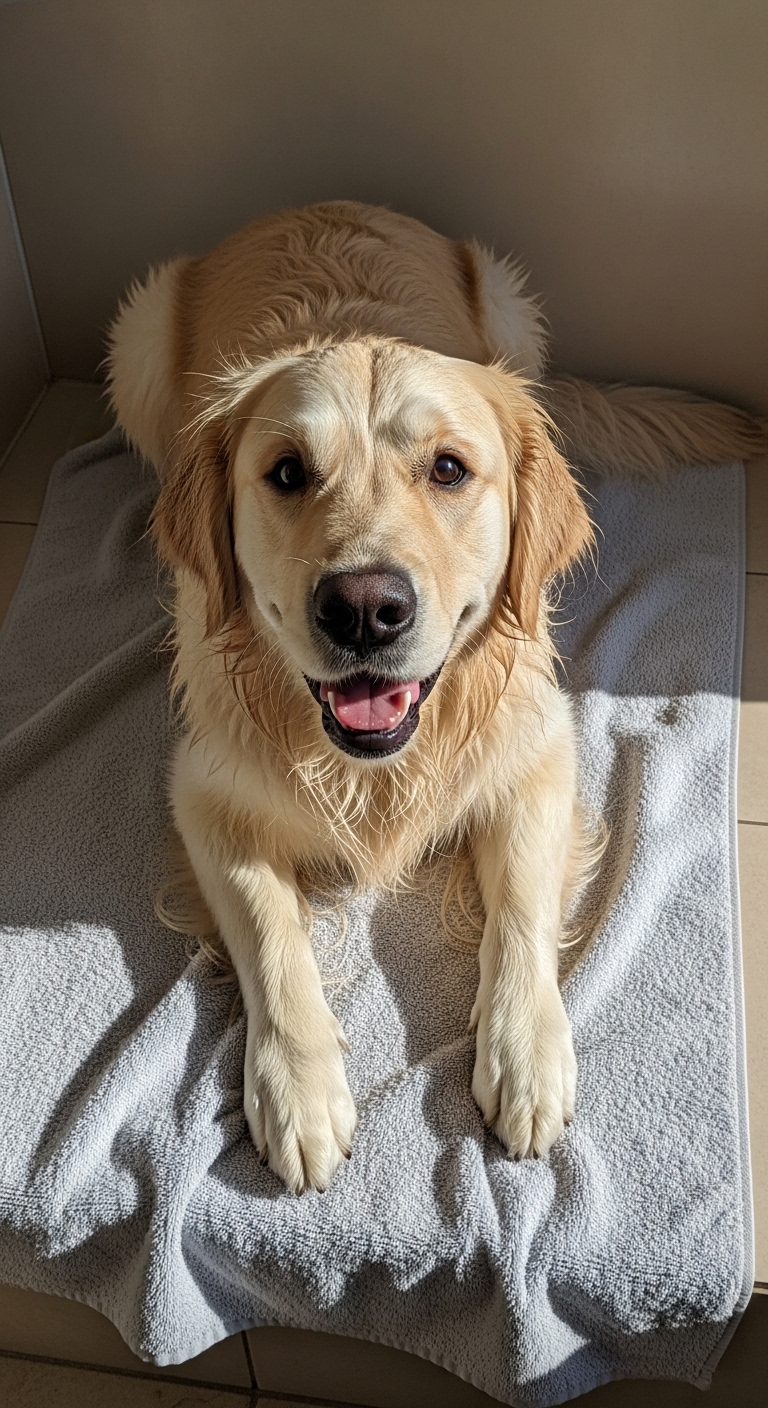
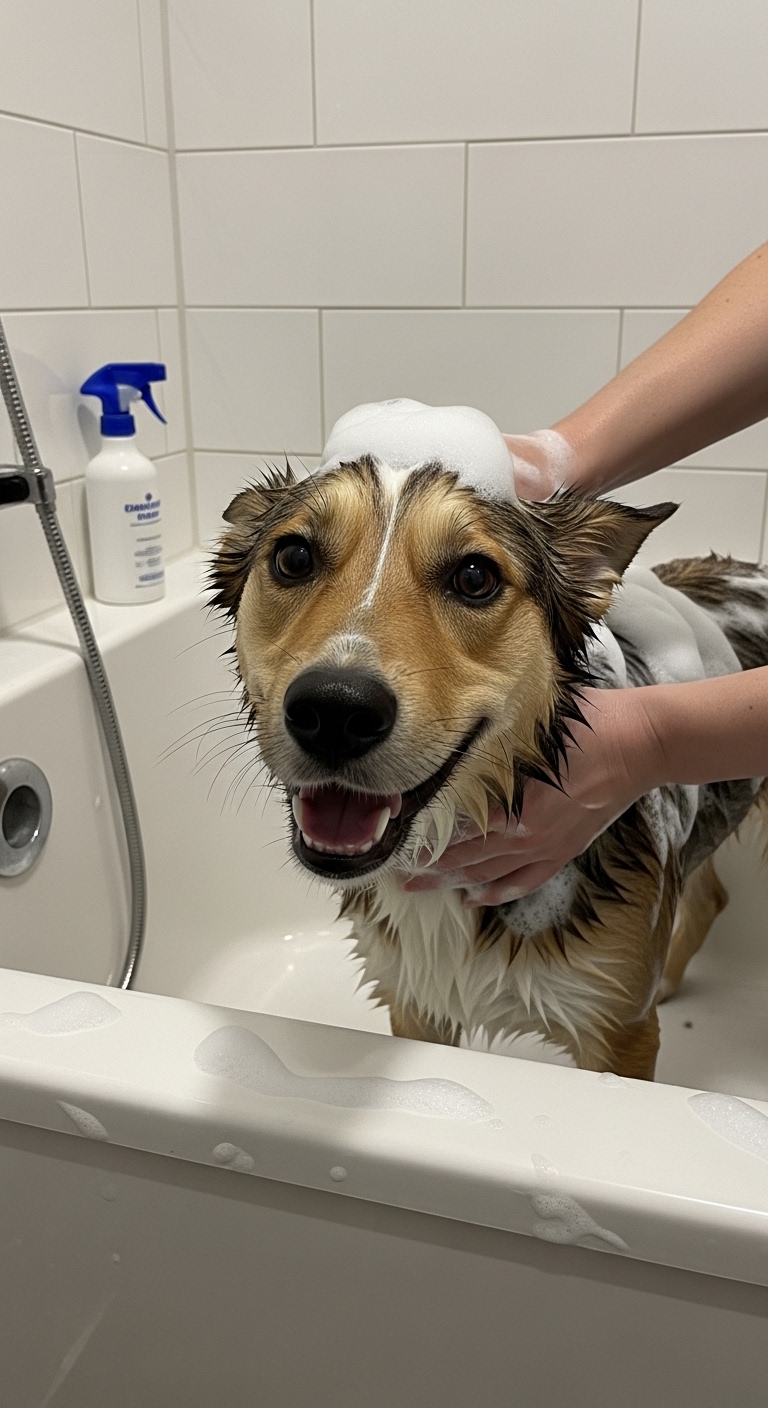
Incorporate homemade shampoo into your dog’s routine every 4 to 6 weeks, or as needed, to avoid over-washing. Over-bathing can strip natural oils from their coat, leading to dryness and irritation. If your dog loves to roll in mud or get into messy situations, a quick rinse with water before shampooing can help reduce the amount of shampoo needed. Always use lukewarm water to avoid shocking your dog’s system or causing discomfort. After bathing, towel-dry them gently or use a blow dryer on a low, cool setting to prevent chilling.
Choosing the Right Product
If you’re not ready to make your own shampoo, look for commercial options labeled for sensitive skin or made with natural ingredients. Avoid shampoos with artificial fragrances, sulfates, or parabens, as these can cause irritation. Check the ingredient list for soothing components like oatmeal, aloe vera, or coconut oil. For dogs with specific needs, like flea control or extra moisture, choose a shampoo formulated for those purposes. Always patch-test new products before full use to ensure your dog doesn’t have an adverse reaction.
Safety and Comfort
Never use human shampoo on dogs, as their skin has a different pH balance and can be easily irritated. If your dog has open wounds, rashes, or severe skin conditions, avoid homemade shampoos and consult a vet first. Always keep the shampoo out of your dog’s eyes and ears to prevent stinging or discomfort. If your dog seems stressed during bath time, try breaking the process into smaller steps, like wetting their paws first or using treats to keep them calm.
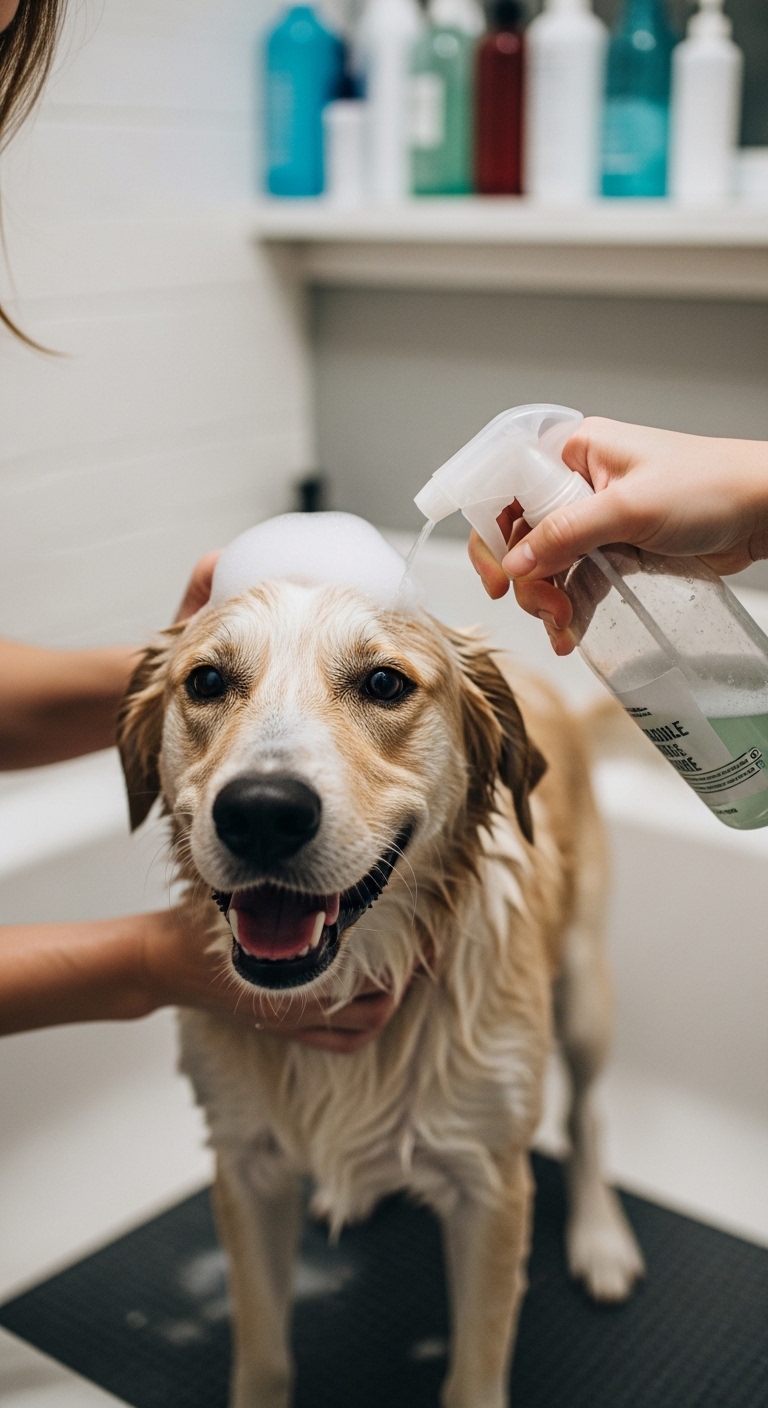
Making your own dog shampoo is a simple way to ensure your pup’s grooming routine is safe, natural, and tailored to their needs. With a few basic ingredients and a little patience, you can create a shampoo that leaves their coat soft, their skin happy, and your wallet a little fuller.
Frequently Asked Questions
- → What ingredients are safe for homemade dog shampoo?
Use pet-safe ingredients like oatmeal, coconut oil, apple cider vinegar, and mild castile soap. Avoid essential oils (especially tea tree, citrus, or peppermint), baking soda, and human shampoos, as they can irritate your dog’s skin or be toxic.
- → How often can I bathe my dog with homemade shampoo?
Bathe your dog every 4-6 weeks with homemade shampoo to avoid stripping natural oils from their coat. Overwashing can lead to dry skin or irritation, so adjust frequency based on your dog’s breed, activity level, and skin condition.
- → Will homemade shampoo help with my dog’s itchy skin?
Yes! Oatmeal and coconut oil soothe itching and reduce inflammation, while apple cider vinegar helps restore pH balance and repel fleas. For severe allergies or infections, consult your vet before use.
- → Can I use this shampoo on puppies?
Yes, but avoid apple cider vinegar for puppies under 6 months. Stick to plain oatmeal and water or consult your vet for puppy-safe alternatives. Always patch-test first.
- → How do I store leftover homemade shampoo?
Store in a sealed glass jar in the fridge for up to 2 weeks. If the mixture separates or smells off, discard it. For longer shelf life, make smaller batches as needed.
- → What if my dog has sensitive skin?
Opt for ultra-gentle ingredients like colloidal oatmeal and aloe vera gel. Skip vinegar and citrus, and always patch-test 24 hours before full use. If reactions occur, rinse immediately and consult a vet.