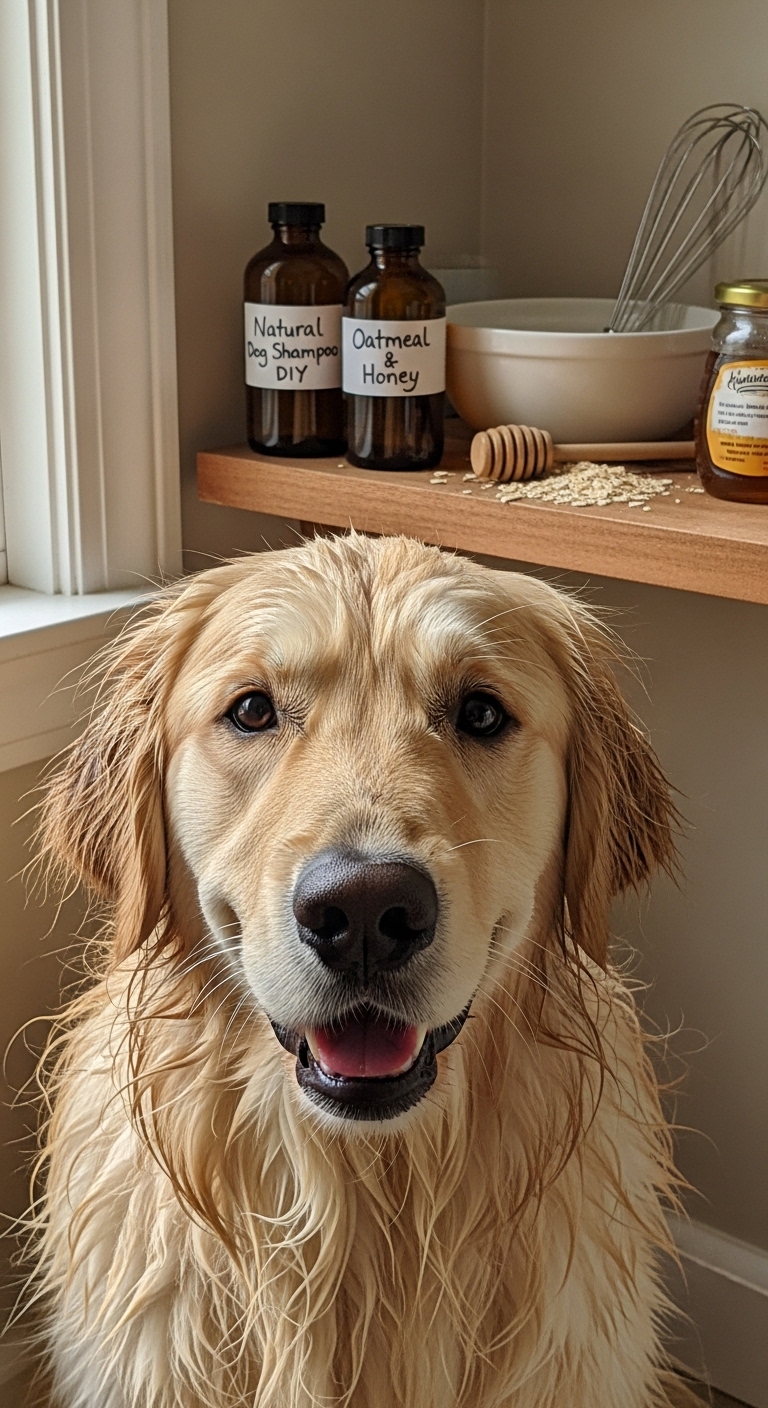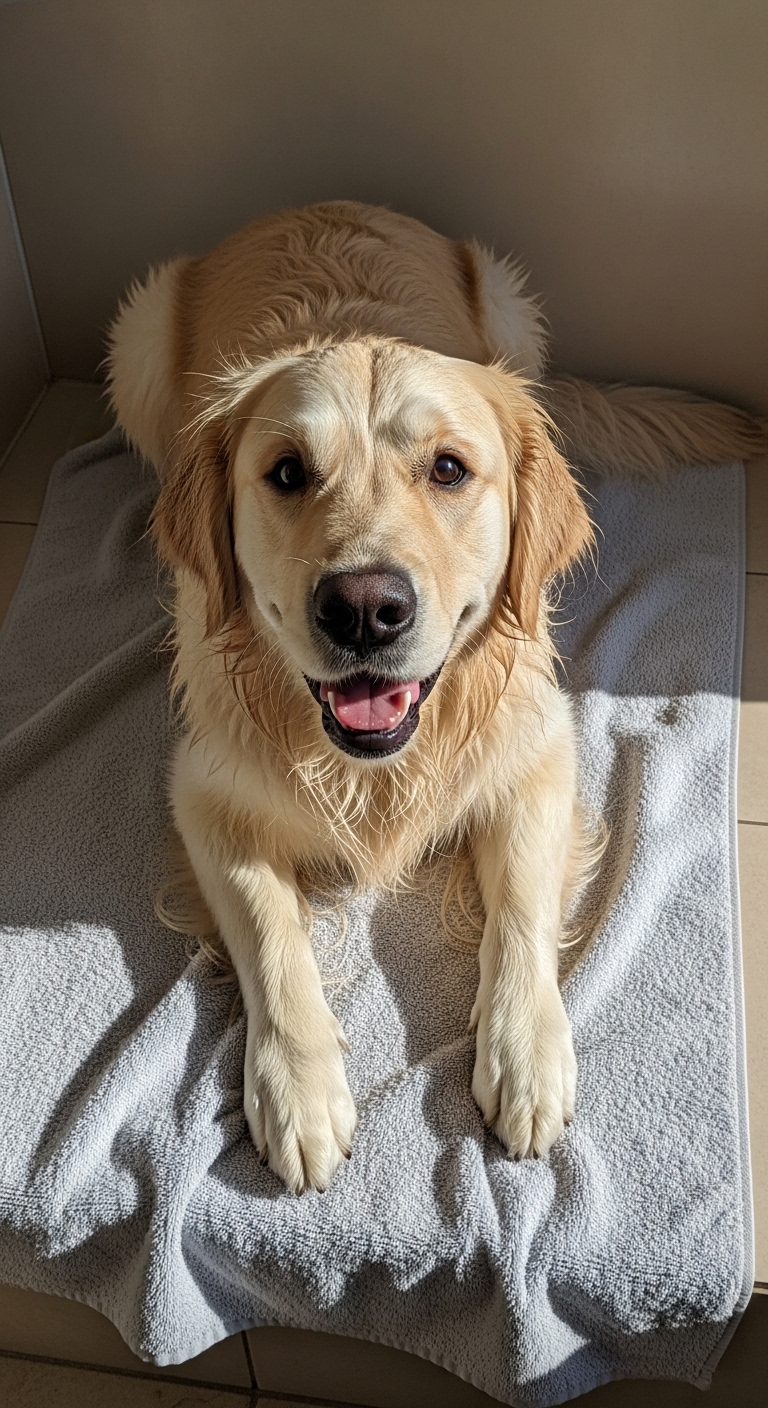
Making your own dog shampoo is a way to give your pup a bath that’s gentler on their skin while avoiding harsh chemicals found in many store-bought options. If your dog has sensitive skin, allergies, or just seems irritated after bath time, switching to a DIY shampoo could be a game-changer. Plus, it’s often more affordable and lets you control exactly what goes into the formula.
I’ve seen dogs with chronic itching finally find relief after switching to a homemade oatmeal-based shampoo. It’s amazing how much difference a few natural ingredients can make.
Key Things to Understand
- A gentle base like castile soap or unscented baby shampoo: keeps the skin’s pH balanced and avoids stripping natural oils
- Oatmeal: is a natural soother for itchy or irritated skin because it has anti-inflammatory properties
- Coconut oil: adds moisture and helps with skin repair but should be used sparingly to avoid greasiness
- Essential oils: can be great for scent but must be diluted properly and avoided for dogs with sensitivities
- Always do a patch test: before the full bath to check for any reactions
What to Look For
Watch how your dog reacts during their first few uses of a new shampoo. Excessive scratching, redness, or licking could mean the formula isn’t right for them. Pay attention to the texture of their coat after drying; it should feel soft, not stiff or overly dry. If you notice a strong chemical smell lingering, that’s a sign the shampoo might be too harsh or synthetic. For dogs with thick fur, look for ingredients that can penetrate deeply without clogging pores. If your dog has a history of skin issues, ingredients like aloe vera or chamomile can be soothing but should be introduced slowly.
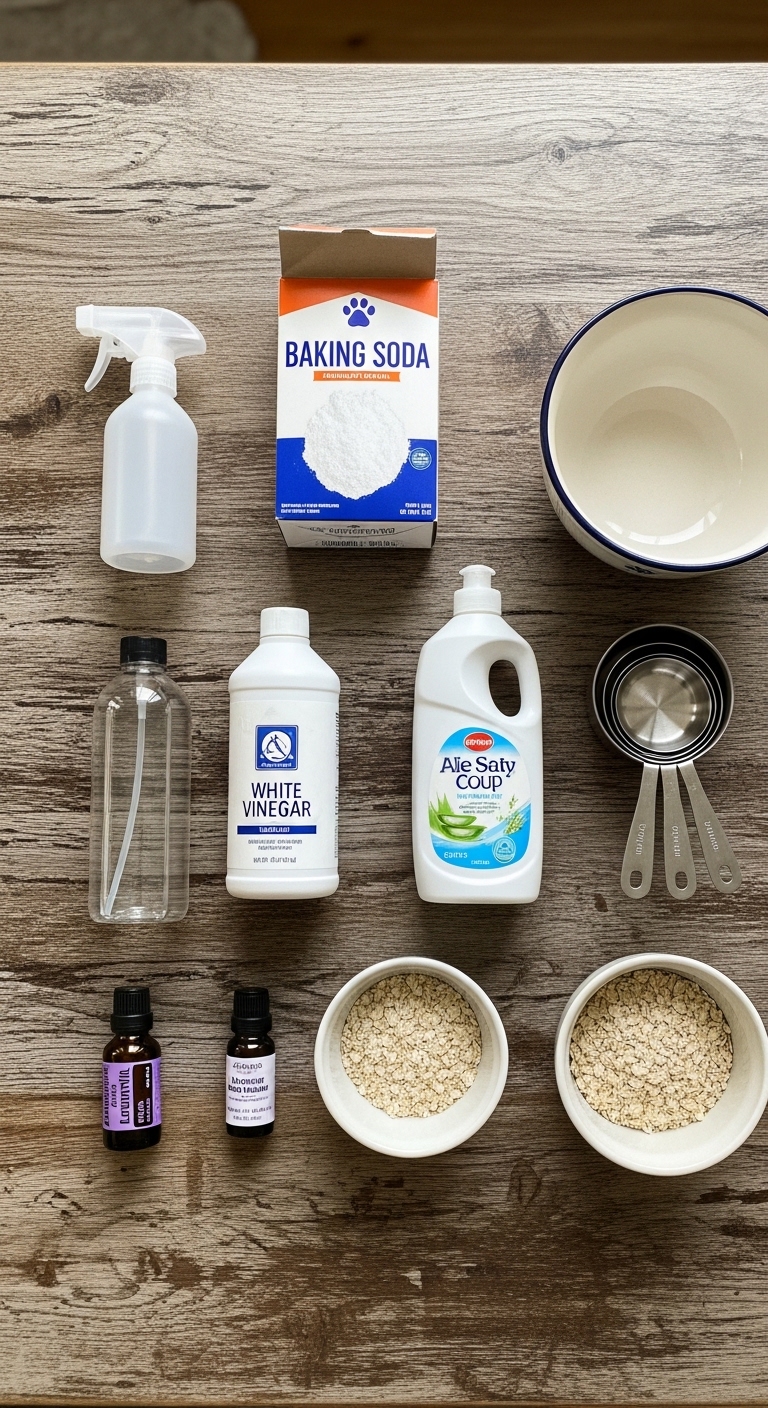
I once made the mistake of using too much coconut oil in a batch and ended up with a pup who looked like they’d been dipped in butter. A little goes a long way! Also, if your dog has open wounds or severe skin conditions, it’s best to consult your vet before trying a new shampoo.
DIY Dog Shampoo for Different Coat Types
Not all dogs have the same coat or skin type, so a one-size-fits-all approach won’t work. For dogs with dry skin, a shampoo with oatmeal and coconut milk can be incredibly hydrating. If your pup has oily skin or a tendency to get smelly, adding a bit of apple cider vinegar can help balance their skin’s natural oils. For active dogs who love to dig or roll in who-knows-what, a stronger formula with baking soda can help neutralize odors without being abrasive.
Storing and Using Homemade Shampoo
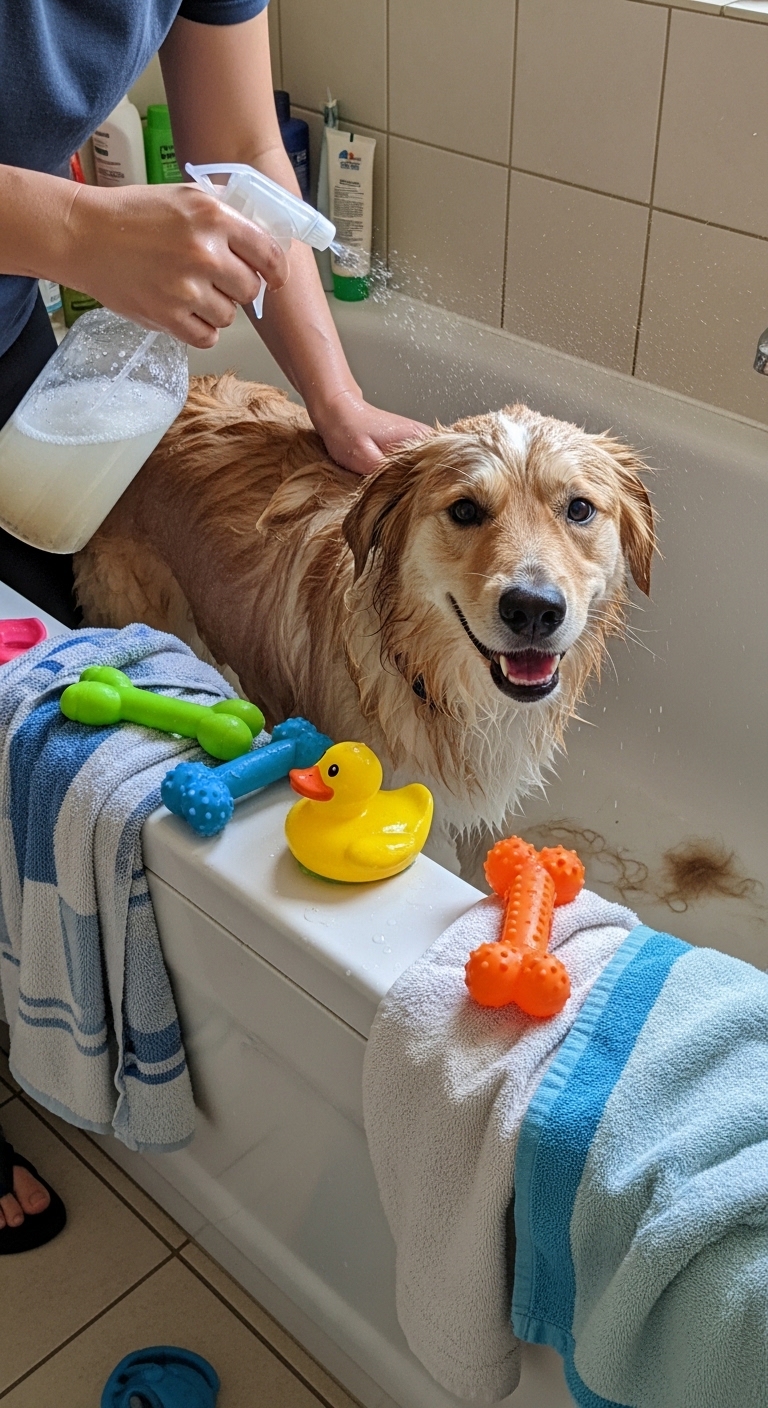
Freshness matters when it comes to homemade shampoo. If you’ve made a large batch, store it in an airtight container in the fridge for up to two weeks. Before each use, give it a good shake since natural ingredients can separate. When applying, focus on massaging it into your dog’s coat rather than scrubbing aggressively. Gentle pressure helps the ingredients work without irritating their skin.
Common Mistakes to Avoid
One of the biggest mistakes is overcomplicating the recipe with too many ingredients. Stick to 3-5 core components to avoid overwhelming your dog’s skin. Another pitfall is using too much water, which dilutes the shampoo’s effectiveness. Always follow a balanced recipe to ensure the ingredients work together. Lastly, don’t skip the patch test. Even natural ingredients can cause reactions in sensitive dogs.
While homemade shampoo is great for minor issues, it’s not a cure-all. If your dog’s skin problems persist, it’s time to call your vet.
Frequently Asked Questions
- → What ingredients do I need for DIY dog shampoo?
You’ll need mild liquid castile soap, coconut oil, water, and optional essential oils like lavender or chamomile for scent and soothing properties. Avoid ingredients like tea tree oil, citrus, or peppermint, as they can be harmful to dogs.
- → Is homemade dog shampoo safe for all breeds?
Yes, as long as you use gentle, pet-safe ingredients and avoid known allergens. Always patch-test a small amount on your dog’s skin before full use to check for reactions.
- → How often can I use DIY dog shampoo?
Use it every 4-6 weeks or as needed, depending on your dog’s activity level and coat condition. Overwashing can strip natural oils from their skin.
- → Can I store homemade dog shampoo?
Yes, store it in a clean, airtight bottle in a cool, dark place. Use within a month for best freshness and effectiveness. Shake well before each use.
- → What are the benefits of DIY dog shampoo?
It’s free from harsh chemicals, cost-effective, customizable for your dog’s needs, and gentle on sensitive skin. Plus, it strengthens your bond through grooming.
- → How do I apply homemade dog shampoo?
Wet your dog’s coat, apply a small amount of shampoo, and massage gently into the fur. Rinse thoroughly with lukewarm water to avoid residue. Reward with treats for a positive experience!