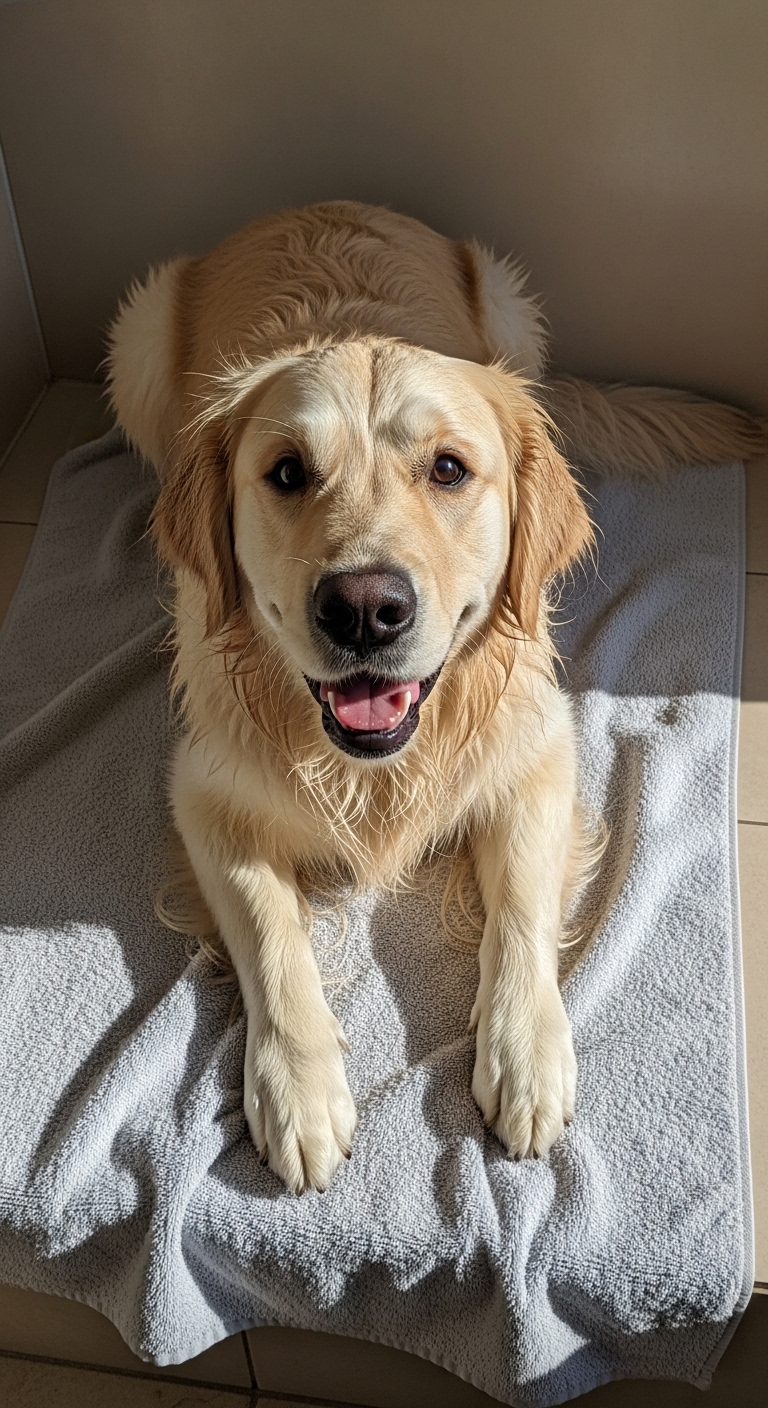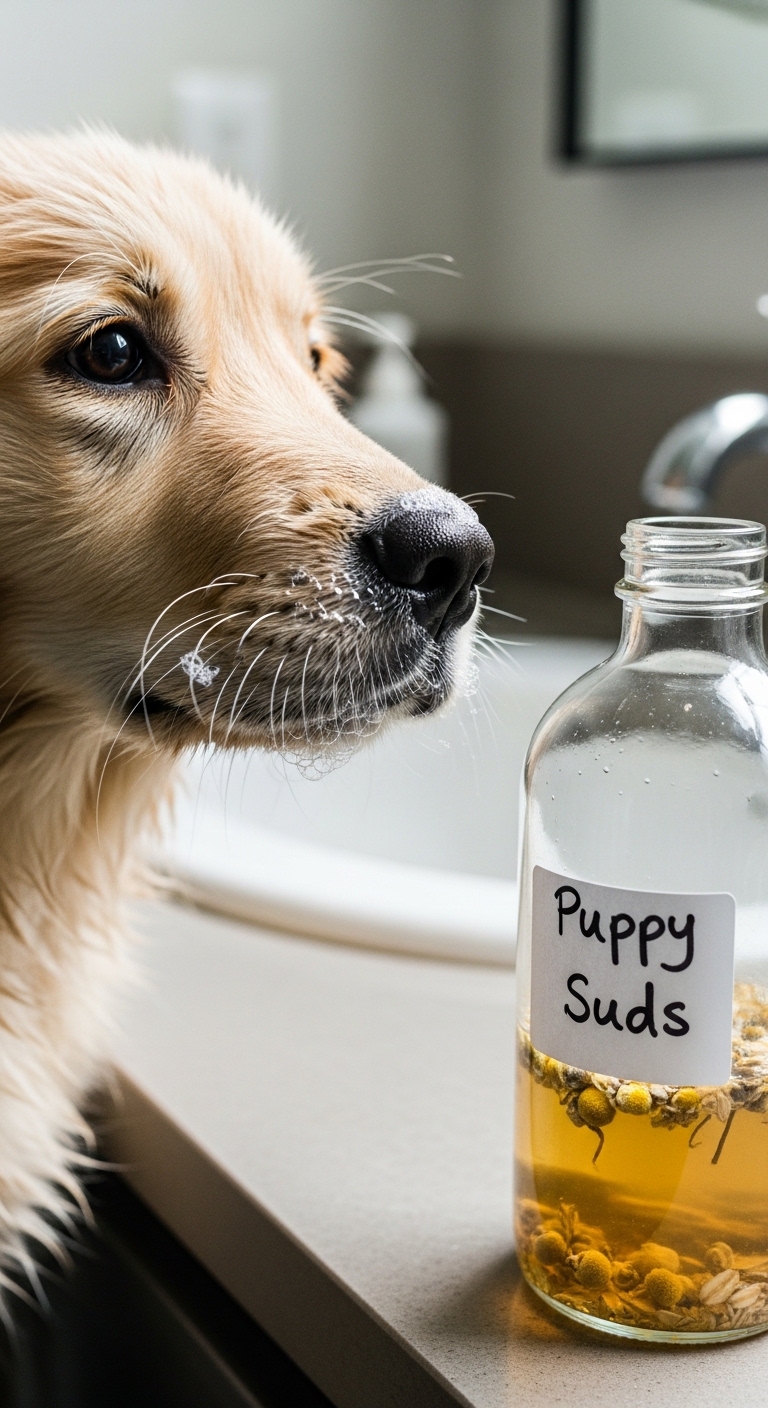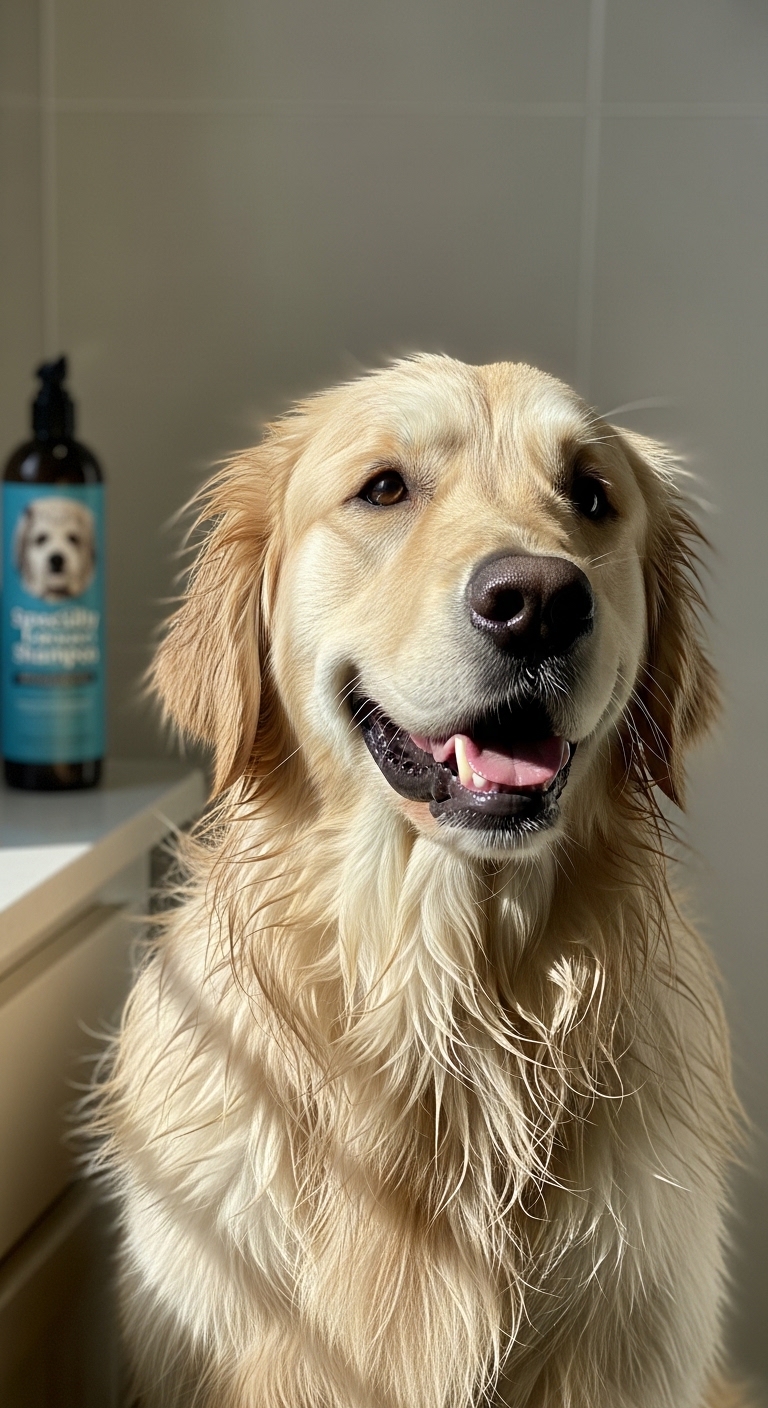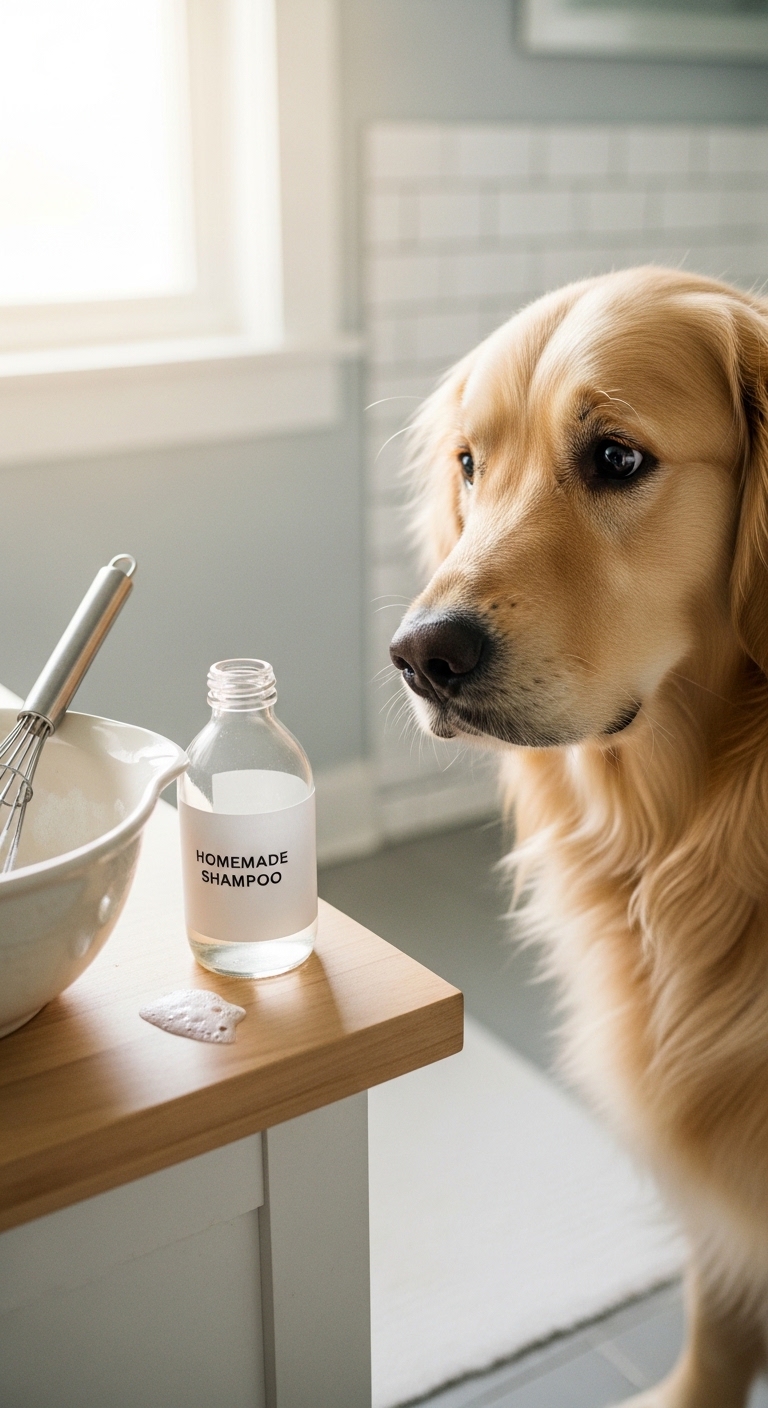
Homemade dog shampoo is one of those small but meaningful ways to care for your pet that often gets overlooked. Many pet owners don’t realize how easy it is to make a gentle, effective shampoo at home, one that avoids harsh chemicals found in store-bought options. It’s not just about saving money; it’s about giving your dog a bath that’s safer for their skin, coat, and even their overall health. Plus, when you mix it yourself, you control exactly what goes into the bottle, which is especially helpful for dogs with sensitive skin or allergies.
I remember when my own dog started scratching more after using a commercial shampoo. Switching to a homemade version made a noticeable difference within just a few baths: her coat looked shinier, and her skin felt softer. It’s one of those small changes that can make a big difference in their comfort.
Key Things to Understand
- Gentle ingredients: Homemade dog shampoo is free from synthetic fragrances and harsh detergents that can irritate your dog’s skin
- Soothing properties: Natural ingredients like oatmeal and coconut oil help soothe itchy skin and moisturize the coat
- Patch testing: Always patch test new shampoo formulas before full use to check for any adverse reactions
- Toxic ingredients: Avoid essential oils like tea tree or citrus, as they can be toxic to dogs even in small amounts
- pH balance: The pH balance of homemade shampoo is gentler than many commercial options, which helps maintain healthy skin
What to Look For
When choosing ingredients for homemade dog shampoo, focus on items that are known for their soothing and cleansing properties. Oatmeal is a great base because it calms irritated skin and reduces itching, while coconut oil adds moisture without clogging pores. Aloe vera gel can help with healing minor cuts or abrasions, but make sure it’s pure and free from added chemicals. If you’re adding a scent, opt for dog-safe options like lavender or chamomile, but always in very small amounts. The texture of the shampoo should be smooth and easy to lather, but not too thick: it should rinse out cleanly without leaving residue. Pay attention to how your dog reacts during and after the bath. If they seem more uncomfortable than usual, the formula might need adjusting.
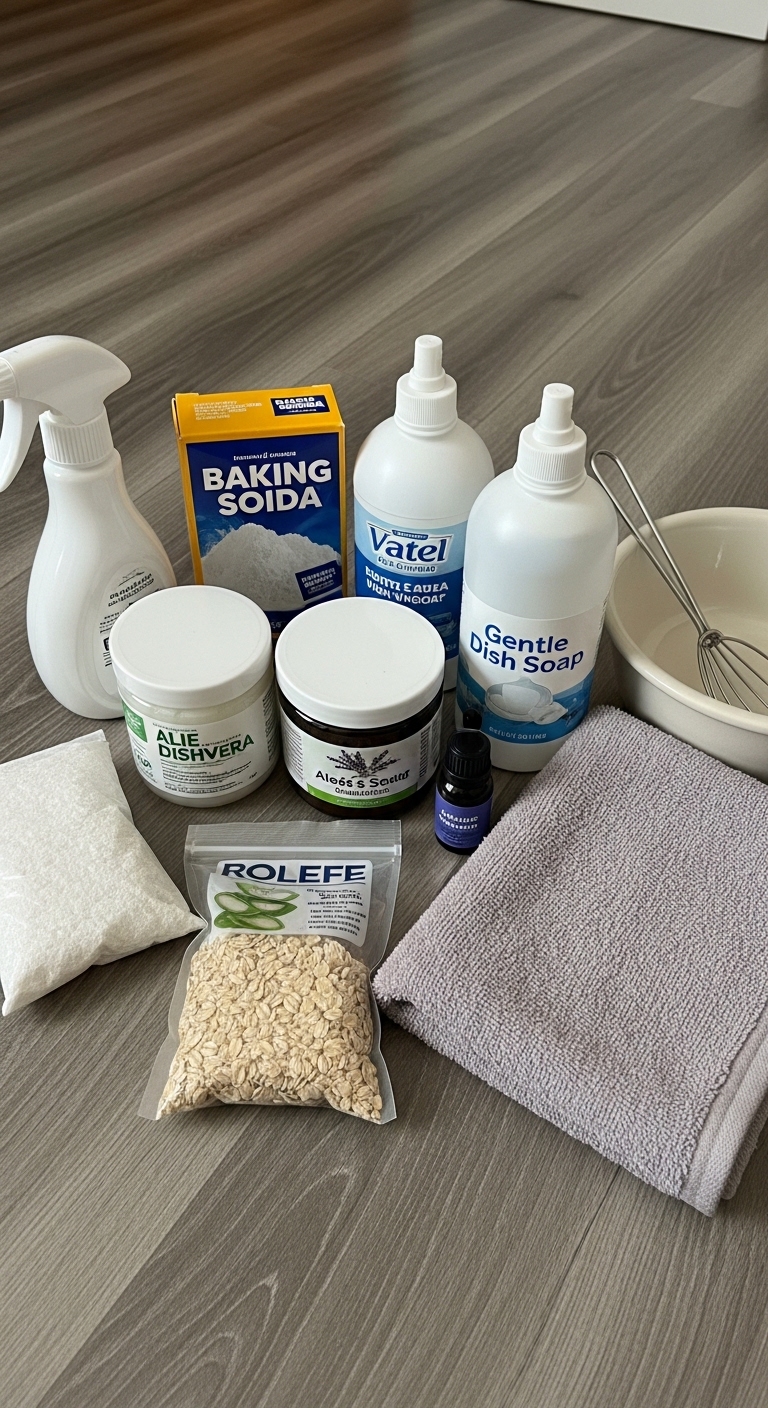
It’s easy to get carried away with adding extra ingredients, but sometimes less is more. I once added too much baking soda to a batch, and it left my dog’s coat feeling stiff and dry. A little goes a long way, so start with small amounts and adjust as needed. Also, if your dog has open wounds or severe skin conditions, it’s best to consult your vet before trying a new shampoo formula.
Daily Care Habits
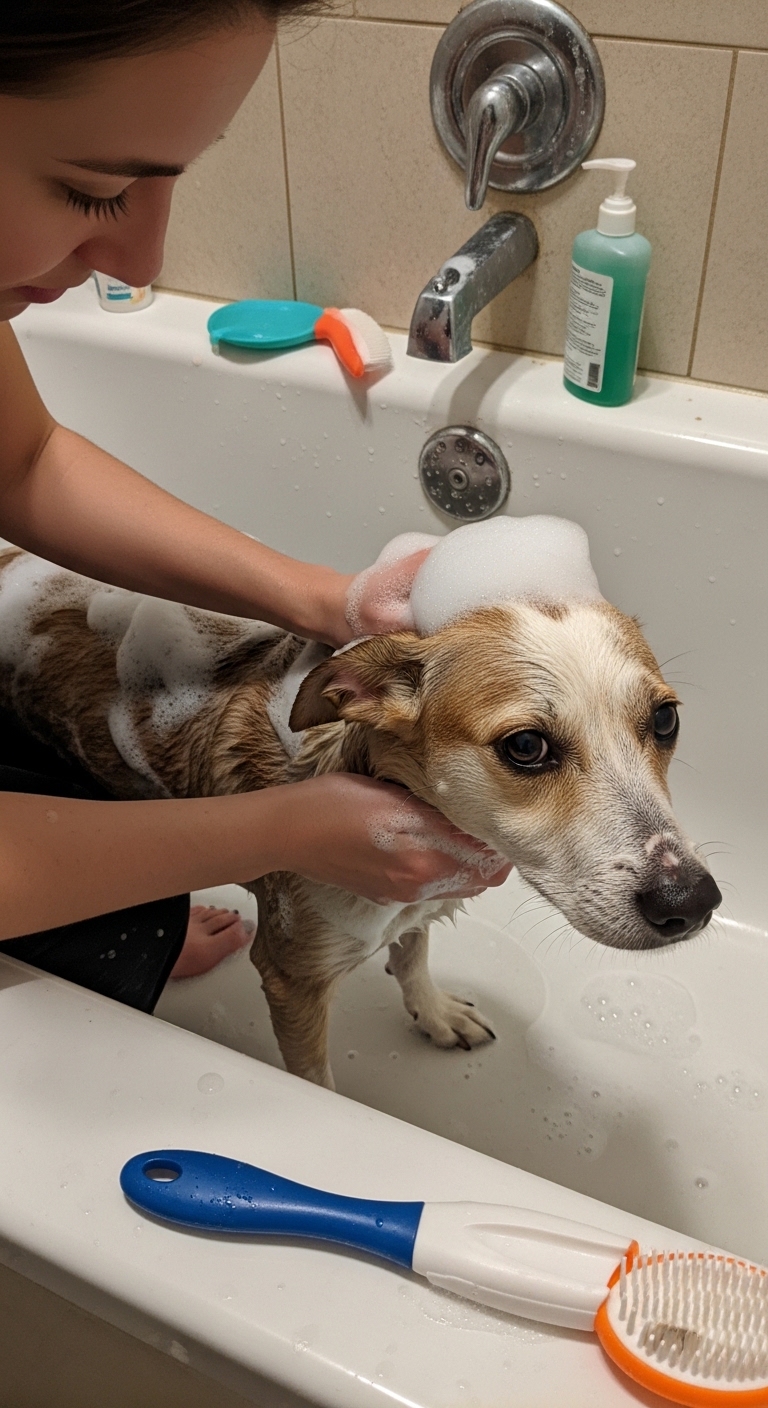
Incorporating homemade shampoo into your dog’s routine doesn’t have to be complicated. Most dogs only need a bath every 4 to 6 weeks unless they get particularly dirty or have skin issues. Over-bathing can strip their coat of natural oils, leading to dryness and irritation. When you do bathe them, use lukewarm water and massage the shampoo gently into their fur, avoiding the eyes and ears. Rinse thoroughly to prevent any leftover residue that could cause itching. After the bath, towel-dry them and keep them in a warm, draft-free area until they’re completely dry.
Choosing the Right Product
If you’re not up for making shampoo from scratch, look for commercial options labeled as “natural” or “organic” with short ingredient lists. Avoid products with sodium lauryl sulfate (SLS) or artificial fragrances, as these can be harsh on sensitive skin. Check for certifications like USDA Organic or the National Animal Supplement Council (NASC) seal, which indicate higher standards. For dogs with specific needs like flea control or extra moisture, there are targeted formulas available, but always read reviews from other pet owners to gauge effectiveness.
Safety and Comfort
Safety starts with the ingredients you choose. Never use human shampoo, dish soap, or any product with high concentrations of essential oils, as these can disrupt your dog’s skin barrier or cause toxicity. If your dog has a history of allergies, introduce new shampoo ingredients one at a time and monitor their reaction. Pay attention to their behavior during the bath: if they seem unusually stressed or uncomfortable, the formula might be irritating their skin. Comfort also comes from the bathing environment. A non-slip mat in the tub and a calm, patient approach can make the experience less stressful for both of you.
Making your own dog shampoo is a rewarding way to take control of your pet’s care. It’s not about perfection: it’s about finding what works best for your dog’s unique needs.
Frequently Asked Questions
- → What ingredients are needed for homemade dog shampoo?
You’ll need liquid castile soap, coconut oil, aloe vera gel, and optionally essential oils like lavender or chamomile for scent and soothing properties.
- → Is homemade dog shampoo safe for all breeds?
Yes, but always patch-test first. Avoid essential oils like tea tree or citrus, which can be toxic to some dogs. Consult your vet if your dog has sensitive skin or allergies.
- → How often can I use homemade dog shampoo?
Use it every 2-4 weeks or as needed. Overwashing can strip natural oils from your dog’s coat, leading to dryness or irritation.
- → Can I store homemade dog shampoo?
Yes, store in an airtight container in a cool, dark place for up to a month. Shake well before each use to mix ingredients.
- → What are the benefits of homemade dog shampoo?
It avoids harsh chemicals, reduces skin irritation, and is customizable for your dog’s specific needs. Plus, it’s eco-friendly and budget-friendly!
- → How do I apply homemade dog shampoo?
Wet your dog’s coat, lather the shampoo gently, avoid eyes and ears, rinse thoroughly, and towel-dry. Follow with a conditioner if needed.