 Pin
Pin
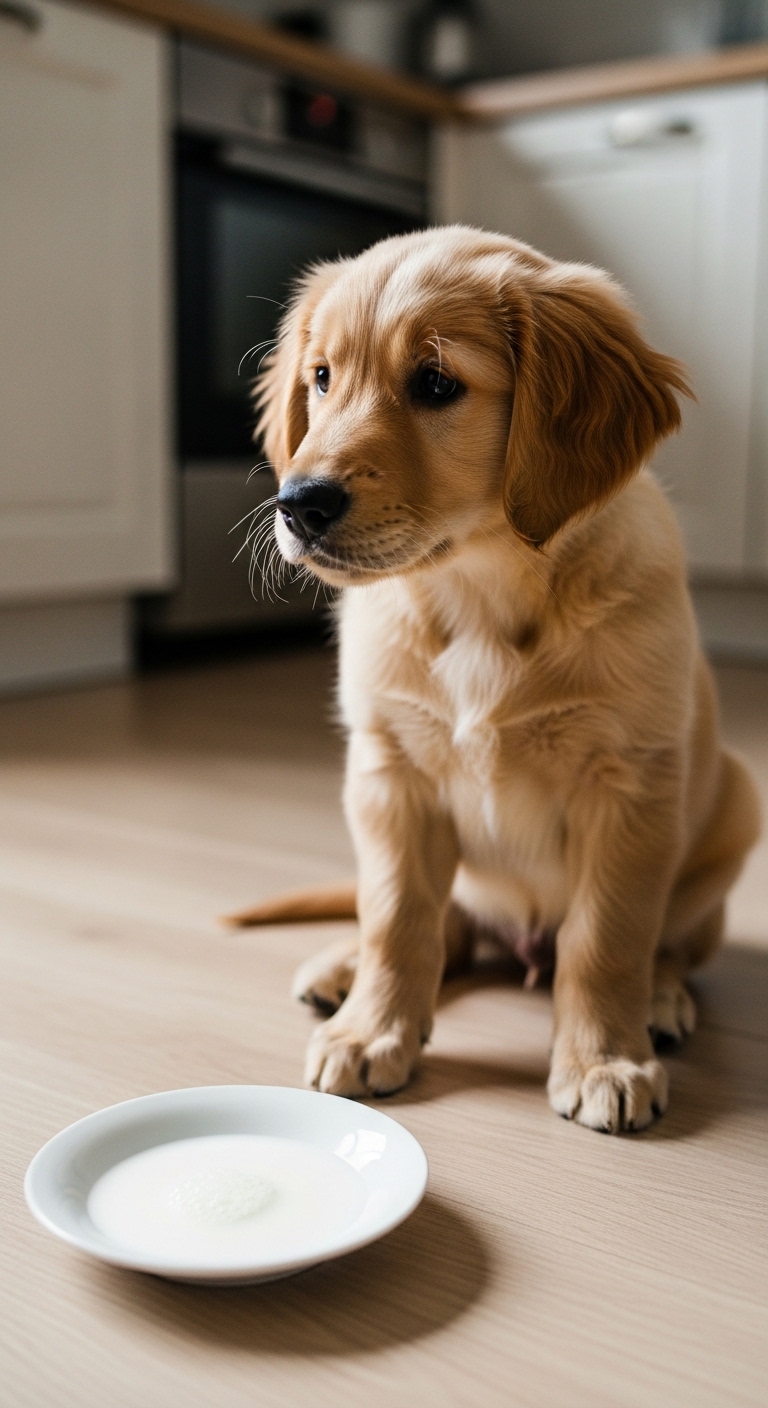
Milk is a common household item that many pet owners wonder about sharing with their dogs. While it might seem like a harmless treat, understanding whether milk is safe or beneficial for dogs can prevent digestive issues and ensure their diet supports their health.
Most dogs love the taste of milk, but their bodies often don’t handle it well. It’s one of those foods that seems innocent until you see the aftermath.
Key Things to Understand
- Lactose intolerance: Many adult dogs are lactose intolerant which means milk can cause diarrhea or vomiting
- Puppy digestion: Puppies produce lactase the enzyme needed to digest milk but this ability often decreases with age
- Small amounts: Small amounts of milk may not harm some dogs but it’s not a necessary part of their diet
- Alternatives: Some dogs can tolerate lactose free milk or specialized pet milk products better than regular milk
- Fat content: Whole milk is high in fat which can lead to pancreatitis in sensitive dogs
What to Look For
Watch for signs of digestive distress after your dog consumes milk such as bloating, gas, or loose stools. These symptoms can appear within a few hours and are a clear indication that milk doesn’t agree with them. Pay attention to how your dog behaves after trying a small amount, as individual tolerance varies widely. If your dog seems fine after a tiny portion, it doesn’t mean they should have milk regularly—it’s still best to avoid making it a habit.
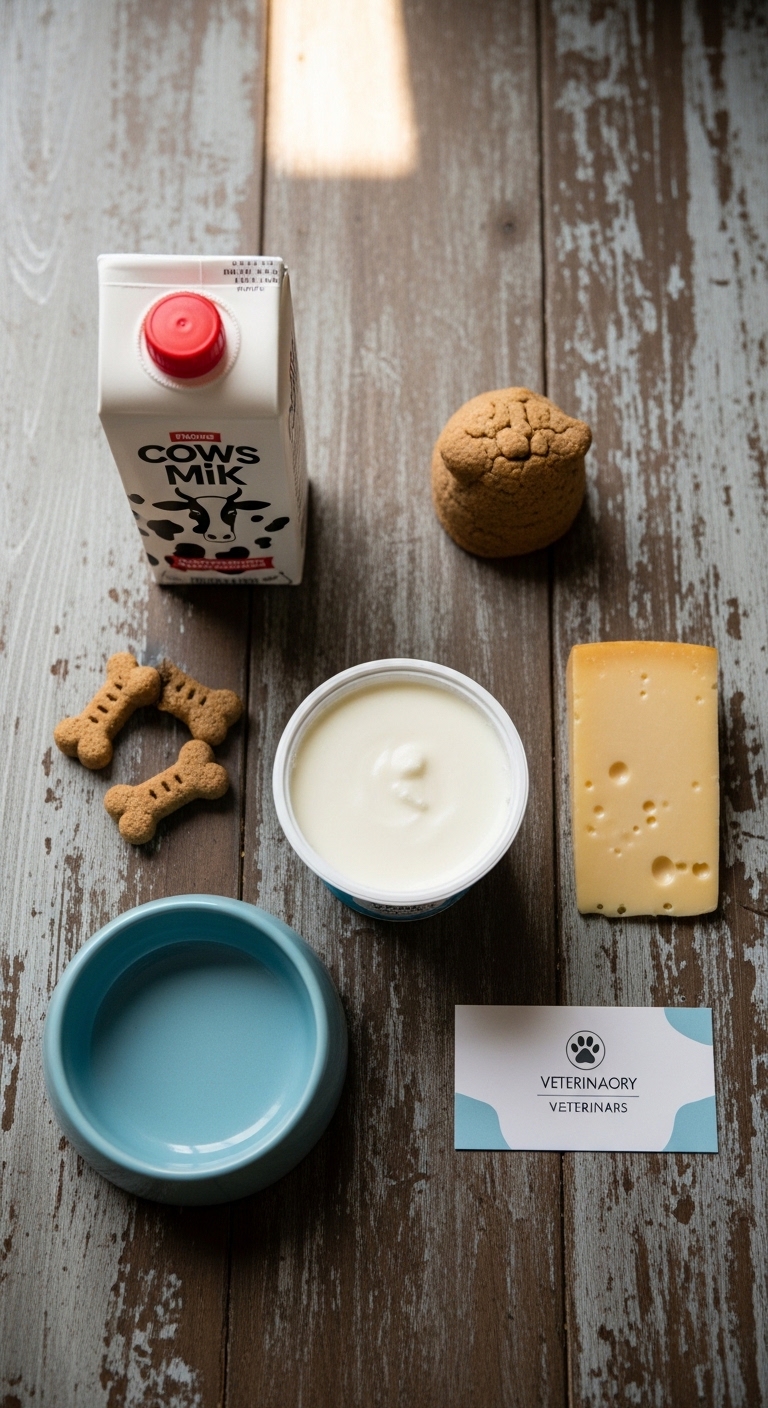
Even if your dog begs for milk, it’s usually better to stick with water or dog safe alternatives. Many owners assume that because puppies drink milk, adult dogs can too, but their digestive systems change as they grow.
Daily care habits
If your dog accidentally drinks a little milk, don’t panic. Monitor them for any signs of discomfort and ensure they have access to fresh water. For dogs that love the taste, consider offering a small amount of plain, unsweetened lactose free milk as an occasional treat, but keep portions minimal.
Choosing the right product
When selecting milk alternatives for dogs, look for products specifically formulated for pets. These are designed to be gentle on their digestive systems and often include added nutrients that benefit their health. Avoid flavored or sweetened milks, as these can contain ingredients that are harmful to dogs.
Safety and comfort
Always prioritize your dog’s comfort over their curiosity about human foods. If you’re unsure whether a food is safe, it’s best to err on the side of caution and avoid it. Milk might not be the worst thing your dog could consume, but it’s certainly not the best choice for their well being.
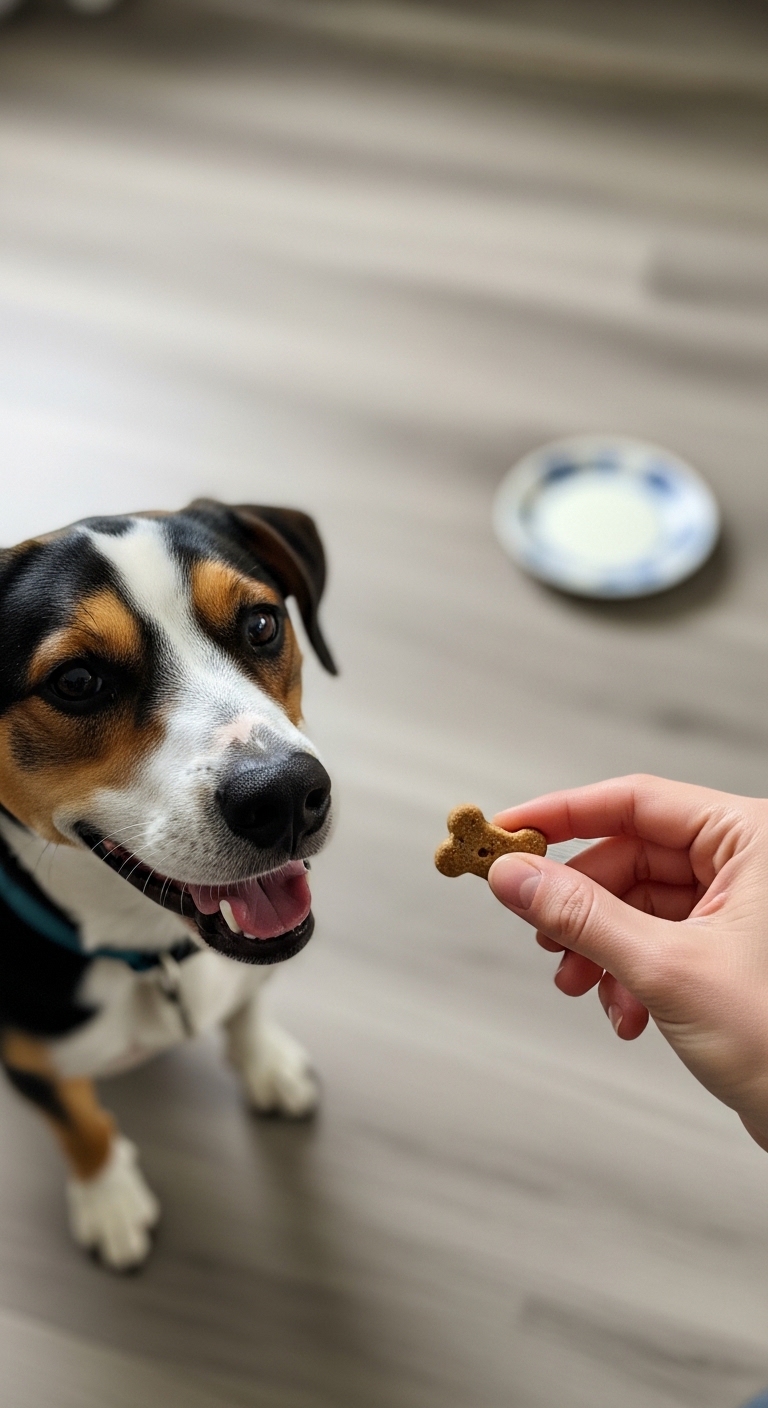
Understanding your dog’s dietary needs helps keep them healthy and happy.
Frequently Asked Questions
- → Can dogs drink cow's milk safely?
Most adult dogs are lactose intolerant, so cow’s milk can cause digestive issues like diarrhea, gas, or vomiting. While small amounts may not harm some dogs, it’s best to avoid it or opt for lactose-free alternatives.
- → Why are dogs lactose intolerant?
Dogs lose the enzyme lactase, which is needed to digest lactose, as they grow older. Puppies produce lactase to digest their mother’s milk, but this production decreases after weaning, leading to lactose intolerance in most adult dogs.
- → What are the signs of lactose intolerance in dogs?
Common signs include diarrhea, bloating, gas, stomach pain, and vomiting after consuming dairy. If your dog shows these symptoms, they may be lactose intolerant.
- → Are there safe milk alternatives for dogs?
Lactose-free milk or dog-specific milk replacers are safer options. Always check with your vet before introducing new foods to ensure they’re suitable for your dog’s diet.
- → Can puppies drink milk from other animals?
Puppies should only drink their mother’s milk or a vet-approved milk replacer. Cow’s milk or other animal milks are not nutritionally balanced for puppies and can cause digestive issues.
- → What should I do if my dog drinks milk and gets sick?
Monitor your dog for symptoms like diarrhea or vomiting. Ensure they stay hydrated and contact your vet if symptoms persist or worsen. Avoid giving dairy in the future if your dog reacts poorly.