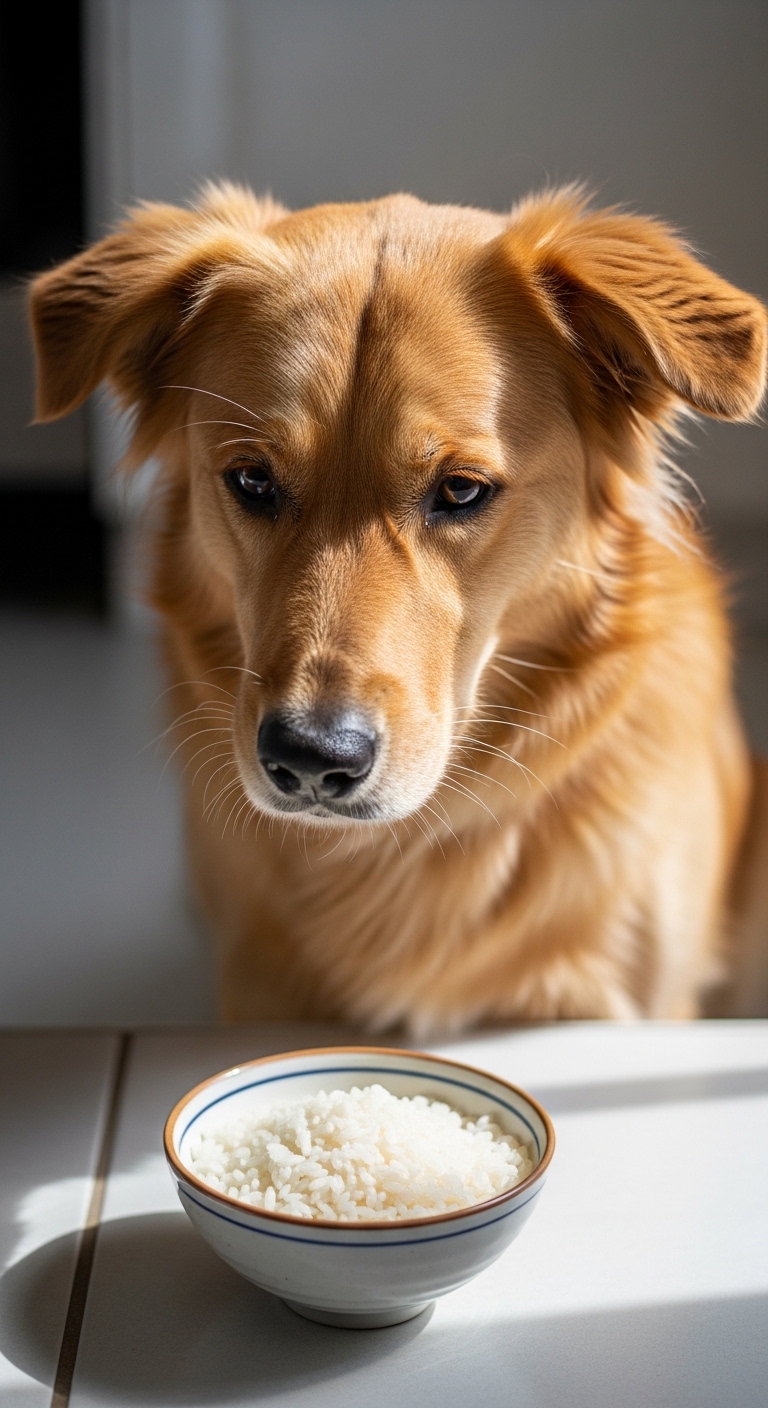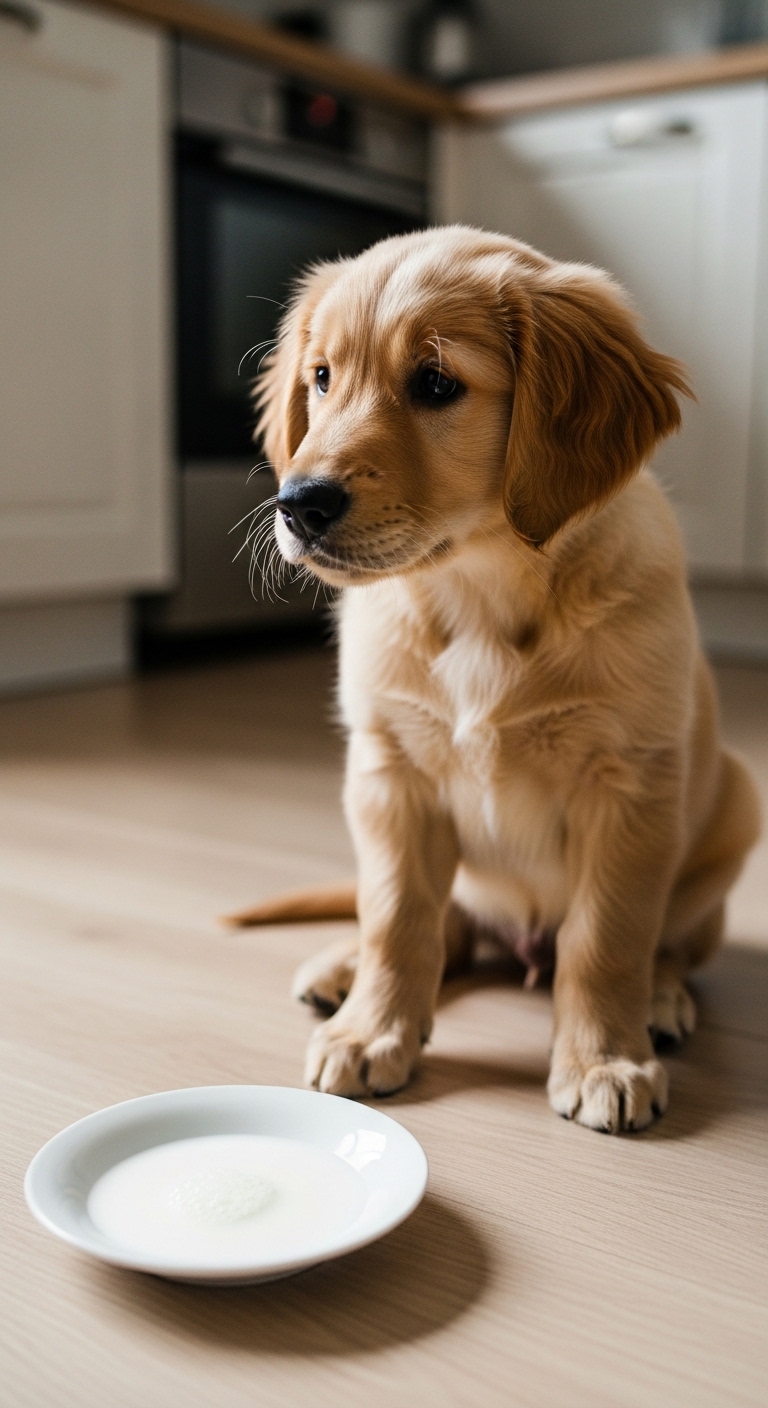
Can dogs have bread? It’s a question many pet owners ask when sharing a slice with their furry friend or noticing their dog sneak a bite from the counter. While bread isn’t toxic to dogs, it’s not exactly a health food for them either. Most plain bread is safe in small amounts, but the ingredients and your dog’s health play a big role in whether it’s a good idea. For pet owners who want to treat their dogs without risking digestive upset or long-term issues, understanding the details matters.
I’ve seen dogs beg for bread at the table and owners unsure whether to give in. The truth is, a tiny piece of plain white or whole wheat bread won’t hurt most dogs, but it’s not nutritious either. The real concern comes from what else might be in the bread or how your dog reacts.
Key Things to Understand
- Plain bread without additives: generally safe for dogs in small amounts
- Bread dough: can expand in a dog’s stomach and cause dangerous bloating or alcohol poisoning from yeast
- Toxic ingredients: raisins, garlic, onions, or xylitol are toxic and should never be given to dogs
- Sensitivity: some dogs may experience mild digestive upset even from plain bread due to wheat or gluten sensitivity
- Homemade bread: without salt, sugar, or harmful spices is a safer option than store-bought varieties
What to Look For
Watch your dog’s reaction after eating bread, especially the first time. Some dogs tolerate it fine, while others may show signs of stomach upset like vomiting, diarrhea, or excessive gas. If your dog has a sensitive stomach or known food allergies, bread might not be the best treat. Also, check the ingredient list on any bread you share. Even plain bread can contain small amounts of salt or sugar, which aren’t ideal for dogs in large quantities. If you bake your own bread, avoid adding ingredients like garlic powder, onion flakes, or artificial sweeteners, which can be harmful. For dogs with wheat allergies, opt for grain-free alternatives made with ingredients like rice or oats.
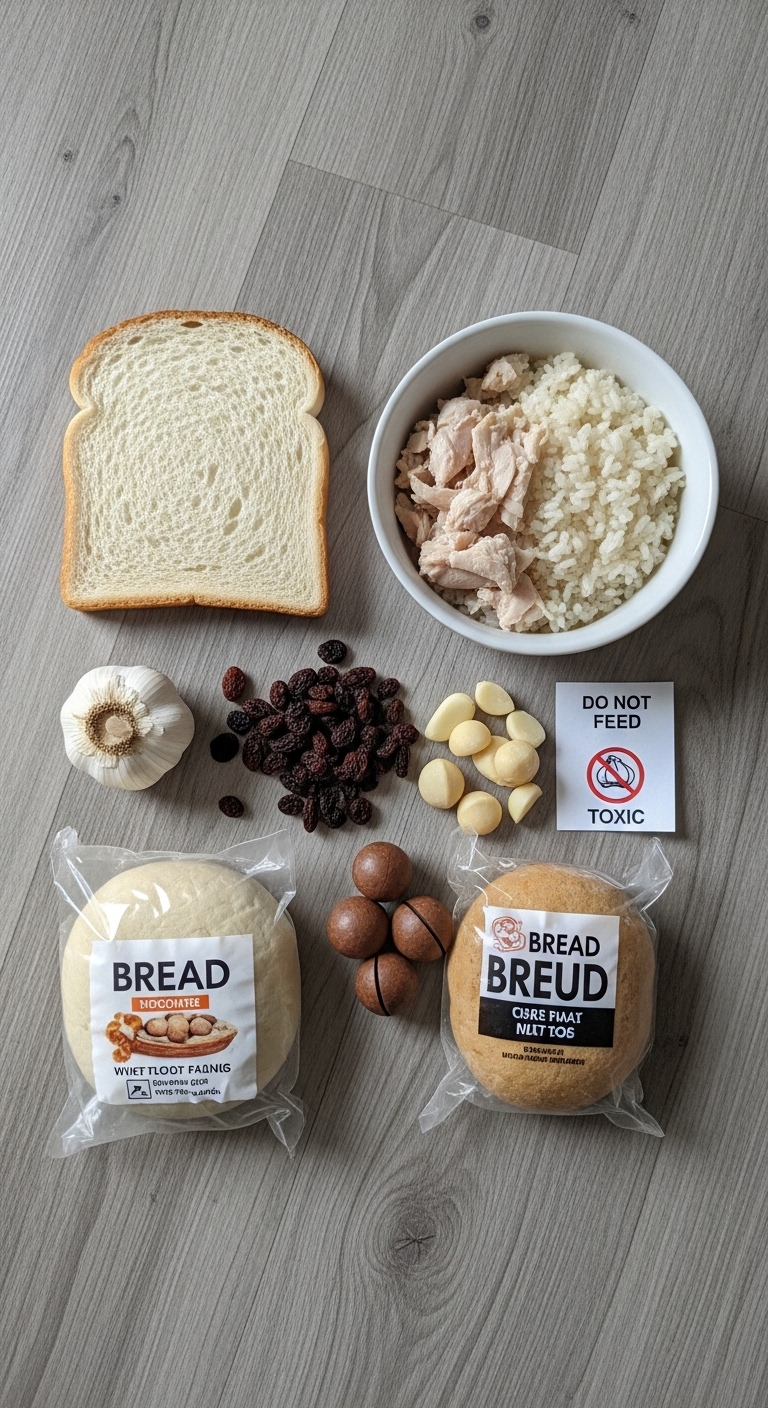
I once had a client whose dog got into raw bread dough left on the counter. The dog’s stomach swelled dangerously within an hour, and they had to rush to the vet for emergency care. It was a scary reminder that even harmless-seeming foods can turn risky quickly. Always keep dough out of reach and avoid feeding bread if your dog has health conditions like diabetes or pancreatitis.
Feeding Bread Safely
If you decide to give your dog bread, keep portions tiny: a small bite is enough for most dogs. Avoid feeding bread regularly as a treat, since it offers little nutritional value and can contribute to weight gain. Instead, use it as an occasional distraction during training or as a way to hide medication. For dogs with wheat sensitivities, consider alternatives like plain rice cakes or small pieces of cooked sweet potato. Always introduce new foods slowly and watch for any adverse reactions.
Alternatives to Bread
Many pet owners don’t realize there are healthier options that dogs love just as much. Small pieces of cooked chicken, carrots, or apple slices can be great low-calorie treats. If you want something crunchy, plain popcorn (without butter or salt) or commercial dog treats made with natural ingredients work well. For dogs who enjoy the texture of bread, try baking homemade dog biscuits using dog-safe ingredients like peanut butter (xylitol-free) and oat flour. These alternatives provide more nutritional benefits without the risks associated with bread.
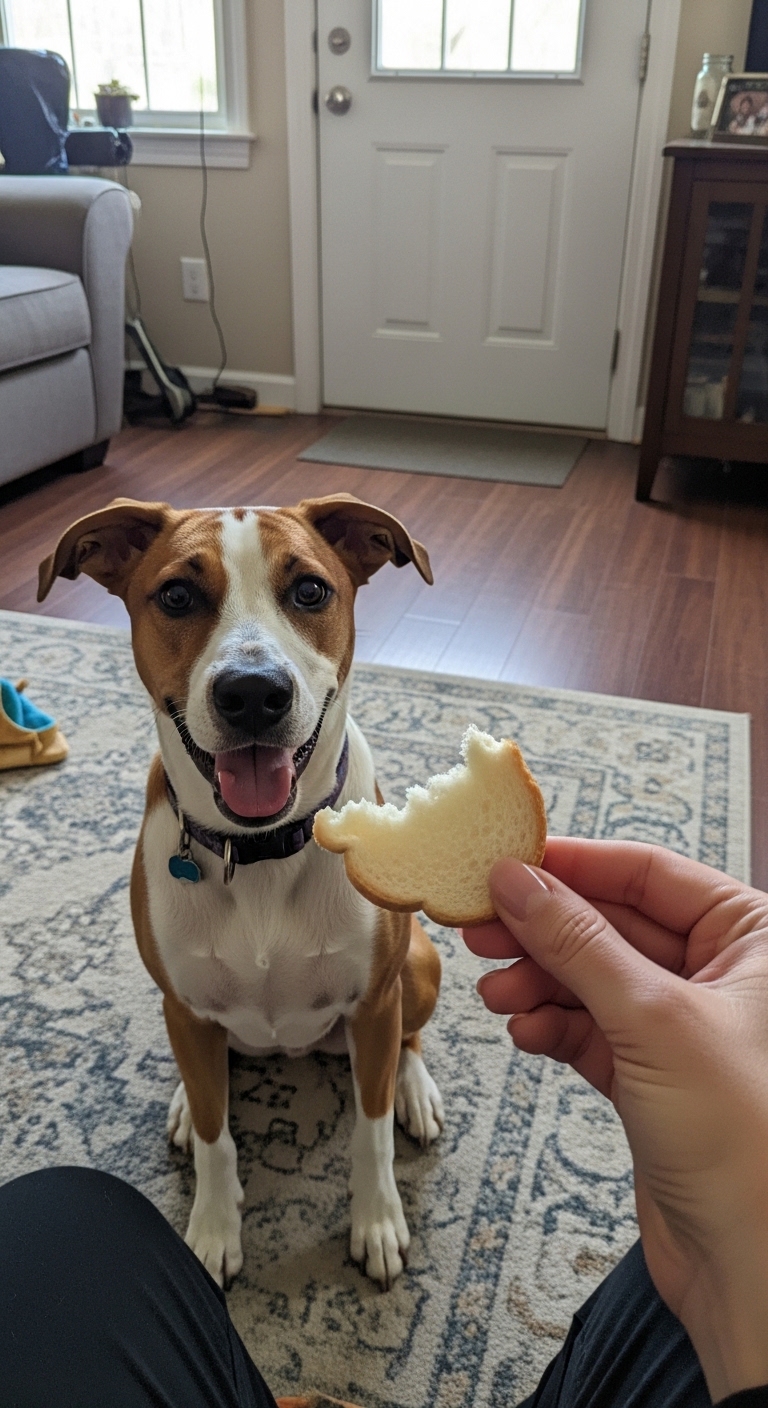
Always prioritize your dog’s health and choose treats wisely.
Frequently Asked Questions
- → Is bread safe for dogs to eat?
Plain white or wheat bread in small amounts is generally safe for dogs, but it shouldn't be a regular part of their diet. Avoid bread with harmful ingredients like raisins, garlic, or excessive salt.
- → What types of bread are best for dogs?
Whole grain or plain bread without toppings is the safest option. Avoid bread with seeds, nuts, or sweeteners, as these can be harmful to dogs.
- → How much bread can I give my dog?
Bread should only be an occasional treat and should not exceed 10% of your dog's daily caloric intake. Small dogs should have even smaller portions.
- → Can dogs eat bread with peanut butter?
Plain peanut butter without xylitol is safe in moderation, but avoid bread with added sugars or artificial sweeteners. Always check the ingredients first.
- → What should I do if my dog eats moldy bread?
Moldy bread can cause serious health issues, including tremors or seizures. Contact your vet immediately if your dog ingests moldy bread.
- → Are there any breads dogs should avoid completely?
Yes, avoid bread containing raisins, chocolate, xylitol, garlic, onions, or excessive salt. These ingredients are toxic to dogs and can cause severe health problems.