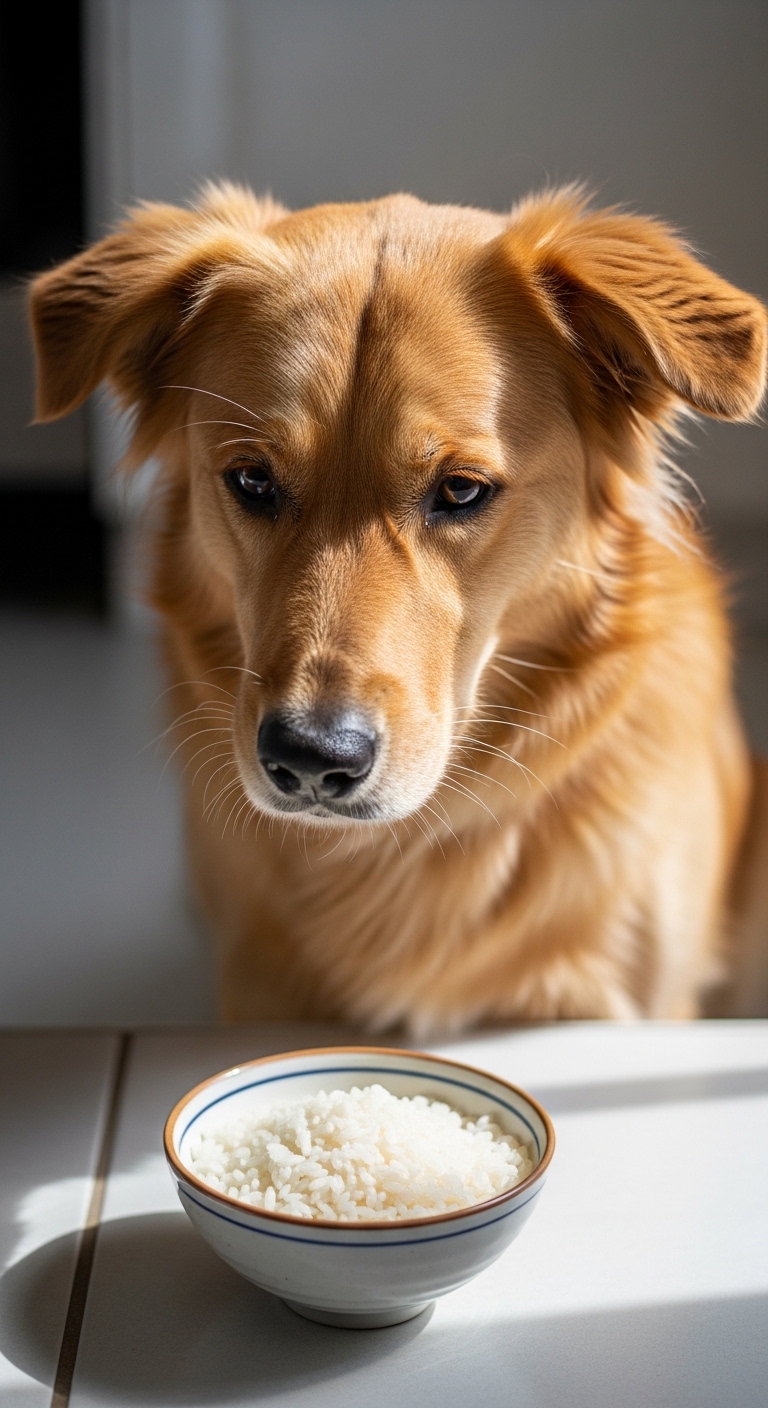
Tuna is one of those foods that seems harmless at first glance after all, it’s a lean protein packed with omega-3s, right? But the truth is, feeding your dog tuna isn’t as simple as opening a can. The high mercury content in some tuna can build up over time, leading to serious health issues. Then there’s the issue of bones, which can pose a choking hazard or cause internal damage if not properly removed. Even the seasonings or oils in canned tuna might upset your dog’s stomach. So before you toss a piece of tuna to your pup as a treat, it’s worth understanding the risks and benefits to make sure you’re making the safest choice for their diet.
You’ll learn how to spot safe tuna options. You’ll discover healthier ways to include tuna in your dog’s diet without risking their long-term health. You’ll avoid common mistakes that could lead to digestive issues or toxicity.
Key Things to Understand
- Mercury risk: Tuna contains high levels of mercury which can accumulate in your dog’s body over time and cause neurological damage. This is especially risky for small dogs or puppies whose systems are still developing and can’t process toxins as efficiently.
- Fresh vs canned: Fresh tuna is generally safer than canned tuna because it doesn’t contain added salts, oils, or preservatives that can be harmful to dogs. However, it must be cooked thoroughly and all bones must be removed to prevent choking or internal injuries.
- Allergies: Some dogs are allergic to fish, and tuna is a common trigger. Watch for signs like itching, vomiting, or diarrhea after feeding tuna, as these could indicate an adverse reaction.
- Nutritional balance: Feeding tuna too frequently can lead to nutritional imbalances, particularly if it replaces other essential proteins or nutrients in your dog’s diet. Moderation is key to preventing deficiencies or excesses.
- Canned tuna types: Canned tuna in water is a better choice than canned tuna in oil or brine, as the latter can cause dehydration or sodium overload. Always check the label for additives before serving.
What to Look For
When considering tuna for your dog, the first thing to check is the type of tuna and how it’s prepared. Fresh tuna steaks are ideal because they’re free from preservatives and added salts, but they must be cooked plain with no seasoning, oil, or butter. If you’re using canned tuna, opt for the kind packed in water rather than oil or brine, as these can lead to digestive upset or sodium imbalances. Always drain the water thoroughly to remove excess sodium before serving.
Another important factor is portion size and frequency. Even safe tuna should be given in small amounts: think of it as an occasional treat rather than a regular meal. For small dogs, a teaspoon or two once a week is plenty, while larger breeds can handle slightly more, but still infrequently. Watch how your dog reacts after eating tuna, especially the first few times. Signs of digestive upset, lethargy, or allergic reactions mean it’s best to avoid tuna altogether.
You should also pay attention to how the tuna is stored and prepared. If you’re cooking fresh tuna, make sure it’s fully cooked to kill any parasites and cooled before serving. Raw tuna is not recommended due to the risk of bacteria and parasites that can harm your dog. If you’re using canned tuna, check the expiration date and ensure the can isn’t dented or swollen, as these can indicate spoilage.
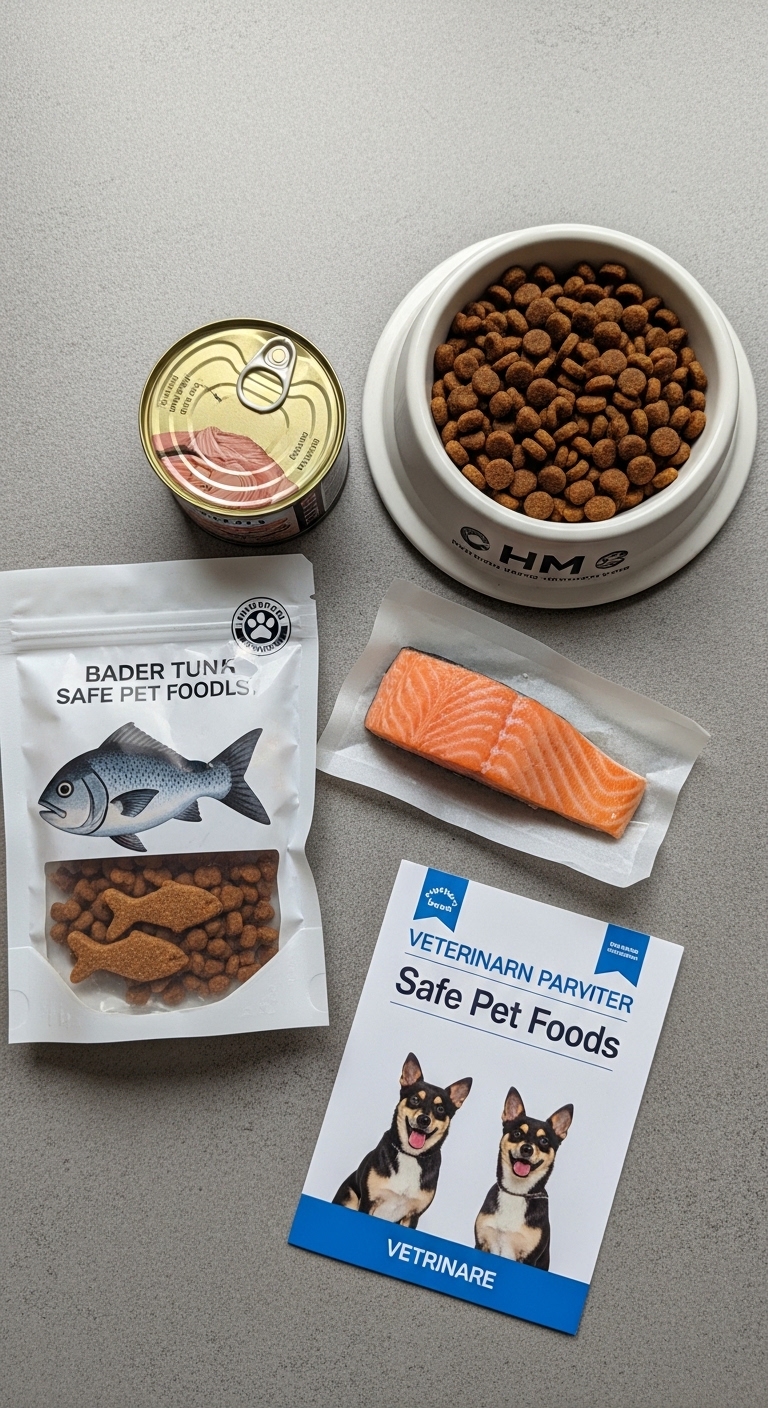
You’ll learn how to spot safe tuna options. You’ll discover healthier ways to include tuna in your dog’s diet without risking their long-term health. You’ll avoid common mistakes that could lead to digestive issues or toxicity.
How Often Can Dogs Eat Tuna Safely
While tuna can be a tasty treat, it’s not something you should offer every day. For most dogs, once a week is a safe frequency, but this depends on the size of your dog and the type of tuna you’re using. Smaller breeds and puppies should have even less, while larger dogs can tolerate slightly more. Always start with a small portion to see how your dog reacts before making it a regular part of their diet.
Signs Your Dog Shouldn’t Eat Tuna
Not all dogs tolerate tuna well, and some may show immediate signs of discomfort or allergic reaction. If you notice excessive scratching, redness, swelling, vomiting, diarrhea, or lethargy after feeding tuna, it’s best to avoid it in the future. These symptoms could indicate an allergy or intolerance, and continuing to feed tuna might lead to more serious health issues over time.
Healthier Alternatives to Tuna for Dogs
If you’re looking for a fish-based treat that’s safer and more balanced, consider options like salmon, sardines, or mackerel. These fish are lower in mercury and often come packed in water without added salts or oils. They also provide similar benefits like omega-3 fatty acids, which support skin, coat, and joint health. Always introduce new fish gradually and in small amounts to ensure your dog tolerates it well.

The bottom line is that tuna isn’t inherently bad for dogs, but it’s not risk-free either. The key is moderation, proper preparation, and paying close attention to your dog’s reaction.
Frequently Asked Questions
- → Can dogs eat tuna every day?
No, dogs should not eat tuna daily. While tuna offers protein and omega-3s, it also contains mercury, which can build up in your dog’s system over time. Limit tuna to occasional treats—once or twice a week at most—to avoid toxicity.
- → Is canned tuna safe for dogs?
Canned tuna in water (not oil or seasoned) is generally safe in small amounts. Avoid varieties with added salt, garlic, or onions, as these are toxic to dogs. Rinse the tuna briefly to reduce sodium content before serving.
- → How much tuna can I give my dog?
Portion size depends on your dog’s size. Small breeds (under 20 lbs) should have no more than 1-2 teaspoons of tuna per week. Larger dogs can tolerate up to 1 tablespoon, but moderation is key to prevent mercury exposure.
- → Can puppies eat tuna?
Puppies should avoid tuna due to the risk of mercury poisoning and digestive issues. Their developing systems are more sensitive to heavy metals. Stick to puppy-formulated treats and foods until they’re older.
- → What are the risks of feeding tuna to dogs?
Primary risks include mercury poisoning (especially with frequent feeding), digestive upset from rich fish, and potential bacterial contamination in raw tuna. Always cook tuna thoroughly and remove bones before serving.
- → Can dogs eat tuna sushi?
No, dogs should never eat sushi-grade tuna or any raw fish. Raw tuna may contain parasites like tapeworms or bacteria like salmonella, which can cause severe illness in pets. Cooked tuna is the only safe option.